 FabricKnowledge Lab
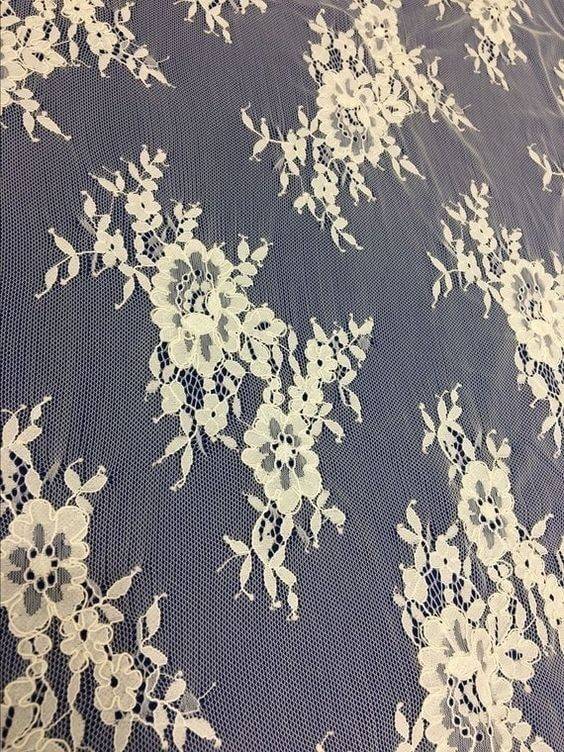
An open pattern with several production routes
Lace is a decorative openwork material, but the name does not identify one fiber or one manufacturing method. Sewport's overview describes several ways of building its characteristic combination of solid motifs and open spaces. Cotton, linen, silk and manufactured fibers can all appear in lace products. This range matters when comparing two fabrics that look similar at a distance. Their drape, surface and suitability for a particular garment may reflect different yarns and production techniques, even though both are sold under the same broad material name.
Bobbin and needle methods build patterns differently
In bobbin lace, threads are managed on bobbins and worked around a planned arrangement of pins on a supporting pillow. The pattern develops through the way those threads are crossed and arranged. Needle lace takes a different approach, building the design through stitches with guide threads on a support. Both methods can produce intricate open structures, but their tools and working sequences differ. Describing lace simply as a type of weave would overlook those distinctions. The construction method is part of understanding how the motif, connecting areas and edges are formed.
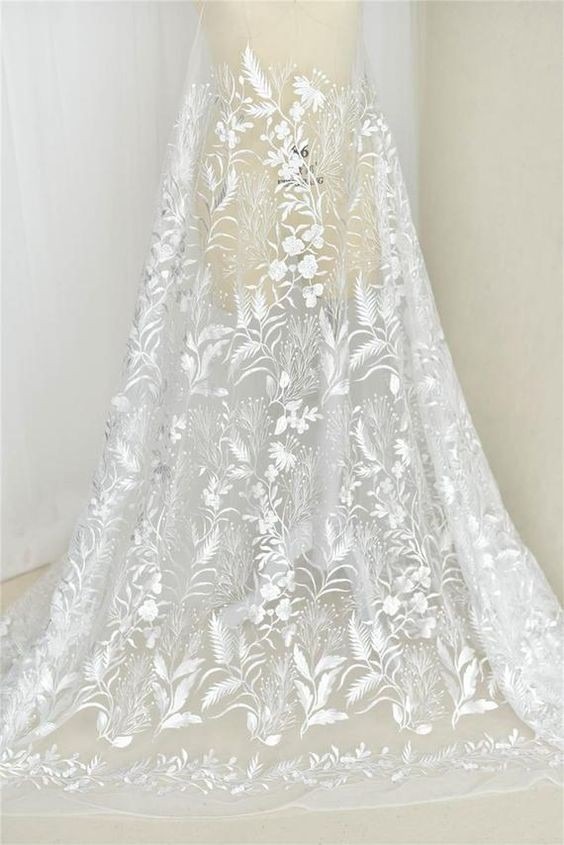
Temporary supports enable another approach
Chemical lace begins with an embroidered design on a temporary backing. Removing that support leaves the stitched structure to define the open pattern. The final appearance therefore depends on how the embroidery is designed to remain connected after the backing disappears. Across these methods, lace can be used in bridal clothing, lingerie, decorative trims, curtains and table textiles. The intended application should guide material selection, especially where the lace must work alongside another fabric. Looking at fiber content, pattern structure and the requirements of the finished product provides a more useful comparison than treating every delicate openwork textile as interchangeable.
The motif must remain connected as openwork
Open spaces are central to the appearance of lace, but the remaining threads and motifs must form a coherent structure. The guide's temporary-backing example makes this particularly clear: after the support is removed, the embroidery itself needs to hold together. Bobbin and needle routes achieve their connections through different working methods. Describing all lace as an ordinary weave would hide those differences. For a fabric comparison, identify how the openwork has been made and how its solid portions connect. This gives a clearer picture of the material than a general claim of delicacy, especially when photographs of embroidered mesh, needlework, and other decorative constructions appear superficially similar at a distance.
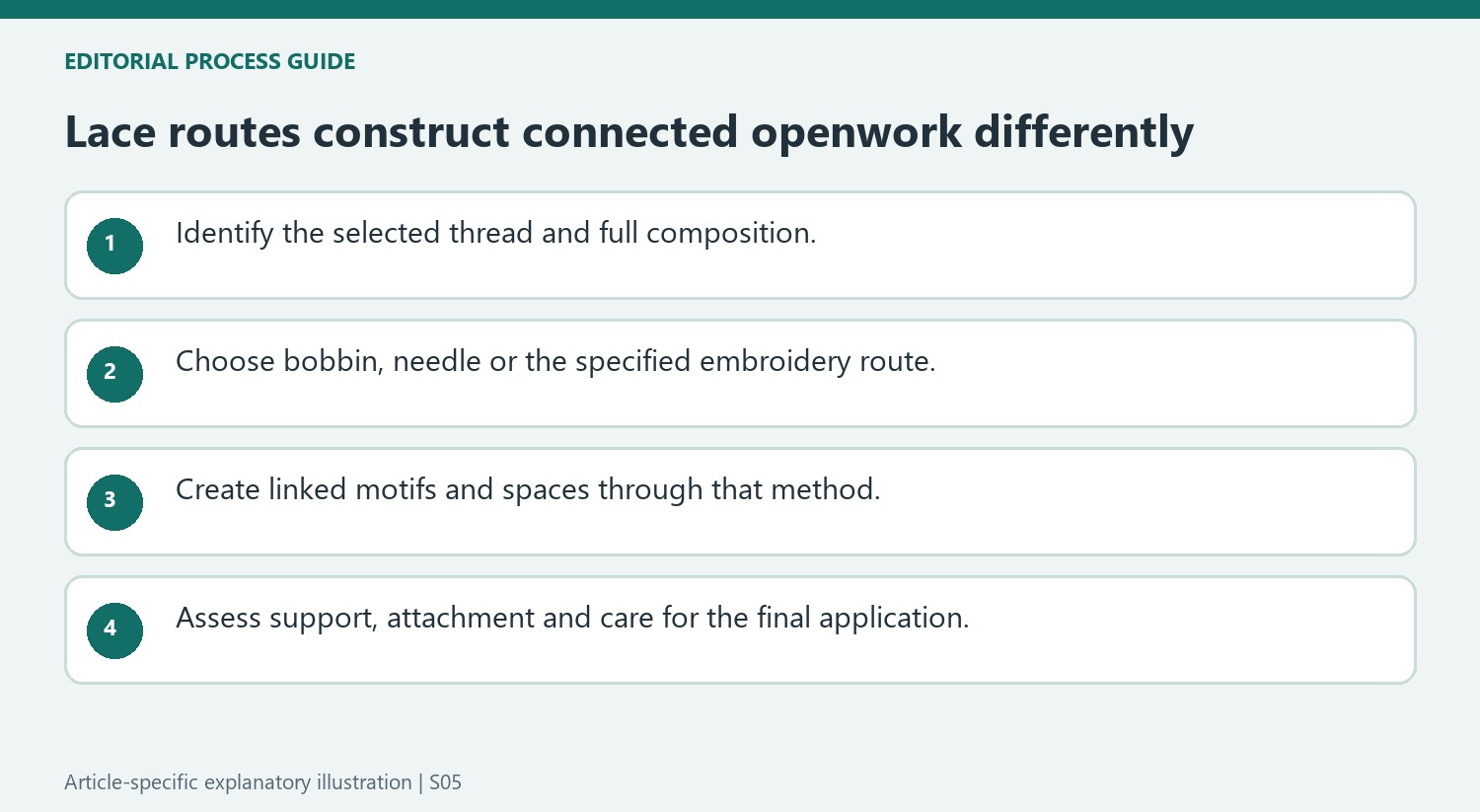
Distinguish the patterning method from the chosen fiber
Cotton, linen, silk, and manufactured fibers can each contribute to lace products, while the construction method describes a different part of the specification. A bobbin-lace label does not alone identify the thread material, and a silk label does not tell the buyer how the openwork was formed. Both pieces of information matter when assessing drape, handling, and care. Added beads, sequins, or other decoration introduce further components. A useful product description names the actual structure and full composition rather than relying on a broad prestige association. This is especially helpful where lace is combined with another cloth, because the completed assembly must accommodate the characteristics and maintenance needs of its different materials.
Place the openwork within the complete garment
A lace accent, an overlay, and a curtain panel occupy different roles. Some open patterns may require a supporting or covering layer in apparel, while a narrow trim can be incorporated only at an edge. The source's application range includes clothing and decorative home textiles, showing why one lace cannot be assumed suitable for every purpose. Consider the amount of openness, pattern scale, composition, and intended method of attachment. For a finished article, use the maker's care instructions, particularly where embellishments or other fabrics are present. The ornamental effect remains the attraction, but the construction and assembly determine how that effect can be used successfully in a particular product.






Comments
0