 FabricKnowledge Lab

One textile can contain several stitch functions
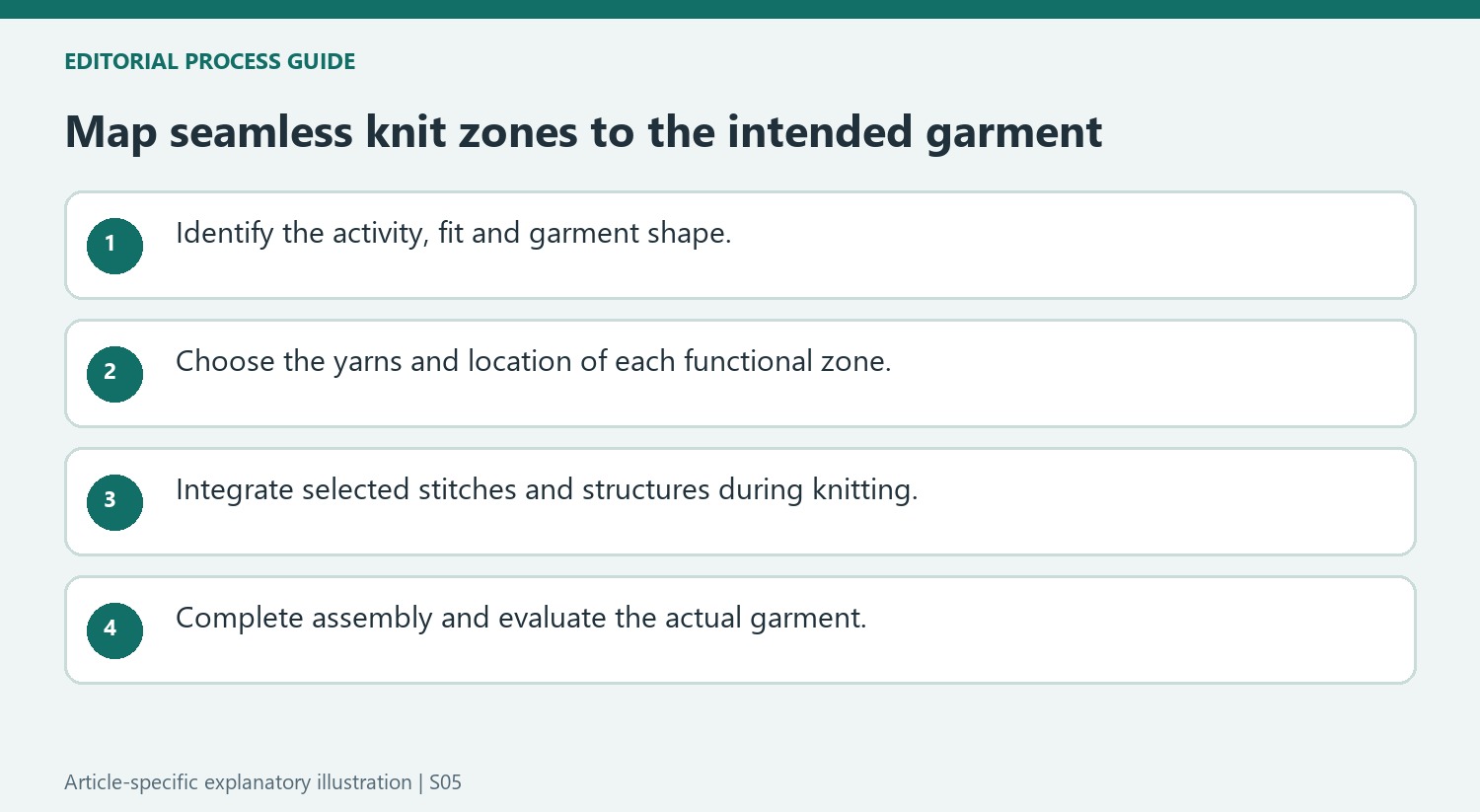
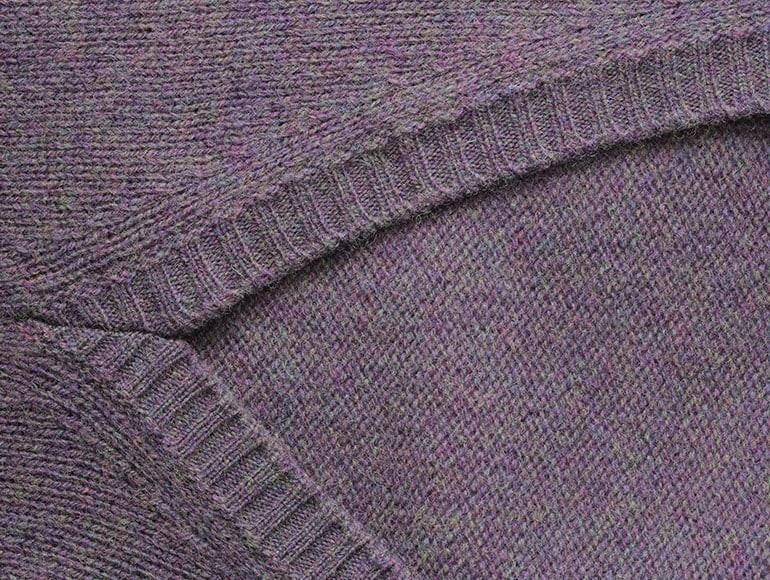
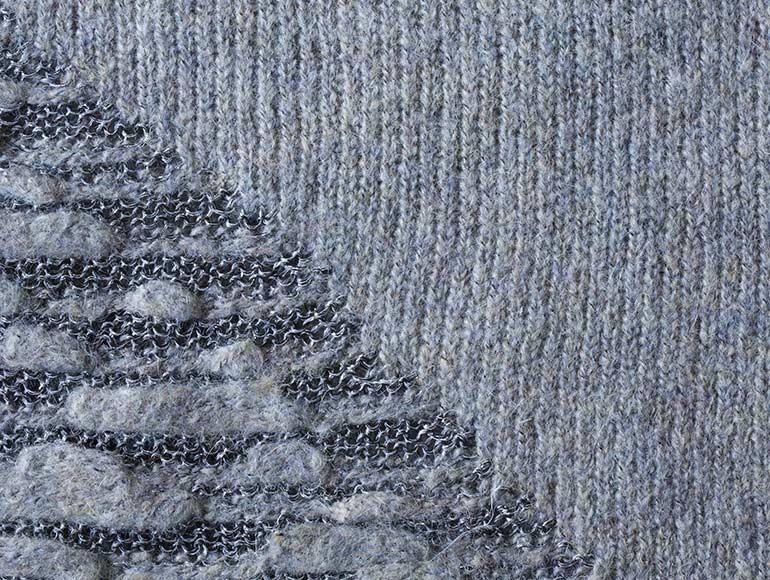
Woolmark's seamless-apparel overview emphasizes combining different stitches, yarns, colors, and structures within one piece of knitted material. This allows a designer to create zones rather than relying on a single uniform fabric. A denser section can occupy one area while a more open section appears elsewhere. The development is relevant to close-fitting activewear, intimate apparel, and other shaped garments. The central idea is integration during knitting: the variation is built into the textile, instead of every functional area being cut from a separate cloth and later joined into the product.
Fewer seams is a construction option
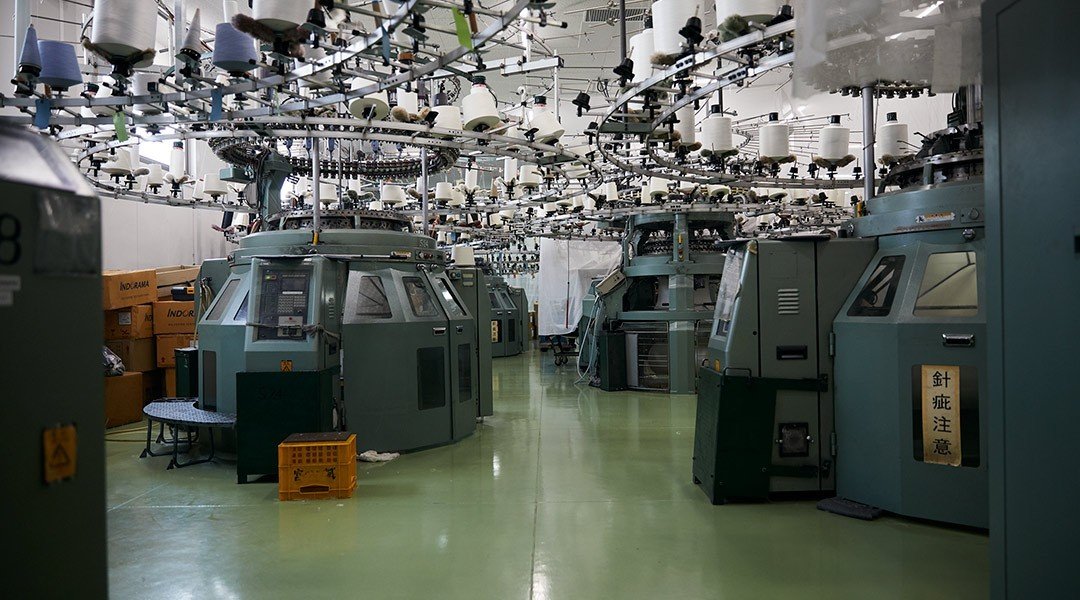
The page links seamless methods with circular knitting and computer-aided design and discusses reduced textile waste and improved next-to-skin contact. Those are reasons to consider the production route, but seamless does not necessarily mean the finished item contains no joins, trims, or finishing stages. The actual pattern and machine process determine what is formed together and what must still be attached. A complete garment may also use blended yarns or elastic components. Its composition and assembly method should therefore be specified rather than inferred from the presence of Merino yarn or the seamless label.
Collaborations demonstrate different applications
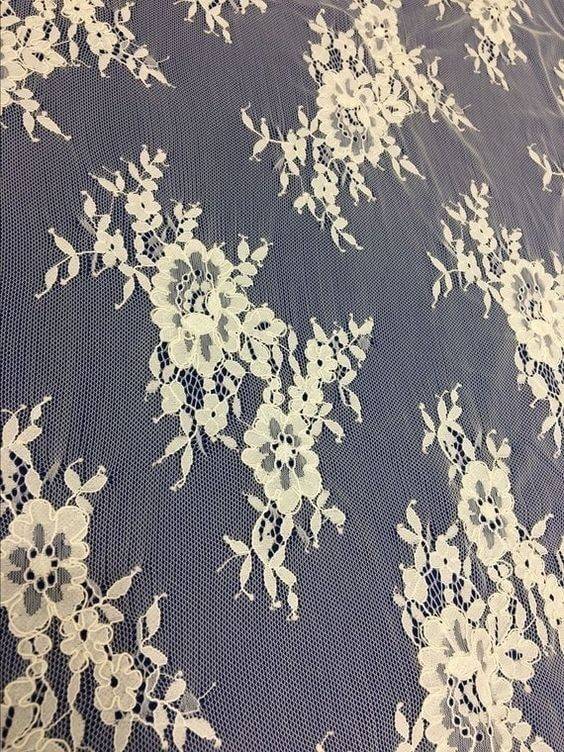
Woolmark describes work with Santoni, Südwolle Group, and Studio Eva x Carola on yoga, cycling, and intimate-apparel capsules. It also identifies Au Natural underwear using lace-inspired jacquard structures. These examples show that the same production family can create different garments, each with its own pattern, support, ventilation, and surface requirements. A knit zone intended for stretch or shaping needs evaluation within the actual product. The useful lesson is the design freedom to place structures deliberately, while measured comfort, durability, and any specialist performance claims remain tied to the completed garment and its specification.
Zoning starts with the garment's functional map
The source describes placing different knit structures on a single surface, including areas intended for ventilation, support, or shaping. That opportunity starts with deciding where those features belong in the garment. A more open structure in one area serves a different purpose from a denser or more elastic zone elsewhere. Combining them during knitting reduces the need to build every area from a separate cut panel. The useful design question is therefore how the knit map relates to the body and the intended activity. A seamless label alone cannot identify the location or effectiveness of those zones. The chosen pattern, yarn system, and completed fit remain essential parts of the description.
Different capsules demonstrate different knitting decisions
Woolmark's collaborations bring the technology into yoga, cycling, and intimate apparel. These are related examples of engineered knitting, but they place different demands on shape, contact, and movement. The lace-inspired jacquard underwear example adds a visible pattern requirement to the functional discussion. The common production family can accommodate that variation without making each product a duplicate of the others. It also does not establish one universal blend or garment weight. A useful account identifies the collaborators and the actual application, then describes the structures incorporated into that design. This keeps the technology's flexibility visible while leaving performance claims attached to the specific garment and evidence supporting it in use.
Reduced joining still needs a complete assembly description
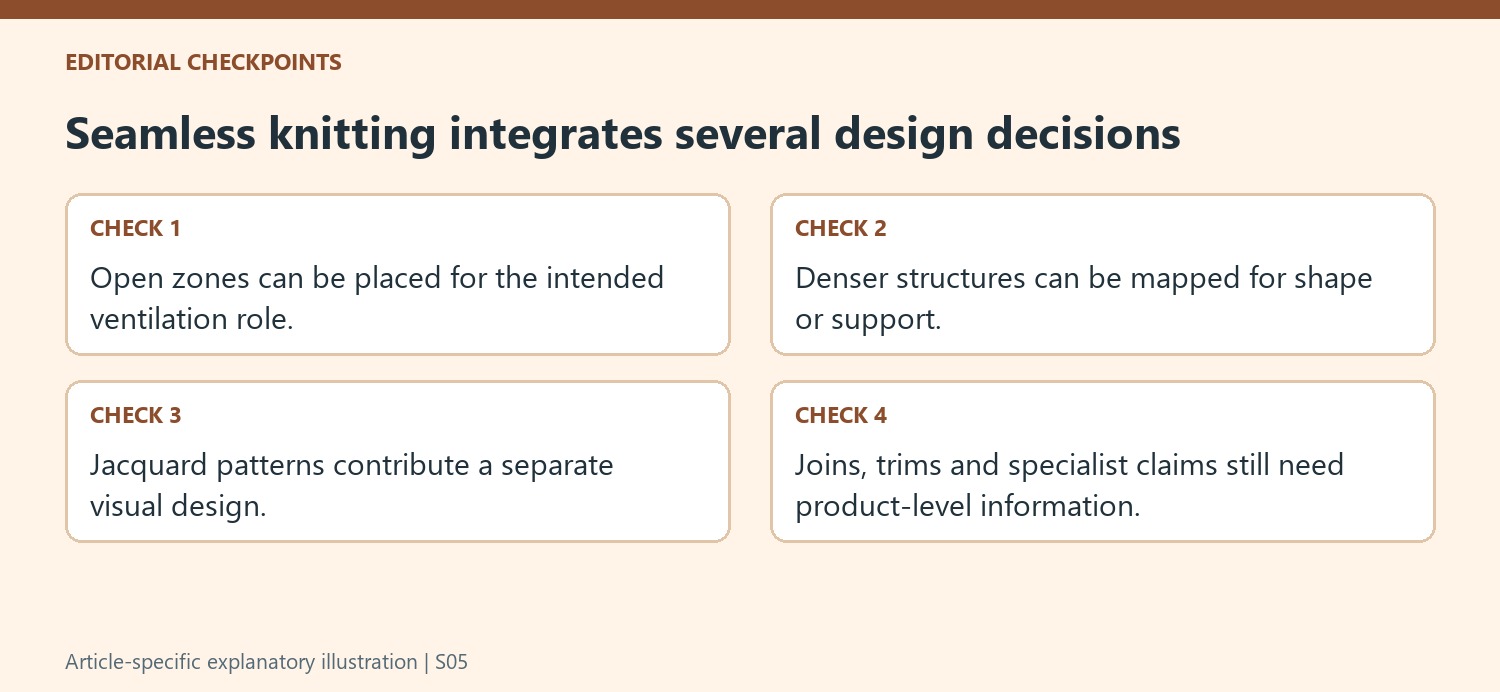
Producing more of a garment in one knitted piece can change cutting waste and the number of seams, as the source emphasizes. The completed product may nevertheless include openings, trims, attached parts, or finishing operations. Those details should be recorded before calling it entirely free of joins. Likewise, compression structures described in an apparel overview are not automatically a medically validated pressure specification. A practical assessment examines the actual product, its full yarn composition, and the intended role of each area. The strength of seamless knitting is its ability to integrate design choices during production. The final garment still needs evaluation for fit, care, durability, and whatever specialist function its supplier claims.
References
- ADVANCED KNITTING TECHNOLOGY. The Woolmark Company.





Comments
0