 FabricKnowledge Lab
Two animal fibers with confusing names
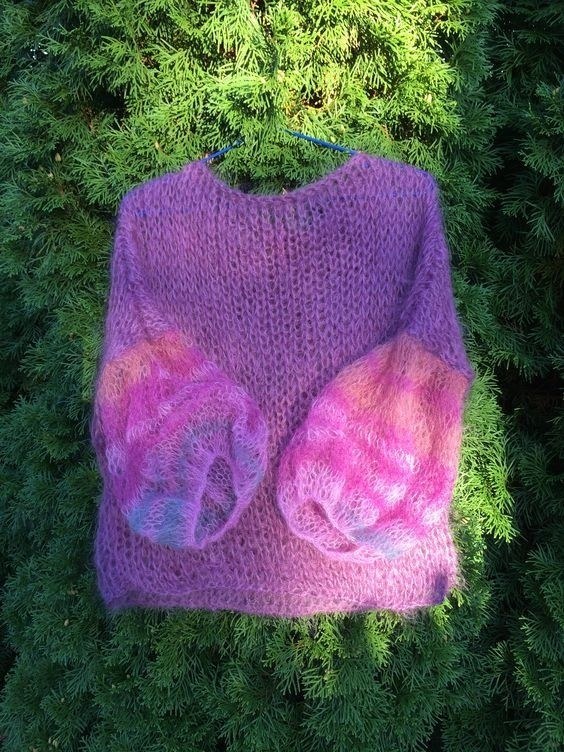
Mohair comes from the hair of Angora goats. Despite the shared Angora name, it is different from the fiber obtained from Angora rabbits. Sewport's overview identifies luster as one of mohair's characteristic attractions, helping explain its use in garments where the yarn's surface is part of the design. Mohair is often blended with other fibers rather than used alone. The finished label therefore matters: a garment described as a mohair blend may contain several materials, each contributing to its feel, appearance and behavior.
From fleece to a usable yarn
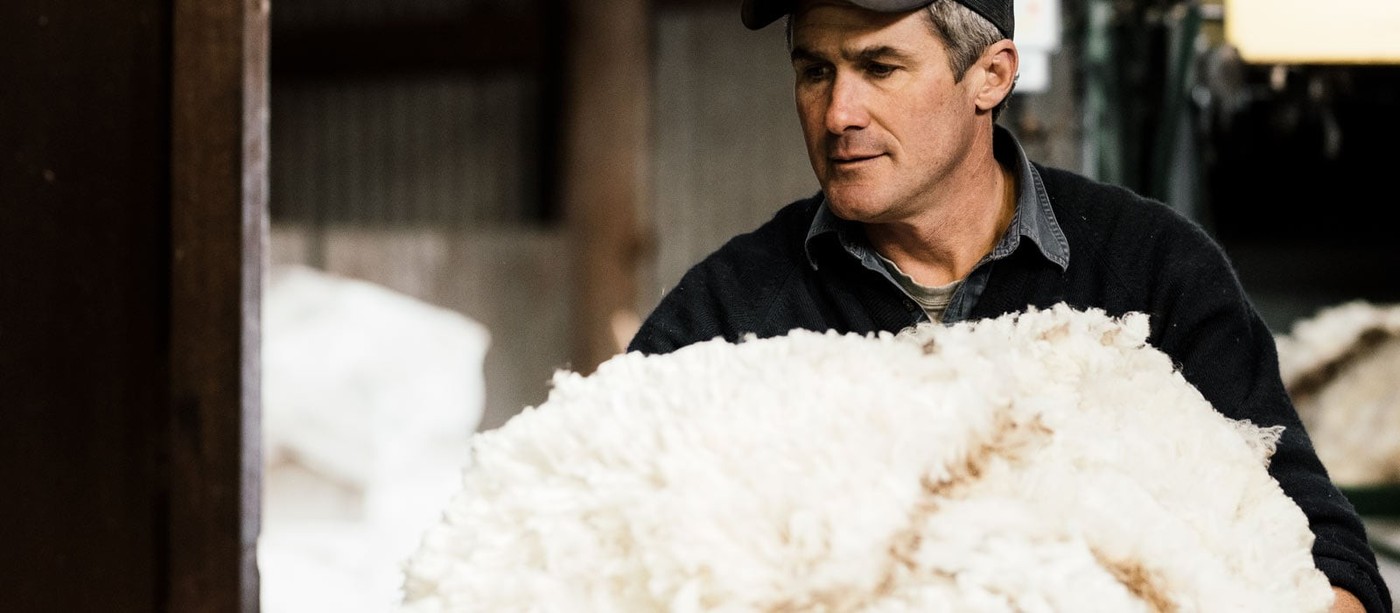
The production sequence begins with shearing, followed by washing to remove impurities. The cleaned fibers are carded into a more organized form and then spun into yarn for subsequent textile production. Fiber selection is important within that process. The source distinguishes finer hair from younger goats from the coarser hair associated with older animals. This helps explain why the name mohair covers materials intended for different applications. A fine apparel yarn and a sturdier furnishing yarn need not have the same handle, even when both include hair from the same animal species.
Look beyond shine when comparing products
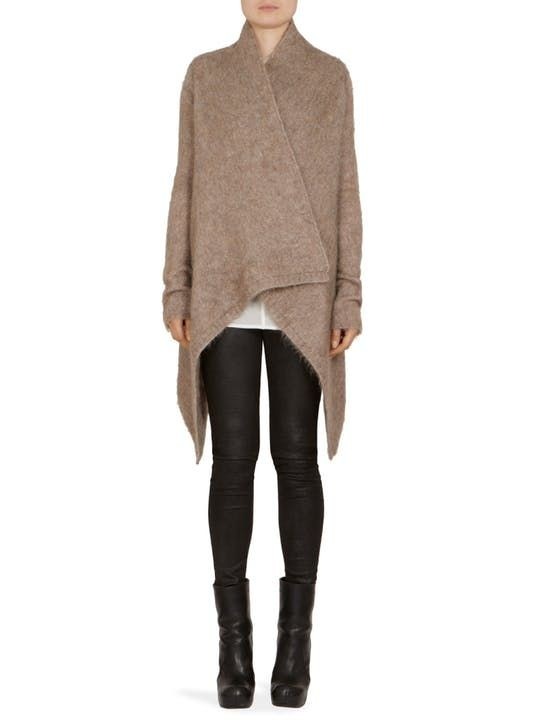
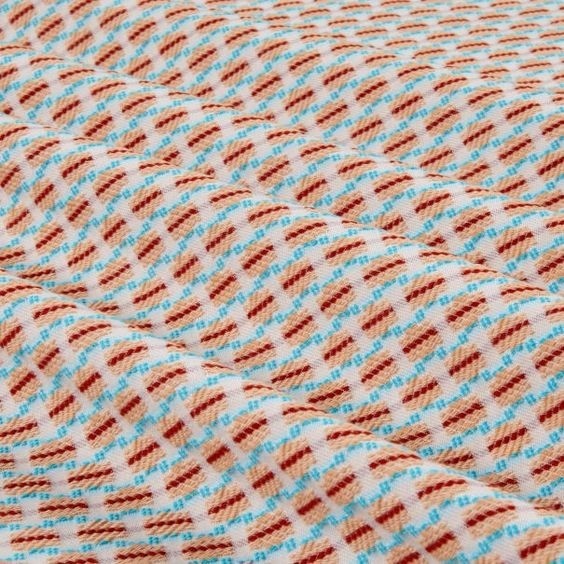
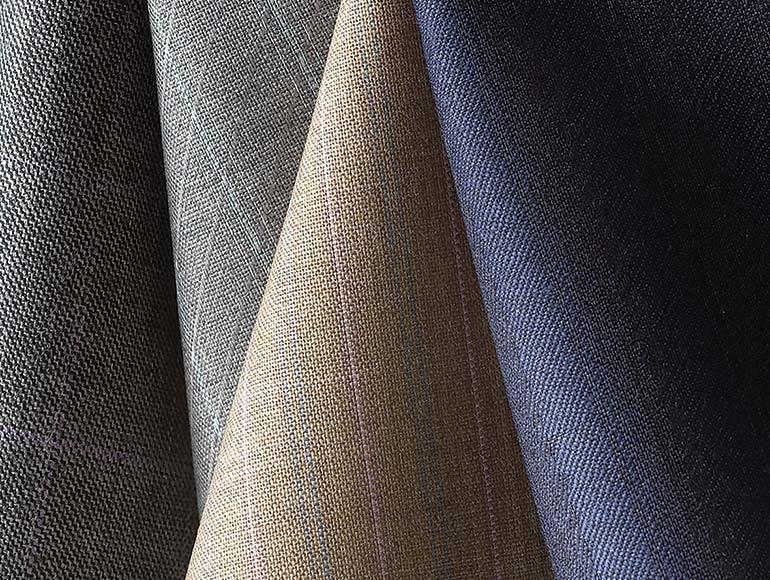
Sweaters, scarves, coats and suits are among the clothing applications described in the guide. Mohair is also used in upholstery, rugs and craft yarns. These examples show how its visual character can be applied at different scales, from a soft garment surface to a decorative interior textile. The proportion of mohair, the other fibers in a blend and the fabric construction all deserve attention when comparing items. Care instructions should come from the finished product's label rather than an assumption that animal hair is automatically washable. Mohair's identity is clear, but a specific product requires a more detailed description.
Identify the animal before interpreting the yarn name
Angora goats supply mohair, while Angora rabbits supply a different animal fiber commonly called Angora. The shared name can therefore mislead someone reading a short product listing. The guide makes the distinction explicit, allowing a material label to be checked against the actual source. It also notes that mohair appears frequently in blends. A yarn sold with mohair in its name may include several other fibers, so the percentages matter as much as the animal identification. This is particularly useful when comparing a brushed-looking sweater with a smoother woven product. The source category tells part of the story, while the blend and construction describe the actual textile being handled.
Fiber selection connects the fleece to its application
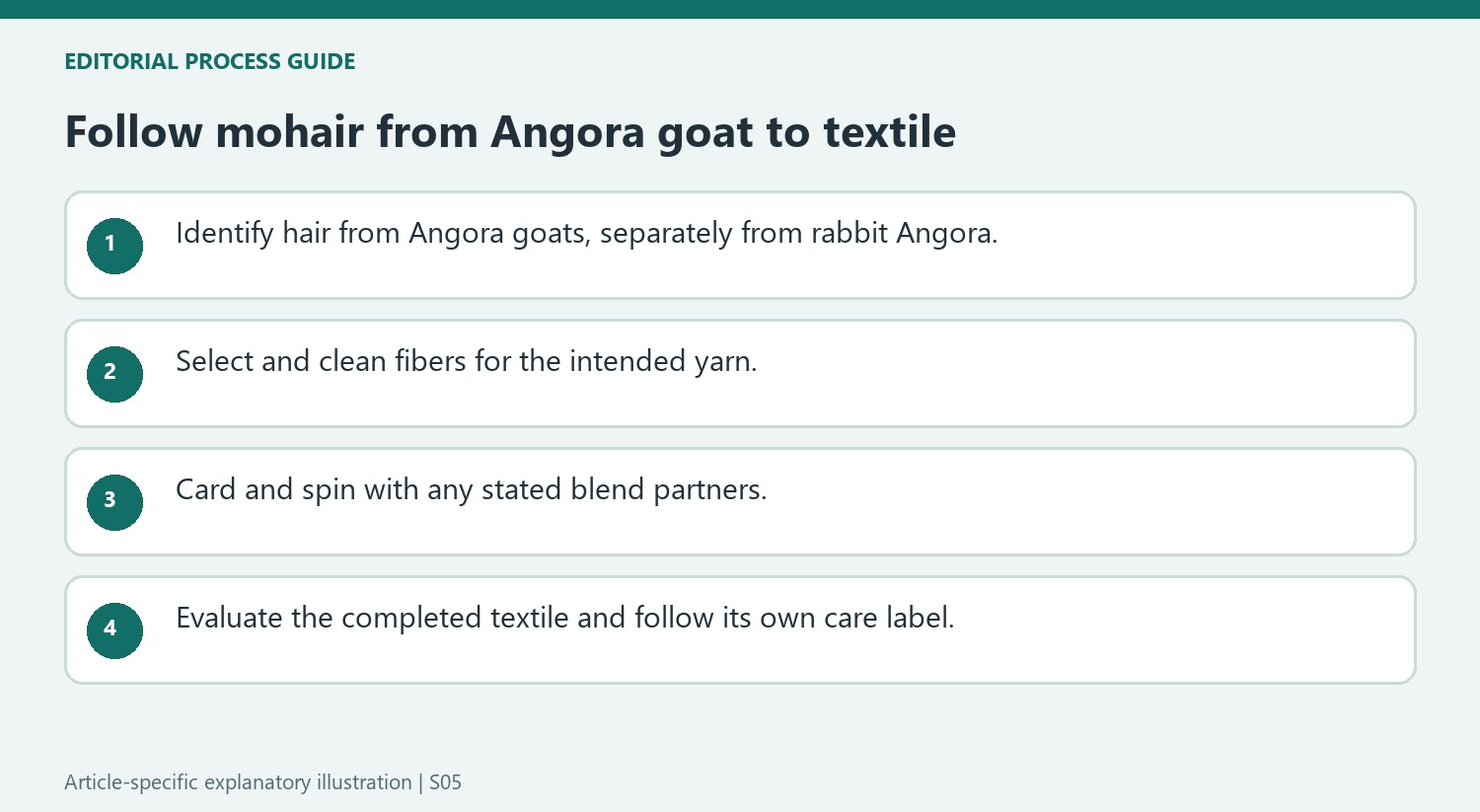
The source distinguishes finer fibers associated with younger goats from coarser fibers that can serve different purposes. That gives a practical reason for sorting the material rather than treating all harvested hair as an identical input. Washing, carding, and spinning then turn the selected fibers into yarn. The final product can be knitted or woven, with blend partners adding further contributions to handling and appearance. A furnishing textile and a fine apparel yarn can consequently use the same animal source without offering the same feel. When comparing them, identify the selected fiber quality and yarn construction instead of assuming that the name mohair guarantees a single level of softness or luster.
Keep luster, care, and sourcing as separate questions
A noticeable sheen is one attraction described in the overview, but it does not establish how a completed garment should be washed. The source's broad claims about resistance to felting should not be turned into permission to ignore the care label, especially where other fibers or finishes are present. Farm practice and sourcing evidence are separate again: appearance cannot demonstrate animal-welfare conditions. A useful description brings the full composition, intended application, maintenance information, and documented sourcing together while preserving their different roles. This allows the visual quality of mohair to be discussed clearly without making it stand in for measured garment performance or for information about how the fiber was obtained.






Comments
0