 FabricKnowledge Lab
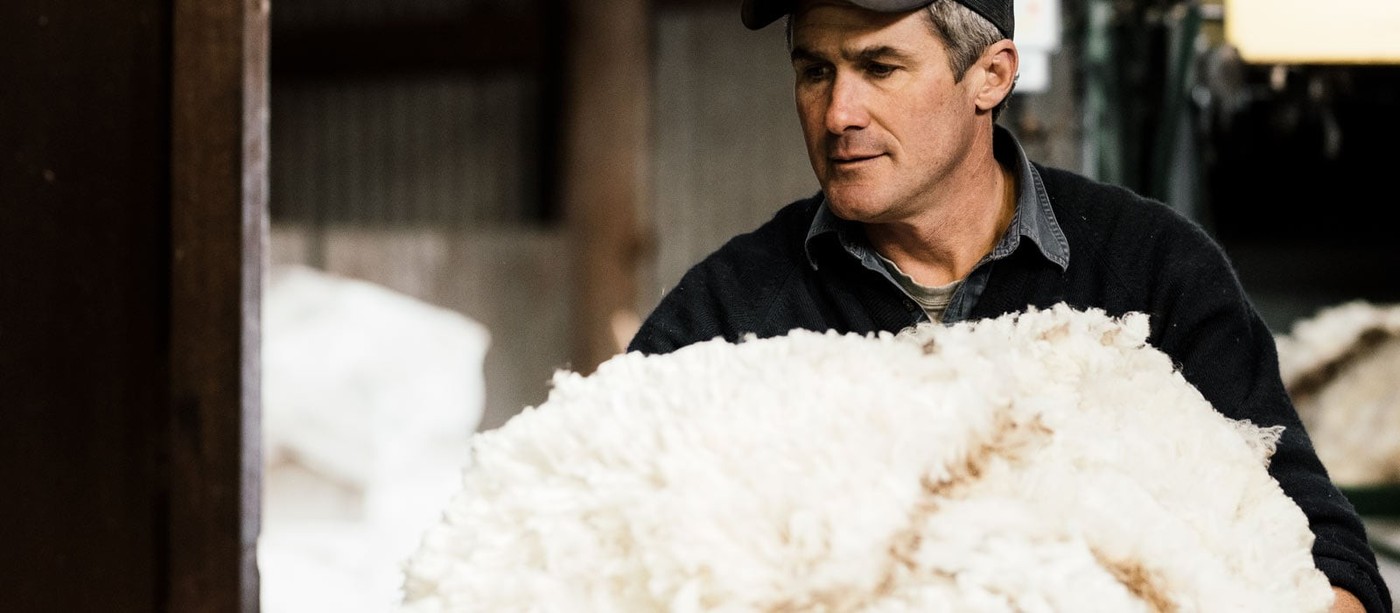
Wool is a fiber grown by sheep
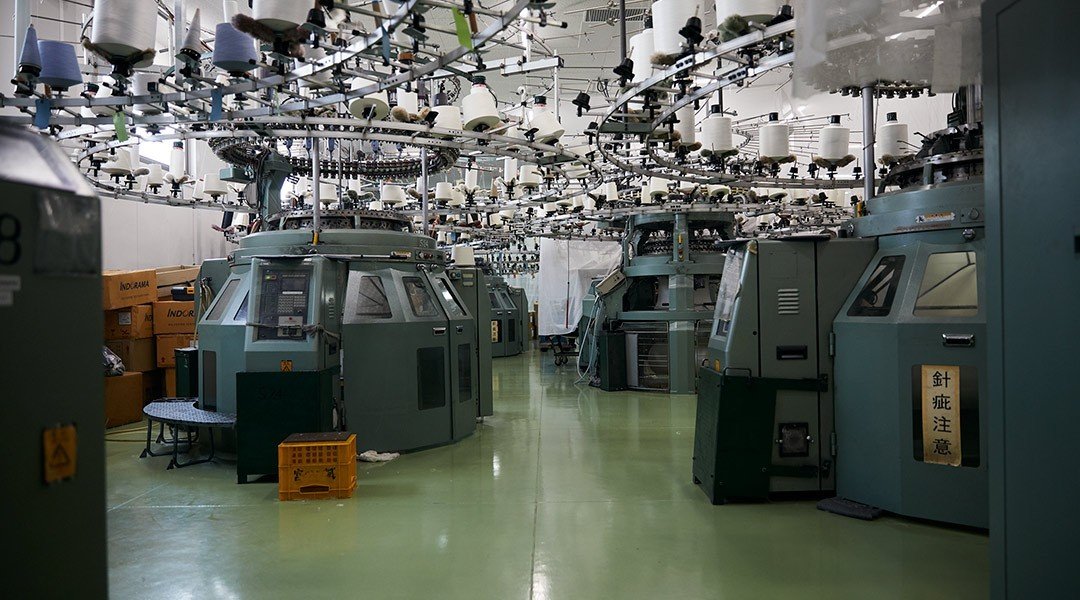
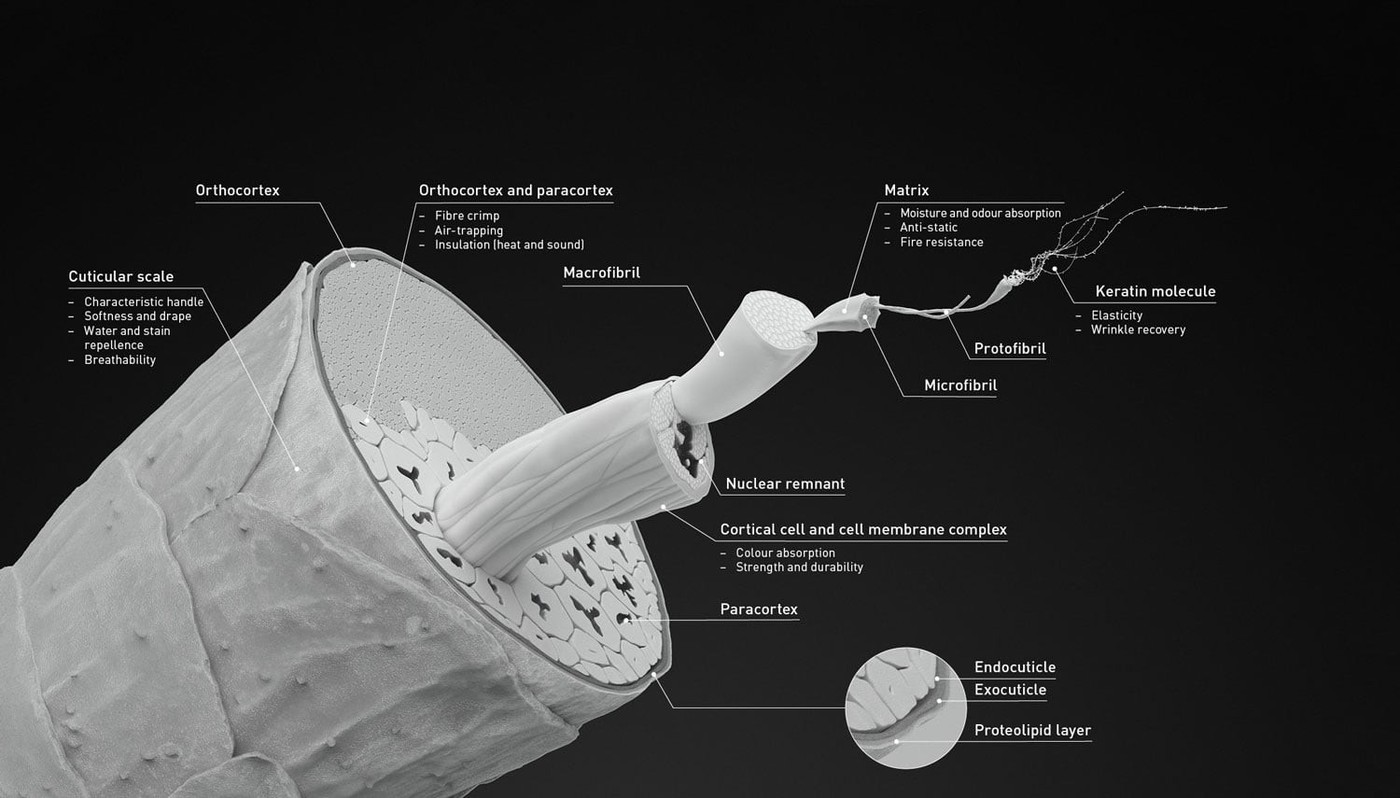
Woolmark's Merino overview identifies Merino sheep as the source of the wool used in many fine apparel textiles. The fleece grows again over time and is harvested for processing into yarn and other products. Wool is largely composed of keratin, and the surface of its fibers has a scale structure relevant to felting and handle. These features describe the raw material, not a complete garment. Cleaning, fiber preparation, spinning, weaving or knitting, and finishing still determine how a fleece becomes a particular clothing or household textile.
Diameter and length guide different uses
The page separates finer, medium, and broader wool categories and explains that fiber diameter is measured in microns while length is measured in millimeters. A micron is one millionth of a meter. These measurements answer different questions: diameter influences contact and processing choices, while length matters to how fibers can be prepared and spun. Woolmark connects fine Merino with soft-handling apparel and broader fibers with uses such as carpets. This range helps explain why one person's experience of a coarse furnishing textile should not be treated as a description of every fine wool base layer.
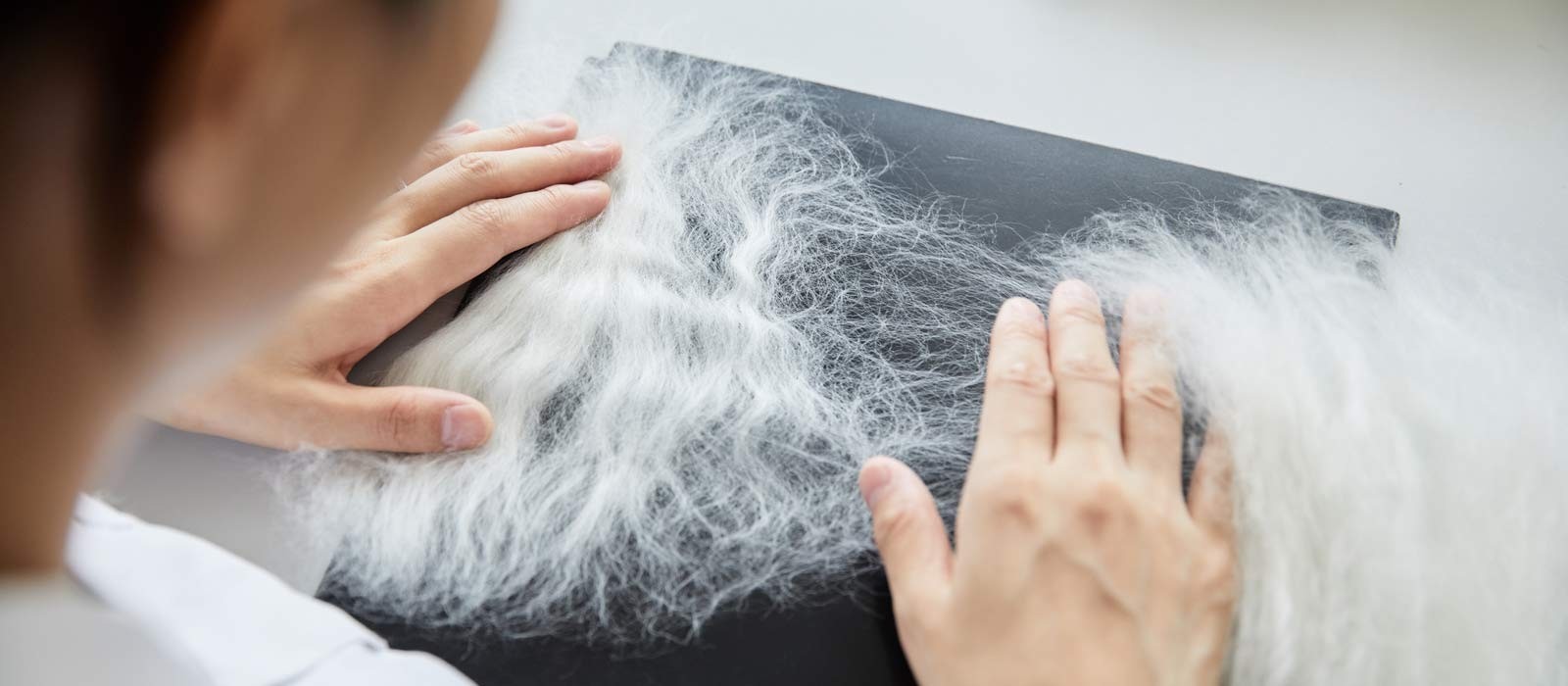
Breed names and luxury comparisons need context
The overview contrasts Merino sheep wool with cashmere from goats and notes that particularly fine Merino can overlap with other luxury fibers in diameter. That does not make the two materials identical or establish that every Merino product is finer than every cashmere product. The actual fiber specification and finished construction matter. A useful label identifies the wool source and full blend, while supporting information can provide diameter, yarn, and care details. Merino names an important source category within wool; the complete textile specification explains the feel, function, and maintenance of the product made from it.
Read diameter and length as separate measurements
A micron value describes fiber diameter, while the length measurement describes how far the individual fiber extends. Woolmark presents both because they relate to different aspects of fiber selection and processing. A diameter comparison can help explain why a fine apparel wool differs from a broader furnishing wool, but it does not state the staple length or yarn construction. Conversely, a length figure cannot independently establish next-to-skin softness. A useful specification keeps the measurements separate and identifies the actual material supplied. This is more informative than relying only on the word fine, which introduces a relative description without telling the maker which fiber measurements are available for the intended textile route.
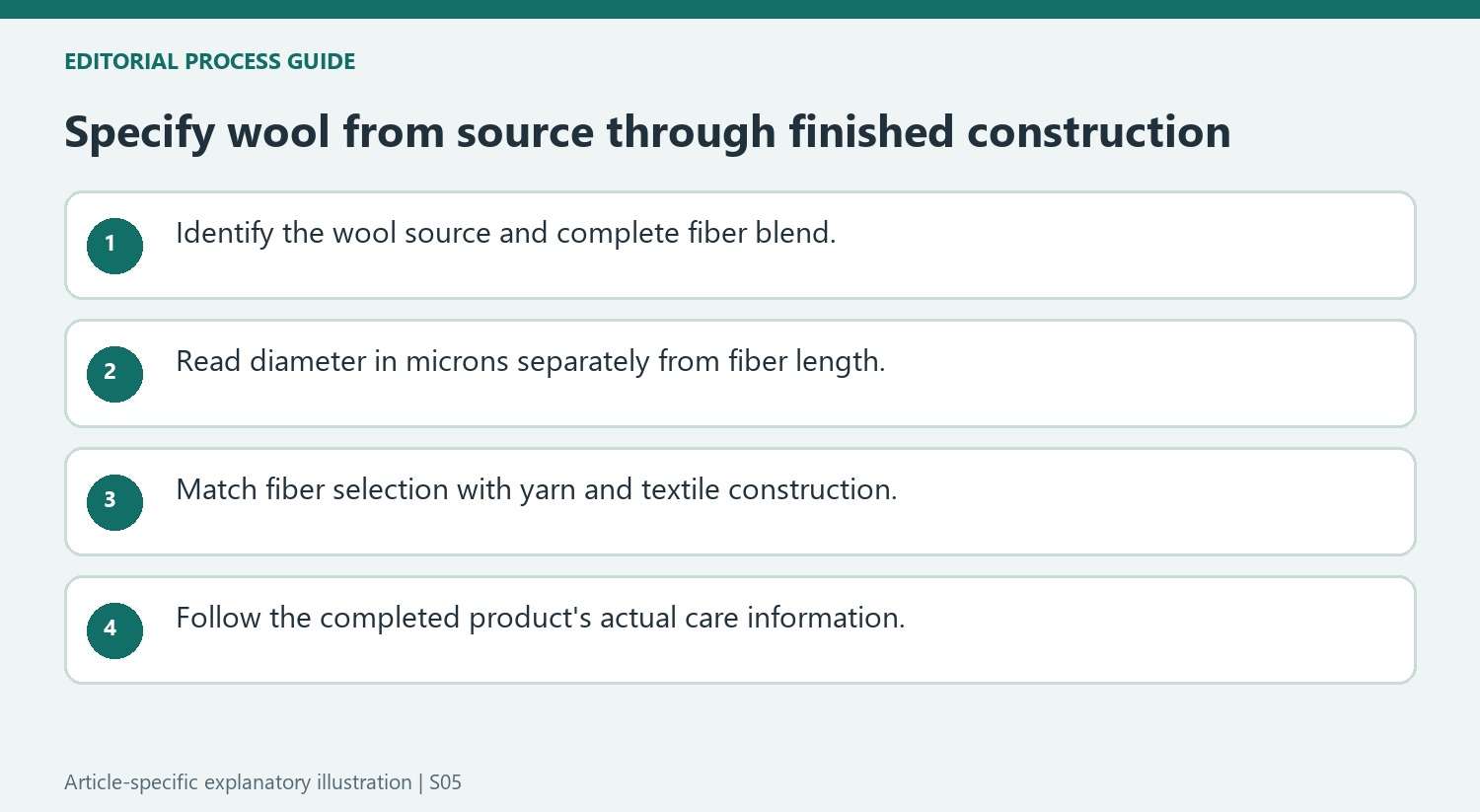
Place Merino within the wider wool application range
The page links fine Merino with soft-handling apparel and describes medium and broader wool categories for other uses. This range explains how wool can appear in both next-to-skin garments and carpets without those products having the same surface or performance. The application follows fiber selection and subsequent processing, not merely the presence of animal protein. Merino itself names a sheep source category rather than a finished knit or weave. A garment may also include additional fibers, so its full blend still needs to be stated. The practical comparison combines source, fiber measurements, yarn, and construction, giving a clearer explanation of the item than a breed name or broad luxury description alone.
Keep renewal and garment maintenance in context
A sheep grows fleece that can be harvested again, which is the renewable-input story emphasized in the overview. Turning that fleece into a garment still requires preparation, yarn production, fabric formation, and finishing. The final product's care suitability belongs to those later choices as well as the original fiber. Some wool garments permit machine washing, but that does not create one universal washing rule for every Merino item. Likewise, overlap between particularly fine Merino and cashmere in diameter does not make sheep wool and goat down identical. Preserve the actual source and finished specification when discussing softness, blend, and care, instead of using a single favorable comparison to stand in for all of them.
References
- What is Merino wool & how is it made?. The Woolmark Company; The Woolmark Company.



Comments
0