 FabricKnowledge Lab
-
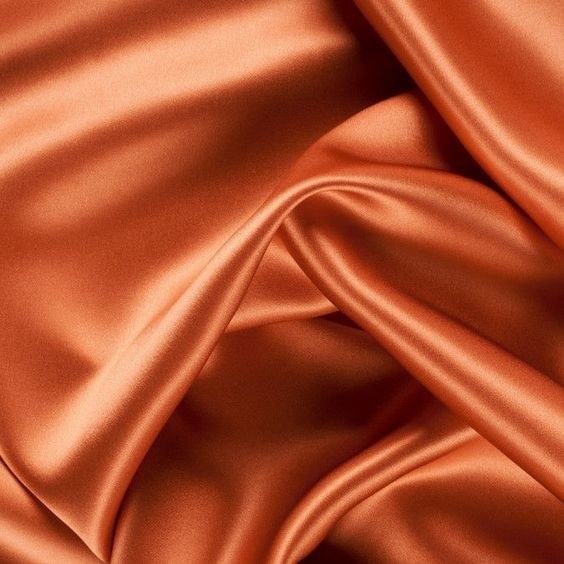
Silk Fabric Characteristics: Silk's Shine Comes from the Fiber Itself
Silk is a protein-based textile fiber associated primarily with silkworm cocoons. Silk is a fiber, while many familiar silk names describe the fabric made from it.
-
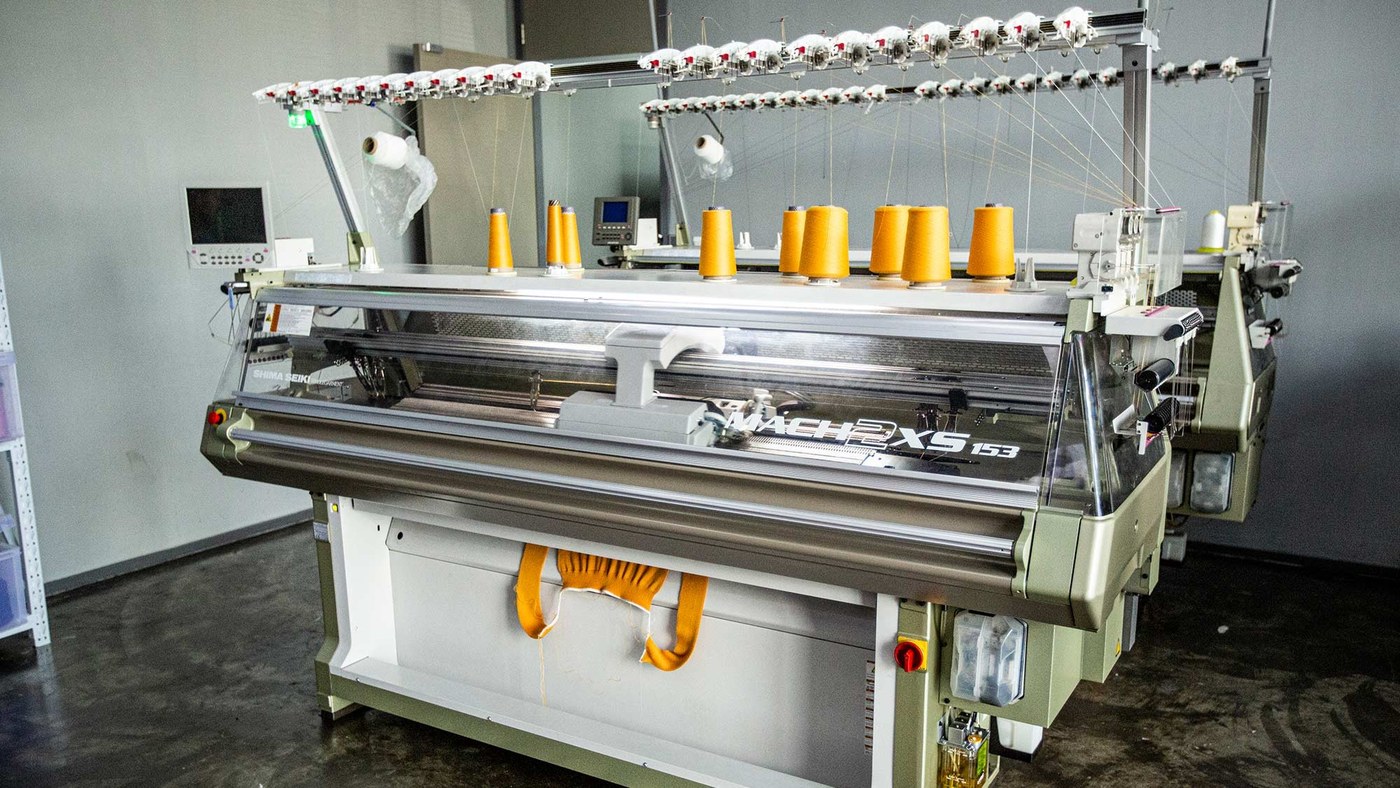
Flat-Bed Knitting Integrates Wool Garment Details During Production
Stitch transfer and machine configuration can create textures, pockets, and trims within knitted wool pieces.
-
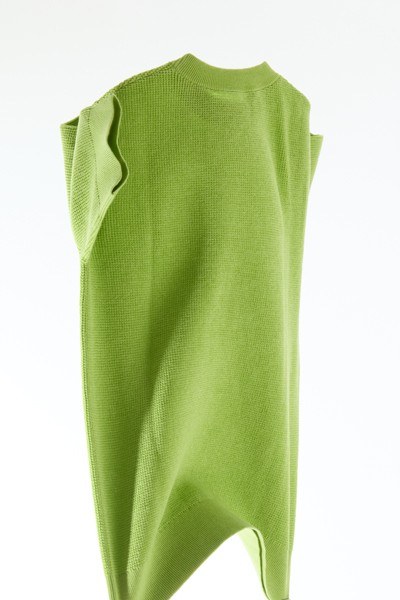
Color Wool Yarn by Applying Pigment Within the Fiber Bundle
QuantumCOLOUR uses pigment and binder before drying and curing wool yarn.
-
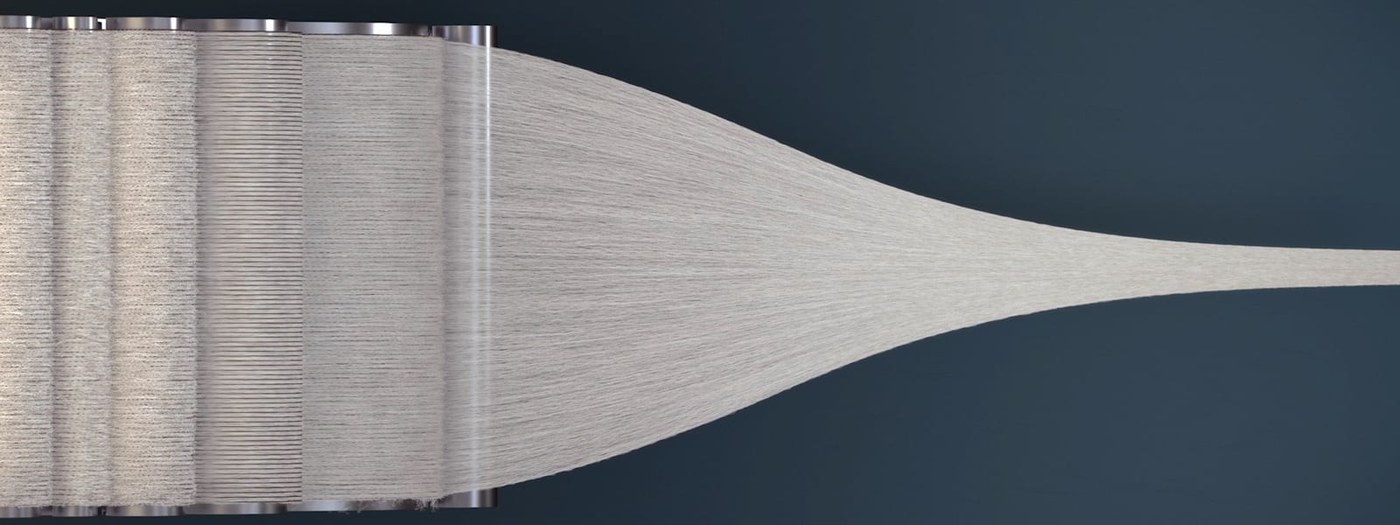
Why Machine-Washable Wool Needs Protection Against Felting
Treatments modify wool's scaled surface to reduce interlocking during washing.
-
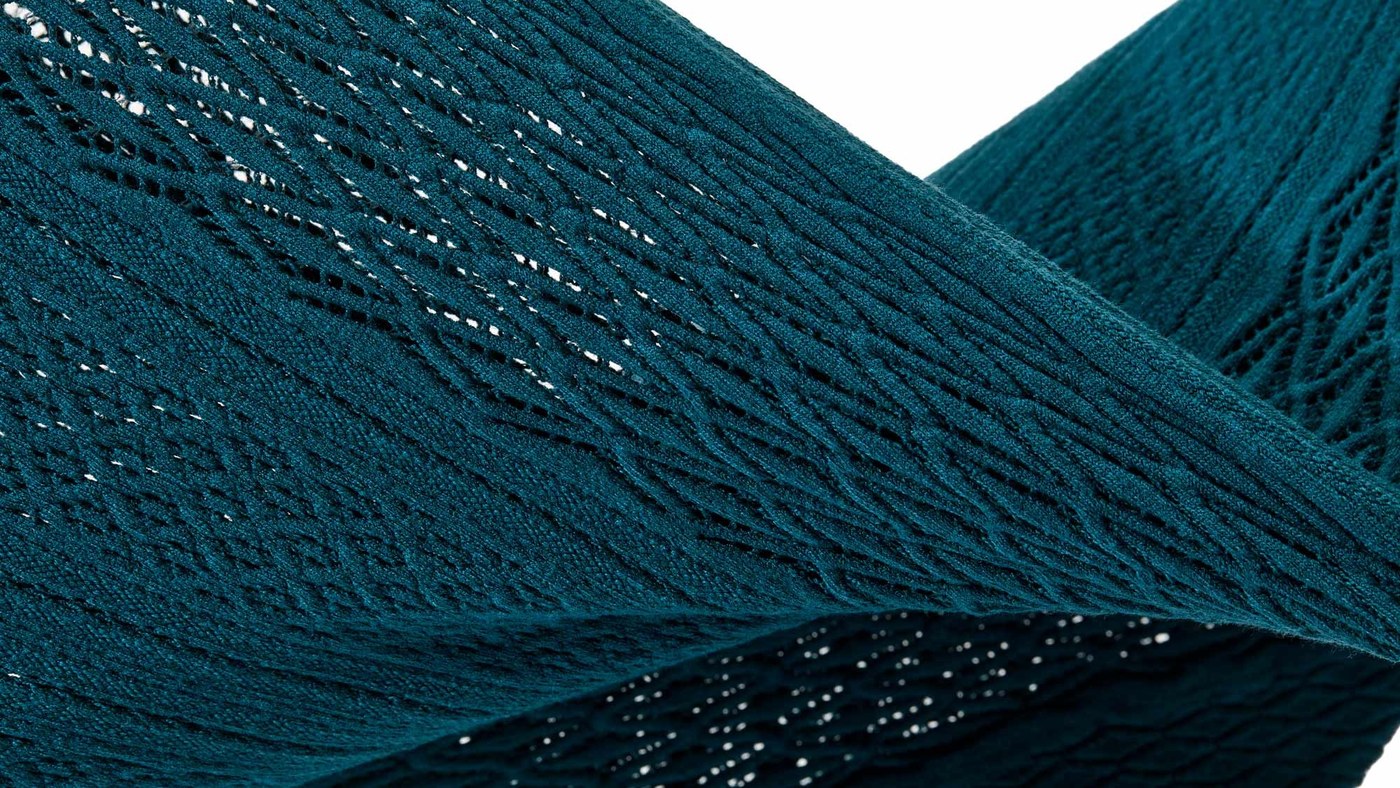
Warp Knitting Builds Wool Fabric from Parallel Yarn Systems
A series of guided yarns forms interlocked loops rather than the path used in weft knitting.
-
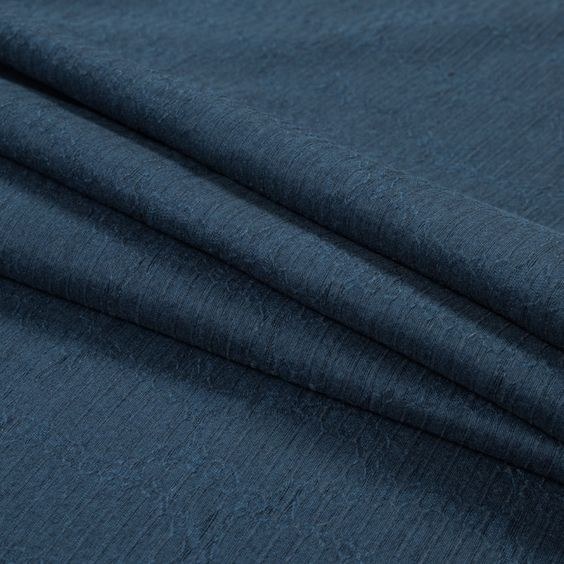
Prepare Wool Before Applying an Inkjet Fabric Design
Digital wool printing requires preparation, dye application, steaming, and removal of unbound material.
-
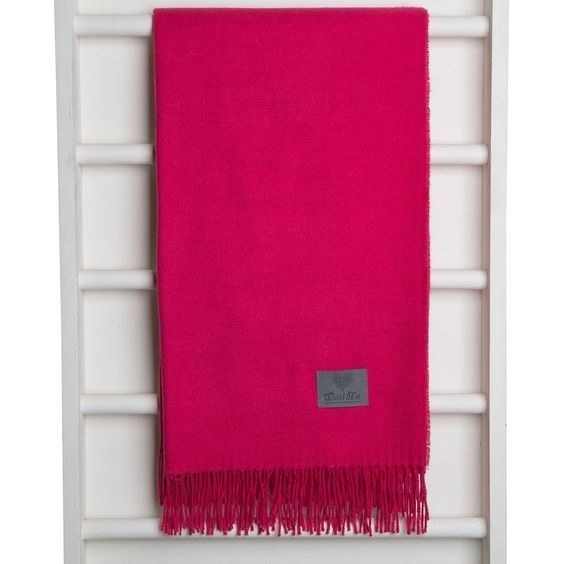
Merino and Other Wool Fibers: Alpaca Fiber Changes with Breed and Processing
Huacaya and Suri alpacas both produce valued textile fibers, but the source describes differences in their structure. Merino is one member of a much wider animal-fiber landscape.
-
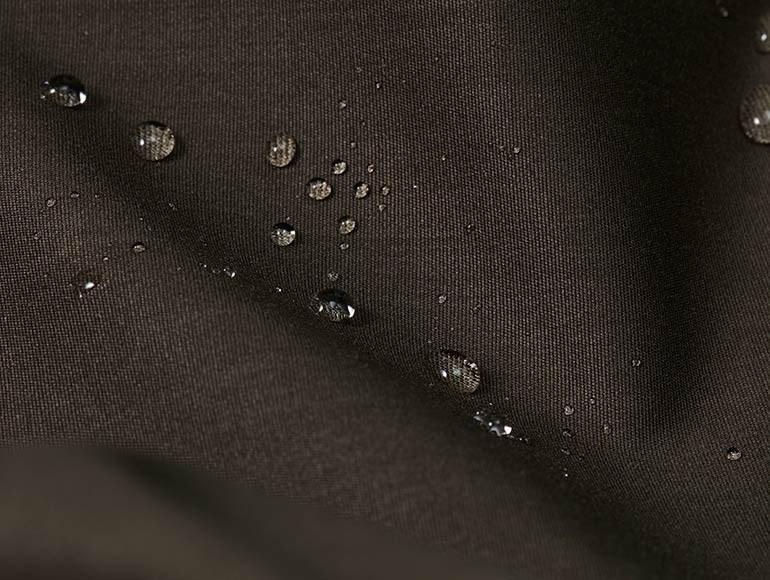
Compact Merino Weaving Creates the Character of Neulana Protect
Pre-stretched wool yarns contract during finishing to form a dense outerwear fabric.
-
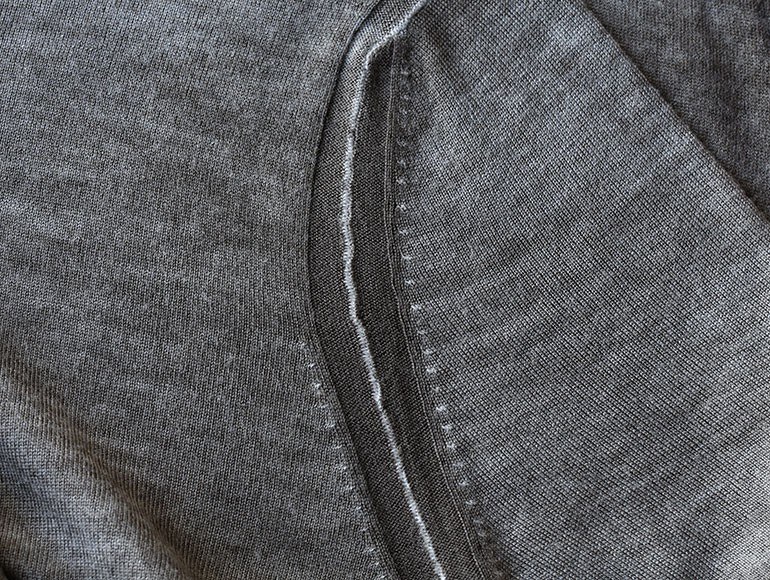
Create a Worn-In Wool Appearance During Controlled Garment Dyeing
Merino Vintage Knits uses deliberate differences in dye uptake to form a washed visual effect.
-
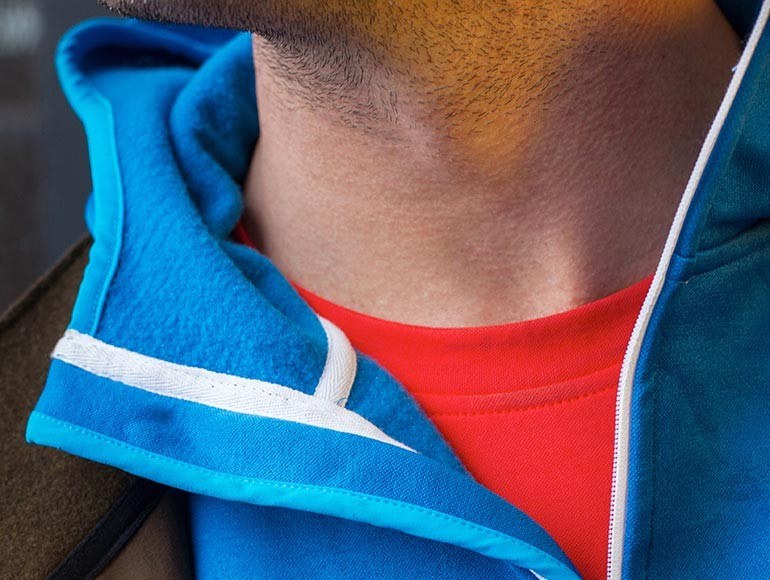
Treat Merino Differently for Liquid Water and Moisture Vapor
A hydrophilic finish supplements wool's natural vapor handling with faster liquid wetting.
-
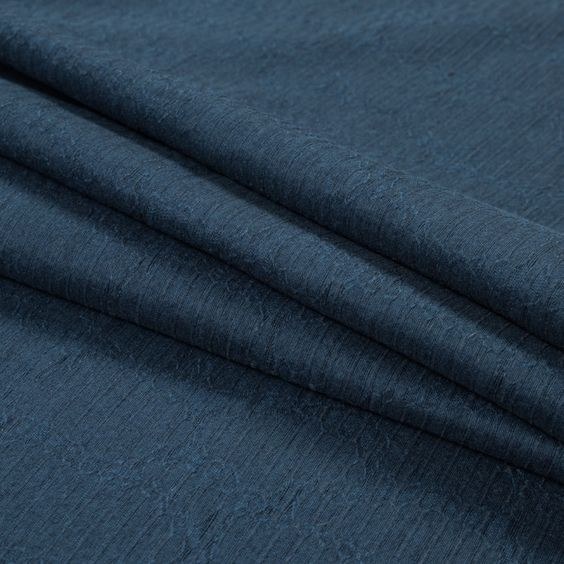
Add Printed Relief to a Merino Fabric Base
Three-dimensional printing can place decorative shapes directly on wool and wool-blend textiles.
-
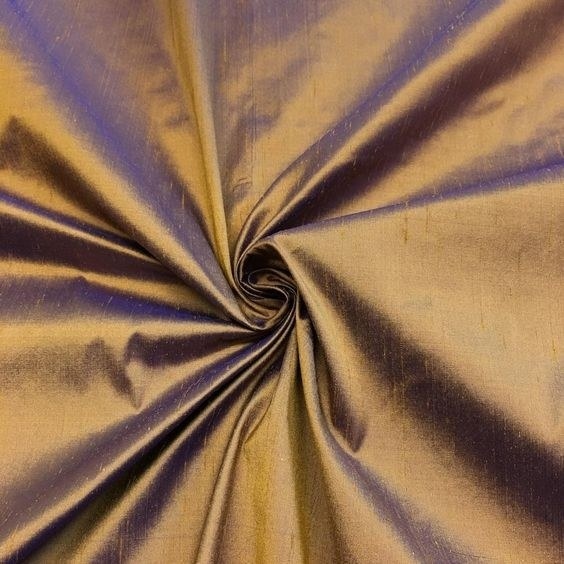
Silk Fabric Characteristics: Shantung Uses Surface Irregularity as a Feature
Shantung is associated with silk and irregular raised lines called slubs. Silk is a fiber, while many familiar silk names describe the fabric made from it.
-
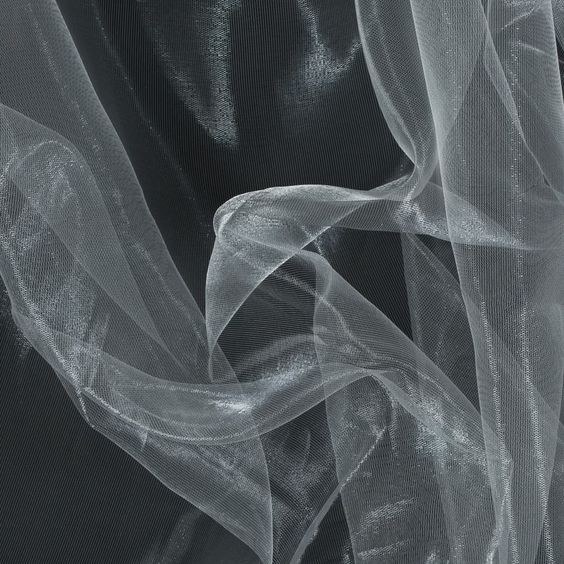
Silk Fabric Characteristics: Organza Provides a Sheer Layer with More Structure
Organza is a transparent fabric made with a light plain-weave structure. Silk is a fiber, while many familiar silk names describe the fabric made from it.
-
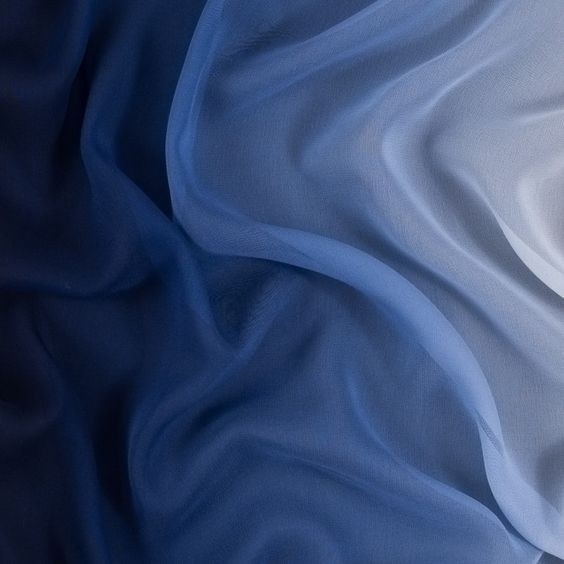
Silk Fabric Characteristics: Chiffon Describes Sheerness and Weave, Not Just Silk
Chiffon is a fine, semi-transparent fabric traditionally associated with silk but also made from polyester and other fibers. Silk is a fiber, while many familiar silk names describe the fabric made from it.
-
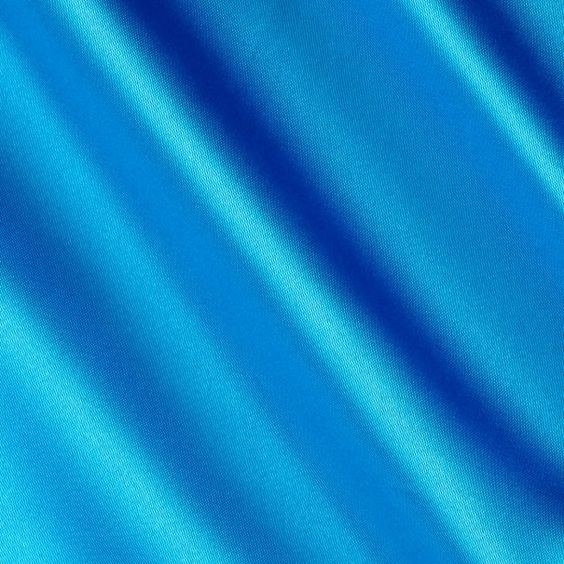
Silk Fabric Characteristics: Charmeuse Has a Glossy Face and a Quieter Reverse
Charmeuse is recognizable by a shiny face and a duller reverse. Silk is a fiber, while many familiar silk names describe the fabric made from it.
-
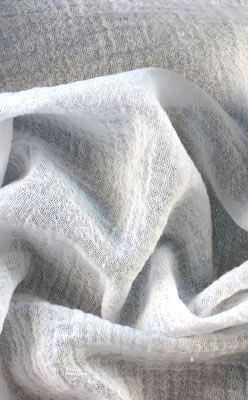
Cotton Fabric Types: Cotton Fibers and the Fabrics They Become
Cotton comes from the soft fibers surrounding cotton seeds. Cotton names can describe different things: the plant variety, the fiber quality, or the construction of the cloth.
-
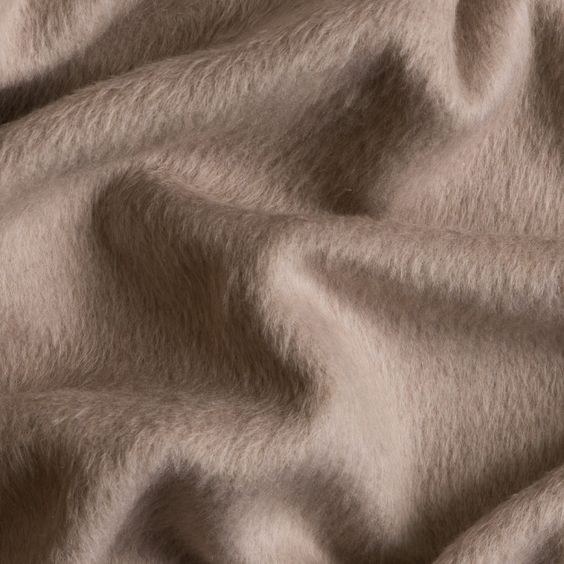
Wool Fabric Types: Camel Hair Has Different Grades and Uses
The source distinguishes the soft undercoat of the Bactrian camel from its coarser protective guard hair. Wool descriptions can identify an animal, a sheep breed, or the history of a fiber.
-
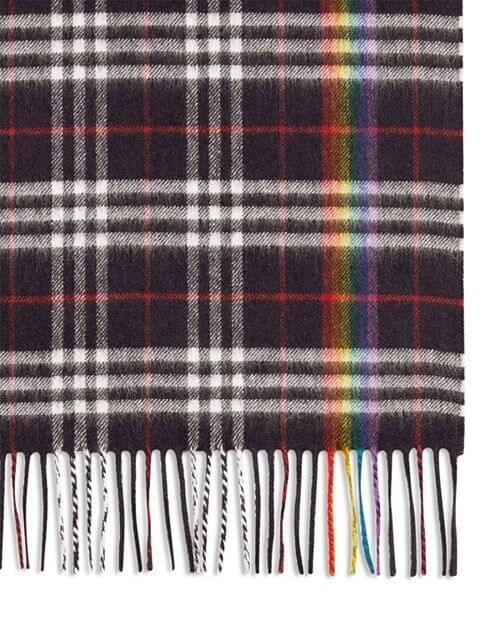
Wool Fabric Types: Cashmere Gets Its Softness from Fine Goat Fibers
Cashmere is obtained from particular goats rather than sheep. Wool descriptions can identify an animal, a sheep breed, or the history of a fiber.
-
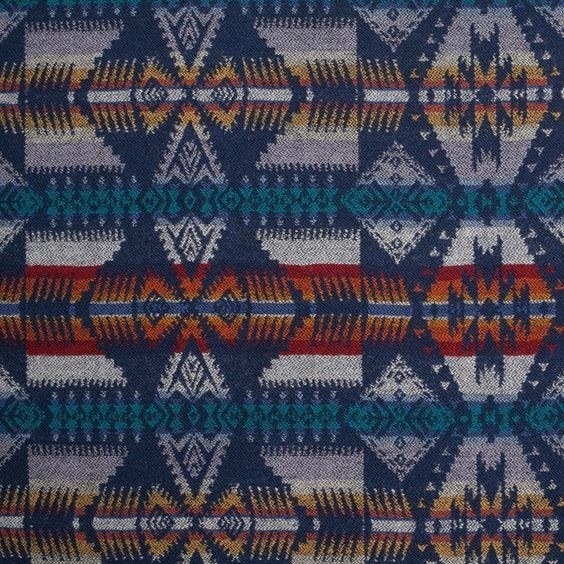
Wool Fabric Types: What Virgin Wool Tells You About a Garment
The source explains that virgin wool may refer to wool from a first shearing or to wool that has not previously been made into a textile. Wool descriptions can identify an animal, a sheep breed, or the history of a fiber.
-
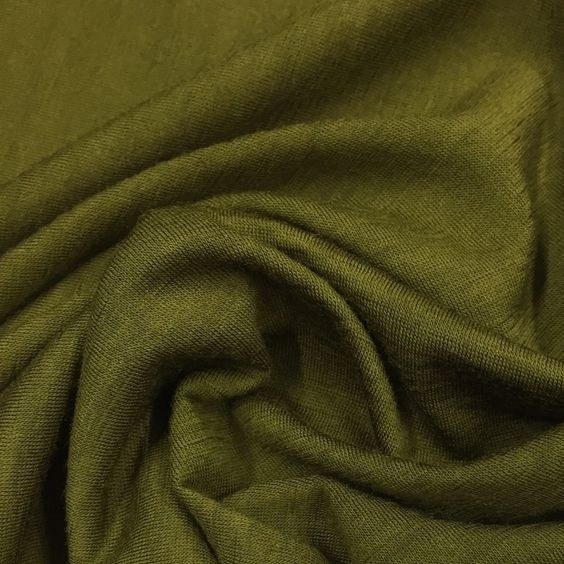
Wool Fabric Types: Merino Wool Varies by Grade and Construction
Merino wool comes from Merino sheep. Wool descriptions can identify an animal, a sheep breed, or the history of a fiber.

