 FabricKnowledge Lab
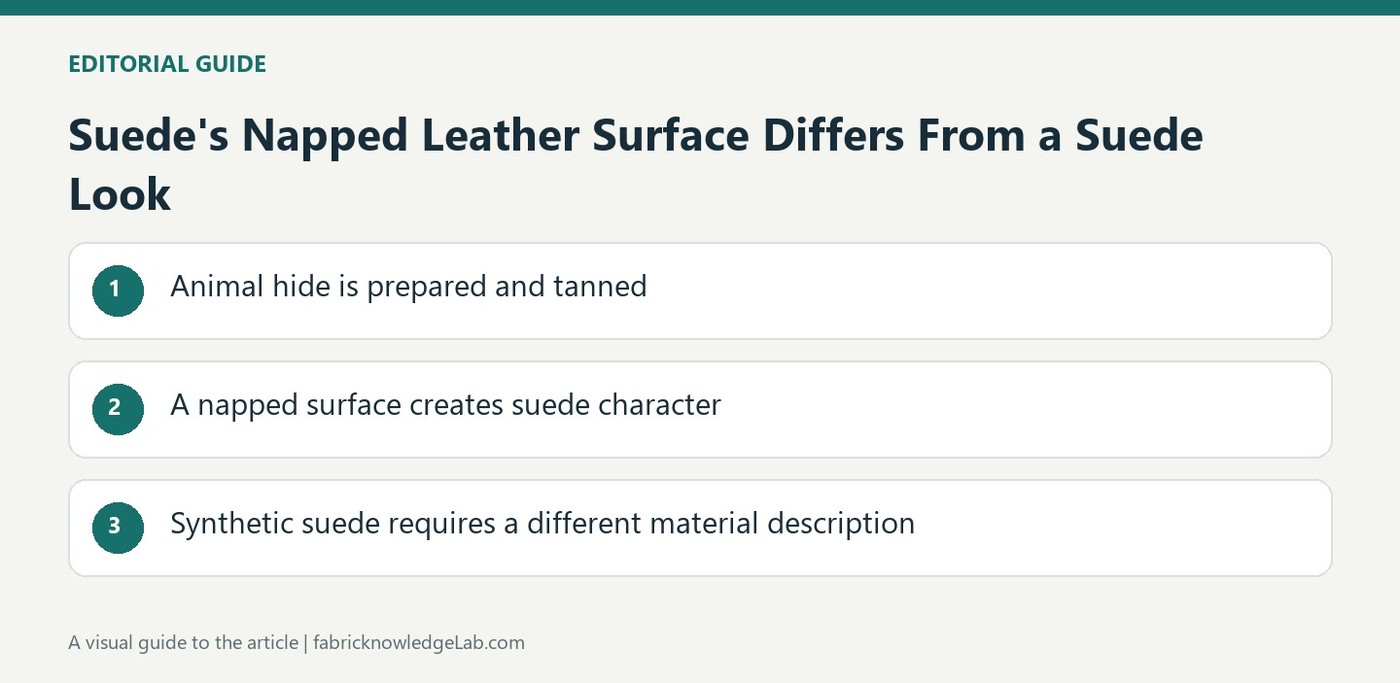
A soft appearance can come from different materials
Suede is associated with a napped leather surface, while many manufactured textiles are designed to imitate a similar look and touch. Sewport's guide discusses both animal-derived material and synthetic alternatives. The distinction is essential because the visual effect alone does not establish the underlying composition. A garment described as suede-like may use manufactured fibers and a textile backing, while leather suede comes from a processed hide. The complete label should identify which material is present instead of treating every soft, matte, brushed surface as the same kind of product.
Leather preparation and surface finishing are separate stages
The source describes preparing a hide, tanning it, and carrying out further treatments before producing the recognizable suede surface. Those stages stabilize and finish an animal-derived material rather than spinning fibers into yarn and weaving cloth. A manufactured imitation follows a different route, even if it is later cut into a similar jacket or bag. This helps explain why comparison should consider the base material and its structure, not only the final nap. Thickness, backing, finishing, and any coating can influence flexibility, strength, and how the surface responds to moisture or rubbing.
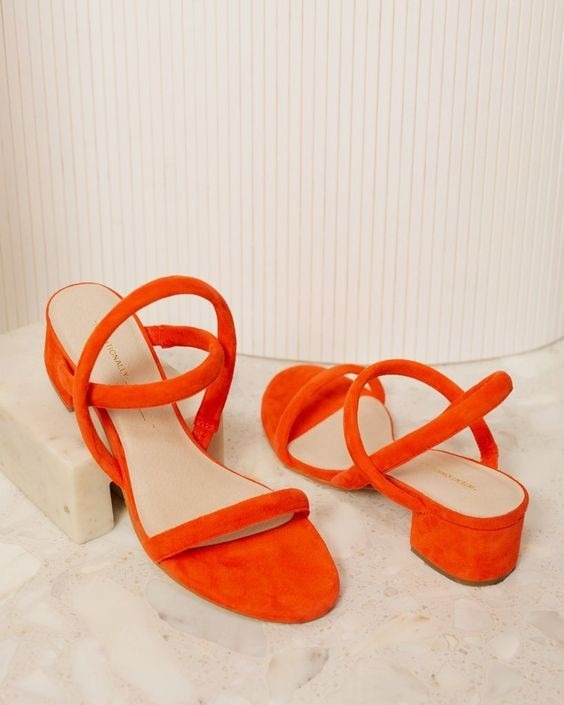
Care must match the particular article
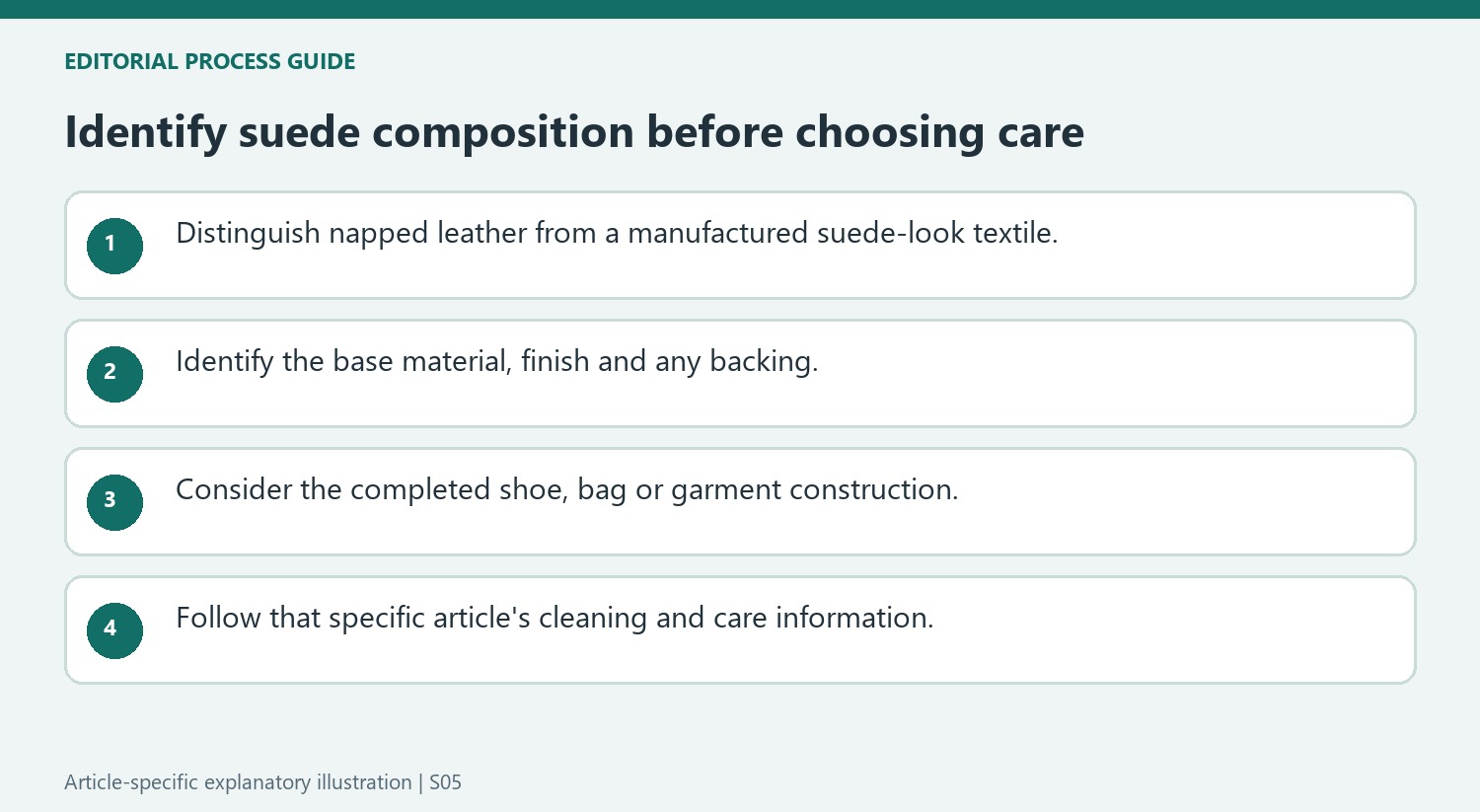
Sewport lists shoes, jackets, gloves, hats, bags, belts, and upholstery-related applications. Those uses expose the material to different kinds of contact, dirt, and wear. The guide emphasizes sensitivity to staining and the need for appropriate cleaning of leather suede. Its guidance should not be extended blindly to every synthetic imitation, nor should ordinary fabric-washing advice be assigned to leather. For a practical choice, identify the actual composition, finish, and intended application and follow the product's care information. The shared appearance is useful design vocabulary, but the material specification determines how the finished item should be handled.
A leather process differs from textile manufacture
The guide's leather route starts with a hide that is prepared, stabilized through tanning, and further finished. This supplies the underlying material for a napped surface. A manufactured suede-look fabric instead begins from a textile or other engineered structure, even if the finished products resemble one another from a distance. Describing both as merely soft cloth misses this important difference. A useful specification identifies leather where leather is present, or states the manufactured-fiber composition and backing where it is not. This is particularly relevant to jackets, shoes, and bags that may share a visual style while having different material structures, handling characteristics, and requirements for cleaning and routine care.
A surface finish is not a weather guarantee
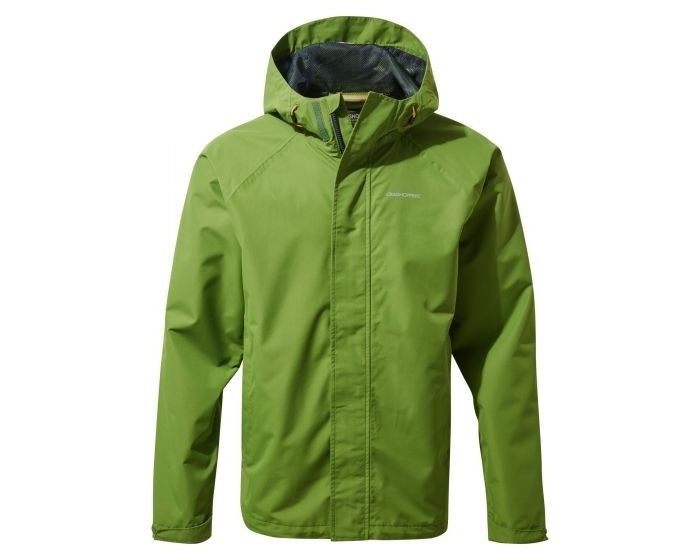
The napped appearance concerns the exposed surface and how it feels and reflects light. It does not establish a waterproof rating for a finished shoe or jacket. The source discusses staining and moisture sensitivity, but the actual item may also include treatments, coatings, seams, or other components that need to be identified. A product photograph cannot show the complete construction or tell the user which cleaning products are suitable. Treat a stated protective finish as a separate piece of information, attached to the specific article. This avoids replacing one broad generalization about suede with another and allows the purchaser to compare the actual material and intended service conditions.
Select the care route from the product information
Leather suede and a manufactured imitation should not automatically enter the same washing routine. The guide emphasizes professional care for leather examples, while synthetic alternatives may have their own instructions. The completed item adds further considerations: a lined jacket, a structured bag, and footwear can contain additional materials beyond the visible surface. Those components are another reason to consult the item's label rather than apply generic fabric advice. Before cleaning or treating a surface, establish what it is and what the manufacturer permits. The shared suede vocabulary remains useful for discussing style and texture, but the composition, finish, and complete construction determine which care guidance belongs to the particular product.





Comments
0