 FabricKnowledge Lab
-
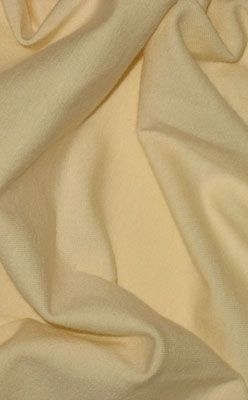
Soy Textile Drape Helps Explain Its Use in Flowing Clothing
A protein-based manufactured fibre can produce a soft, lustrous surface.
-
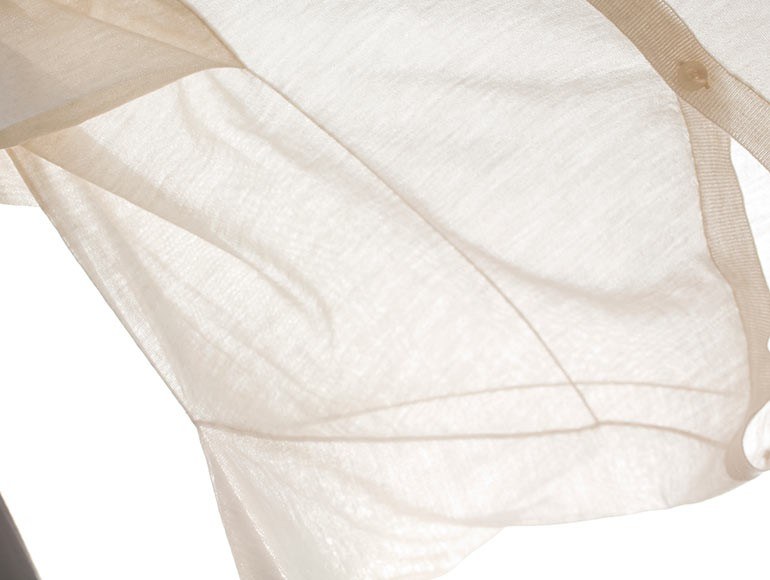
A UV-Absorbing Finish Adds Another Variable to Merino Protection
Fabric density and colour still matter alongside the treatment described by Woolmark.
-
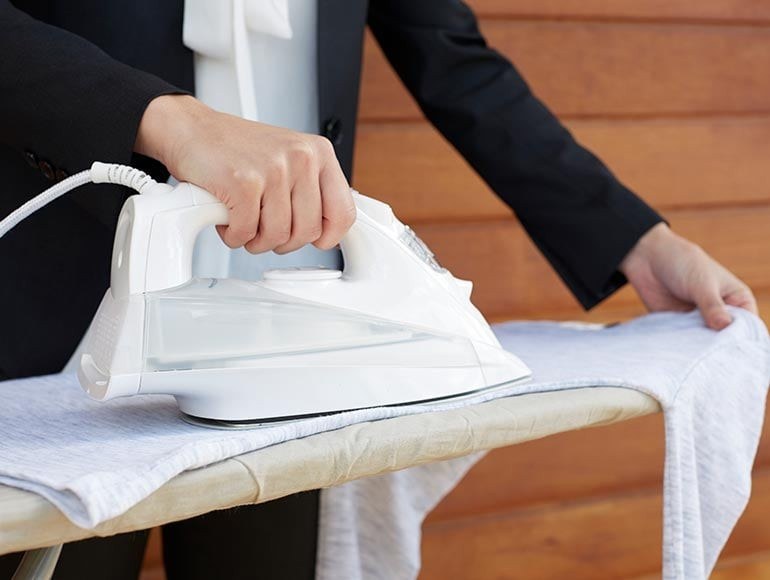
Easy-Iron Finishing Targets Creasing in Fine Merino Knitwear
A setting treatment and reduced surface friction address different parts of pressing performance.
-
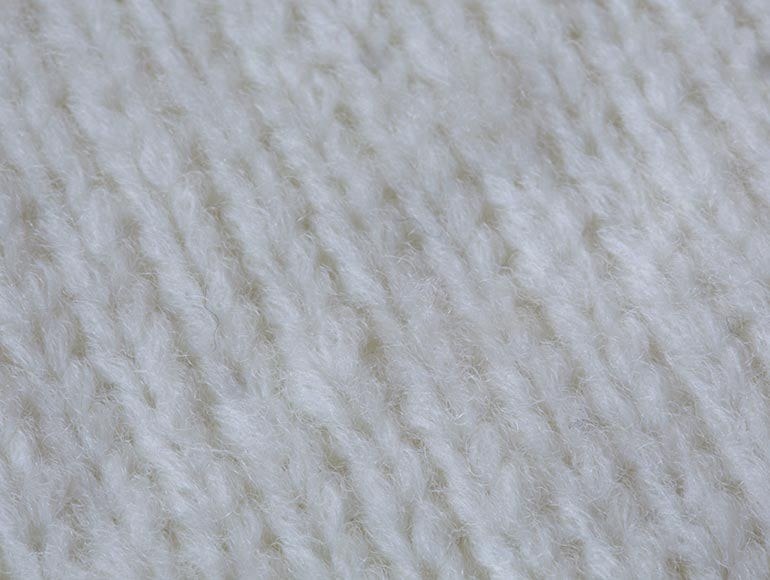
Low-Twist Yarn Structure Preserves Space for Insulating Air
Merino Air uses a supporting net to combine loft with usable yarn strength.
-
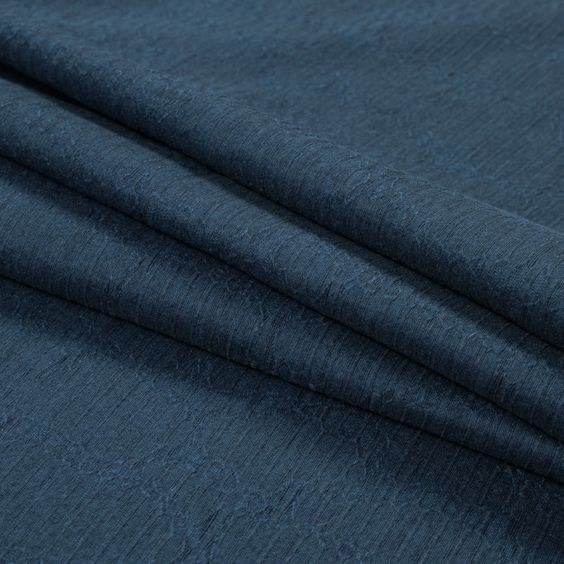
Fibre Length and Fineness Give Lyocell Filling More Design Options
A filling product depends on how regenerated fibres are arranged in three dimensions.
-
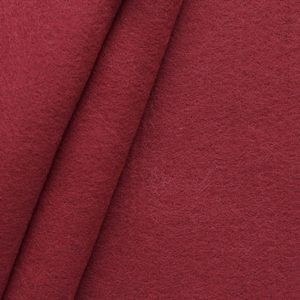
Baize's Felted Surface Works Over a Woven Foundation
The layered production history explains its familiar role on gaming tables.
-
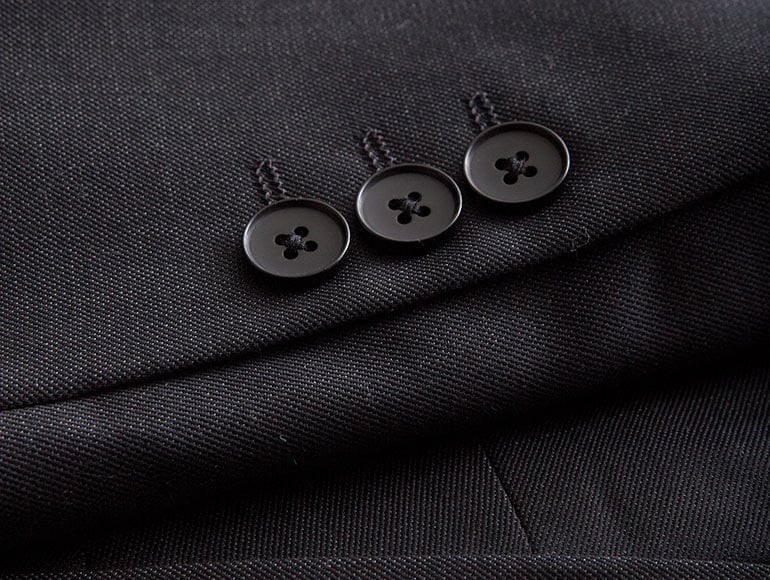
Deep Black Appearance Depends on Reflected Light as Well as Dye
Super-Dark Merino uses surface engineering to intensify dark shades.
-

Protective Base-Layer Testing Shows Why Melting Behaviour Matters
A reported study compared several fabrics while acknowledging differences in their weights.
-
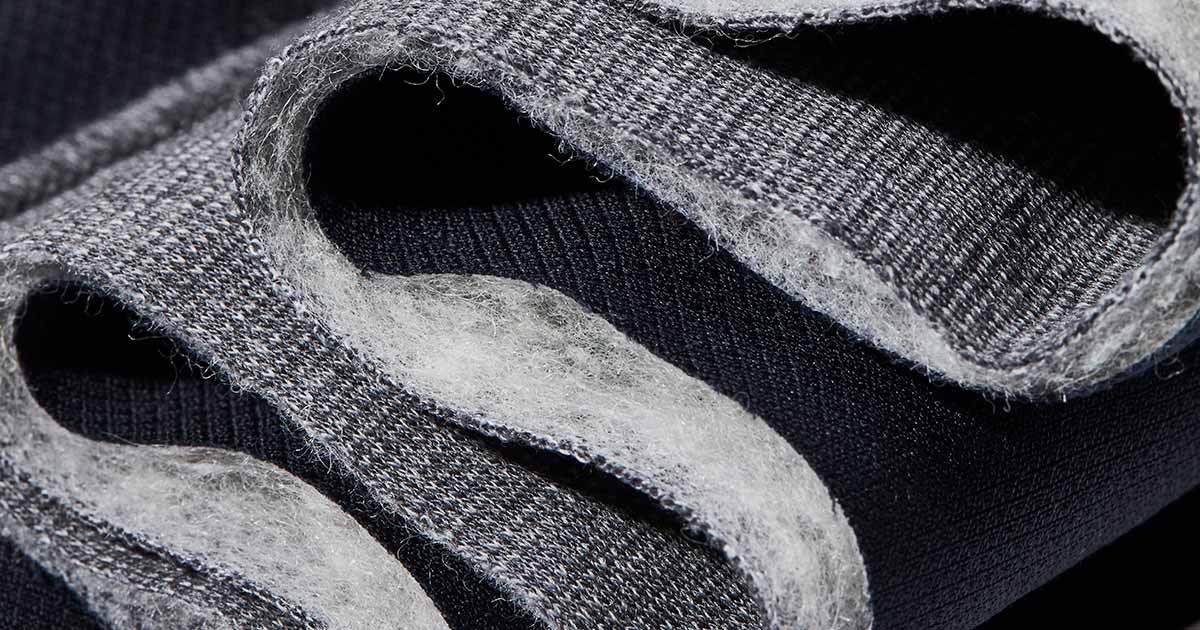
Wool Fill Uses Crimped Fibres to Build Insulating Air Spaces
Batts and small fibre clusters provide different routes to a filled textile product.
-

Damask Produces Pattern Through Contrasting Reflective Surfaces
The design can remain visible even where the fabric uses a restrained colour palette.
-
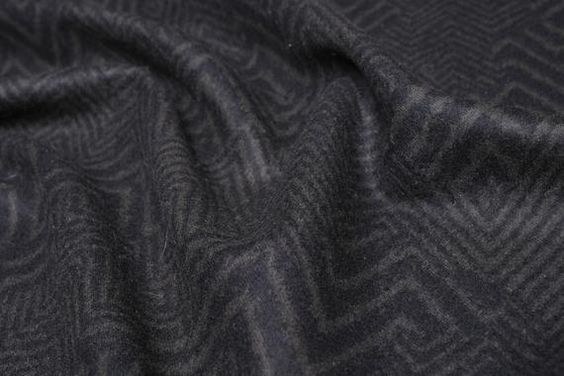
Jacquard Patterning Does Not Require One Fabric Weight
A controlled weaving method can produce ornament across different materials.
-
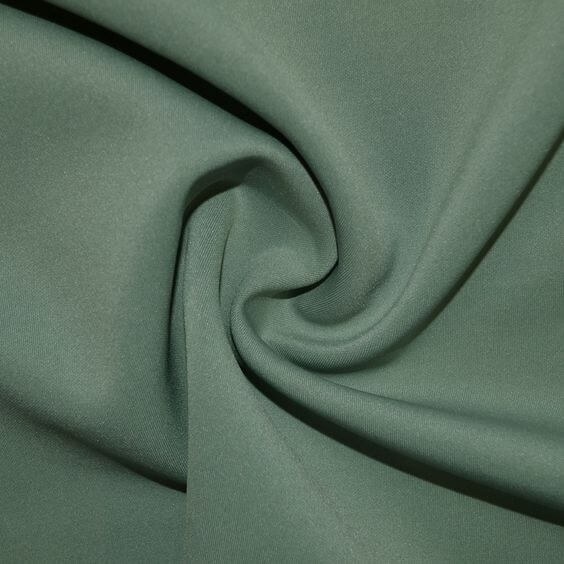
Fabric Stretch and Recovery: Neoprene Combines Elasticity with a Moisture Barrier
Neoprene is a brand name associated with polychloroprene, a synthetic rubber developed as an alternative to natural rubber. The ability to stretch and the tendency to return toward an earlier shape are related but different observations.
-

Dense Merino Weaving Reduces Air Passage Without a Separate Membrane
OPTIM processing draws yarns together during wet finishing to enhance weather resistance.
-
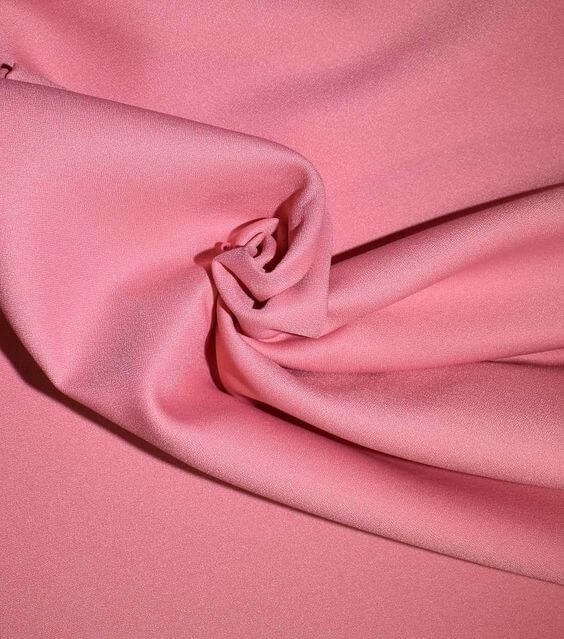
Crepe's Rippled Surface Can Accompany Different Fibre Blends
Texture is a defining clue while composition remains a separate variable.
-
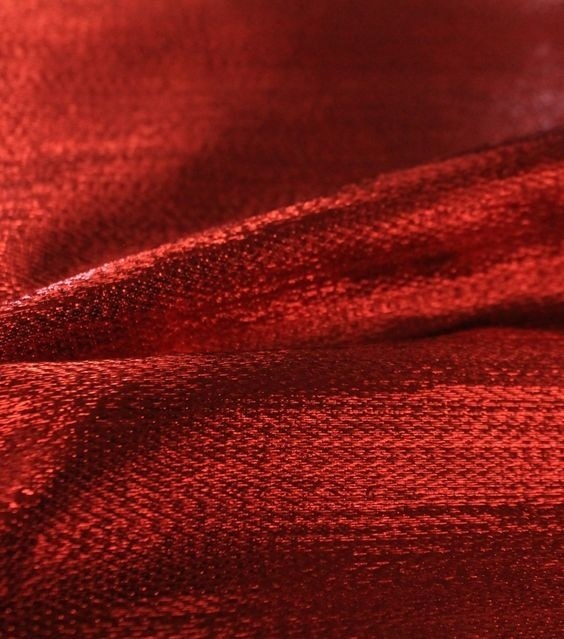
Lame's Reflectivity Comes From Metallic Threads
The shiny effect can accompany fabrics with very different stretch and handle.
-
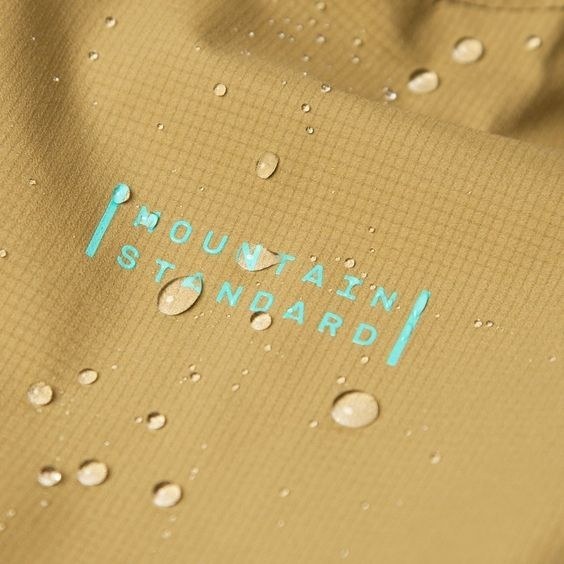
NeoShell Balances a Protective Membrane With Air Movement
Its fine-fibre polyurethane structure targets a combination of outdoor-textile functions.
-

A Lightweight Merino Tee Shows the Role of Yarn Engineering
Black Diamond's Rhythm example links low fabric weight with a specialised spinning technology.
-
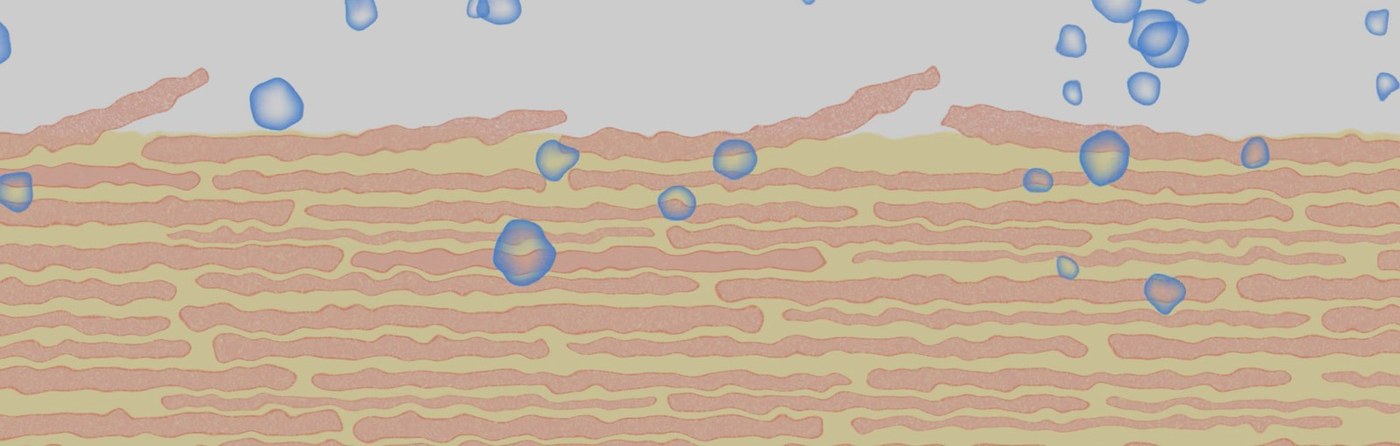
Superfine Merino Trials Explore Clothing Comfort for Eczema
The fibre size studied matters when interpreting claims about sensitive-skin garments.
-
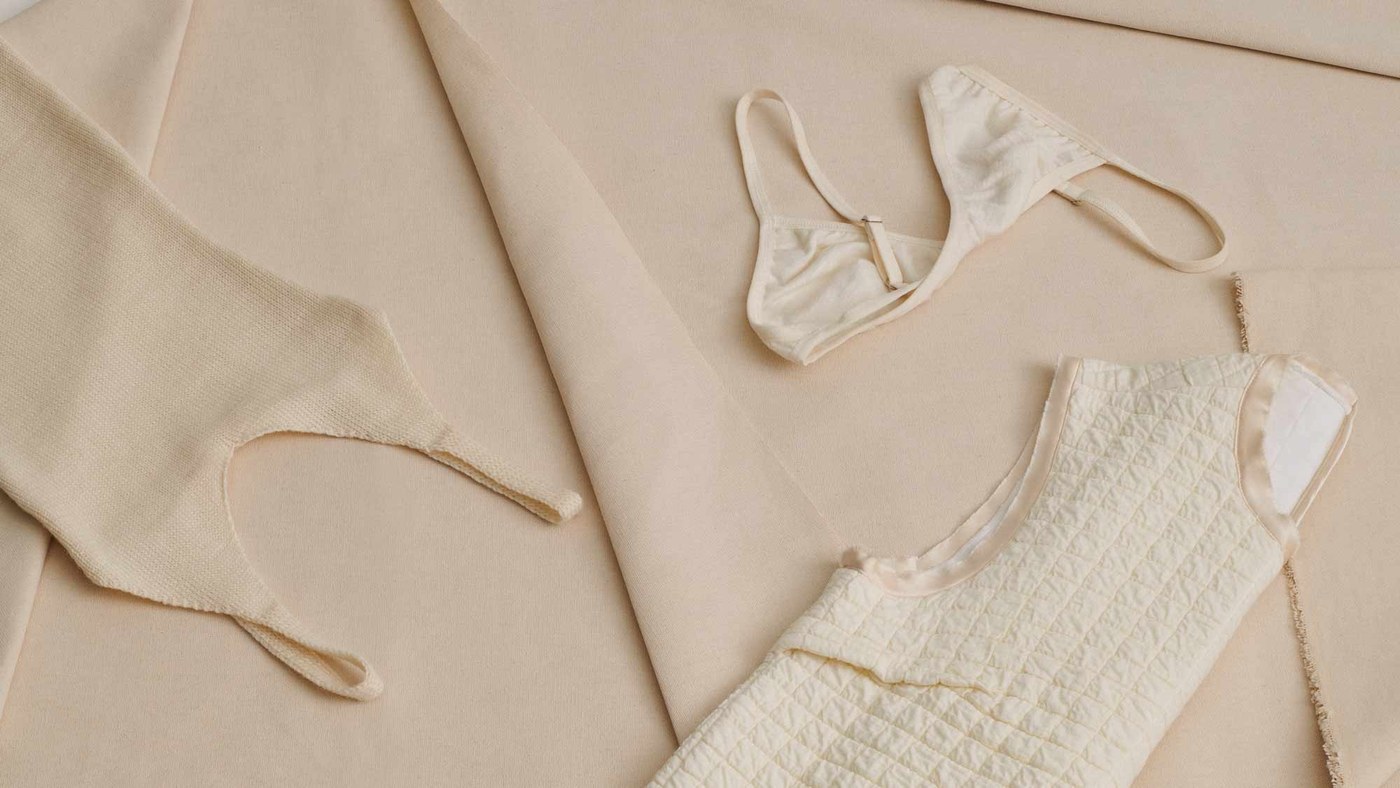
Wool Can Hold Odour Molecules Within the Fibre
Moisture handling and odour sorption contribute to how a garment smells after wear.
-
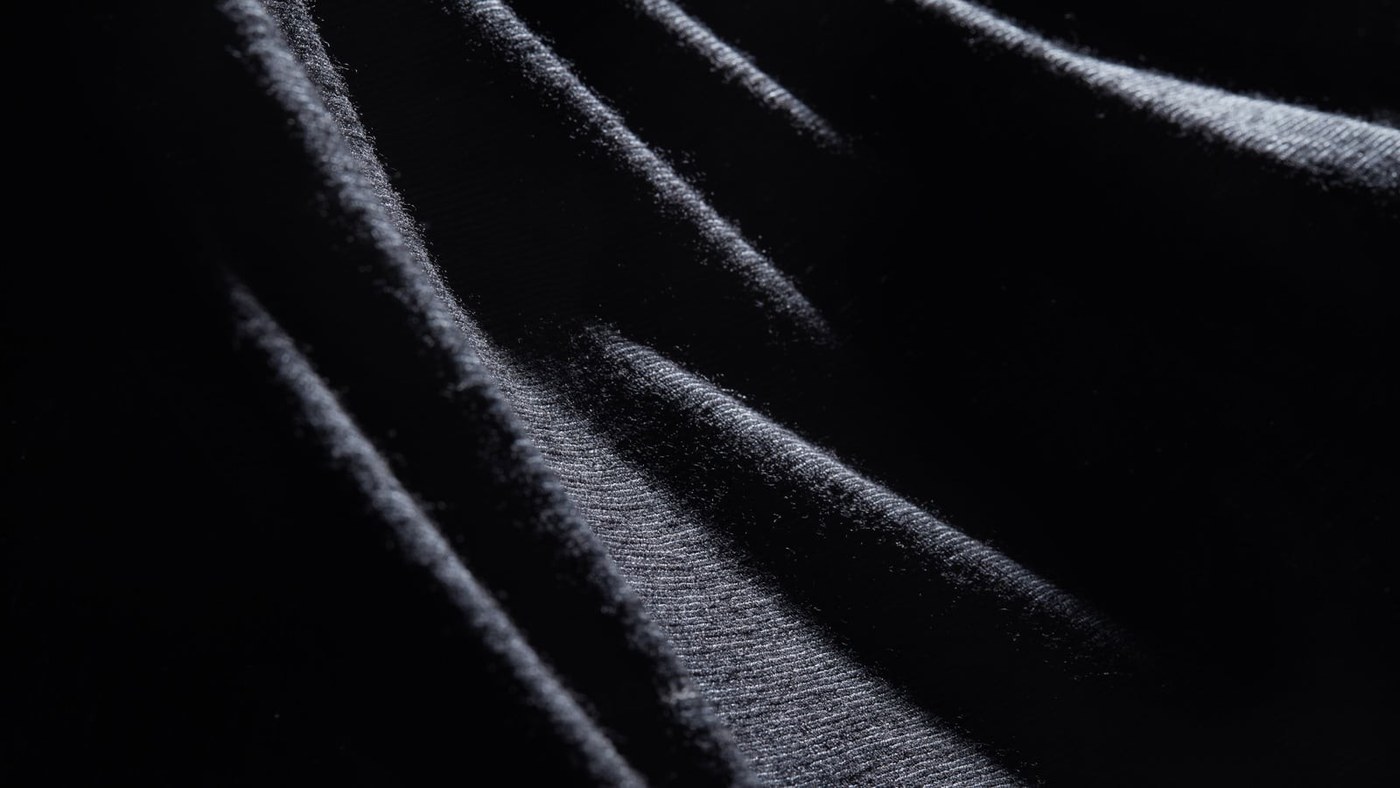
Odour-Based Wear Trials Link Fibre Choice With Laundry Frequency
A reported study considered when volunteers judged different garments ready for washing.

