 FabricKnowledge Lab
Fabric Stretch and Recovery
The ability to stretch and the tendency to return toward an earlier shape are related but different observations. Elastic fibers, looped knits, and synthetic rubber show distinct routes to flexibility. A comparison should identify that underlying material or structure before assuming that every stretchy cloth has the same comfort, stability, or purpose.
A synthetic rubber material
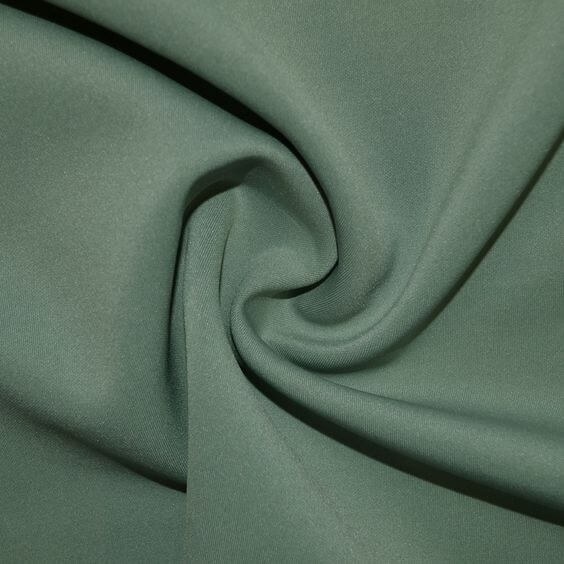
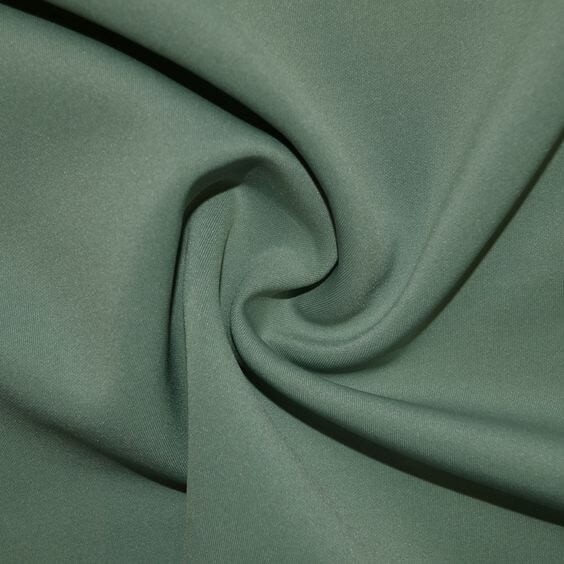
Neoprene is a brand name associated with polychloroprene, a synthetic rubber developed as an alternative to natural rubber. The source describes uses in wetsuits and other products that need a barrier against water and environmental exposure. It is a different material category from ordinary cotton knit or woven polyester cloth.
Stretch has trade-offs
The source highlights elasticity, insulation, and impermeability together. The same barrier that makes neoprene useful in wet conditions limits breathability in conventional clothing. Its stretch should therefore not be treated as proof that it behaves like an elastane-blended jersey. Material choice depends on the whole combination of properties and the intended use, rather than on how far a sample can be stretched.










Comments
0