 FabricKnowledge Lab
-

Finer Wool Fibres Bend More Easily Against the Skin
Micron measurements help explain softness more precisely than a broad wool label.
-
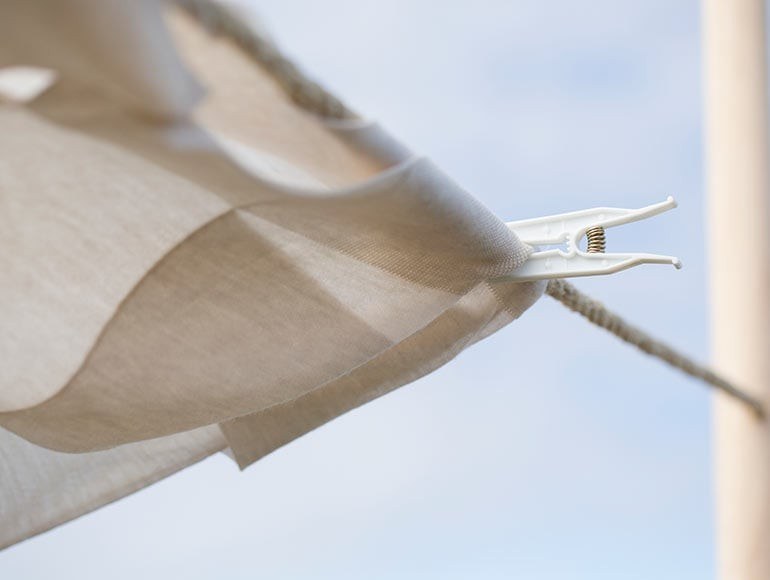
Drying Performance Can Be Altered During Final Wool Finishing
Quick Dry Merino adds a surface treatment rather than relying only on fibre identity.
-
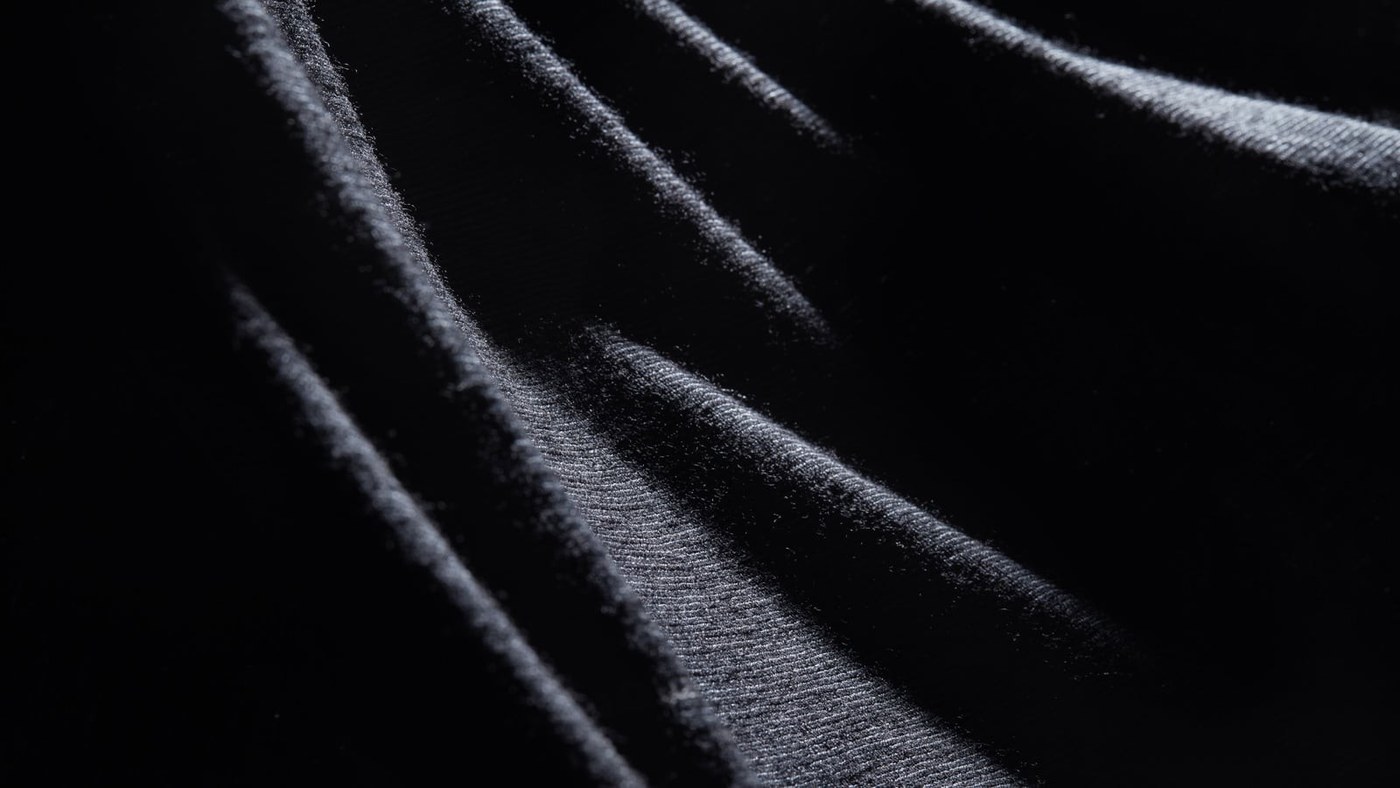
Wool's Crimp and Moisture Uptake Support Different Comfort Functions
Trapped air helps insulation, while vapour absorption contributes to humidity buffering.
-

Wool Breakdown Depends on Moisture, Temperature and Microorganisms
Durability during wear and biodegradation after disposal occur under different conditions.
-
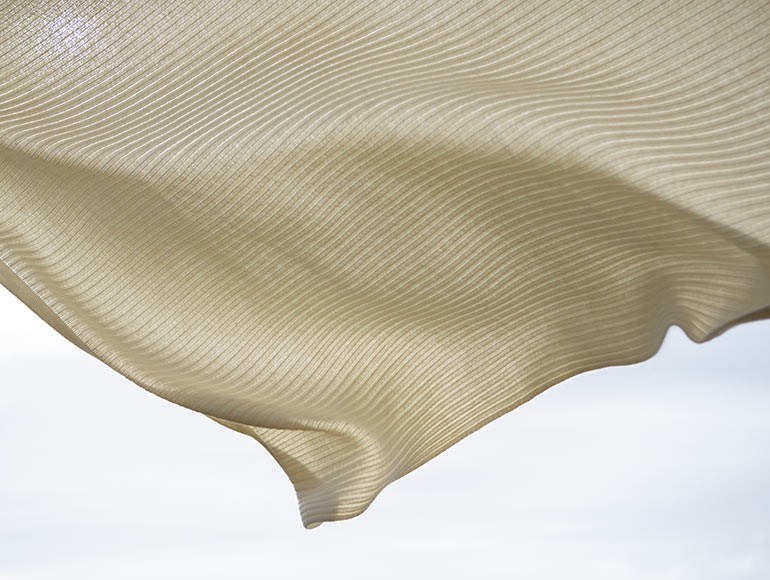
Soft Classic Processing Changes Wool Rigidity Before Spinning
The finishing route links softer handle with brighter dye response.
-
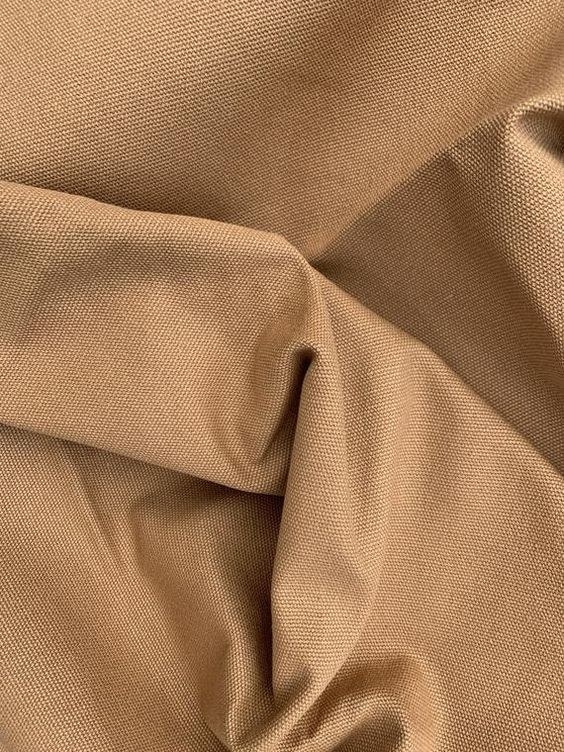
Fabric Weight and GSM Context: Canvas Uses Thick Yarn in a Heavy Plain Weave
Canvas is associated with thick yarns and a tightly made plain-weave structure. GSM expresses fabric mass per unit area, making it different from thread count or fiber percentage.
-
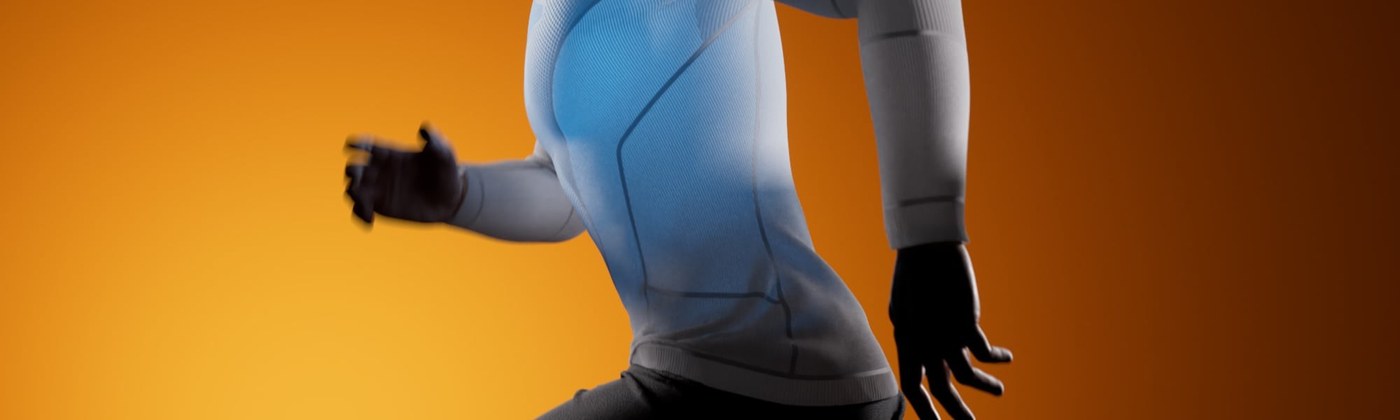
Stop-and-Go Exercise Tests Examine More Than Instant Drying Speed
Woolmark reports a study comparing thermal comfort during activity and rest.
-

Prickle From Coarse Fibres Is Different From an Allergy Diagnosis
Woolmark's research review connects fabric irritation with fibre diameter rather than appearance alone.
-

Wool Carpet Research Examines Absorption of Indoor Pollutants
Fibre chemistry can matter in an interior textile beyond its visible pile and colour.
-
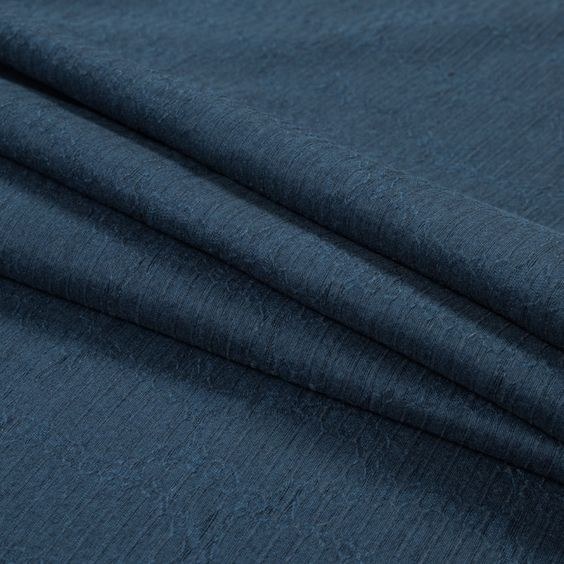
Compression Knitwear Combines Recovery With a Close Body Fit
Merino's comfort properties work within an engineered garment structure.

