 FabricKnowledge Lab
Why the timing of color matters
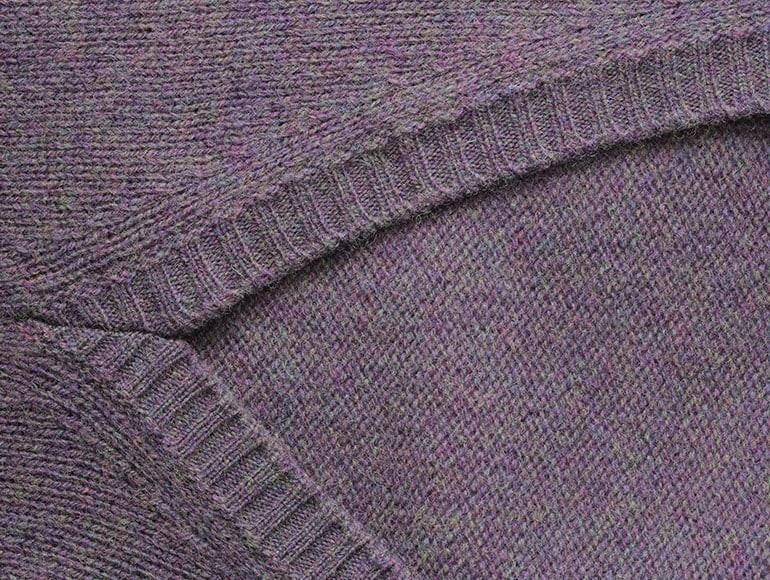
Adding color early in wool production requires decisions before the finished garment exists. Woolmark's Spectrum Merino overview explains that loose wool or top dyeing suits production plans where shades can be selected well in advance. Garment dyeing moves the color decision later, which can support a quicker response to demand. Conventional garment dyeing, however, normally produces a single overall shade. Melange and marl effects have generally depended on differences introduced earlier at the fiber or yarn stage. Spectrum Merino addresses that particular manufacturing constraint.
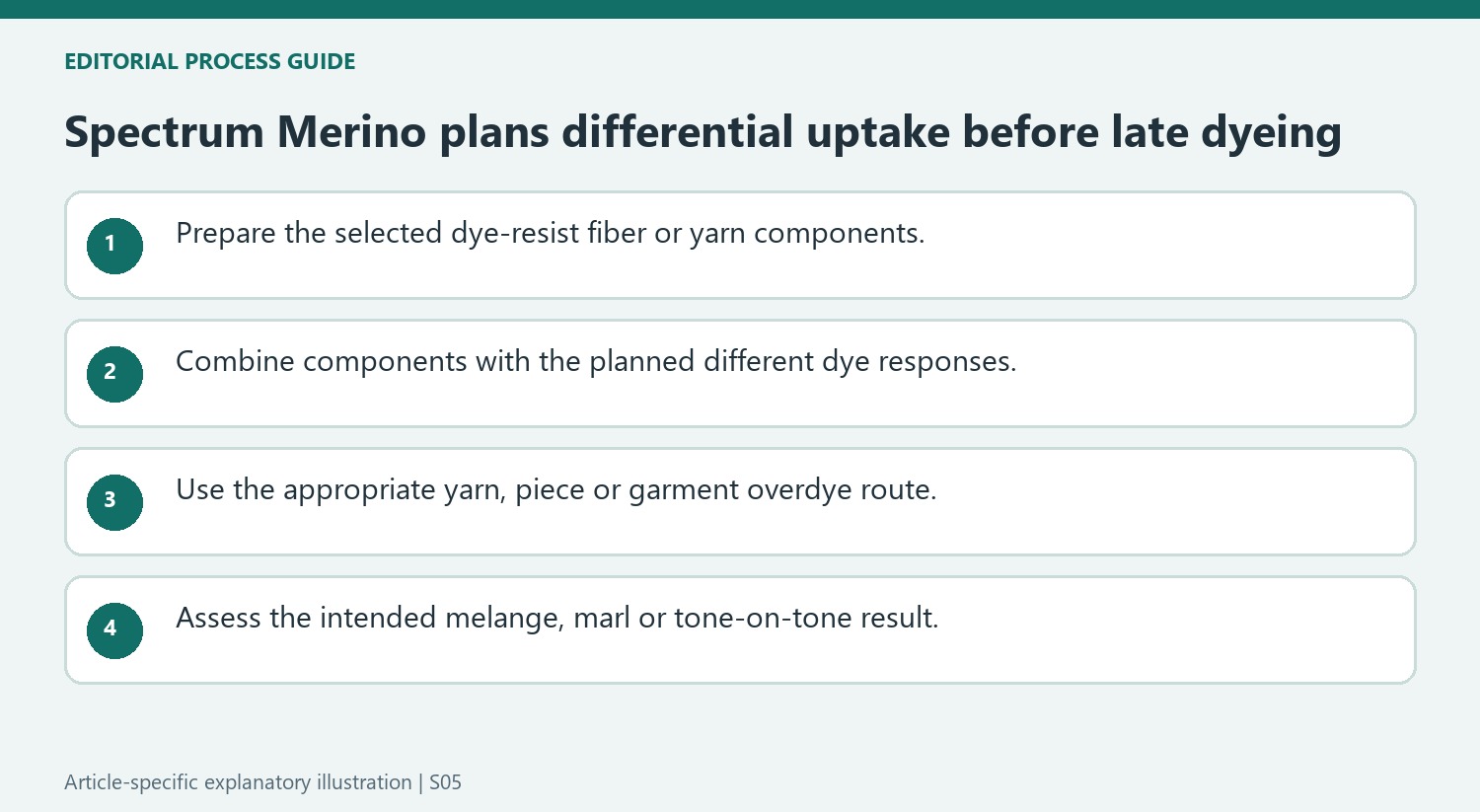
Different dye uptake creates the effect
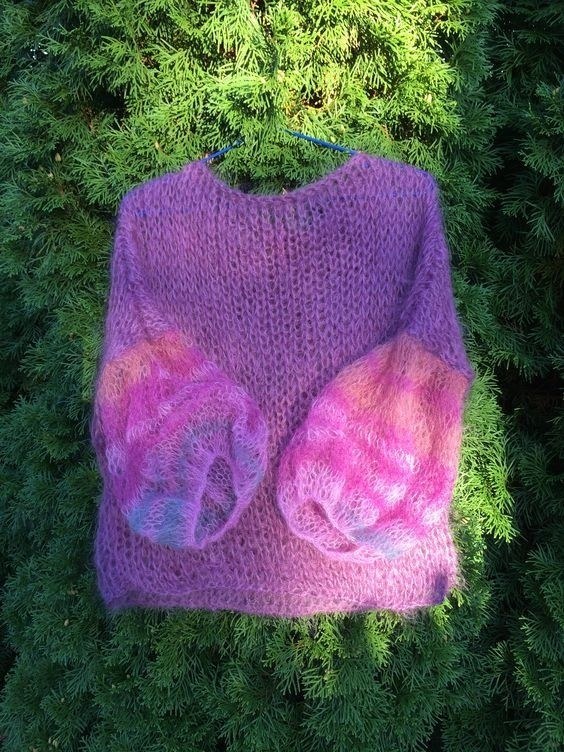
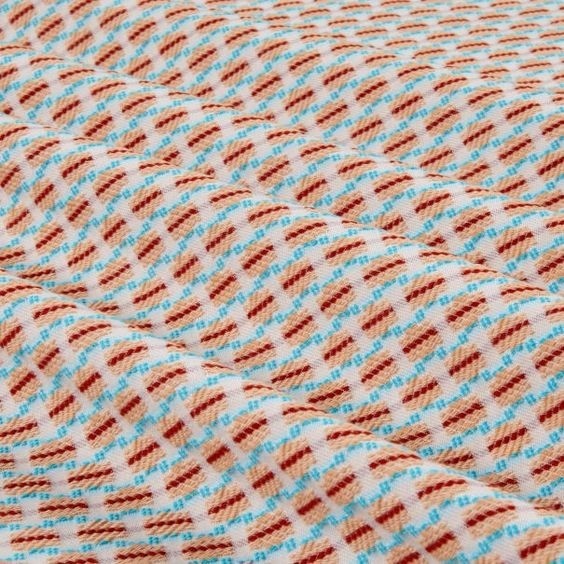
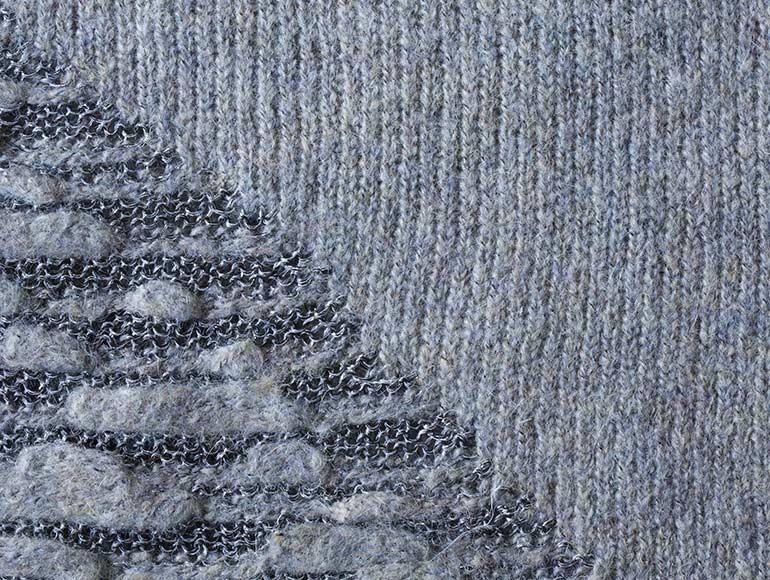
The approach uses a colorless or white dye treatment that blocks normal dye sites in wool and reduces subsequent dye uptake. Treated fibers or yarns can then be combined with untreated material. During later dyeing, the components absorb different amounts of color, producing two shades within the same textile. Woolmark also describes a route using blends of colored fibers that have received dye-resist treatment to create multicolored melange effects. The visual difference comes from how the components respond to dye, rather than from printing a pattern onto the surface of the completed garment.
Processing conditions still shape the result
Woolmark notes that Spectrum Merino works best with pale or medium depths of overdyeing. The dye recipe usually also requires reduced quantities of leveling agents. These details show why the technology is a controlled coloration method rather than a promise that any wool garment can produce the same effect in an ordinary dye bath. Its listed applications include tone-on-tone effects and later-stage melange or marl coloration. For a manufacturer, the useful change is greater flexibility over when certain visual decisions can be made, provided the fiber preparation, blend and dyeing conditions are planned together.
Late color decisions still require early material planning
Spectrum Merino changes when a particular visual effect can be developed, but it does not eliminate preparation. The dye-resist component must already be present in the fiber or yarn system before the later dyeing operation. A garment maker can therefore retain some flexibility over the final color while planning the differential uptake in advance. The source contrasts this with selecting every shade during loose-wool or top dyeing months earlier. The useful manufacturing distinction is between early preparation for a response and the later choice of overdye color. It is not a promise that any ordinary finished wool garment can be transformed into the same melange simply by placing it in a dye bath.
Two components respond differently in the same bath
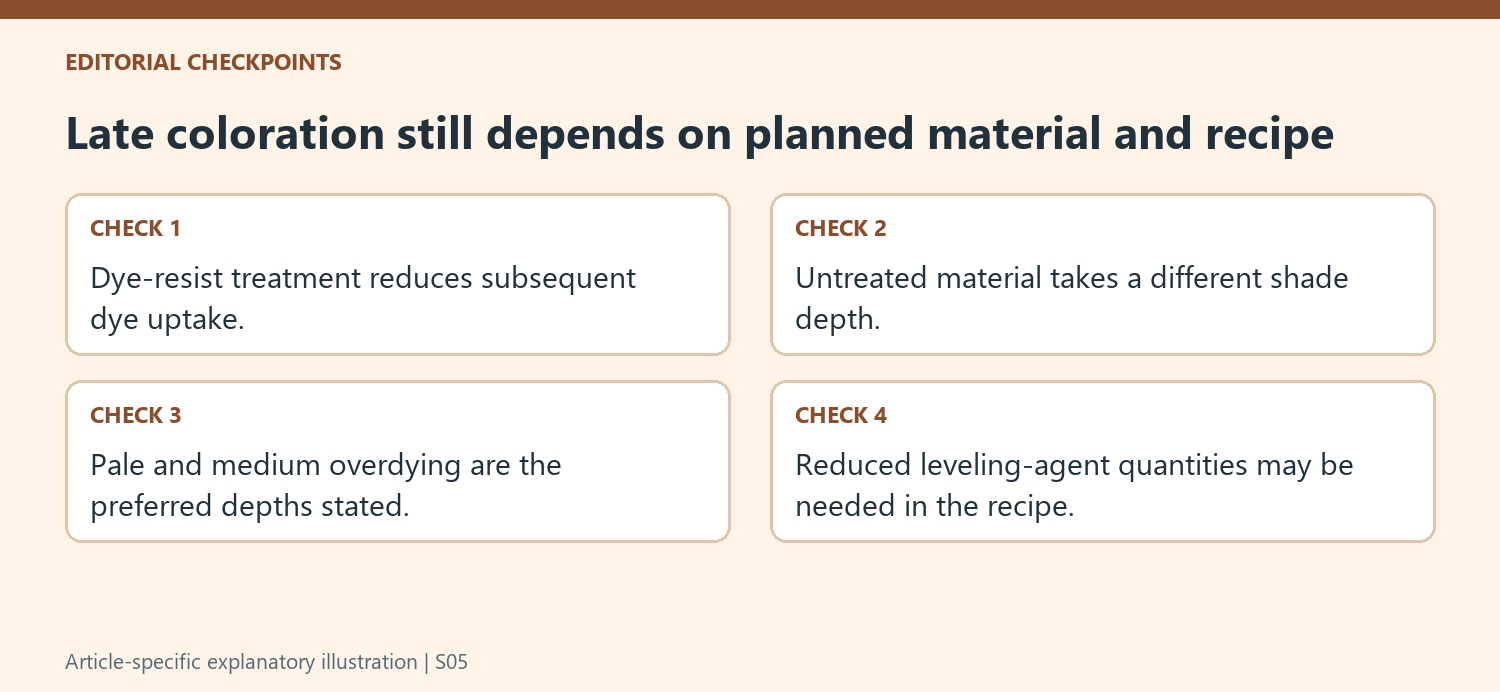
The described treatment blocks normal dye sites and reduces uptake compared with untreated wool. Bringing treated and untreated components together then creates a basis for two shade depths during subsequent coloring. This explains the tone-on-tone idea without introducing a separate surface print. The visual pattern is linked to the distribution of material with different dye responses. The source also describes multicolored effects using colored fibers that have received the resist treatment. These routes need to be distinguished in a production description because they do not begin with identical components. The planned blend and its prior treatment determine what the later dyeing stage has available to work with in the textile.
The overdye recipe is part of the effect
Woolmark says the method works best with pale or medium overdye depths and usually needs reduced leveling-agent quantities. Those qualifications are important because the effect relies on preserving a difference in uptake rather than simply maximizing color depth everywhere. The shade choice and dye recipe therefore belong in the same development plan as the material blend. A finished sample should be assessed for the intended two-tone, melange, or marl appearance under the chosen route. The page demonstrates a particular response mechanism, not a universal recipe for every yarn and dye combination. Keeping the process conditions attached to the claimed outcome makes the quick-response coloration benefit more concrete and useful to manufacturers.
References
- Spectrum Merino. The Woolmark Company; The Woolmark Company.









Comments
0