 FabricKnowledge Lab
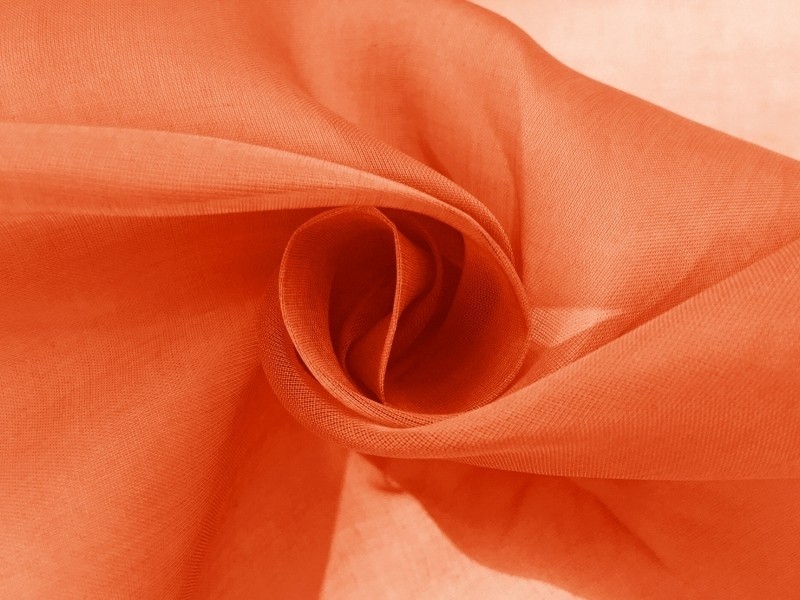
Sheer does not always mean fluid
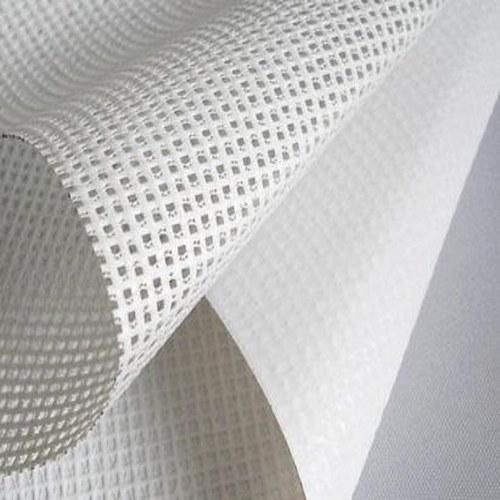
Organdy is associated with a fine, semi-transparent cotton cloth that has a notably crisp handle. Sewport's guide describes it as plain woven and highlights the role of finishing in controlling stiffness. This combination distinguishes it from a sheer fabric selected mainly for flowing drape. A designer can use transparency and structure together, creating light-looking volume rather than a heavy opaque form. The fabric name should still be checked against the actual composition and finish, especially when compared with similarly named organza or with other fine plain-woven cloths such as lawn and batiste.
Yarn and finish contribute to the handle
The source describes preparing cotton yarn, weaving the fine fabric, and applying a controlled finishing treatment to develop crispness. Bleaching, dyeing, and embroidery can then create different appearances. These stages show why a photograph of a pale transparent fabric is not a complete specification. Two cloths with similar color and openness may have different stiffness, and a finish can be central to the shape they hold. The production account concerns an industrially controlled process rather than an instruction to reproduce chemical finishing on clothing at home.
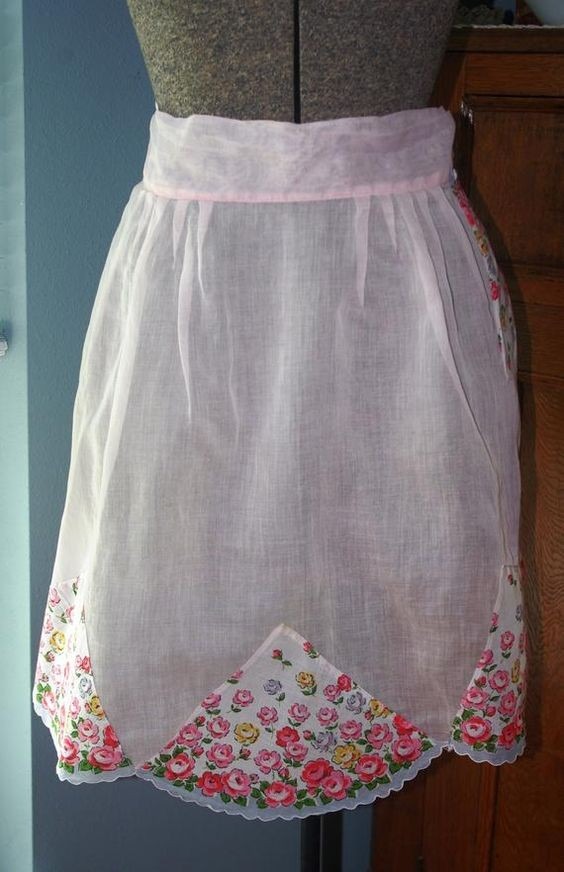
Layers can supply volume or internal support
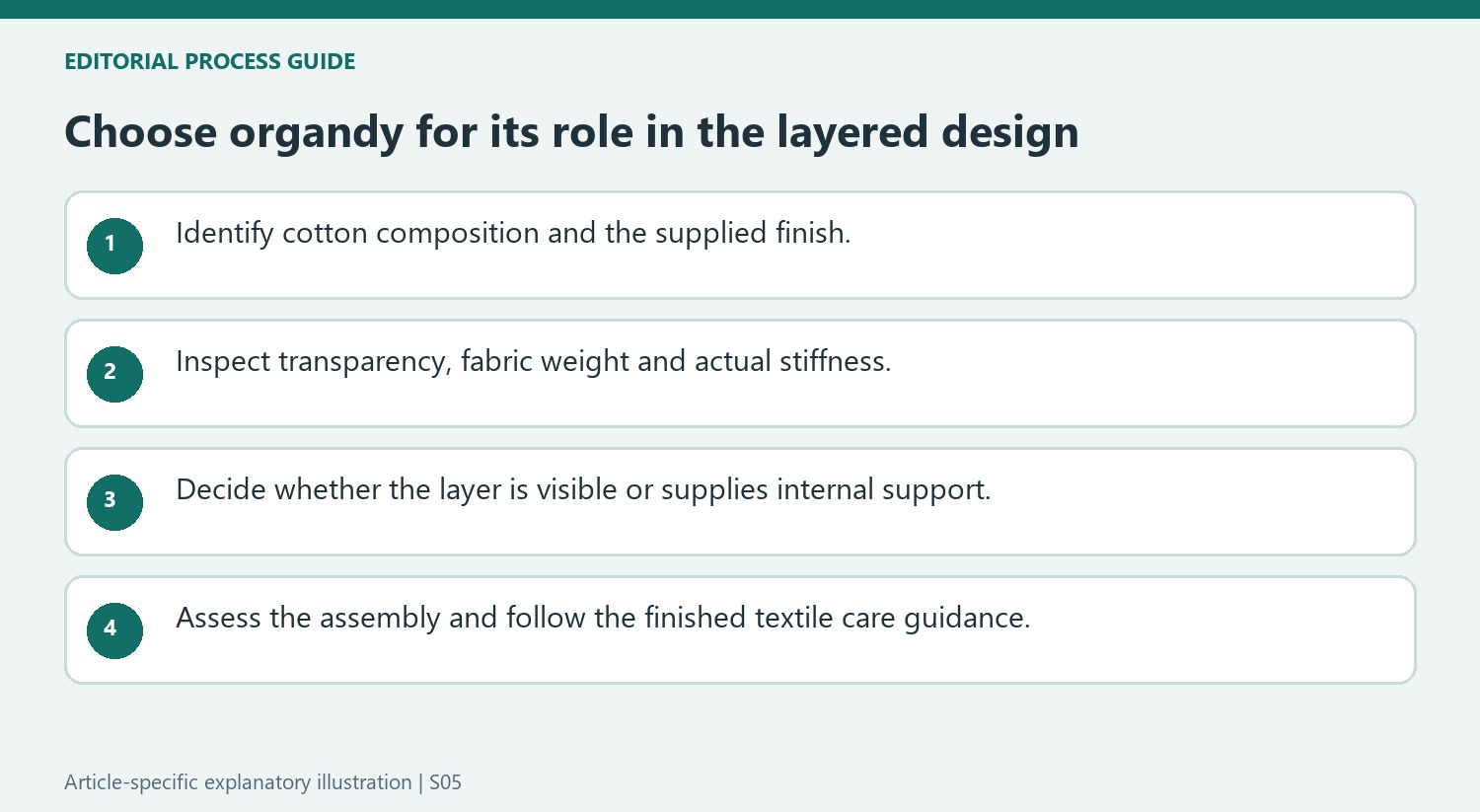
Sewport lists ceremonial dresses, eveningwear, collars, cuffs, curtains, and internal garment layers among applications. Multiple sheer layers can create a fuller appearance, while a hidden layer can support a softer outer fabric. These uses assign organdy different roles within the complete design. A visible dress layer needs an appropriate surface and appearance, whereas an internal support is selected partly for how it affects another textile. For a project, inspect the actual crispness, transparency, weight, and care guidance. The construction and finish explain the material's potential, while the garment design determines where that potential is useful.
Distinguish visible layers from supporting layers
An organdy layer can be selected for what the eye sees or for the shape it lends to another material. In a visible outer layer, transparency and the crisp surface become part of the design. Used internally, the same general fabric category can help support a softer outer cloth without being the dominant visible surface. These roles require different decisions about appearance and placement. The source's examples of dresses and internal layers make that distinction useful. Before choosing a fabric, consider the intended assembly rather than treating sheerness as a complete description. The actual degree of stiffness matters because a softly finished version cannot automatically substitute for a much firmer supporting material.
Inspect stiffness independently of the color
Bleaching, dyeing, and embroidery change the appearance of organdy, while the finishing route contributes substantially to its crisp handle. A pale or brightly colored sample can therefore conceal an important difference in how the cloth behaves when gathered, folded, or layered. The source divides the fabric into degrees of stiffness, which is more helpful for a design decision than relying on color alone. A sample lets the maker assess transparency, body, and the relationship between several layers. The industrial finishing discussion explains how the category is developed; it is not a recommendation to apply the described chemicals to a garment at home. Purchased material should be assessed in its supplied, finished condition.
Avoid substituting a similar name for composition
Organdy and organza can both offer a sheer appearance with structure, but the guide distinguishes their usual fiber descriptions. A cotton organdy sample is not compositionally equivalent to a silk or manufactured-fiber organza simply because the two names sound similar. Lawn and batiste introduce another comparison: fine plain-woven fabrics can have softer handling than a notably crisp organdy. These relationships help identify alternatives without treating them as identical. For an actual garment, record the complete composition, weight, finish, and care information. A substitution should be judged by how it performs in the intended layer or shape, rather than by a near match in spelling or a similar-looking photograph.









Comments
0