 FabricKnowledge Lab
A fabric category and a pattern are different
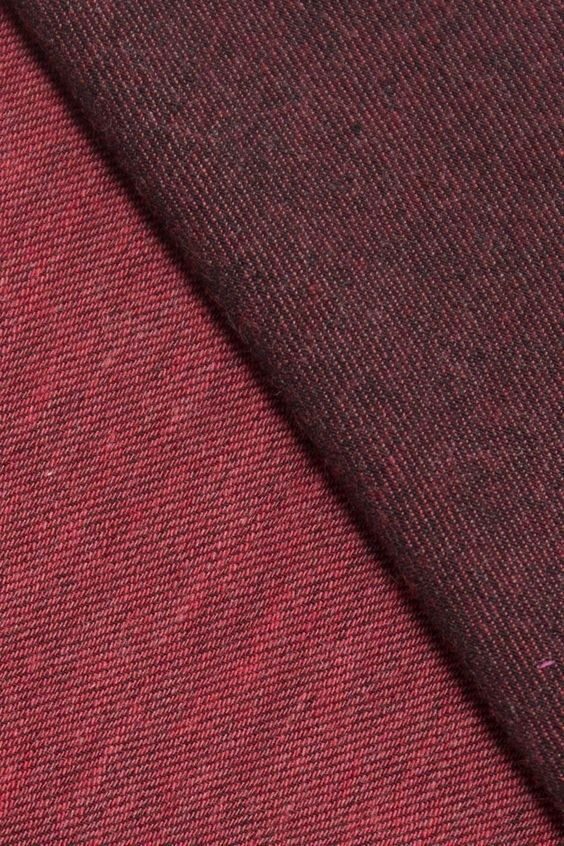
Flannel is associated with a soft textile surface, often developed by raising or brushing fibers. Sewport's guide lists wool, cotton, and manufactured-fiber versions. Plaid, by contrast, describes a pattern of intersecting color bands. A plaid shirt can be made from flannel, but a smooth woven cloth can also carry the same pattern, and flannel can be plain colored. Keeping the terms separate helps avoid selecting a fabric only by its photograph. The image may establish the color design while leaving the underlying fibers, structure, and surface treatment unspecified.
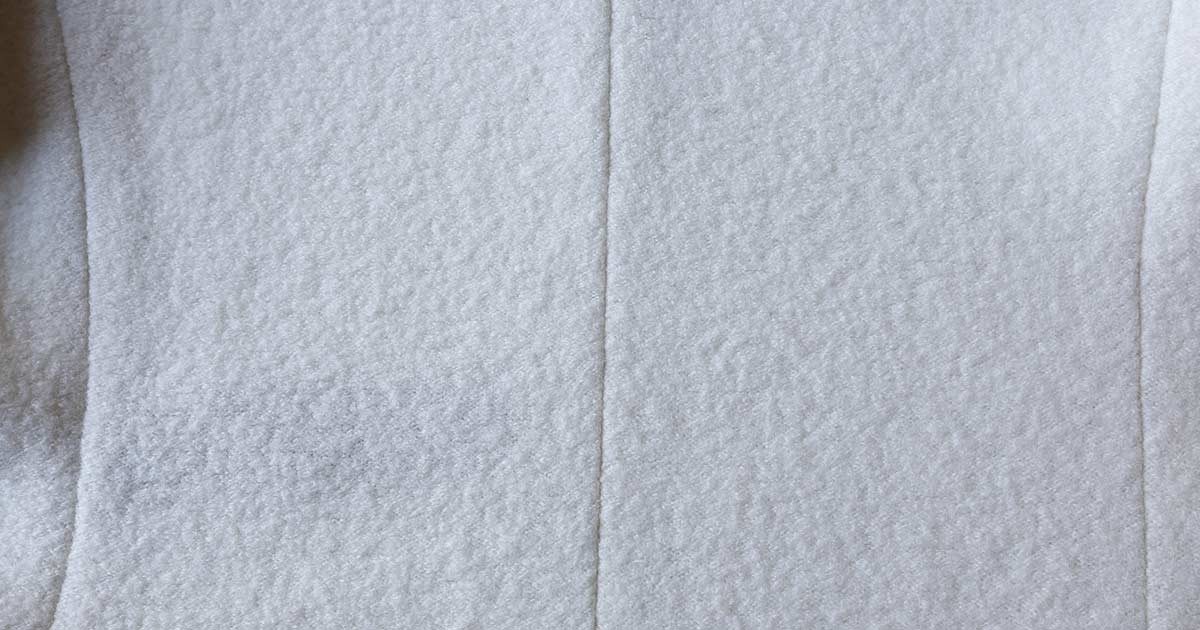
Brushing changes what meets the skin
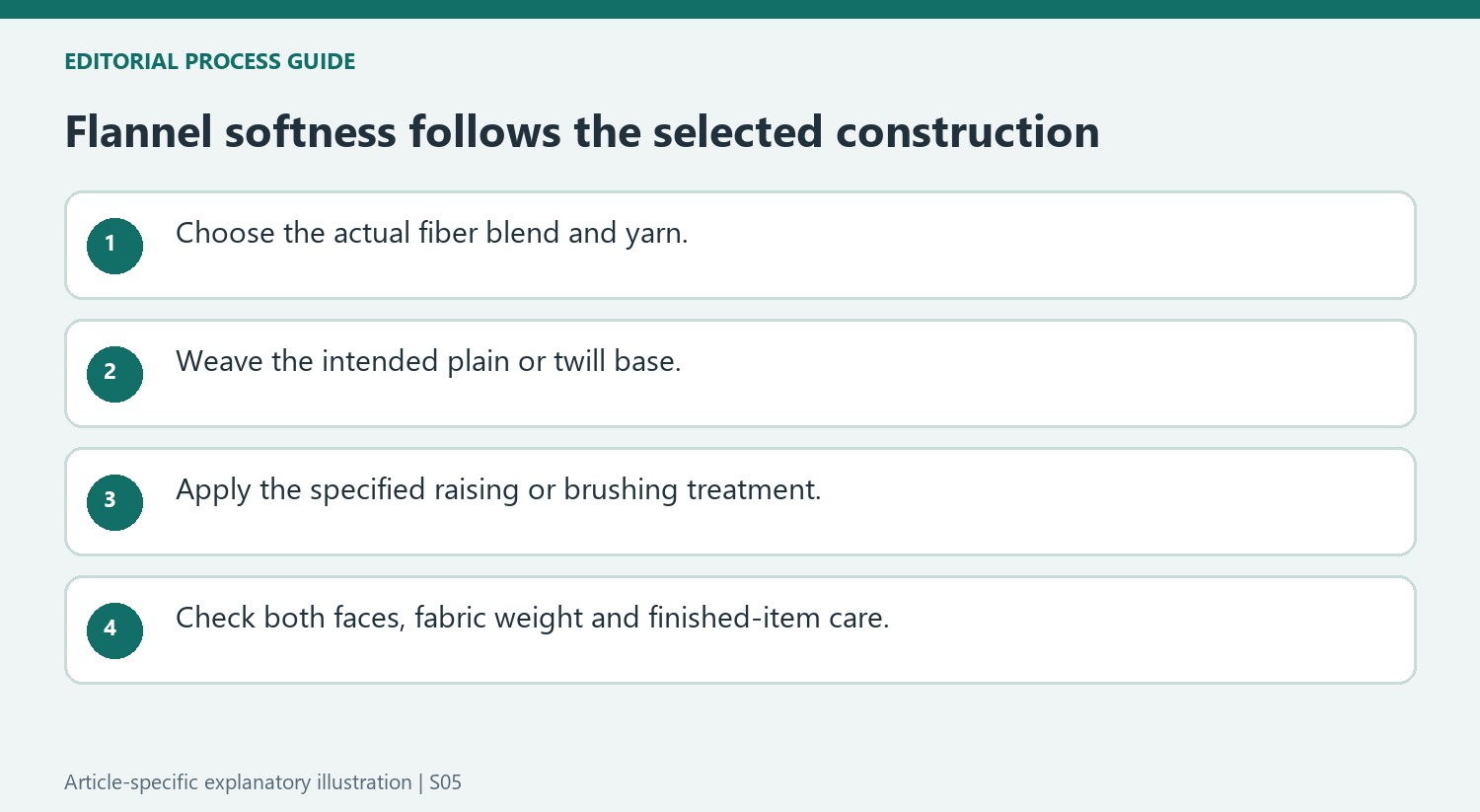
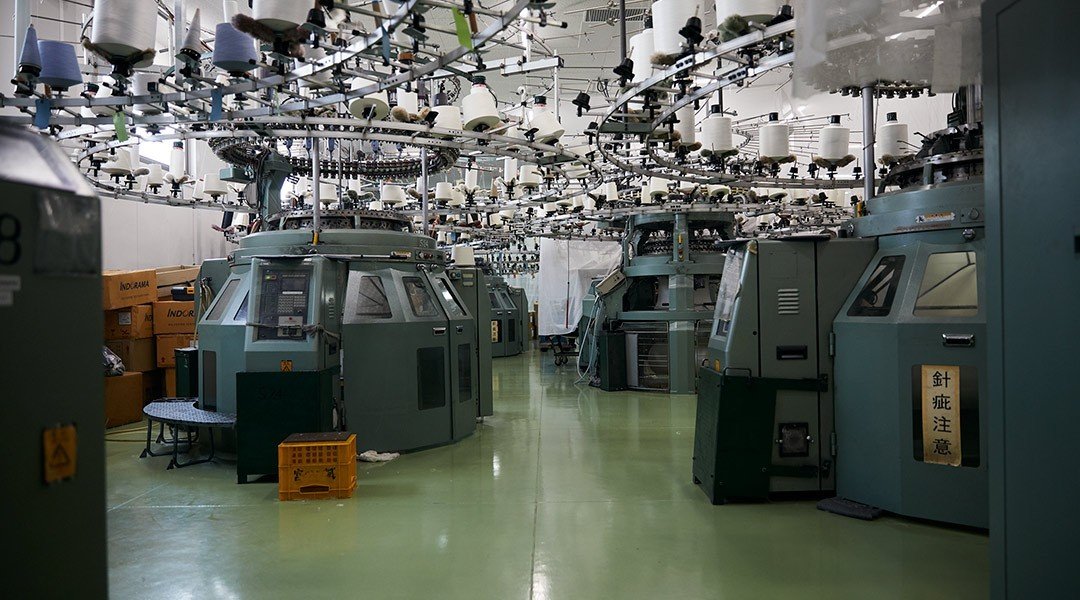
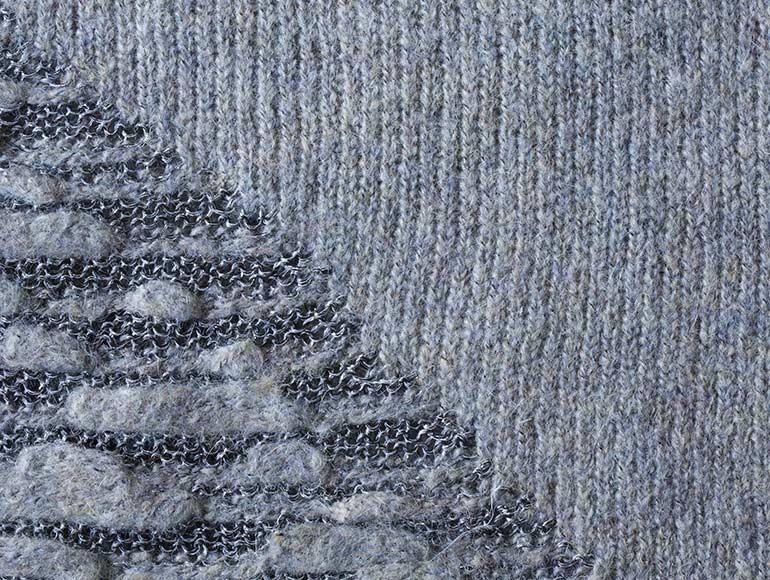
The production account describes yarn being woven in plain or twill constructions, followed by optional napping on one or both sides. Raising fibers softens and obscures parts of the woven surface, creating the familiar fuzzy handle of many flannels. The base weave remains underneath that finish. This is different from felt made directly from loose fibers and from a printed imitation of texture. The final result depends on the yarn, fiber blend, density, and extent of surface raising, so two brushed fabrics need not have the same thickness, drape, or durability.
Shirts and bedding need different specifications
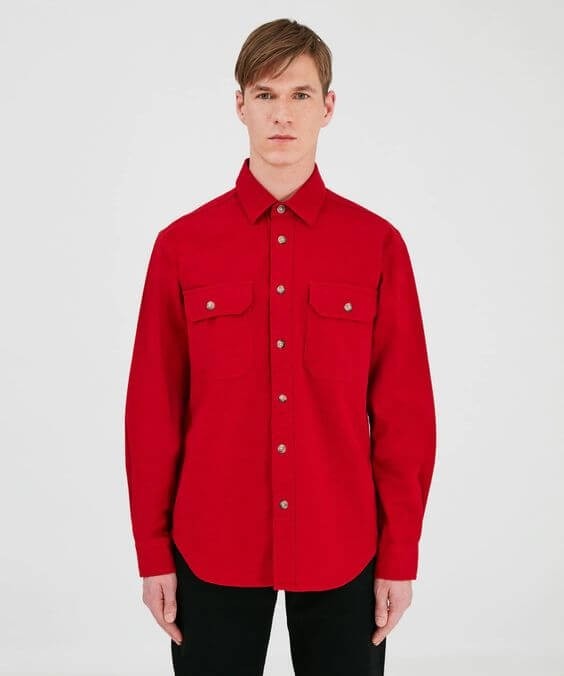
Sewport lists shirts, layered clothing, sheets, blankets, and accessories among applications. A soft winter sheet and a tailored wool garment use related vocabulary but face different construction and care requirements. The name flannel cannot determine one washing temperature or a fixed insulation level across all those examples. For a useful comparison, identify composition, weight, weave, and whether the surface is raised on one or both sides. Then follow the finished product's care information. The softness category introduces a recognizable feel, while the complete fabric and garment specification explain how a particular version should be used.
Look beneath the raised surface
A fuzzy surface can make the underlying weave less obvious, but the textile still has a yarn structure supporting the raised fibers. The guide describes plain and twill bases and distinguishes napping on one side from treatment on both sides. Those choices help explain why two fabrics labeled flannel can feel different when turned over or folded. A soft surface is only one part of the specification; the fiber blend, yarn, density, and fabric weight also contribute to the completed cloth. For a sewing project, inspect both faces and identify which side is intended to be presented outward. A photograph of a plaid pattern will not supply that construction information.
Choose a flannel for the actual product
Shirting, bedding, and tailored garments are separate applications in the guide. A fabric that feels appealing as a winter sheet is not automatically the right weight or drape for a structured jacket. Similarly, a wool version and a cotton version may share a soft finish while needing different care. The practical comparison starts with the item being made, then considers composition, construction, surface treatment, and the supplier's stated use. The application list shows the range of the category, not a promise that any bolt of flannel can serve all of those purposes. Product-specific information is especially valuable where softness is prominent in marketing but the fabric weight or full blend is missing.
Keep color design and performance claims separate
Plaid identifies the arrangement of colored bands. It does not reveal whether fibers have been raised, whether the fabric contains wool, or how warm a completed garment will feel. Solid-colored flannel makes the distinction clear because the surface category exists without the familiar check design. The same discipline applies to additional treatments: a special finish should be identified and supported rather than assumed from the name. Washing should follow the actual item, including its fibers and any construction details. A useful purchase description can therefore combine plaid as the visual design with flannel as a fabric category, then add the measurable composition and construction details that explain the particular material being offered.



Comments
0