 FabricKnowledge Lab
Fiber geometry is the central design idea
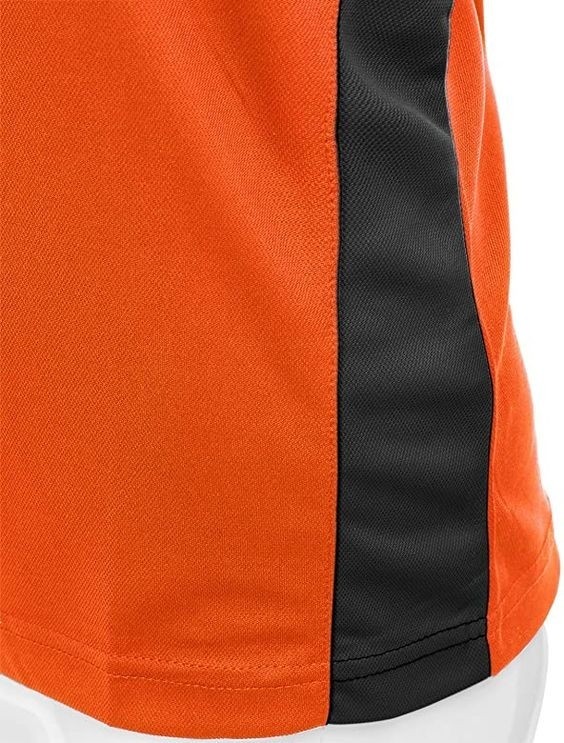
COOLMAX is associated with engineered polyester fibers intended to assist moisture movement in textiles. Sewport's guide emphasizes a shaped cross-section and channels along the fiber surface rather than treating it as ordinary round polyester under a different label. The material is discussed in socks, shirts, bedding, and other products. Those applications show that the branded fiber can enter several textile constructions. The name does not identify a single knit or weave, nor does it establish that every fabric containing the fiber will have identical drying, cooling, or comfort performance.
Spinneret design contributes to the resulting shape
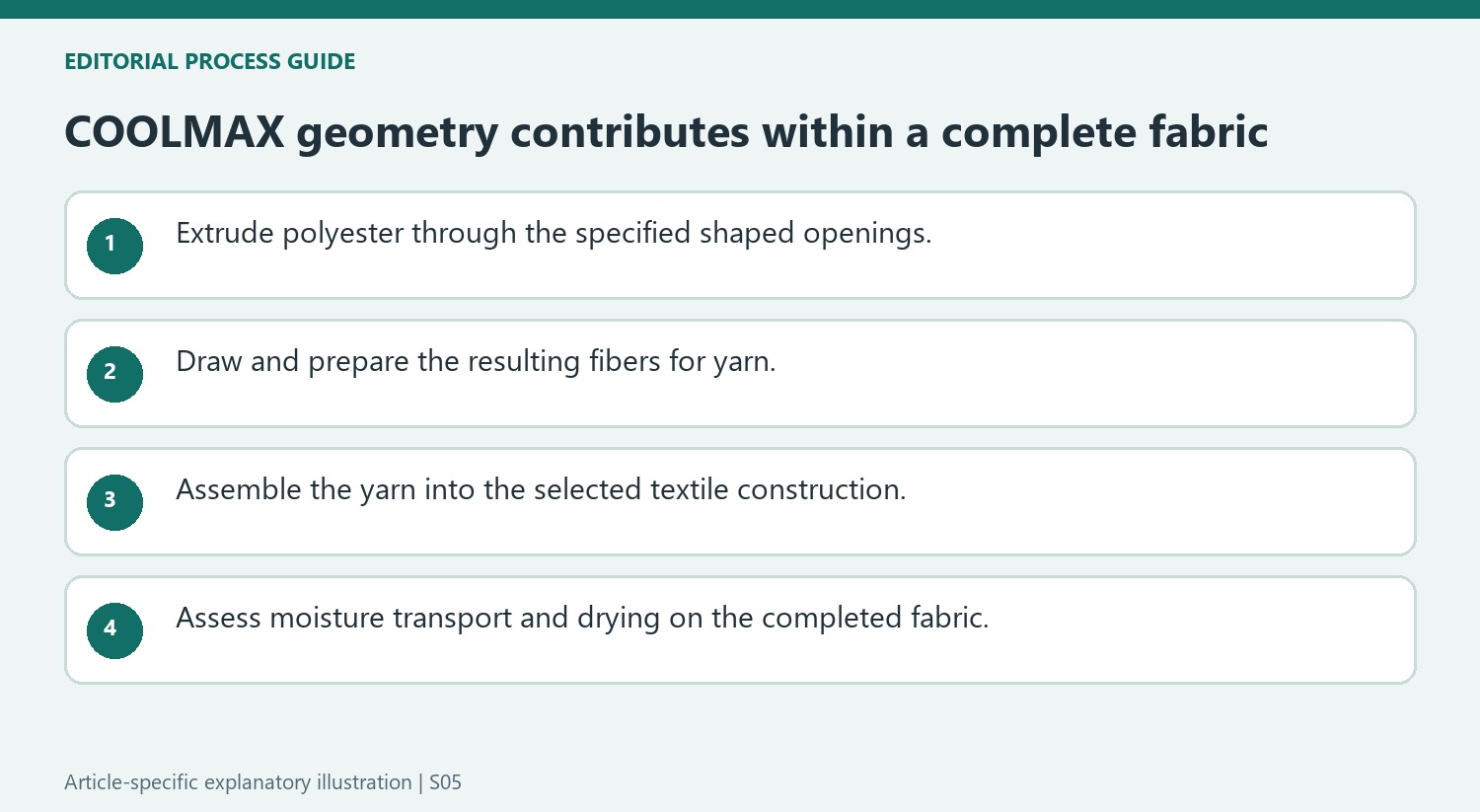
The production account follows a polyester route in which polymer is melted and extruded through a spinneret. The shape of the openings helps determine the fiber cross-section. Drawing and subsequent processing prepare the material for yarn and textile manufacture. The guide links the resulting grooves with movement of moisture along the fibers toward a surface where evaporation can occur. That mechanism is distinct from absorbing large quantities of water inside the polymer. A useful explanation therefore separates fiber chemistry, surface geometry, fabric structure, and the surrounding conditions needed for evaporation.
A complete fabric needs its own performance evidence
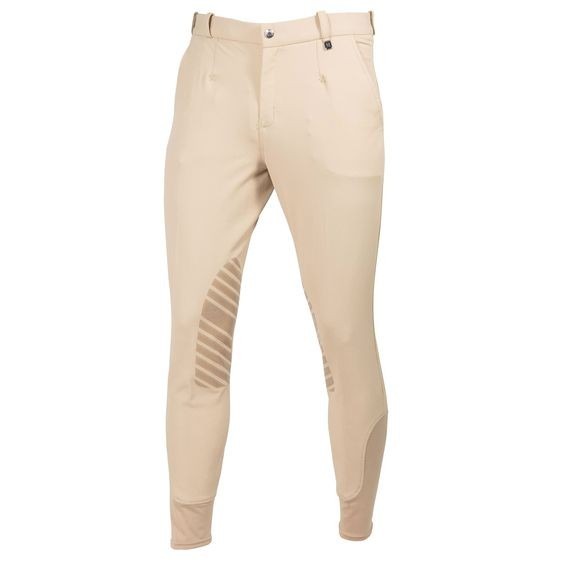
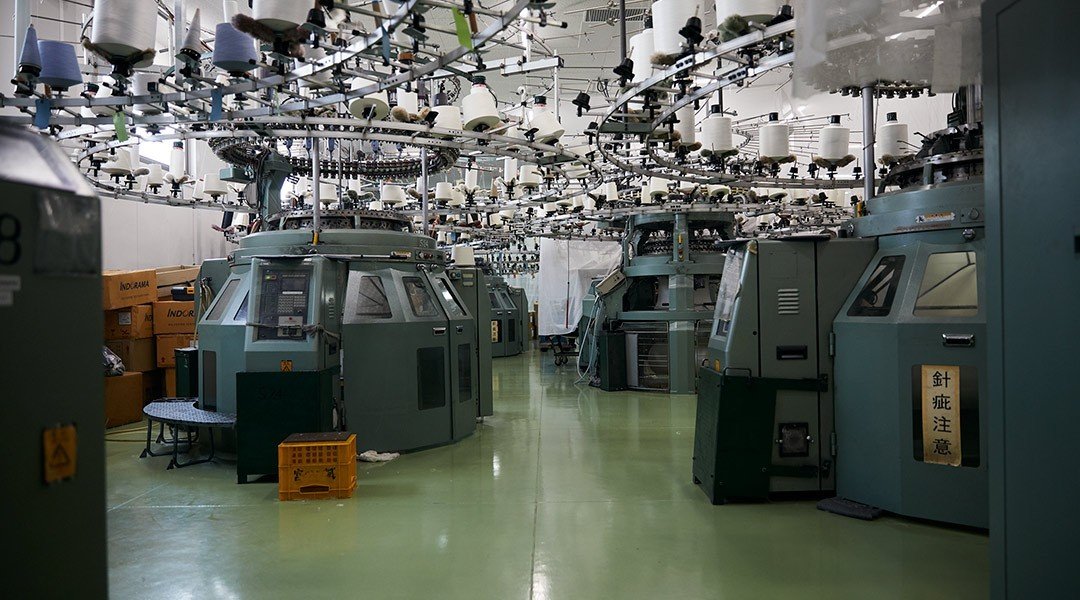
Sewport lists woven, knitted, and twill constructions and applications ranging from socks to sheets and sports clothing. These products differ in thickness, contact with the body, airflow, and exposure to ambient conditions. The same fiber platform cannot independently settle all those variables. When evaluating a garment, identify the full blend and construction and look for the relevant moisture-transfer or drying test rather than relying only on a cooling label. The engineered fiber provides a design tool, while the finished textile and its use conditions determine how that tool contributes to the wearer's experience.
Separate a fiber channel from the fabric opening
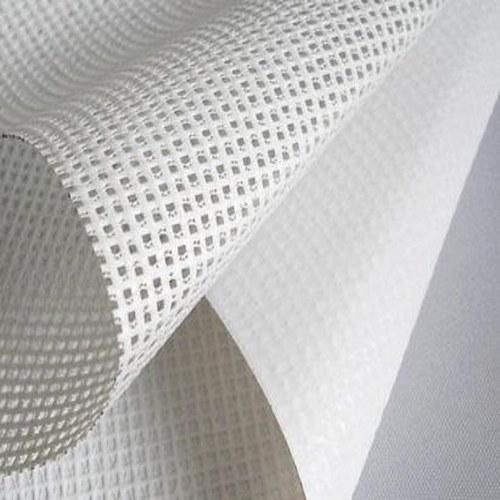
The guide's mechanism begins at the fiber surface, where engineered grooves provide a route associated with moisture movement. A knitted loop or a woven opening is a different structural feature at a larger scale. Both can influence a finished textile, but they should not be given the same name. A fabric description that identifies shaped polyester still needs to state how the yarn has been assembled and what else is included in the blend. This distinction is especially useful when comparing a close-fitting sock with a loose shirt. They can contain the same branded fiber yet place it in different structures, with different contact, thickness, and exposure to circulating air.
Understand why evaporation remains a separate stage
Moving liquid away from one location is not the same as making that liquid disappear from a garment. The source links transport along the fibers with evaporation at the fabric surface, which introduces the surrounding conditions into the explanation. A damp textile enclosed by other layers is in a different setting from an exposed surface with airflow. The branded fiber therefore contributes one part of the design rather than guaranteeing a fixed cooling effect in every situation. When a product claims quick drying, the useful evidence concerns the completed fabric under identified conditions. That keeps transport, drying, and perceived comfort connected while preserving the distinct process that each term is intended to describe.
Read the particular version and complete blend
The source discusses multiple product families and applications, including cotton-containing denim and versions marketed with recycled inputs. Those examples show that the brand name alone does not establish one universal composition. A recycled-feedstock statement answers a sourcing question; it does not by itself measure drying speed or describe every other fiber in a pair of jeans. Likewise, a product designed for year-round use should be evaluated as its own construction rather than assumed to match a lightweight summer shirt. Identify the stated fiber version, the complete percentages, and the relevant fabric test. This gives a clearer basis for comparison than assigning every marketing claim in a broad brand history to every item using its yarn.




Comments
0