 FabricKnowledge Lab
The pattern starts before the cloth exists
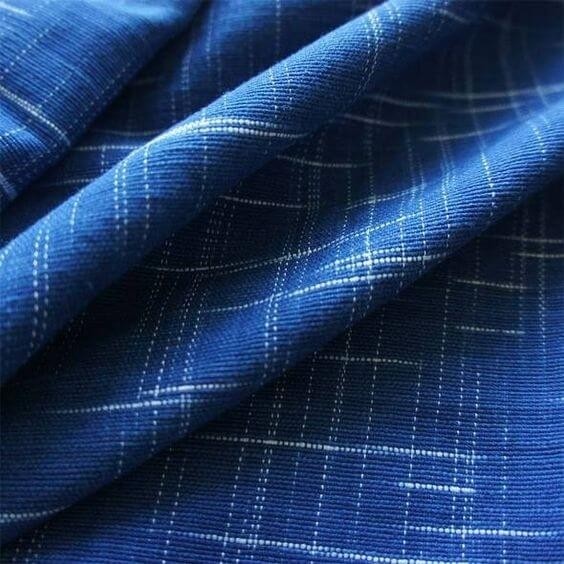
Ikat is associated with resist dyeing applied to yarn before weaving. Sewport's guide contrasts that sequence with techniques such as batik or tie dye applied to already formed cloth. The distinction concerns the stage at which the pattern is introduced, rather than simply the presence of a blurred or geometric motif. A printed imitation can reproduce an ikat-like appearance without following the same manufacturing route. For a clear description, separate the visual design from the actual yarn-dyeing and weaving method used to make the textile.
Bindings control where dye reaches the yarn
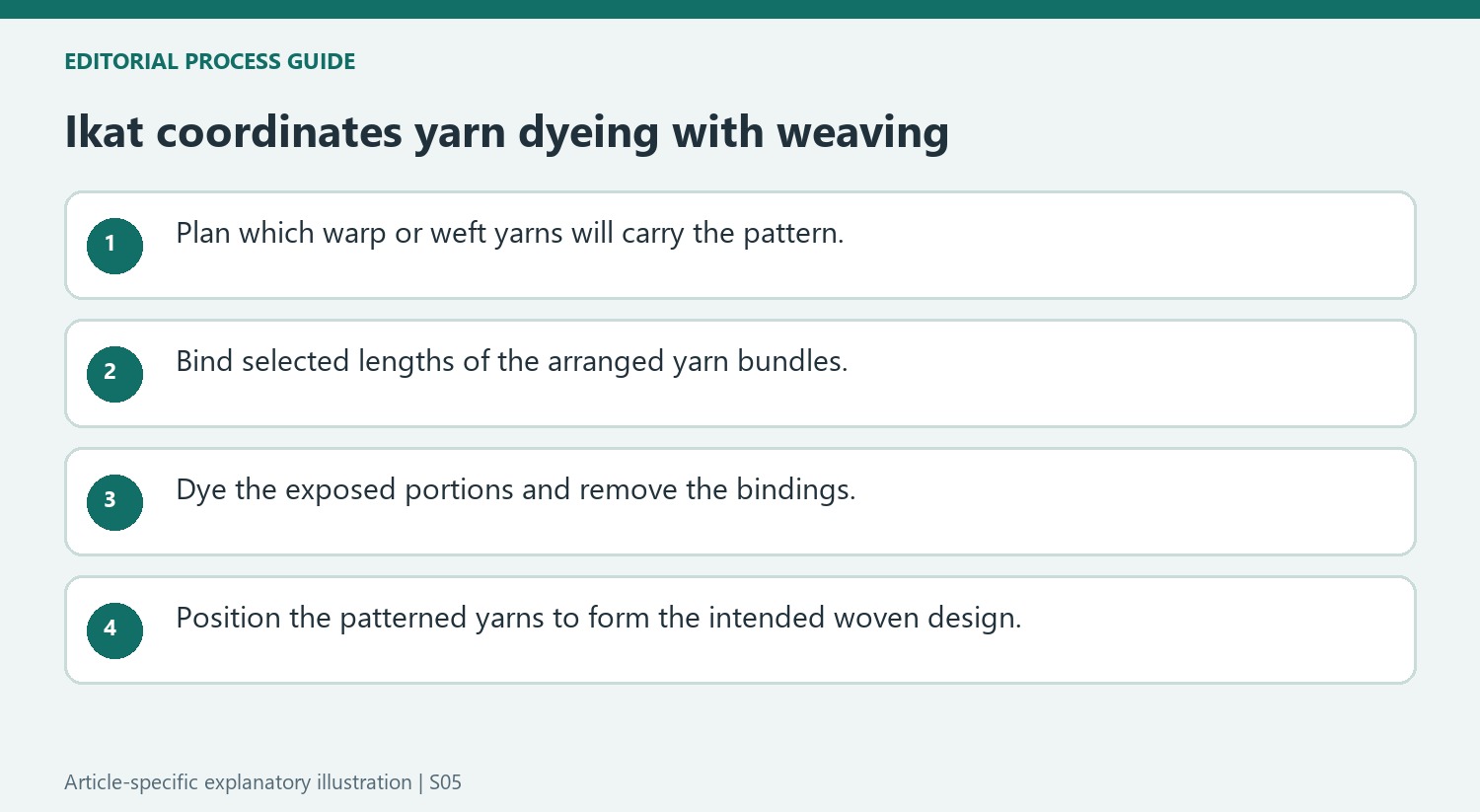
The source describes arranging yarn into bundles and binding selected sections so they resist the dye. After coloring, the bindings are removed and the yarn is positioned for weaving. The emerging pattern depends on bringing the colored sections into the intended relationship across the fabric. This links the dyeing plan with the later weaving arrangement: the design is not independent of how the yarn is laid out. The process can be carried out with different suitable fibers, so ikat does not identify one fixed raw material, fabric weight, or type of garment.
A shared technique spans different textile uses
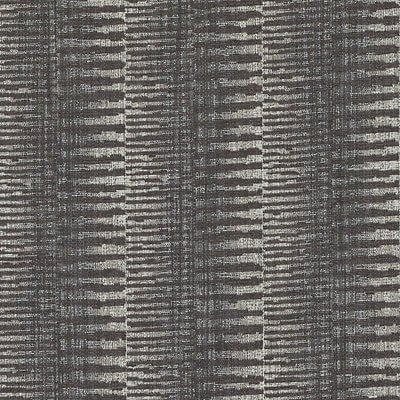
Sewport lists scarves, shawls, clothing, rugs, and wall hangings among applications. Those examples show why a technique name cannot provide a universal care instruction or durability level. Silk yarn, cotton yarn, and manufactured fibers have different material characteristics, while density and finishing further shape the cloth. The guide also notes the widespread cultural history of resist-dyed yarn textiles, so a single commercial label should not erase the particular tradition or maker behind an example. A useful specification combines process, composition, construction, and provenance, making clear whether a product is genuinely yarn-resist-dyed or simply carries a related printed motif.
Warp and weft determine the patterning route
The guide separates warp ikat, weft ikat, and double ikat according to which yarn system receives the resist-dyed design. In a warp example, the lengthwise yarns carry the planned color sequence while the crossing yarn can remain a solid color. A weft example places the changing color sequence in the crossing system instead. Double ikat requires the patterned systems to meet in a planned relationship. These categories describe how the design is constructed, rather than simply how many colors appear on the surface. A multicolored print may resemble either version, so the relevant question is where the pattern resides and whether the yarn was resist dyed before entering the cloth.
Alignment connects the dye plan to the loom
Binding a bundle establishes protected and exposed portions along its length. Dyeing those portions is only part of the job: the colored yarns subsequently need to occupy the intended positions in the woven structure. That explains why weaving cannot be treated as an unrelated operation after a finished design has somehow been completed. The planned relationships across adjacent yarns produce the recognizable pattern in the cloth. In double ikat, both systems contribute to that relationship, making their coordination especially important. A useful account of workmanship should describe the actual method and maker, avoiding the assumption that a familiar blurred appearance proves either a particular cultural origin or a specific level of hand production.
Specify the material beneath the motif
The same resist-dyeing principle can be applied to different suitable yarn materials. A silk scarf and a heavier furnishing fabric can consequently share an ikat process while behaving differently in handling and use. Composition and construction remain necessary when choosing between them. The source's long application list is best read as a set of possibilities, not as evidence that one ikat fabric is appropriate for every garment or interior project. Care guidance should follow the actual finished textile, including its fibers and dyes. Provenance adds another useful layer of description: the technique has a broad history, but an individual textile still belongs to a particular maker, location, and production practice.





Comments
0