 FabricKnowledge Lab
A plant-derived fiber is different from a motif
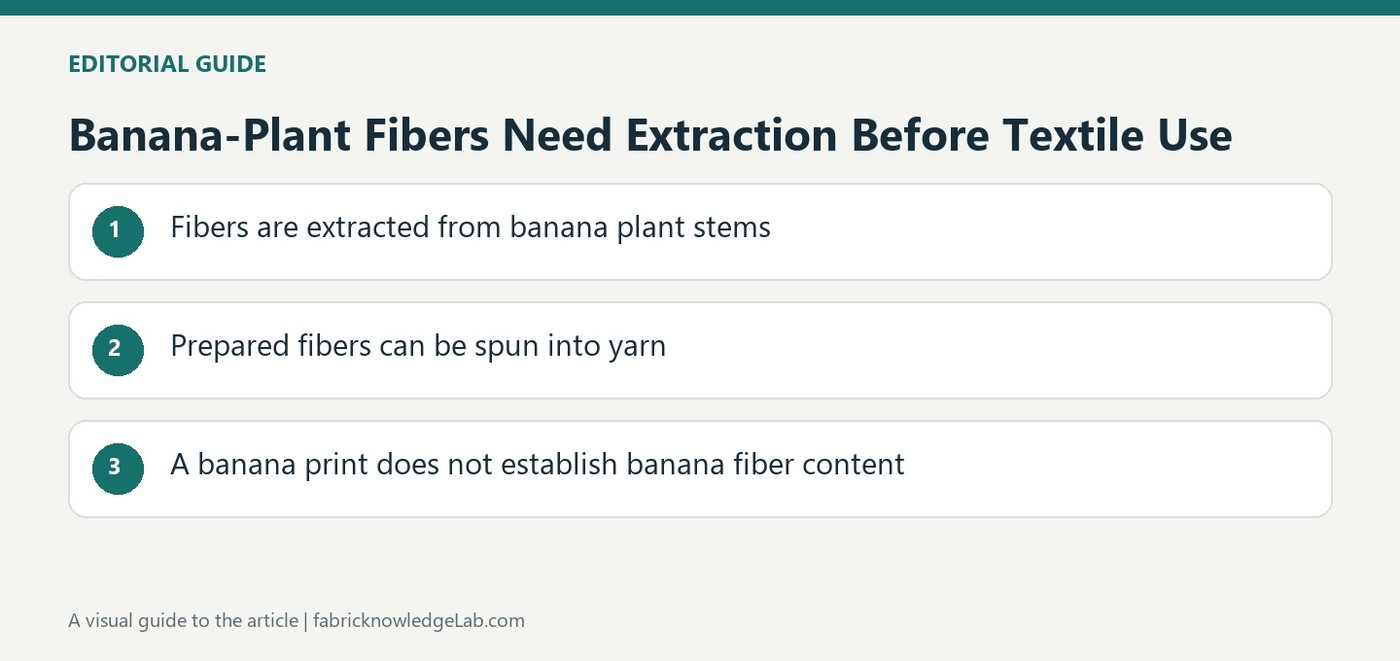
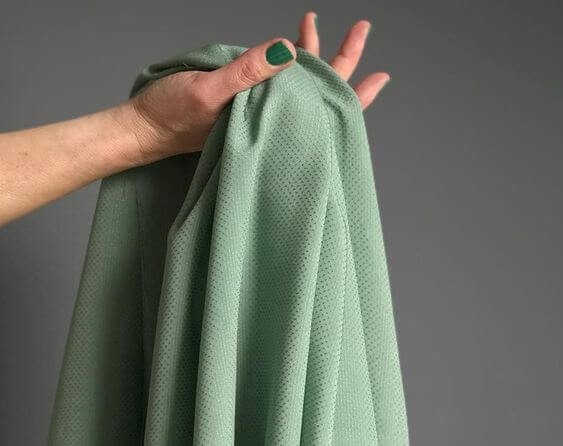
Banana-related textiles concern fibers extracted from parts of the plant, including the stem structures discussed in Sewport's guide. The term should be separated from cloth that merely shows banana images or uses banana as a color name. A printed cotton fabric is not evidence of banana-fiber content. Likewise, a commercial comparison with silk describes an intended appearance or touch, not a change in biological origin. A useful composition statement identifies the actual plant-derived fiber and any blend partners, rather than relying on an evocative product name or photograph.
Separation and preparation shape the usable material
The source describes separating fibrous portions from other plant material, followed by drying and further preparation. It discusses differences between coarser and finer fractions and the work needed before fibers can be assembled into yarn or other products. This sequence helps explain why an agricultural residue is not automatically ready for a loom. Extraction, cleaning, grading, and yarn preparation determine which material reaches the textile stage. The exact process and the plant part used should be specified, particularly where a supplier claims a fine apparel fiber rather than a coarser material suited to another purpose.
Applications do not all require the same fiber grade
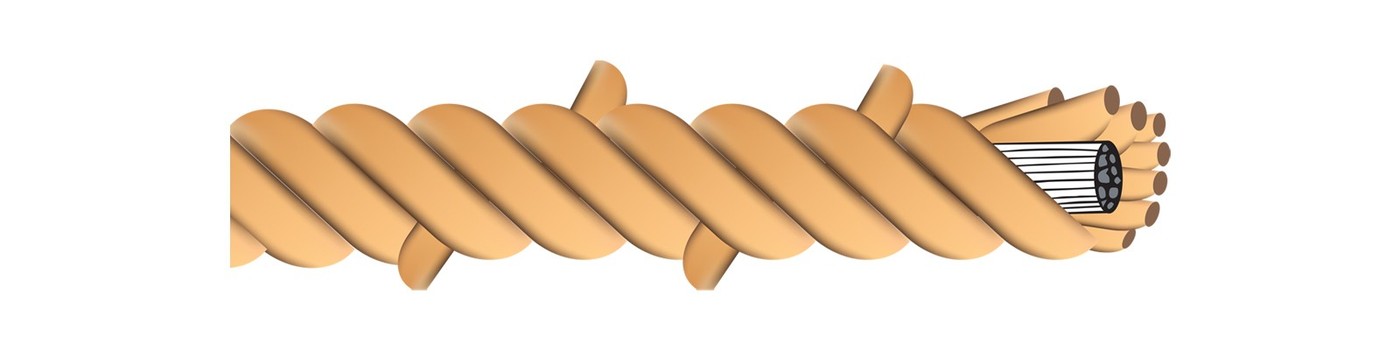
Sewport lists clothing, shawls, scarves, ropes, and mats among banana-fiber-related uses. Those products face different requirements for fineness, flexibility, and strength. The broad list does not establish that a single extracted fiber quality is suitable for every application or that every fabric marketed with the name has identical performance. For a practical assessment, request the composition, extraction route, yarn or web construction, and finished-product evidence. Claims involving agricultural waste or reduced environmental impact also require their own process information; the plant connection alone cannot account for all the work needed to make and use a textile.
Track the material from plant structure to yarn
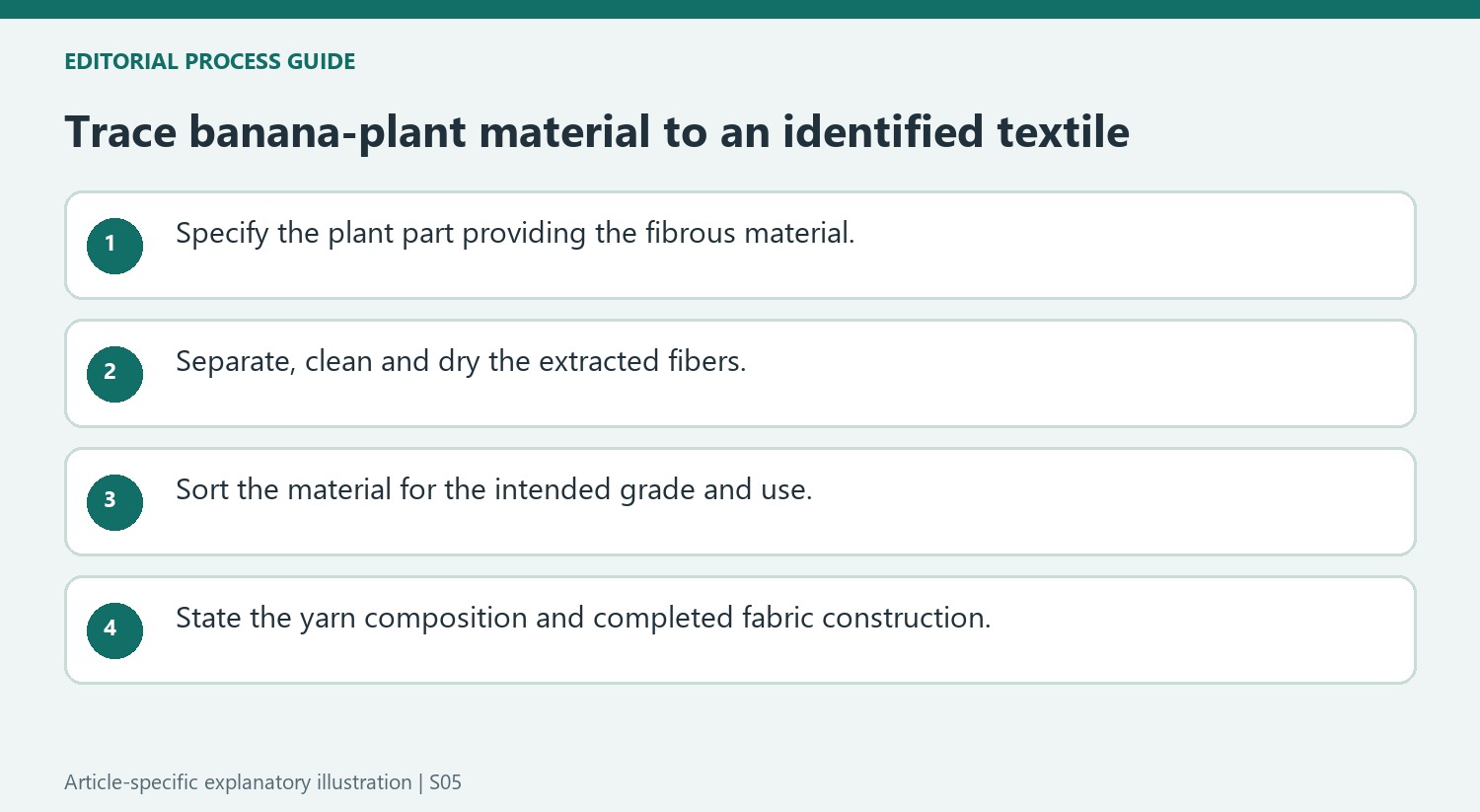
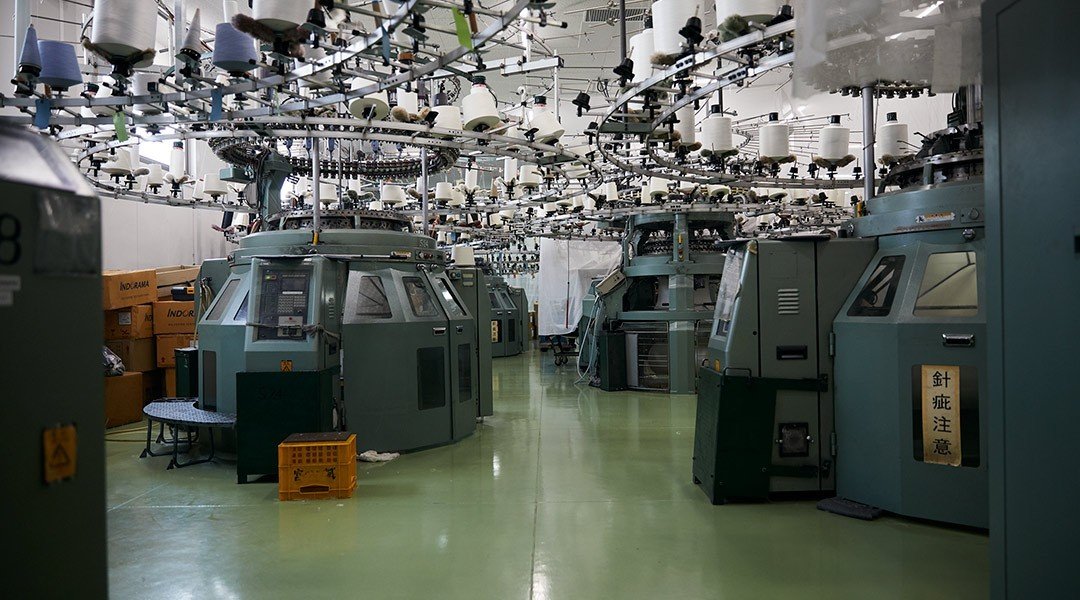
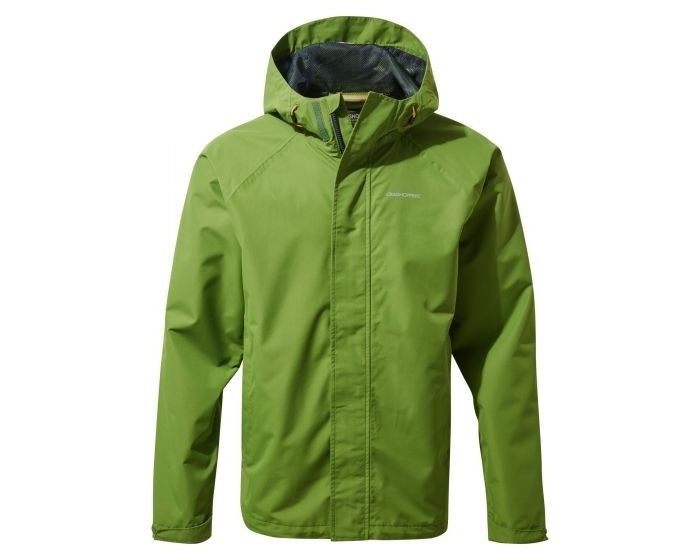
The useful production story begins with an identified part of the banana plant and the extraction of its fibrous material. The separated material then needs cleaning, drying, sorting, and preparation for the intended textile route. Each stage narrows the description from a general agricultural source to a usable fiber supply. This distinction matters when a seller offers a smooth yarn under a botanical name: the buyer needs to know how that yarn relates to the original extracted material. A photograph of a green fabric, a banana print, or a yellow silk cannot answer that question. Clear plant-part identification and the actual yarn composition provide a firmer basis for discussing the resulting cloth.
Use the grade to explain the proposed application
The guide distinguishes coarser material from finer fractions and lists applications that range from mats and ropes to clothing and accessories. These examples describe different demands rather than a universal promise that every extracted batch will work in a delicate blouse. Sorting and further preparation influence what can be made from the supplied fiber. A project intended for apparel should therefore identify the grade and any blend partners before comparing its feel with another textile. A rope or decorative mat may use a different preparation and construction altogether. Descriptions such as silk-like can convey an intended touch or appearance, but they do not replace evidence about the composition and performance of that particular product.
Evaluate residue use separately from finished-product claims
Recovering a useful fiber from plant material can be part of a resource-use story, but the extraction and textile stages still need to be described. The source's broad environmental statements do not provide a complete account of every producer's methods. Growing conditions, separation, cleaning, dyeing, and the eventual blend are separate pieces of information. A finished fabric cannot be assigned a measured impact merely because its name refers to a banana plant. Similarly, certification of an agricultural input does not automatically establish the status of every subsequent textile operation. For a purchase decision, keep the sourcing claim, fiber composition, and finished-item care information together while preserving the different questions that each of them answers.



Comments
0