 FabricKnowledge Lab
The account concerns a particular membrane route
Sewport's GORE-TEX guide focuses on expanded polytetrafluoroethylene, or ePTFE, and its use in layered outdoor materials. The expanded polymer forms a microporous membrane that can be incorporated with textile faces and backing layers. This is a description of the route covered by the source, rather than a current specification for every product sold under the wider brand. Material platforms and product generations can differ, so a buyer should identify the exact version in a garment rather than assuming that one historical membrane explanation describes the complete modern range.
Surface repellency is not the membrane itself
The guide discusses a durable water-repellent treatment on the outer textile and distinguishes it from the barrier beneath. The surface treatment helps reduce wetting of the face fabric, while the membrane provides a separate resistance to liquid-water passage. A wet outer cloth can change comfort and moisture movement without necessarily proving that the membrane has developed a hole. Conversely, a visibly beading surface alone does not establish that seams and the complete garment keep water out. These are different components of a layered system, so their functions should not be merged into a single coating claim.
Garment details complete the weather barrier
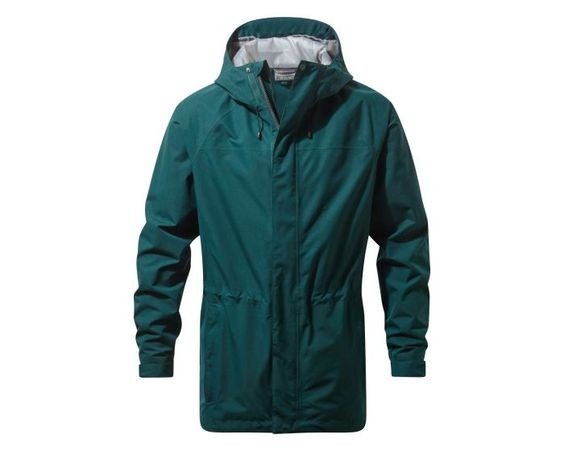
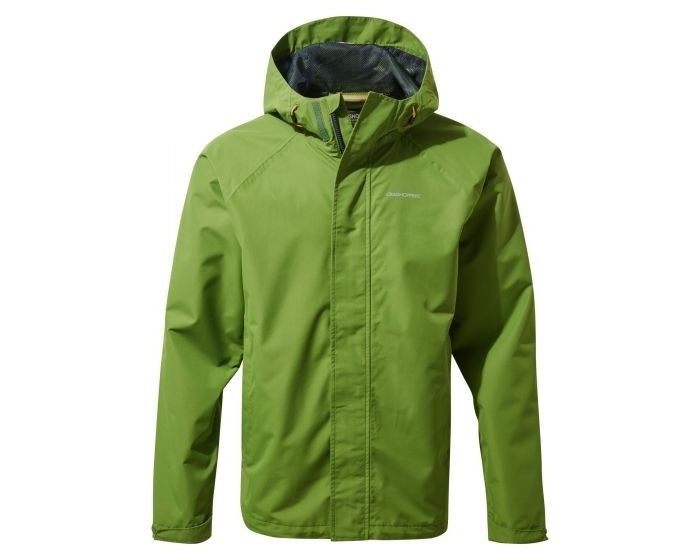
Sewport highlights seam sealing and applications in jackets, gloves, and footwear. Cutting and sewing a laminate creates joins and openings that need appropriate construction if the product is to meet its intended performance. The actual garment also needs care suited to its face fabric, membrane, trims, and finish. For a useful comparison, examine the named material version, its layer arrangement, relevant test methods, and complete product design. The source helps explain the division of roles within one membrane-based system, while the specific product documentation establishes what performance and maintenance apply to an item being purchased.
Keep historical membrane chemistry attached to its version
The production account describes stretching PTFE to obtain the expanded material used in a particular membrane route. That history explains one important development in weather-resistant clothing. It should not become a claim that every product sold under the brand today has exactly the same chemistry or layer arrangement. Product names and generations in the guide also refer to different intended uses. When identifying a current jacket, use its own model information and membrane specification rather than assigning the entire historical process to it. The relevant description connects an identifiable laminate with a particular garment. A general account of the brand is helpful context, but cannot supply missing details for an individual product.
Trace a raindrop beyond the face fabric
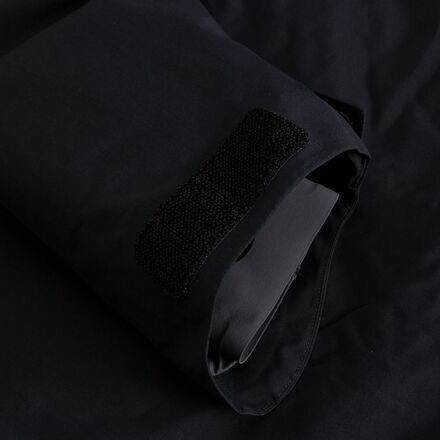
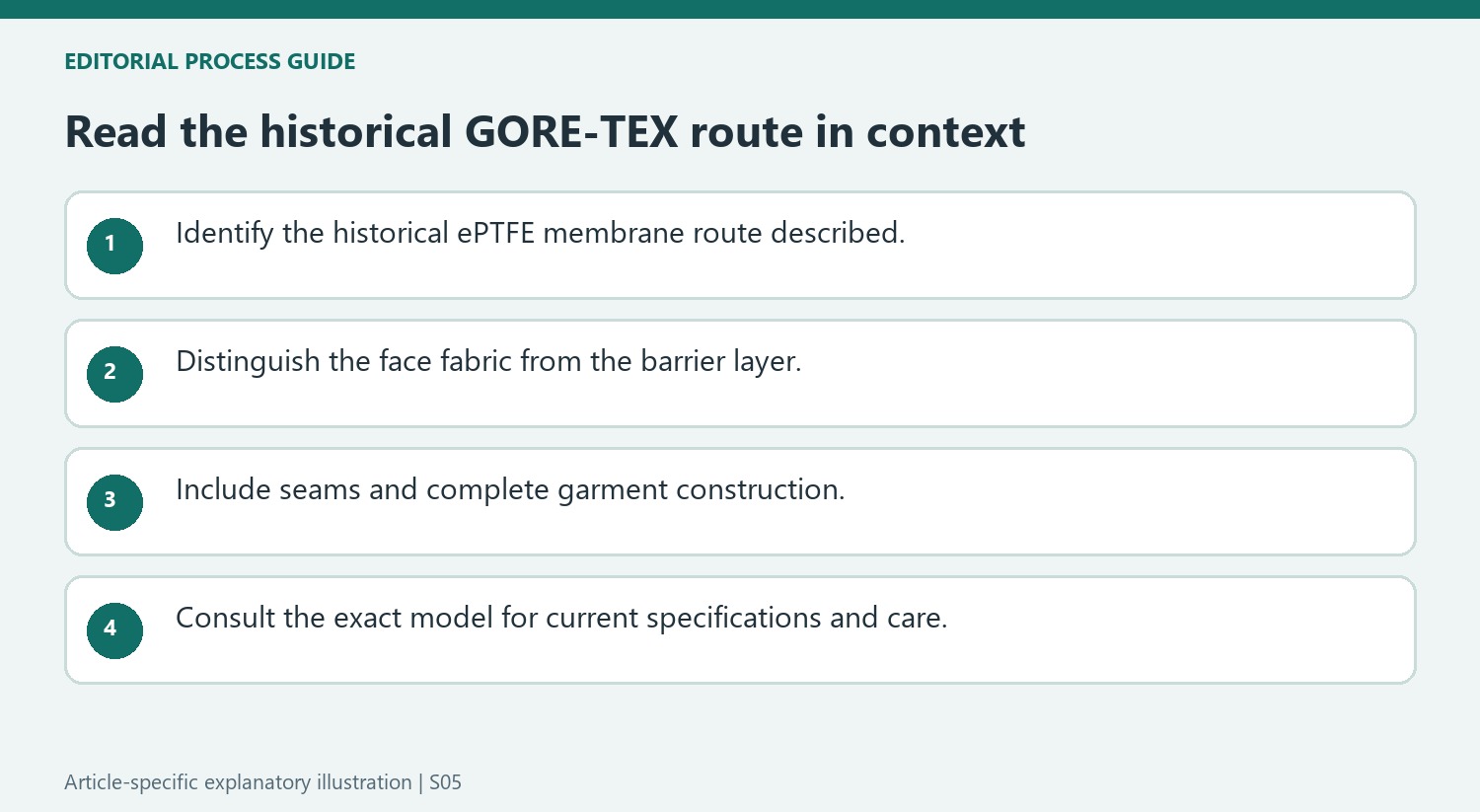
The outer face, the barrier layer, and the garment's seams perform different jobs. Water beading on the surface concerns the surface treatment; resistance to passage through the assembly involves the membrane and how the product is built. A face fabric that wets out therefore presents a different observation from water entering through an opening or poorly protected seam. The source's discussion of seam tape underlines why joining the panels matters. A jacket is assembled from pieces, so a useful assessment considers the completed construction rather than a detached square of membrane alone. Cuffs, closures, and garment coverage also belong to the product being used outdoors, alongside the laminate's own stated capabilities.
Choose the application before comparing product families
A packable jacket, a more demanding outer shell, and waterproof footwear place the barrier in different structures. The source describes examples ranging from clothing laminates to shoe constructions, which illustrates why one headline property does not fully describe their use. Weight, protection, flexibility, and construction can be balanced differently across these applications. Product information should identify what the item is designed to do and which version it contains. Maintenance should likewise follow the actual manufacturer instructions, including any guidance for its surface treatment. The historical ePTFE explanation is valuable for understanding the membrane concept, while the finished item's specification remains the appropriate reference for care, performance claims, and its intended outdoor role.




Comments
0