 FabricKnowledge Lab
One polymer can become different products
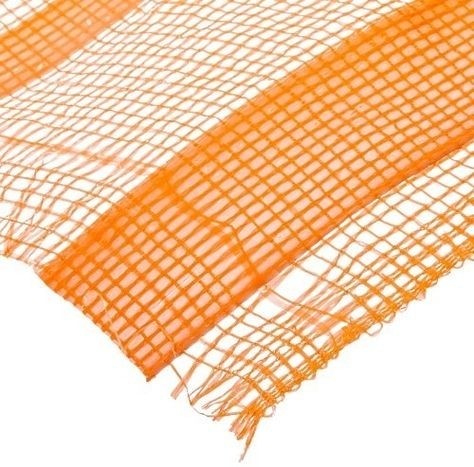
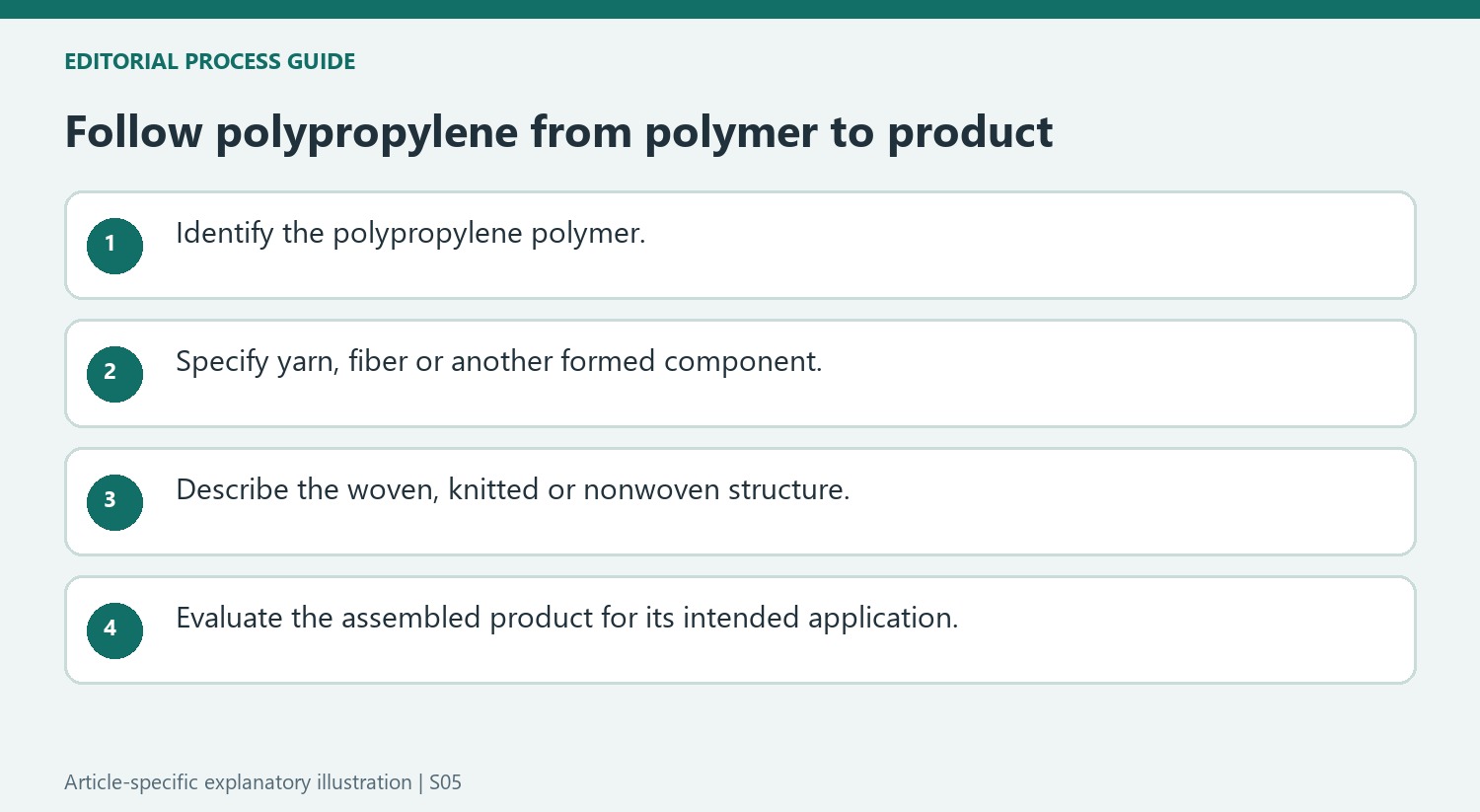
Polypropylene is a thermoplastic polymer within the polyolefin family. Sewport's guide discusses its use across textiles, packaging, ropes, bags, and other goods. That broad application range shows why a polymer name does not describe one fabric structure. A woven bag material, a knitted garment, and a nonwoven hygiene layer can all use polypropylene while having different yarn or fiber arrangements. The source's examples include both textile and non-textile products, so the relevant specification must identify how the polymer has been formed and assembled rather than assuming every item is a sheet of the same material.
Low absorption differs from moving liquid
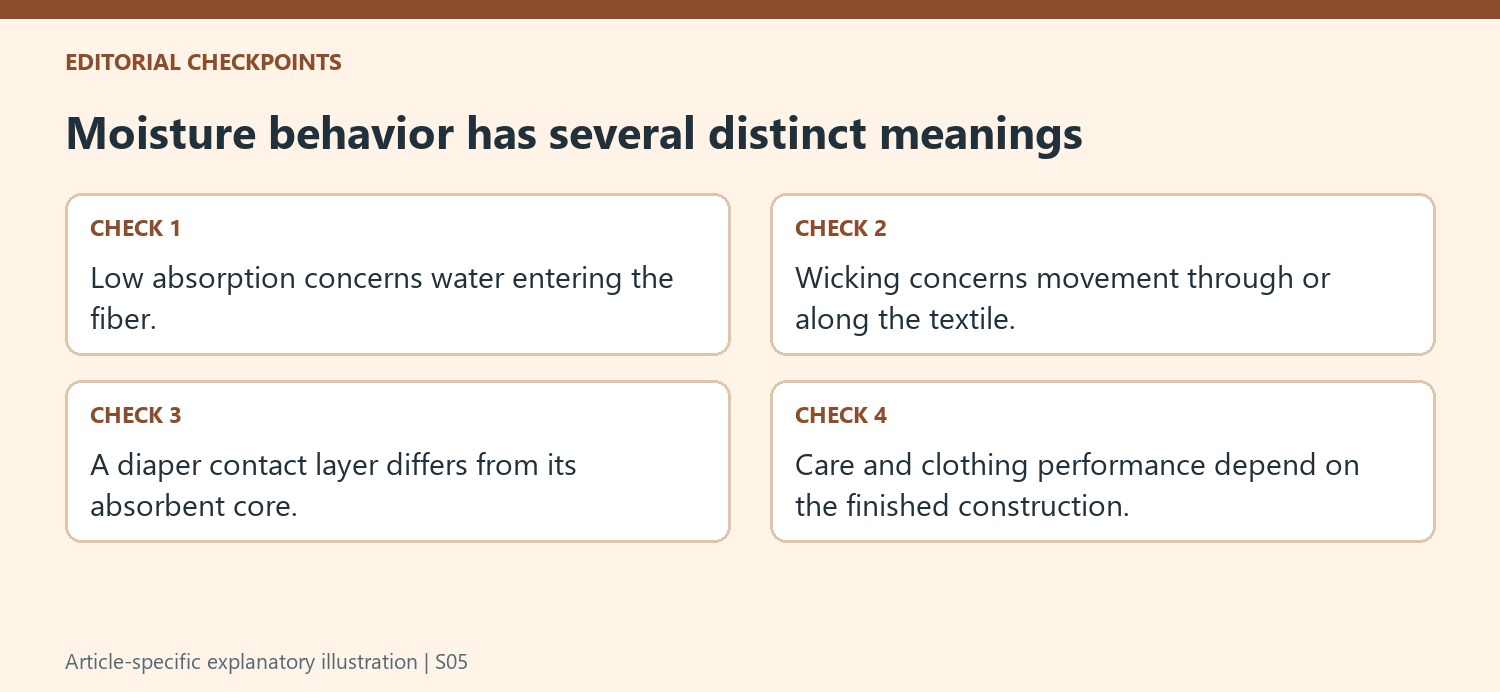
The guide emphasizes polypropylene's low water absorption and its use where moisture transfer is desirable. These ideas need to remain distinct. A fiber that absorbs little water internally does not automatically make every resulting fabric move liquid away from the body at the same rate. Fiber shape, surface treatment, pore arrangement, and product construction affect what happens to moisture on and between the fibers. Likewise, drying and vapor transfer are different measurements. The material's behavior provides a starting point for design, while the actual textile needs testing for its intended role.
Hygiene layers and clothing face different demands
Sewport lists diaper components, base layers, sportswear, ropes, and bags among applications. It also discusses odor retention and sensitivity to heat as considerations for clothing and care. A component intended to pass liquid into an absorbent core has a different function from an insulating garment or a load-carrying bag. Those uses should not share an unrestricted performance claim merely because their polymer is the same. A useful description identifies composition, textile structure, any treatments, and the finished product's care guidance. That information explains the particular polypropylene textile more clearly than a generic claim that the plastic is always breathable or always moisture wicking.
Describe the structure after naming the polymer
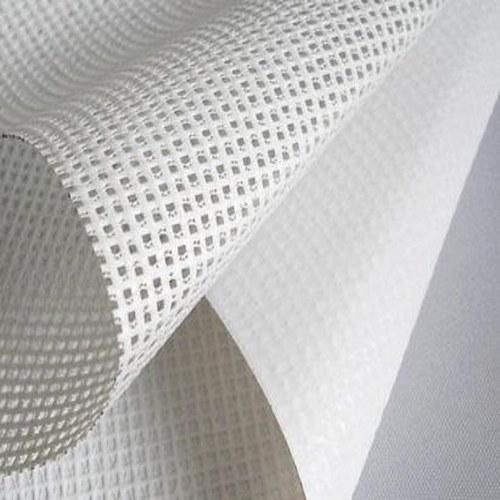
A fabric specification should move beyond the abbreviation PP to identify the form actually being supplied. Yarn arranged in a weave is different from fibers assembled into a nonwoven web, even when both use polypropylene. These arrangements present different openings, surfaces, and opportunities for reinforcement. A bag description may consequently emphasize the construction that supports carrying, while a clothing description needs to explain the material that contacts the wearer. The source's varied examples are useful precisely because they show a wide range of applications. They do not support treating a packaging material, a garment, and a hygiene component as interchangeable samples of a single finished cloth with identical handling or performance.
Follow liquid through the whole hygiene assembly
A diaper example makes the distinction between a component and a complete product especially clear. A layer intended to admit liquid toward the interior is serving a different role from the core that retains it. A statement that polypropylene fibers absorb little water does not explain the capacity of that core, nor does it establish that the outer surface will remain dry under every condition. Layer arrangement and the treatment of the contact surface belong in the description. The same reasoning helps when reading clothing claims: movement of liquid along a surface is a separate outcome from moisture entering the fiber itself. Identify the measured behavior instead of using absorption and wicking as synonyms.
Connect care guidance with the finished item
The guide discusses sensitivity to heat and the possibility of retaining odors in clothing. Those considerations are reasons to check the actual garment's instructions, rather than to invent one washing rule for every polypropylene product. A textile may include other fibers, coatings, elastic components, or attachments whose care limits differ from the base polymer description. Likewise, a rope or reusable bag has a different service environment from a base layer worn against the skin. Comparing such products requires the intended use, construction, and relevant test results. The polymer name remains useful for identifying the material family, but it should sit alongside those practical details instead of replacing them in a complete product specification.



Comments
0