 FabricKnowledge Lab
Fiber identity does not determine all UV behavior
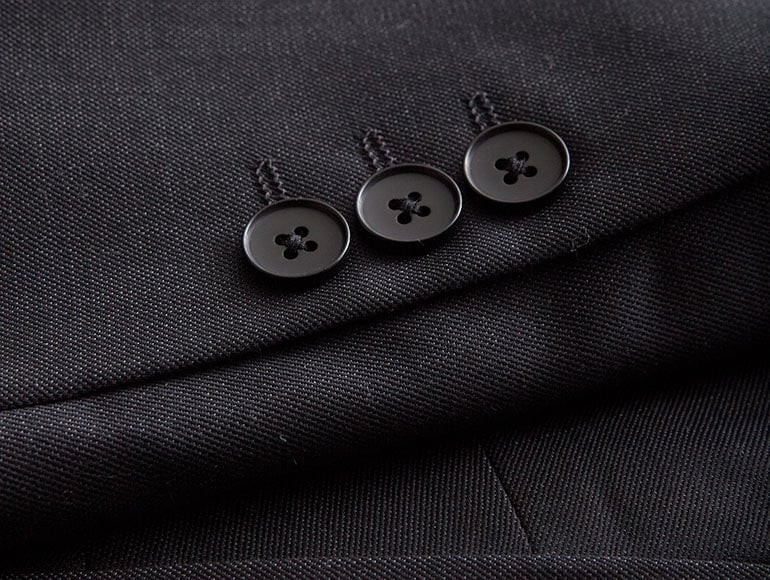
Woolmark's UV-Control Merino page says wool can absorb ultraviolet radiation but emphasizes that a textile's effectiveness also depends on fabric density and color. This is an important distinction between a raw material and a finished fabric. A dense dark cloth and a light open knit can present different pathways for radiation even when they share a wool component. The development adds a UV-absorbing finish where additional performance is required. It should therefore be described as a specified treatment of a particular textile, rather than a universal level of protection attached to every Merino garment.
The finish can enter at several production stages
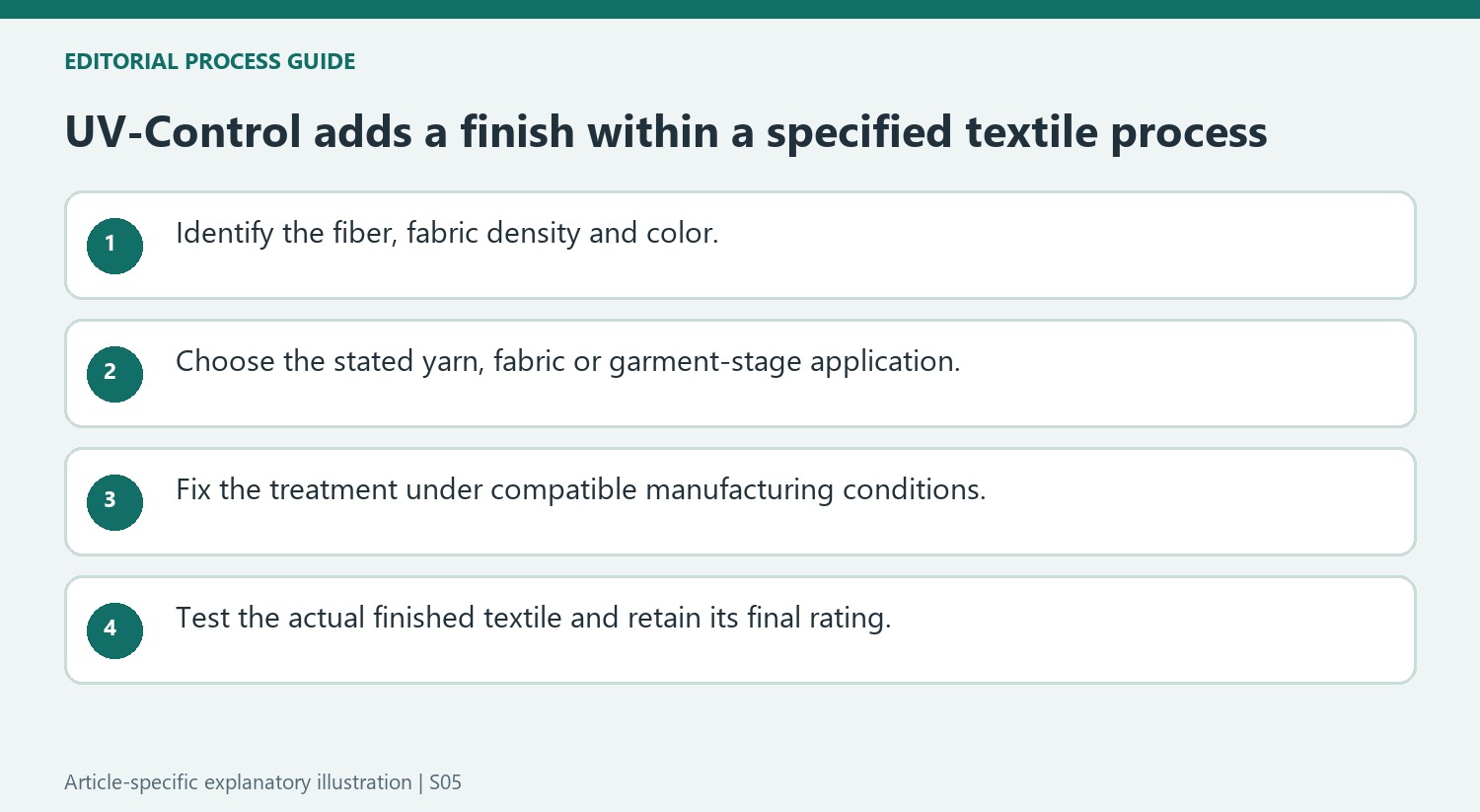
The account describes applying the treatment during dyeing or bleaching at yarn, fabric, or knitted-garment stage. It can also be introduced after dyeing by exhaustion or padding, followed by drying to fix it under conditions compatible with the fabric's color and handle. These alternatives show how a mill can integrate the finish into different production routes. They are not interchangeable home-care methods. The chosen recipe and the actual material matter, particularly when assessing the final fabric rather than relying on a general description of the chemical finish.
A claimed increase is different from a final rating
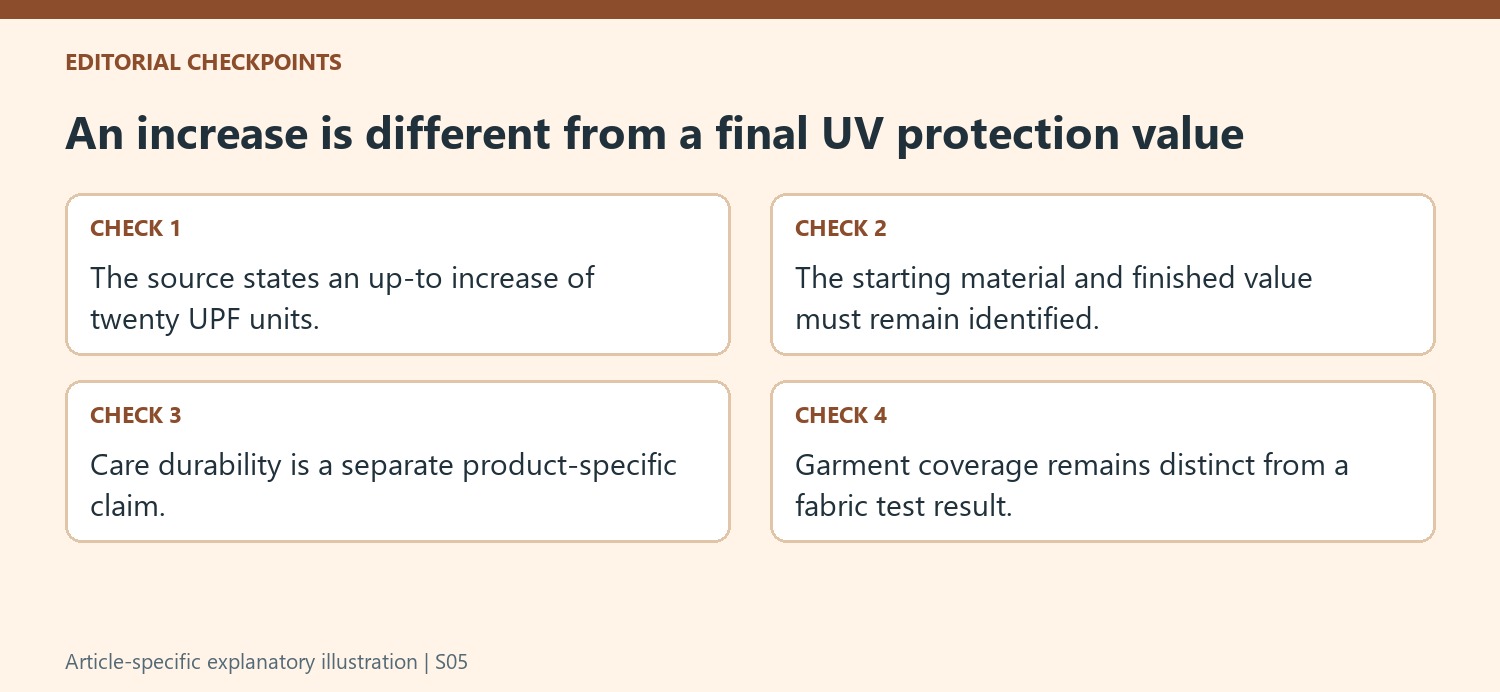
Woolmark reports a possible increase in ultraviolet protection factor and describes resistance to washing and dry cleaning, along with reduced yellowing and fiber degradation. Those statements concern the presented treatment. An increase from an unspecified starting point does not establish the final UPF of every product, and garment coverage remains a separate consideration. For a clear specification, request the tested value for the actual finished textile, its care durability, and the relevant conditions. The treatment adds one tool to textile design, while the complete garment and its use determine the protection available to the wearer.
The finish supplements a fabric rather than defining all protection
Woolmark says density and color influence the ultraviolet behavior of textiles, even where wool supplies a naturally absorbing fiber. Adding a finish therefore addresses one part of a broader material system. The actual yarn arrangement, coverage, color, and construction remain relevant to the finished cloth. A garment adds another level, because the area it covers is different from the laboratory performance of a sample. This makes the specific product the correct subject of a protection claim. The source introduces a tool for additional UV absorption, rather than providing one final rating for every Merino fabric or every piece of clothing that mentions the technology.
Application stages need their actual recipe identified
The page describes several opportunities to introduce the finish: during dyeing or bleaching, at yarn or fabric level, or in knitted-garment finishing. It also mentions exhaustion and padding after dyeing, followed by drying to fix the treatment within conditions compatible with color and handle. These are manufacturing alternatives, not a single home treatment. A development specification should identify the actual route and material rather than repeat every possible option as though all were performed. The final textile is the relevant test sample, because an application description alone does not establish how evenly the finish was applied, what performance it produced, or how the supplied cloth behaves after the intended care process.
An up-to increase needs a starting point and finished value
The source reports a possible increase of up to twenty UPF units. An increment is not the same as the product's final ultraviolet protection factor, particularly when the starting material is unspecified. The headline therefore should not be read as a guaranteed final rating or an identical increase for every density and color. Woolmark also lists washing and dry-cleaning durability, reduced yellowing, and reduced fiber degradation among intended effects. Each claim needs evidence appropriate to the actual material and conditions. A useful product account retains the tested final value, relevant care information, and garment coverage alongside the treatment description. That preserves the innovation's purpose without turning a conditional material claim into unrestricted sun protection.
References
- UV-Control Merino. The Woolmark Company; The Woolmark Company.


Comments
0