 FabricKnowledge Lab
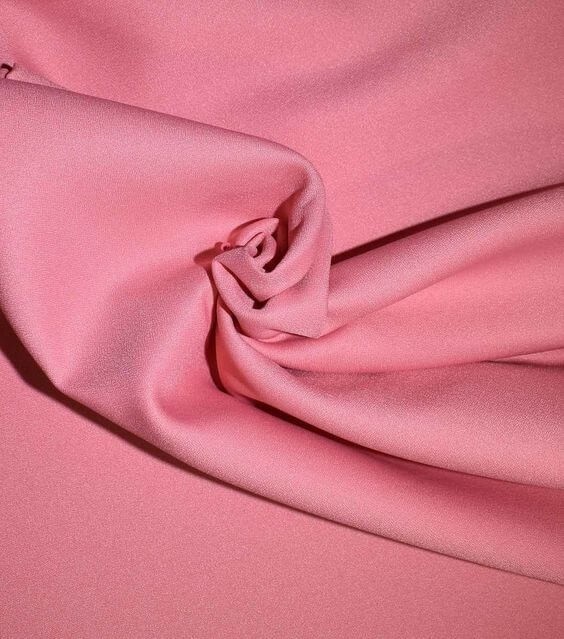
A textured appearance rather than one fiber
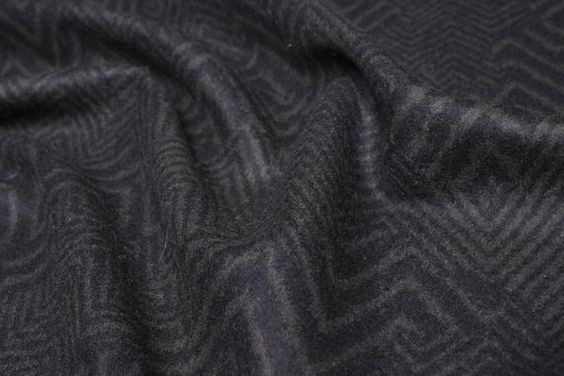
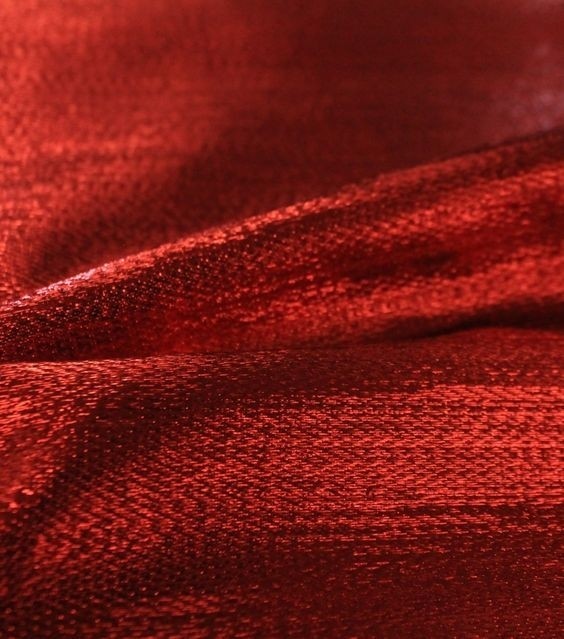
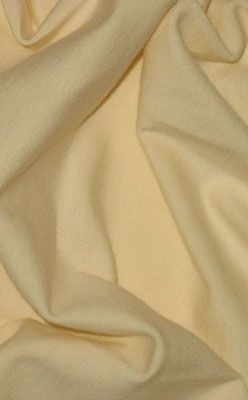
Crepe is associated with a pebbled, rippled, or crinkled textile surface, and Sewport's guide lists silk, wool, and manufactured fibers among its possible materials. The name therefore does not identify one raw ingredient or one fixed weight. A light silk scarf and a more substantial wool dress fabric can both be described as crepe while having different handling and care needs. The useful starting point is the surface and how it was created, followed by the fiber composition and construction that give a particular version its individual character.
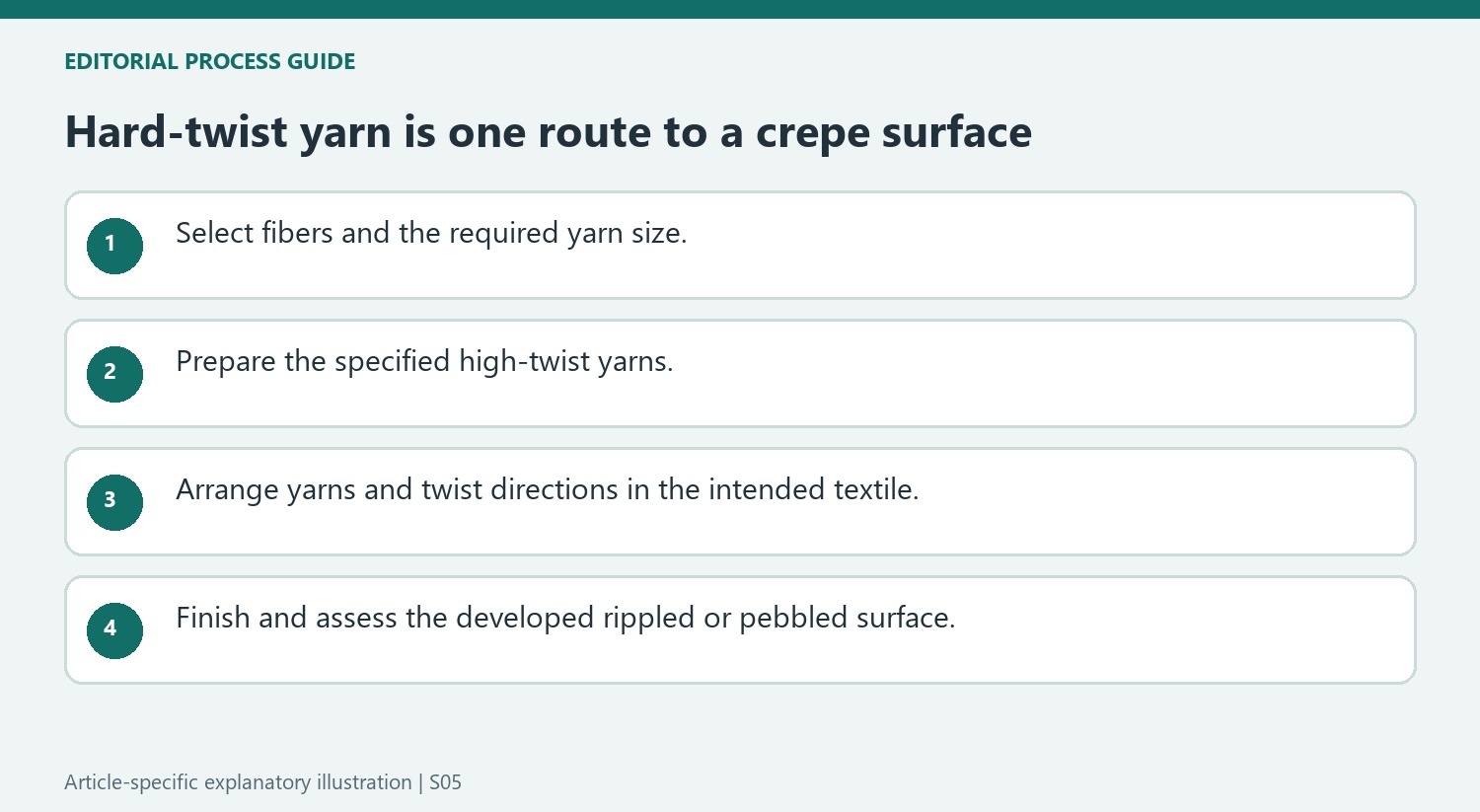
High twist is one important route
The source describes hard-twisted yarns and the use of different twist directions, commonly called S and Z, in creating a lively textured effect. Those names refer to the direction of the twist, not to different fiber species. Yarn preparation and fabric arrangement work together, with finishing helping the intended surface develop. This explanation also shows why crepe should not be treated simply as a print. The effect can arise from the physical behavior of the yarns within the textile. Different crepe families can use other structural or finishing approaches, so the exact material still needs identification.
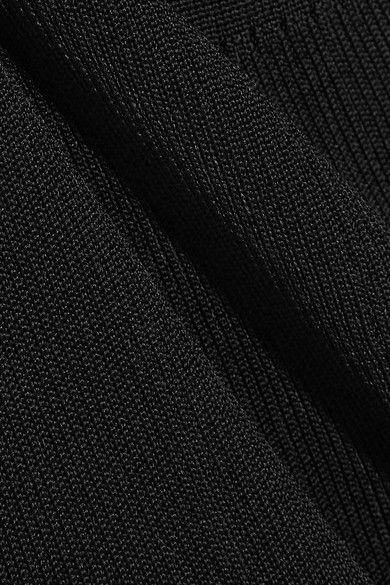
Drape and intended use guide selection
Sewport lists scarves, wraps, dresses, eveningwear, and other garments among applications and discusses a range of named crepe varieties. The broad list does not mean every example is equally delicate, equally stretchy, or suited to the same silhouette. Fiber, yarn, density, and finishing all influence the final cloth. For a project that needs fluid drape, inspect the actual fabric rather than assuming the name guarantees it. A useful specification combines the crepe description with composition, weight, opacity, and care information, making the surface category one part of a complete material choice.
Hard twist is an upstream choice with a visible result
The source describes crepe yarn through a tighter twist than an ordinary yarn and identifies S and Z as opposite twist directions. Those labels concern the strand's geometry, not whether it comes from silk, wool, or a manufactured fiber. Arranging the selected yarns in a textile and developing the surface through finishing can produce a rippled or pebbled character. This route explains one important family of crepe effects, but it should not become a claim that every commercially named crepe uses one identical recipe. The broad category includes several constructions and treatments. A supplier should identify the actual yarn system and textile rather than relying solely on the familiar surface name.
Texture and printed pattern answer different questions
A floral crepe can combine a printed image with a physically textured base. The printed motif and the crepe effect are separate features, so recognizing one does not establish how the other was made. A plain-colored version can retain the same sort of surface interest without any pictorial print. This distinction is useful when comparing cloth for a garment: color pattern, fiber composition, weight, opacity, texture, and drape should each be considered. The source's examples range from light scarves and eveningwear to more substantial wool-related applications. They show why a textured appearance is not a complete measure of delicacy, warmth, extension, or suitability for one particular silhouette.
The finished sample should guide the garment choice
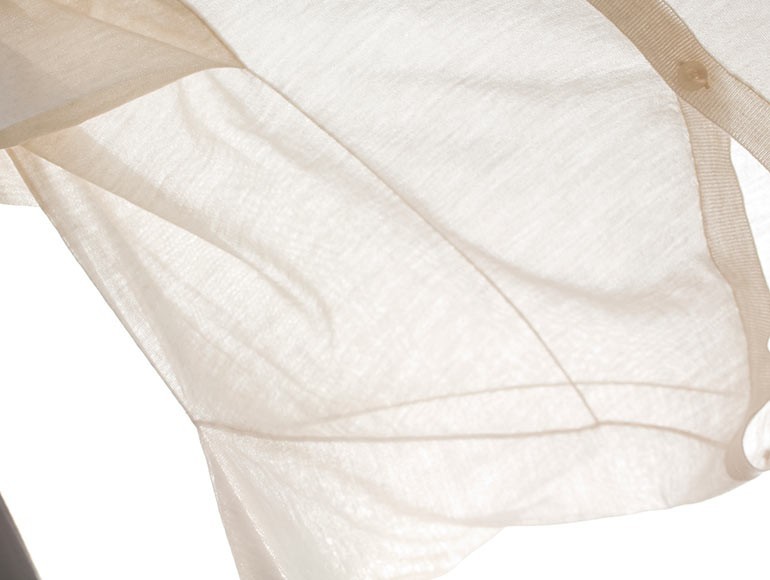
The guide associates many crepes with fluid clothing, but the material's actual behavior depends on more than the category. A light silk version and a heavier wool or manufactured-fiber version can differ substantially in body, surface, and care. For a project requiring a flowing dress, the actual fall and opacity of the cloth are more useful than assuming every crepe meets the same brief. Likewise, a firmer sample might suit another design rather than being a defective example of the family. Composition, yarn, construction, and finishing provide the explanation. The finished garment's care label should then govern treatment of its particular textile and components, with the crepe name retained as one part of the description.



Comments
0