 FabricKnowledge Lab
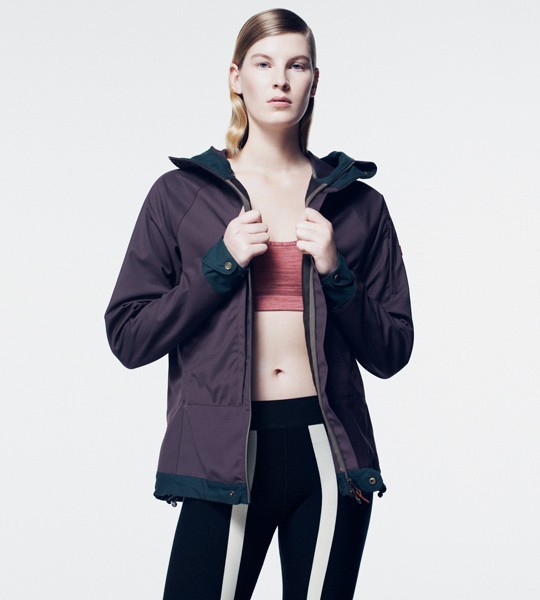
A compact fabric becomes a garment component
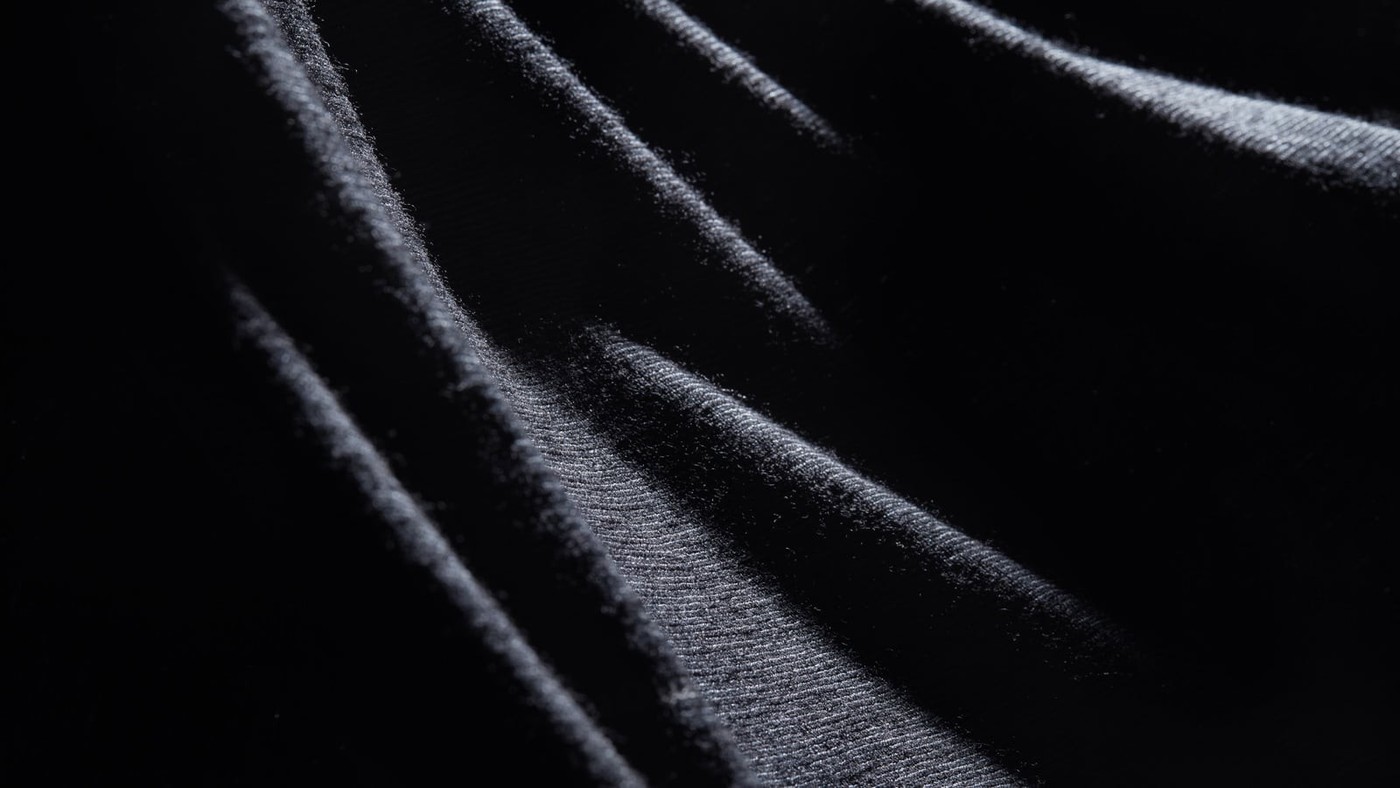
Woolmark's water-resistant-wool article describes using OPTIM fiber-stretching technology to create dense woven Merino fabrics for outerwear. Fine wool fibers are temporarily stretched before spinning and weaving, then allowed to recover during wet finishing. The resulting contraction tightens the yarn arrangement. The page connects reduced air permeability with wind resistance and higher resistance to water penetration. These are fabric characteristics, while a jacket adds a pattern, seams, closures, pockets, and sometimes insulation. The material's performance and the complete garment's performance should therefore be described as related but separate levels of design.
Named jackets use the material in different ways
The article discusses Devold's Trollkyrkja jacket and an insulated coat that combines the shell technology with the brand's Spacer material. It also identifies RÖJK Superwear's Badland Jacket as another application. The examples show that the same dense-fabric approach can enter products with different warmth and construction choices. A weather-resistant shell and an insulated coat are not interchangeable simply because both use Merino wool. The extra layer or spacing structure contributes its own role, while the outer fabric addresses wind and water exposure in the way specified for that product.
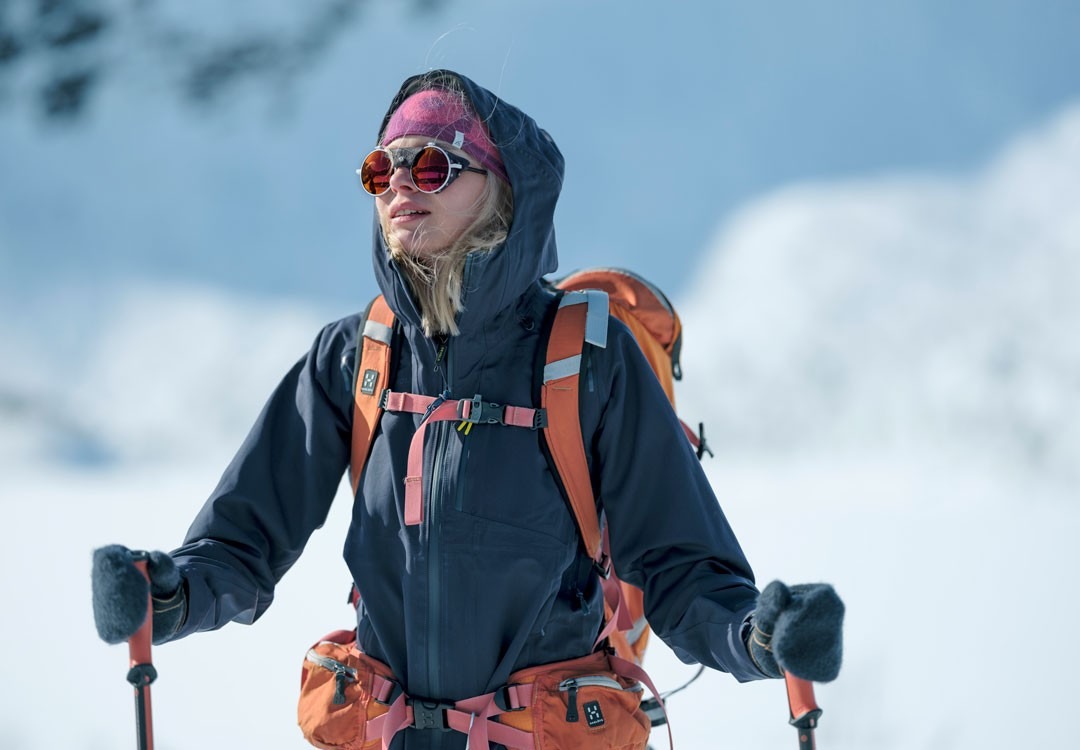
The wider range includes blends and varied weights
Woolmark says OPTIM has expanded into variants including Classic, Luxury, Stretch, Blend, Fancy, and Double, with different weights and some blended compositions. This is important context for a label that highlights the technology. A particular version may not share the exact composition of the initial 100 percent wool example. For selection, identify the actual fabric and finished garment, including any additional fiber, lining, or insulation. Water resistance should also remain distinct from an unrestricted waterproof guarantee. The development demonstrates a construction-based route to weather-resistant wool, while the product specification defines its practical limits.
The dense structure is created through a coordinated sequence
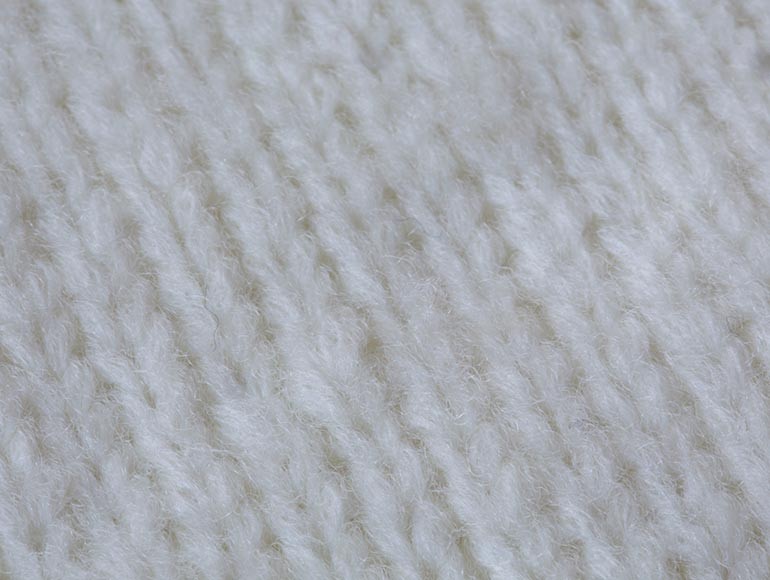
The account begins with fine Merino fibers that are stretched before they are spun and woven. High thread density is already part of the woven specification, and wet finishing then releases the stored extension so the yarns contract further. This explains why the source calls the resulting structure particularly compact. The development is more specific than choosing any wool and weaving it tightly. It coordinates fiber preparation, yarn, weave, and finishing to obtain the intended behavior. The page associates that compactness with reduced air passage and increased water resistance, but those are fabric properties that still need to be evaluated within the particular garment into which the cloth is made.
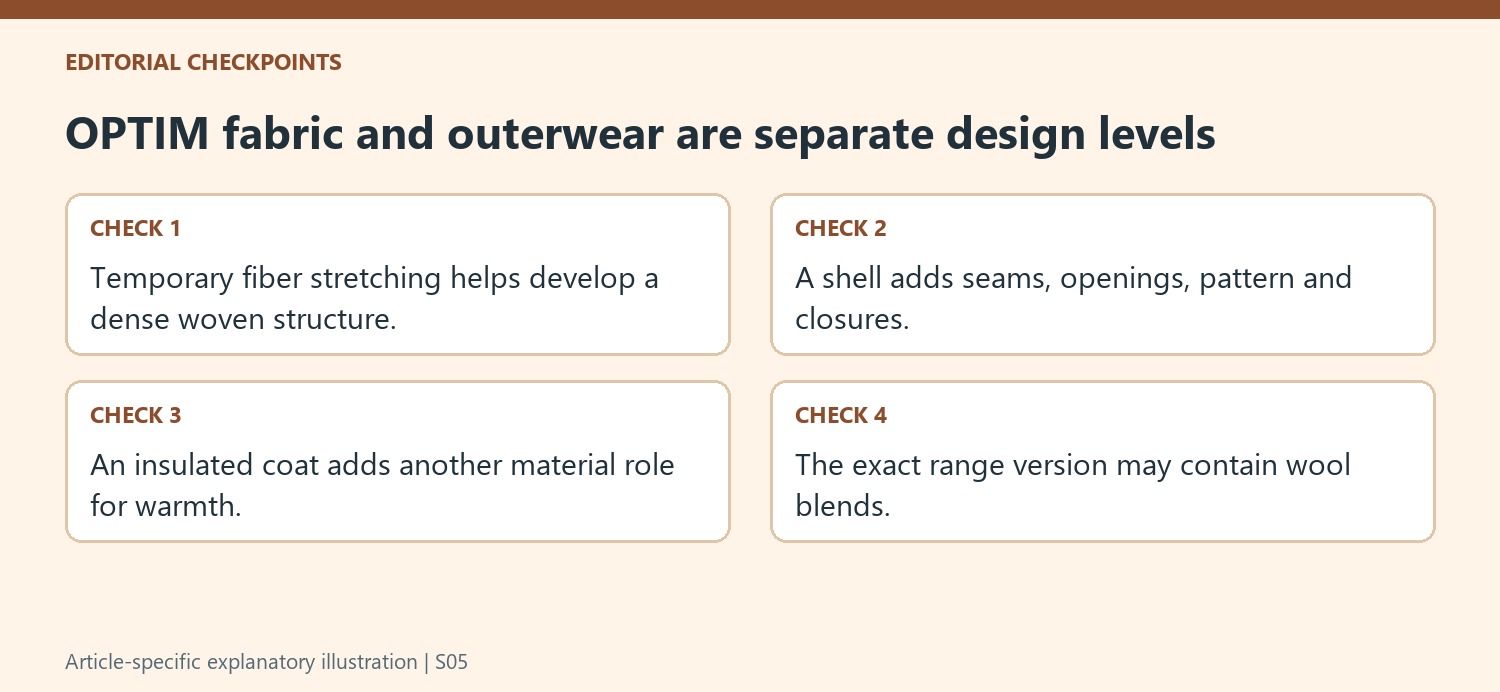
A shell and an insulated coat place the material differently
The Devold examples include both the Trollkyrkja shell concept and a later insulated coat combined with the brand's Spacer material. In one, the dense fabric primarily serves as the outer weather-facing layer; in the other, another material system contributes warmth and spacing. The RÖJK Badland Jacket provides a separate brand application. These examples are useful precisely because they preserve different product roles. A shared outer fabric technology does not mean the garments have identical insulation, pattern, closures, or use conditions. The source's customer and brand statements are descriptions of their experience and positioning, rather than one measured result that can be assigned to every later wool shell.
The range name needs its exact version attached
Woolmark lists Classic, Luxury, Stretch, Blend, Fancy, and Double as the developed OPTIM family, explicitly including both all-wool fabrics and wool blends. A product using the technology therefore should not automatically inherit the initial example's 100 percent wool composition. A stretch partner, blended yarn, brushed reverse, lining, or insulation can change the complete specification. The same care applies to claims about avoiding durable water-repellent finishes: that manufacturing route is distinct from proving every assembled garment fully waterproof. For selection, identify the actual cloth, components, intended exposure, and product evidence. The account explains an interesting construction-led material option, while the finished item's documentation establishes its use and care. That distinction is particularly useful when comparing a light shell with an insulated coat, where similar outer materials serve different clothing systems.
References
- Wind and water resistant wool. The Woolmark Company; Devold Director; Business Development Vidar Thorvik.


Comments
0