 FabricKnowledge Lab
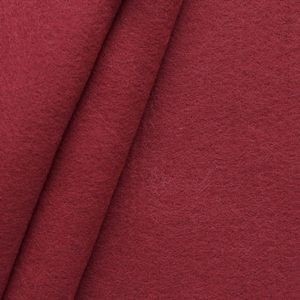
A matted surface can hide a woven base
Baize is commonly associated with a green cloth covering a gaming table, but color does not define its construction. Sewport's guide describes it as a woven textile that is subsequently felted or finished to develop a matted surface. This distinguishes it from felt made directly by consolidating loose fibers without first weaving yarn into cloth. The surfaces may look similar because the finishing can obscure the underlying weave. Identifying that base structure helps explain why two apparently similar sheets should not automatically be treated as the same material for a project or replacement table covering.
Wool preparation precedes weaving and finishing
The manufacturing account describes sorting and cleaning wool, preparing it for spinning, making yarn, and weaving the base cloth. Heat, moisture, and pressure then contribute to the compact surface associated with baize. The guide also discusses cotton and manufactured-fiber variants, showing that the commercial term does not always establish an identical composition. The fiber blend and finishing influence the resulting handle and use. A woven wool cloth and a synthetic craft material marketed with overlapping terminology may therefore differ in more than color or price, even when a seller presents them in the same product category.

Table applications require the right surface specification
Sewport lists pool, billiards, snooker, and card-table contexts, along with historical uses on desks and doors. It distinguishes surfaces with a more noticeable nap from comparatively smooth versions. Such differences matter to the intended task and should be specified rather than inferred from green baize alone. A replacement gaming cloth needs the appropriate material, surface, dimensions, and installation guidance for the particular table. The broad fabric history provides context, but the practical choice depends on the actual product specification, including how its woven base and finished surface have been prepared.
Surface finishing and base construction should remain visible
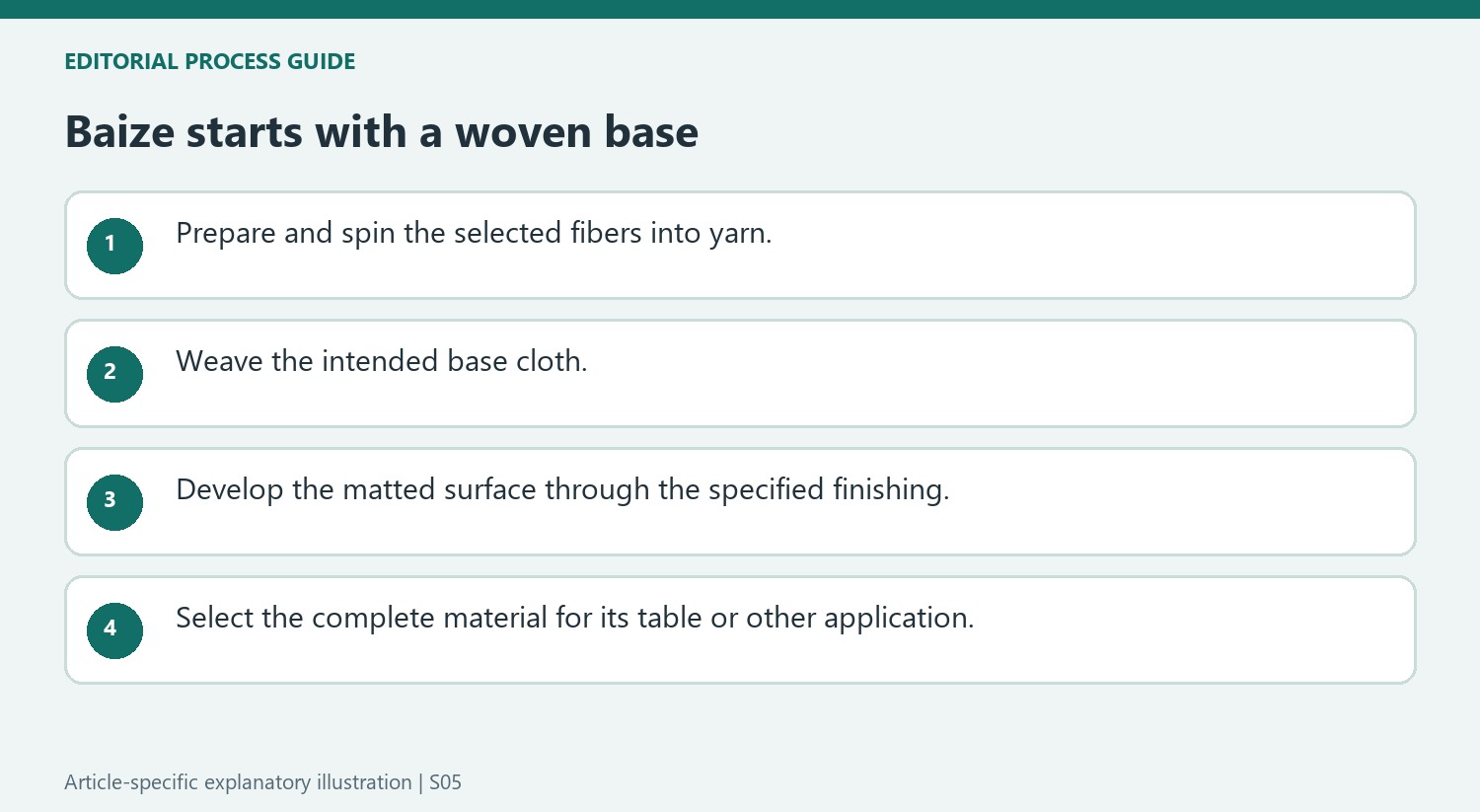
The source's account begins with preparing wool, spinning yarn, and weaving a cloth before heat, moisture, and pressure develop a matted surface. This order distinguishes baize from felt formed directly out of loose fibers. The later finish may make the woven arrangement less obvious, but it does not mean weaving never occurred. That is a useful distinction when two green sheets are sold under overlapping retail terms. A buyer should identify the actual base and composition rather than treating all felt-like material as structurally identical. The source also mentions alternatives containing cotton or manufactured fibers, so the term baize itself does not establish that every supplied product is entirely wool.
Gaming tables require more than a familiar green color
Sewport associates baize with billiards, snooker, pool, and other table games and discusses differences between more noticeable nap and smoother surfaces. Those are functional textile choices, not only decoration. A replacement cloth needs the intended table's dimensions and the appropriate surface and material specification, together with installation guidance from the relevant supplier. The historical use of green is useful cultural context, but the color alone cannot establish that a fabric meets the requirements of a particular game. Two green products may differ in weave, finishing, density, and composition. A sample and clear product description are therefore more reliable than choosing solely from the familiar association between baize and a gaming table.
Other historical uses illustrate a broader role
The guide also describes baize on writing surfaces, display contexts, and doors where sound-muffling qualities were valued. Those applications help explain why the material's history extends beyond gaming. They do not establish a modern acoustic rating for any door covered with an arbitrary baize-like cloth. The complete structure of an installation matters, just as the complete table covering matters in a game. For a practical project, begin with the actual task and obtain the relevant product information. The fabric family supplies a starting point, while composition, weight, surface finish, dimensions, and the way the material is attached or supported determine the particular application. Care instructions should likewise follow the supplied finished item rather than a universal rule based only on its color or name.




Comments
0