 FabricKnowledge Lab
Fabric weight is not total shirt weight
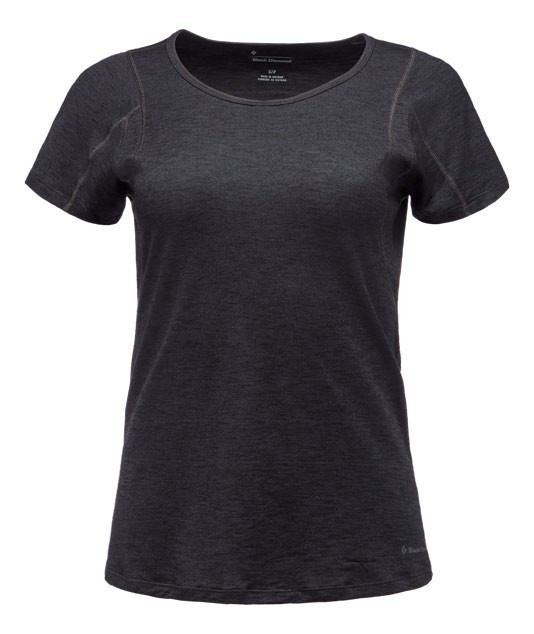
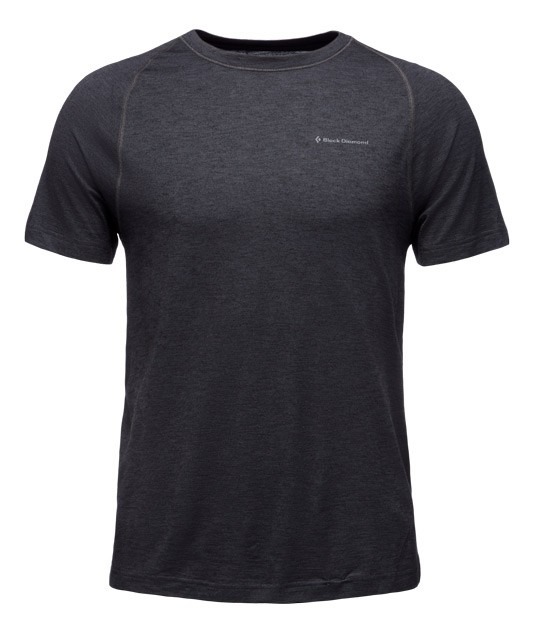
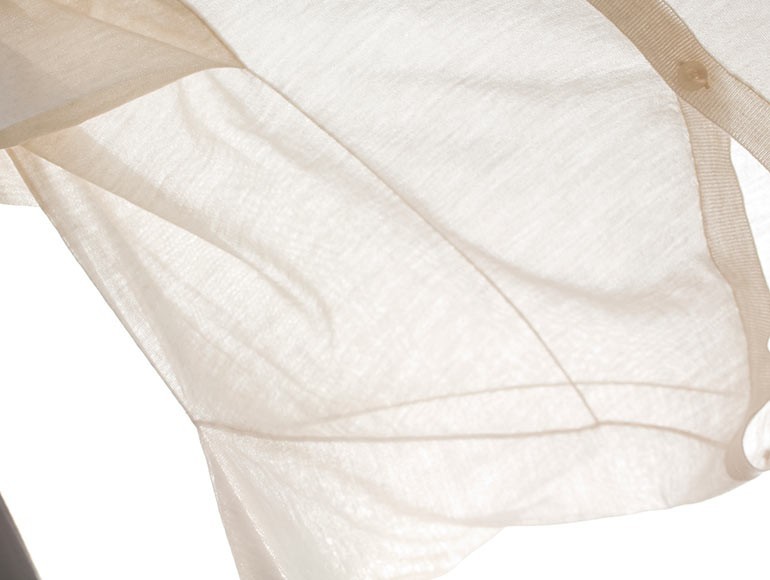
Woolmark's Rhythm Tee article identifies a Nuyarn Merino textile with a fabric weight of 95 grams per square meter. That number describes the mass of a given area of fabric, rather than the weight of a complete shirt. A garment's total mass also depends on its size, pattern, seams, and other components. The distinction helps make sense of the product's ultralight positioning without confusing two different measurements. The page presents the Black Diamond development as a technical performance T-shirt intended for activities including climbing, hiking, and running.
Yarn technology is part of the material choice
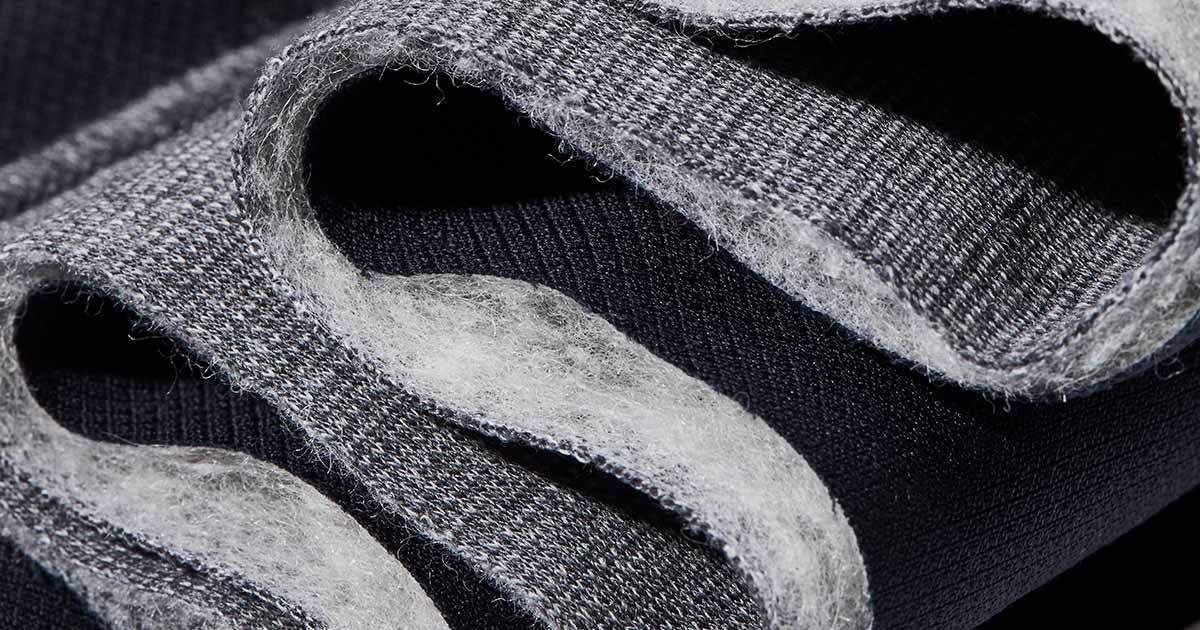
The account connects the lightweight construction with Nuyarn technology and reports stretch, drying, durability, and machine-washability benefits for the featured product. These are claims about a developed textile and garment, not properties that arise at the same level in every Merino shirt. Wool's moisture handling and odor behavior provide part of the material context, while the yarn and fabric construction contribute additional characteristics. A clear description should identify the complete composition and textile specification rather than assuming the brand's use of Merino means the entire shirt consists of an unchanged wool fiber alone.
Field experience complements but does not replace testing
The article includes athlete Joe Grant's account of wearing the tee while running and describes staff and athlete use in several mountain activities. Those observations explain the product's intended setting and the qualities users valued, including lightness, movement, and comfort. They are individual experiences rather than a universal result for every climate or wearer. For a practical comparison, keep fabric weight, full composition, measured performance, and user testimony as distinct kinds of information. Together they describe the development more clearly than an unqualified claim that a single shirt is always the lightest or best choice.
The ninety-five figure needs its area unit
At 95 grams per square meter, the specified textile is described through basis weight. The number cannot be treated as the finished mass of every Rhythm Tee because a shirt uses a quantity of fabric determined by its size and pattern, then includes seams and other components. Keeping the unit attached allows a meaningful comparison with another fabric specification. It also makes the ultralight description more precise than an unsupported ranking of every shirt currently on the market. Woolmark's world-lightest wording belongs to the product presentation at the time of the article; the concrete reusable information is the named fabric technology, stated basis weight, and intended technical-apparel role.
The article combines material claims with user experience
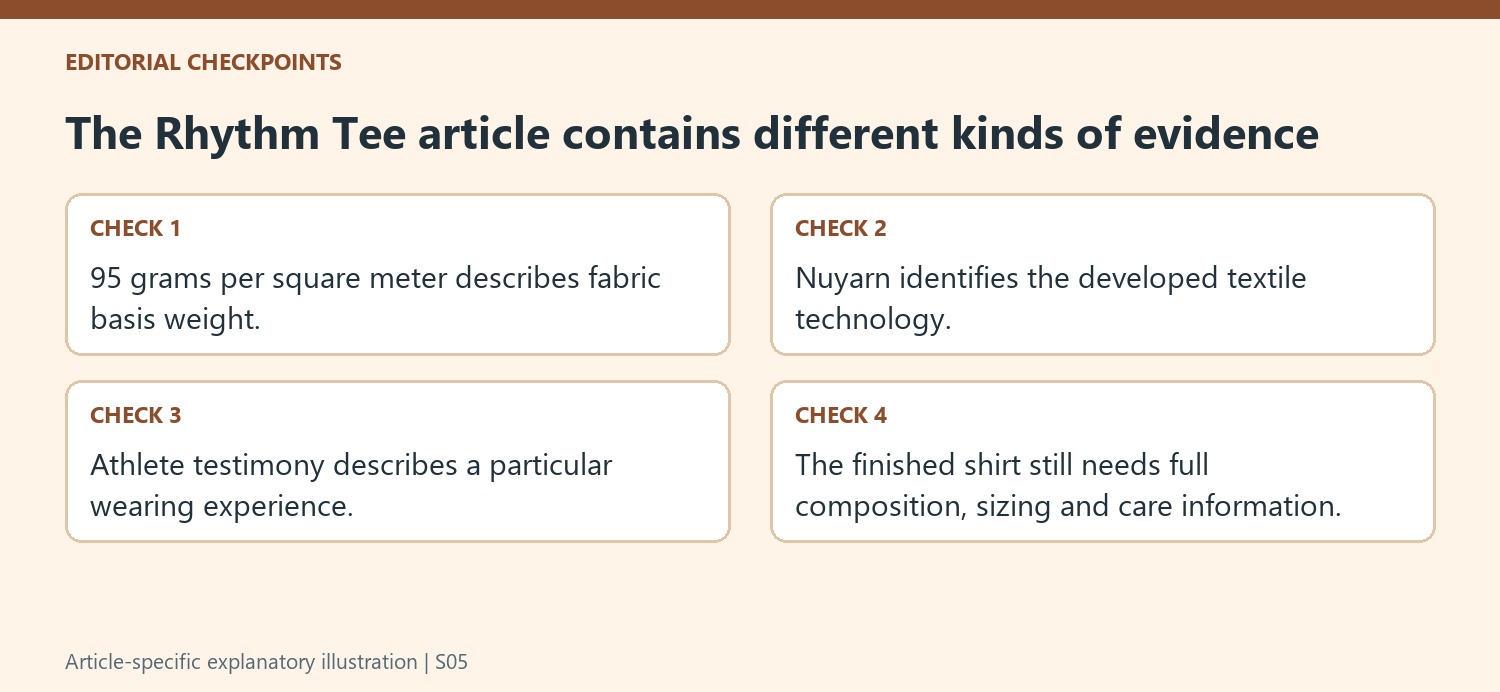
The source associates the developed Nuyarn textile with movement, drying, resilience, and care benefits, while its athlete interview describes the experience of running in the shirt. These are different kinds of evidence. A wearer explaining that a garment feels light and does not hinder movement gives useful context, but that account does not supply a numerical stretch test or a universal drying comparison. The same distinction applies to descriptions of odor behavior over extended use. The interview records an individual's practice, not a care interval that every customer should copy. A complete product comparison keeps the actual fabric and garment specification beside performance testing and testimony rather than substituting one for another.
Versatility still sits within a clothing system
Joe Grant's account of mountain running includes the need to respond to changing conditions and mentions additional equipment such as a light protective jacket or an extra warm layer for a longer outing. Those details are useful because they place the tee inside a broader system rather than presenting one base layer as sufficient for every situation. The article's activity list includes skiing, climbing, hiking, and running, but these involve different exposure and intensity. The garment's particular weight, fit, composition, construction, and care information remain relevant to selection. The development illustrates how yarn technology can support a light Merino-containing shirt, while an individual trip still determines what other clothing and equipment are needed.
References
- World’s lightest technical performance t-shirt. The Woolmark Company; Black Diamond Equipment’s vice-president; Trent Bush.






Comments
0