 FabricKnowledge Lab
Breathability is more than open holes
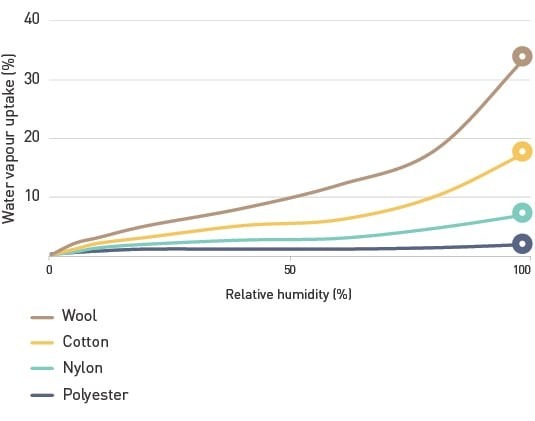
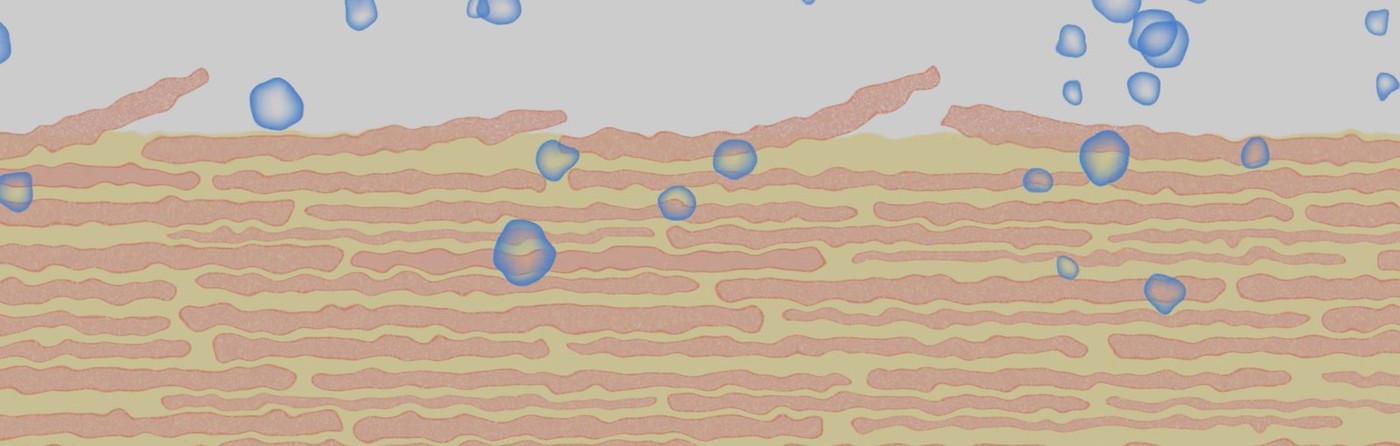
Woolmark's breathability factsheet describes wool as hygroscopic: it can take up water vapor within the fiber and later release it. This differs from the passage of air through gaps in a fabric or the movement of liquid water across a surface. All three can matter to comfort, but they are not interchangeable measurements. The source emphasizes moisture handling near the skin during activity and changing temperatures. Understanding the mechanism helps explain why a fabric's open or closed appearance alone cannot provide a complete description of the way a wool garment interacts with perspiration.
Crimp and retained air contribute to warmth
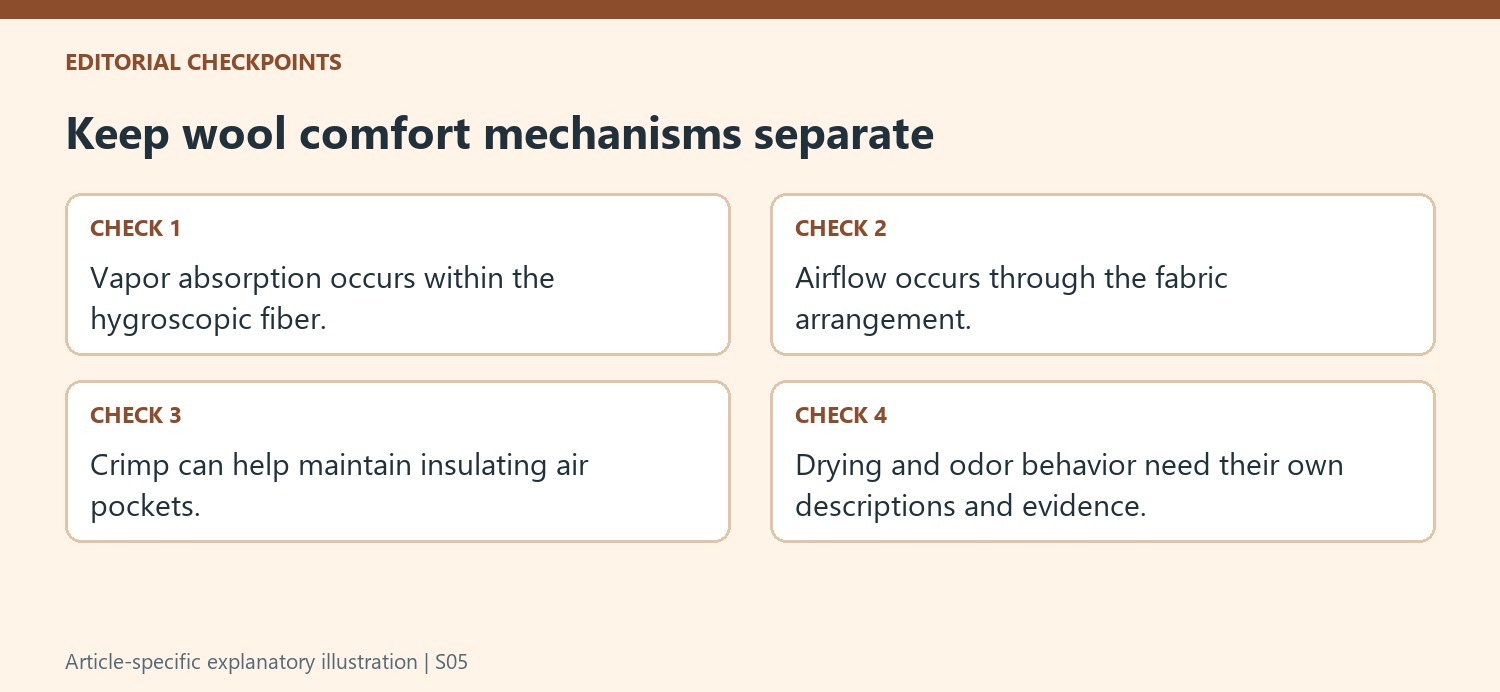
The page connects wool's three-dimensional crimp with pockets of relatively still air that help insulate the wearer. It also discusses moisture absorption releasing heat and retained moisture being given up gradually. These material processes can influence the transition from exercise to rest, when the body's heat production changes. Woolmark reports comparisons under particular conditions, including cold, damp walking tests. Such examples should remain tied to their materials and environments. They do not establish that any wool garment will keep every wearer at the same temperature regardless of wind, activity, layers, or the amount of liquid water present.
Match the mechanism to the complete garment
The factsheet also discusses warm, dry conditions and odor retention within the fiber. Together, the topics show that several interactions contribute to a material's comfort profile. They do not remove the influence of fabric weight, density, finishing, fit, and clothing layers. For a useful product comparison, identify which property is being claimed and how it was measured. Vapor absorption, drying rate, airflow, and thermal resistance answer different questions. The wool fiber provides a set of capabilities, while the finished textile and the conditions of use determine how those capabilities contribute to the wearer's experience.
Moisture can move through more than one route
Woolmark's explanation focuses on water vapor entering the fiber itself and later being released. This is distinct from liquid spreading across a fabric surface, vapor passing through a layered material, or air moving between yarns. A product can therefore have several moisture-related properties that need separate descriptions and tests. An open-looking knit does not alone reveal how much vapor its fibers can absorb, and a hygroscopic fiber does not establish the airflow of every textile made from it. For a useful comparison, identify which mechanism the claim concerns. The source's material explanation provides context for next-to-skin comfort, while the actual construction and conditions determine how that contribution appears in a garment.
Crimp and moisture history are part of the warmth account
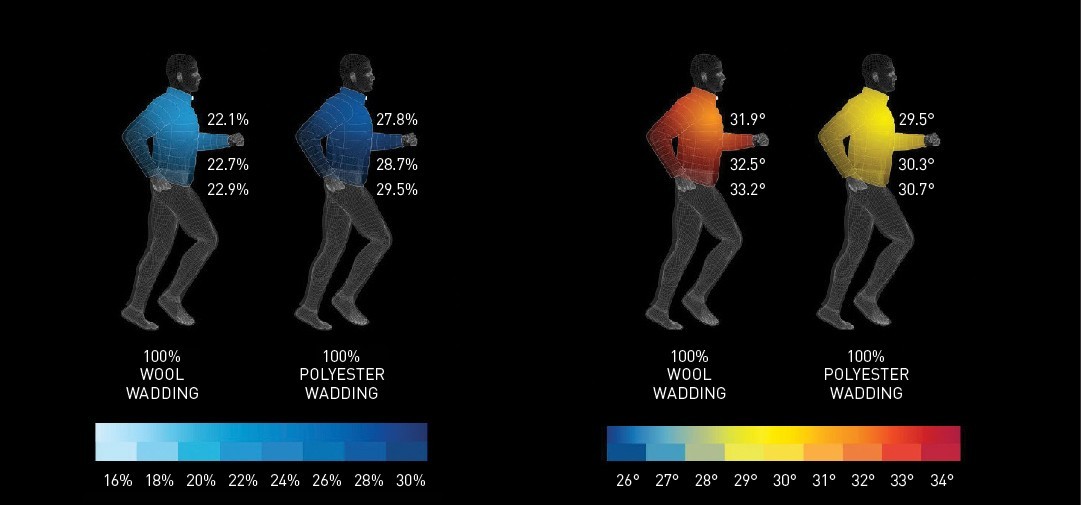
The page links wool's three-dimensional crimp with still-air pockets and describes heat released during moisture absorption. It also discusses moisture being released gradually after activity. Those mechanisms explain why a garment's condition after exercise may matter when the wearer rests. The account should not be reduced to a fixed warmth value for all wool clothing. Weight, density, fit, outer layers, wind, and the amount of water present remain part of the situation. Woolmark's example of walking tests at five degrees Celsius and 85 percent relative humidity gives one defined context, rather than a guarantee that every wool-filled jacket behaves the same way across all climates and workloads.
Promotional comparisons need their actual basis
The factsheet includes several striking comparisons about cooling, moisture movement, and post-exercise chill. Such statements are most informative when the tested materials, method, conditions, and measured outcome remain attached. A temperature-related equivalence or a comparison between fillings is not a universal adjustment that can simply be applied to any garment label. The page also describes odor molecules being retained within wool and released during washing, which is another material interaction rather than a complete care schedule. For a finished product, composition, construction, use, and its own cleaning instructions remain necessary. Keeping vapor absorption, drying, airflow, insulation, and odor behavior distinct allows a more accurate description than using breathable as one unrestricted measure of everything.
References
- Wool is naturally breathable. The Woolmark Company; The Woolmark Company.



Comments
0