 FabricKnowledge Lab
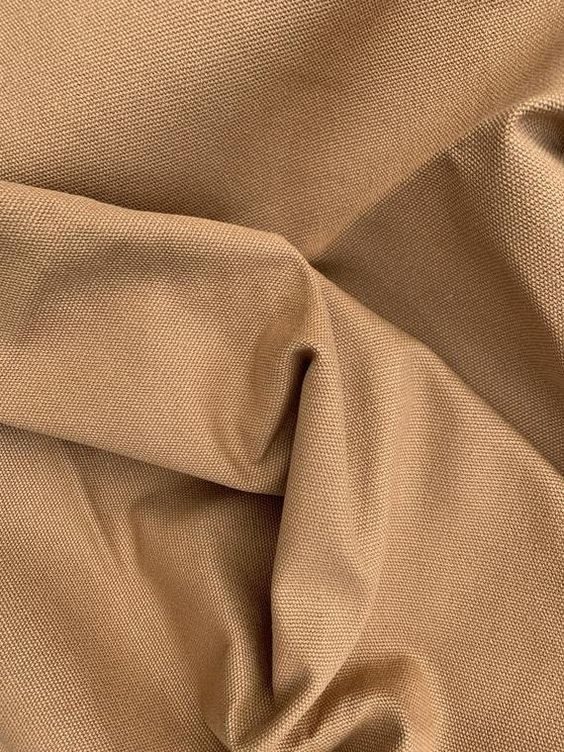
Thick yarns form a straightforward structure
Canvas is commonly a substantial plain-woven fabric made with relatively thick yarns. Sewport's guide identifies cotton, linen, and hemp among its materials and contrasts its simple over-and-under interlacing with denim's twill construction. The comparison is useful because both fabrics can look sturdy without being woven in the same way. The canvas name also does not establish a coating. A natural uncoated cloth, a coated industrial material, and a prepared painting canvas can share a base construction while having very different surfaces and intended functions. Their complete specifications should identify both the fiber and any finish.
The finishing stage depends on the application
The source describes optional coatings for industrial uses and a different preparation for artists' canvas. A painting surface can be stretched onto a frame and prepared with gesso, while other canvas may be dyed or left unbleached according to its purpose. These are distinct processing choices, not a universal recipe in which every piece receives the same treatment. A coating can change how a fabric handles moisture and air, and an artist's preparation serves a different role from an outdoor barrier. The intended use therefore helps determine what happens after the base cloth is woven.
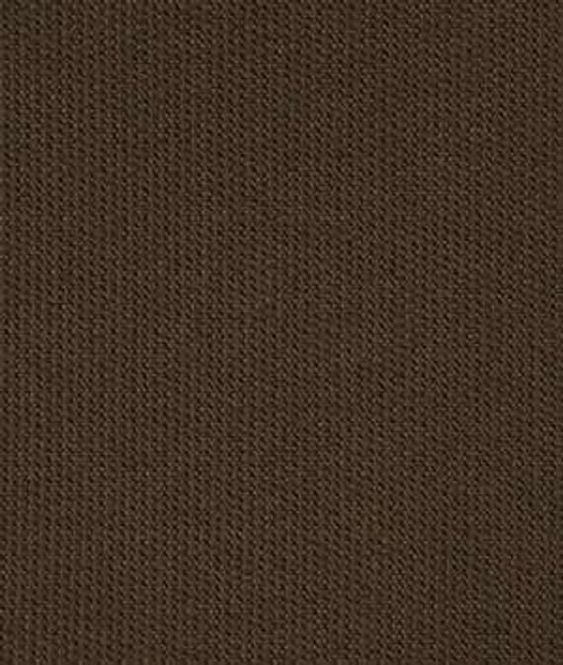
Bags and garments need their own material choices
Sewport lists bags, backpacks, shoes, jackets, trousers, upholstery covers, tents, and tarpaulins among applications. Such variety means that a heavy-looking fabric sample is not enough to establish suitability for all of them. Weight, yarn, density, coating, and construction details influence the finished item. A cotton tote and a shelter fabric face different demands, even if both are called canvas. When selecting material, ask for the exact composition and finish and match them to the project. Water resistance, strength, and care should be supported for that particular product rather than inferred from the broad fabric name.
A plain weave does not specify the final surface
The base construction described in the guide uses relatively thick yarns interlaced over and under one another. After that stage, canvas may be left uncoated, dyed, coated for a selected use, or prepared as a painting surface. Those possibilities explain why a canvas label cannot be read as a guarantee of one finish or one degree of water resistance. The source names cotton, linen, and hemp as possible materials, so composition remains another independent question. A purchaser should distinguish the woven base from the treatment applied to it, then identify the weight and construction relevant to the intended application. A familiar sturdy appearance alone does not reveal all those choices.
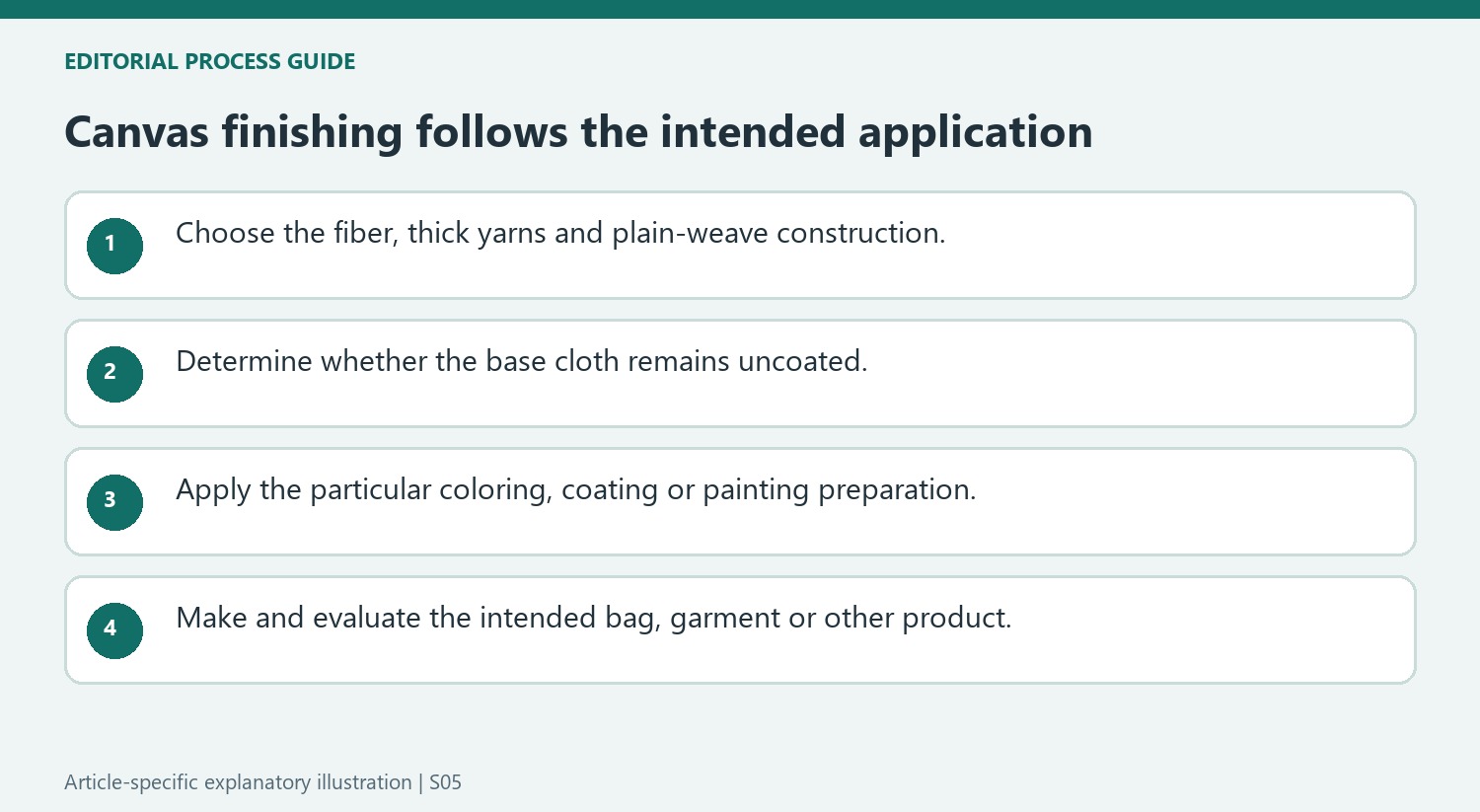
Painting preparation serves a different task from an outdoor coating
The source describes stretching an artist's canvas around a frame to establish a taut surface, with gesso used as a preparation for painting. It separately describes optional industrial coatings such as PVC for other applications. These treatments are not interchangeable steps in one universal manufacturing recipe. An artist's prepared support is selected for a painting process, whereas an outdoor material needs evidence appropriate to exposure and service conditions. The distinction is useful when buying cloth by the roll: the same broad fabric family can reach the customer at different stages of finishing. The specification should state which surface has been supplied rather than assuming that every canvas is already prepared for every listed use.
Product construction remains important after the fabric is chosen
A tote, a shoe upper, a work jacket, and a shelter place canvas in different roles. The source's wide application list illustrates versatility, but it does not establish that one fabric weight or coating is suitable for all those objects. Seams, reinforcing components, openings, and the way the material is supported also influence the complete product. For an outdoor item, a fabric-level water-resistance claim therefore should not automatically become a guarantee about the assembled construction. For clothing or bags, the finished article's care directions matter alongside the fiber and finish. Canvas supplies a useful structural starting point; the particular specification and the way it is made into a product determine what that version is intended to do.


Comments
0