 FabricKnowledge Lab
Comfort changes when activity stops
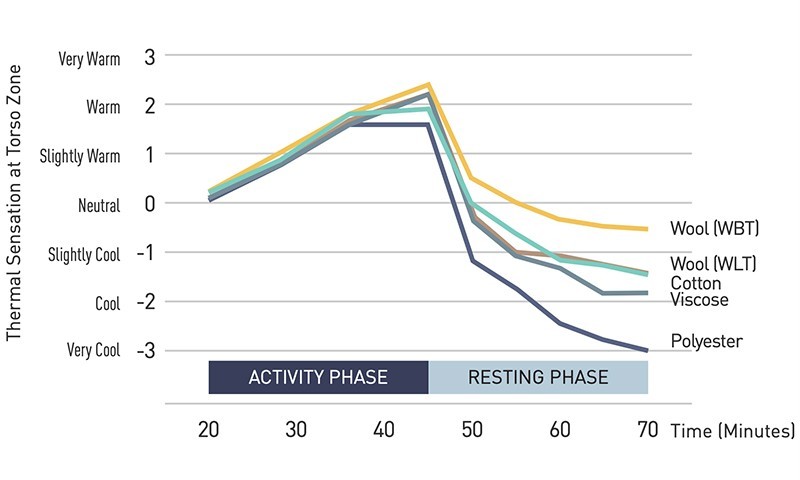
Woolmark's dynamic-breathability article discusses a North Carolina State University research project on base layers during stop-go activities. Hiking, climbing, and cycling can involve exertion followed by rest, so a fabric that feels suitable while moving may behave differently once heat production falls. The research summary focuses on those transitions rather than only a steady condition. It compares wool, cotton, viscose, and polyester garments of similar weight and thickness, an important detail because simply comparing a thick fabric with a thin one would make the fiber question harder to interpret.
Manikin work was followed by human testing
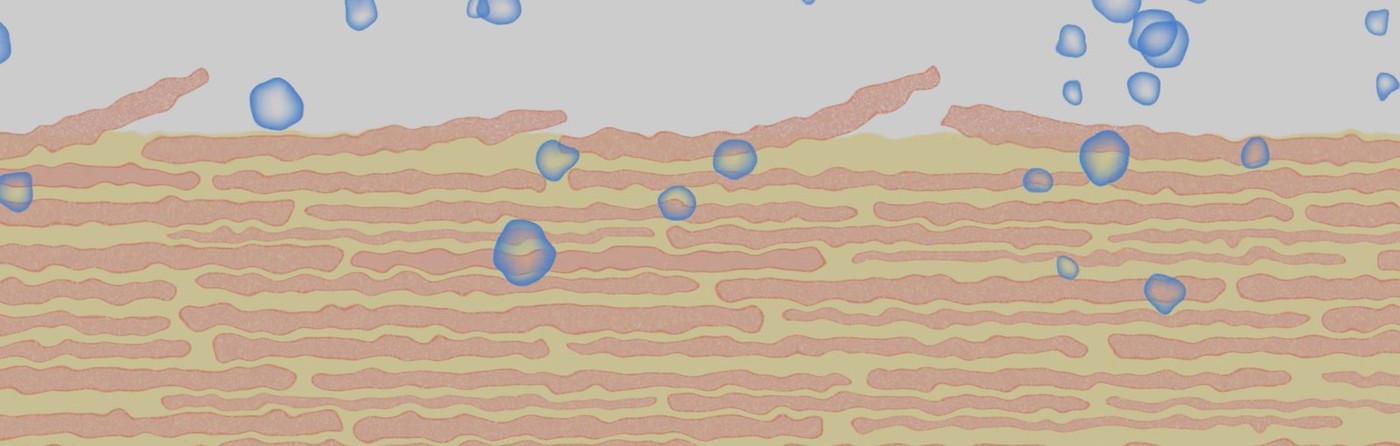
The page describes using sweating manikins and then human participants to investigate the fabrics. One reported laboratory transition moved from 45 percent to 80 percent relative humidity. Woolmark links the observed differences with wool's capacity to absorb moisture, release heat during absorption, and give up retained moisture more gradually. These mechanisms concern the interaction of fiber and changing conditions. They should remain connected to the tested materials and protocol rather than becoming a guarantee that all wool garments outperform every other fabric during every sport or climate combination.
The rest phase is a specific design question
The account highlights thermal sensation during rest and describes further development of laboratory methods intended to capture dynamic exercise conditions. It also says ongoing research aimed to establish the scale and sporting relevance of the effect. That qualification matters when translating laboratory findings into clothing advice. A base layer is part of a wider system that includes fit, outer layers, weather, and activity intensity. The study's useful contribution is to direct attention to transitions and moisture history, encouraging product evaluation under changing conditions rather than relying solely on a static warmth measurement or a fiber label.
Transitions can reveal behavior that a steady test misses
A base layer may hold a different moisture history after strenuous movement than it did at the beginning of an activity. When the wearer stops, heat production and the surrounding conditions can change, making that retained moisture relevant to comfort. Woolmark's account places the rest phase at the center of the research question instead of asking only how warm a dry fabric is under a constant condition. Hiking, climbing, and cycling are examples of activities with those changes, not proof that every participant has the same experience. The useful design principle is to evaluate a sequence of exertion and rest, with the actual fabric and clothing system, rather than reducing comfort to one static fiber ranking.
The comparison controls some variables rather than all conditions
The source identifies wool, cotton, viscose, and polyester garments of similar weight and thickness. That makes the material comparison more informative than one in which a much heavier fabric is set against a very thin one. It still describes a particular set of garments and protocols, not all possible products in those fiber categories. The reported change from 45 to 80 percent relative humidity likewise belongs to a laboratory investigation. It is a defined transition used to examine behavior, not a complete simulation of every outdoor sport. The sweating-manikin stage and human testing supply different kinds of evidence, so their results should retain their stated sample and method context.
Mechanisms and sporting outcomes should remain distinct
Woolmark links the observations with moisture uptake, heat released during absorption, and gradual release of retained moisture. Those are proposed explanations for the comfort-related behavior described. The page also says further work aimed to identify the scale of the effect and its sporting relevance. That qualification should accompany any broader statement about energy or performance. A laboratory comfort finding does not by itself measure a universal improvement in race results, endurance, or safety. For product development, the account supports attention to dynamic conditions and recovery periods. An actual garment still needs its fit, construction, outer layers, weather exposure, and intended activity considered before translating the research into a complete clothing recommendation.
References
- Wool’s Dynamic Breathability Revealed. The Woolmark Company; - Angus Ireland; AWI Program Manager; Fibre Advocacy; Eco Credentials.



Comments
0