 FabricKnowledge Lab

A membrane rather than a single outer cloth
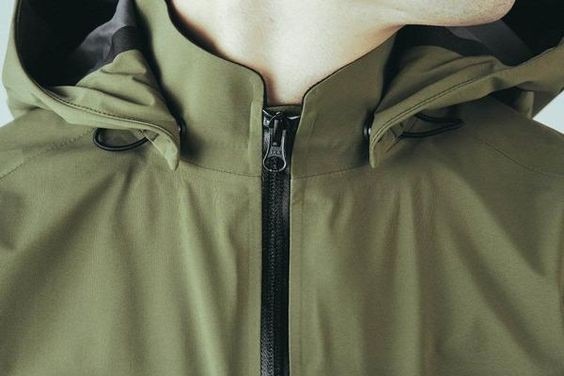
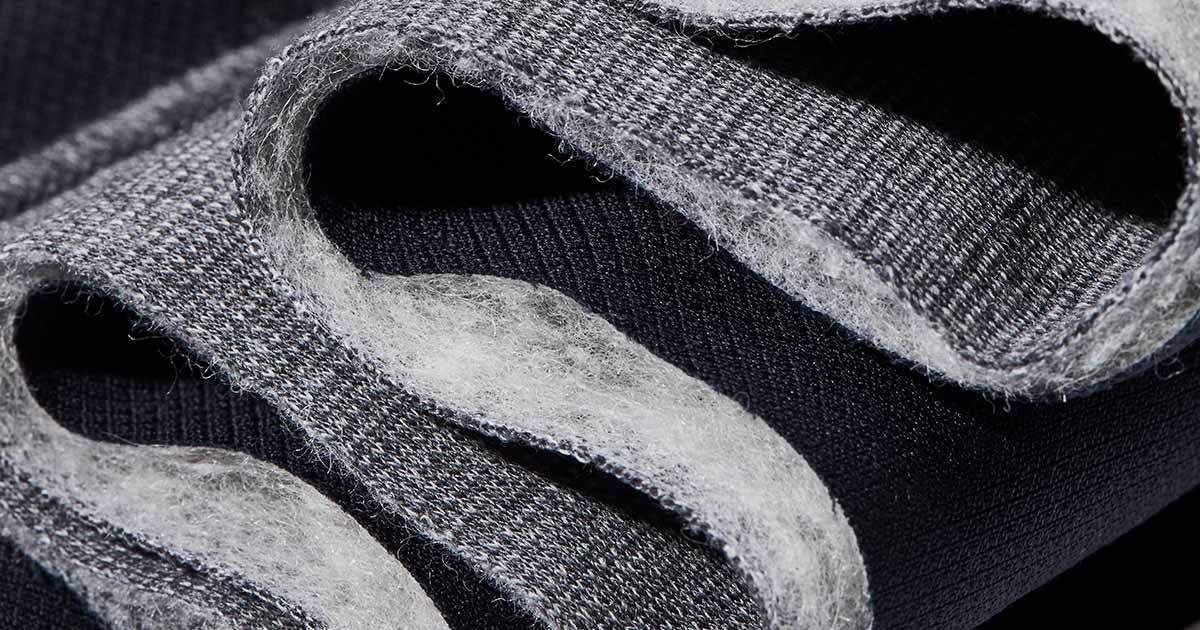
NeoShell is a Polartec material system associated with outdoor shells and weather-resistant clothing. Sewport's guide describes a polyurethane-based membrane made through electrospinning and positioned between conventional textile layers. That layered construction is central to understanding the product. The outer face, membrane, and inner backing do not all perform the same role, and the membrane name does not identify the complete composition of a jacket. A garment maker selects a particular fabric version and then adds seams, closures, and other components that contribute to the finished article's behavior in use.
A fine-fiber network supports the barrier
The manufacturing account describes forming a very fine network from a polymer solution, then combining the resulting membrane with face and backing materials. The intended design balances resistance to liquid water with movement of air and moisture vapor. Those are related but distinct performance questions. Hydrostatic-head and moisture-transfer measurements need their test methods and conditions attached, and numbers from different methods should not be treated as a simple universal ranking. The guide's emphasis on breathability explains the product's positioning, but it does not establish that a membrane alone guarantees comfort under every workload and weather condition.
Application and garment construction complete the picture
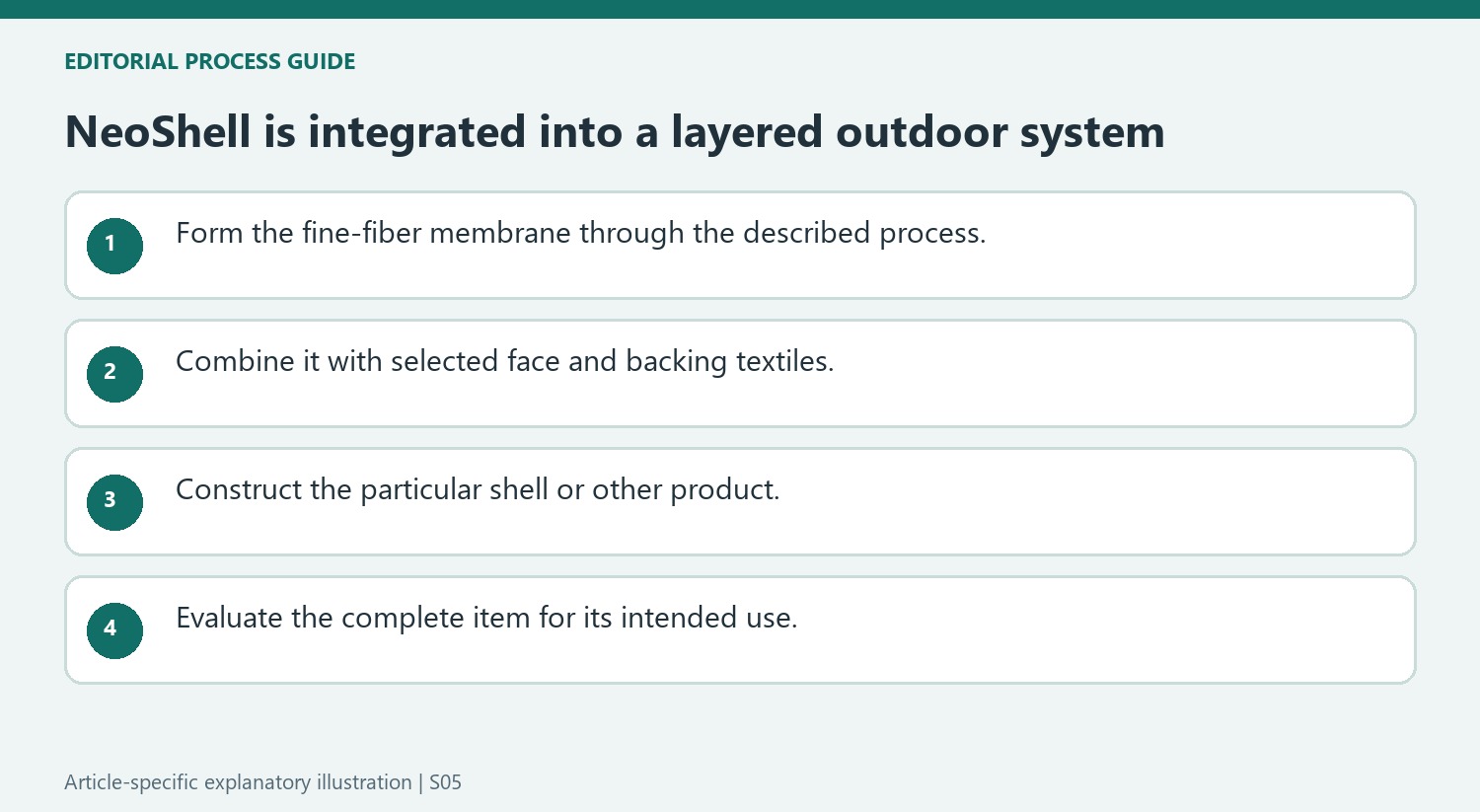
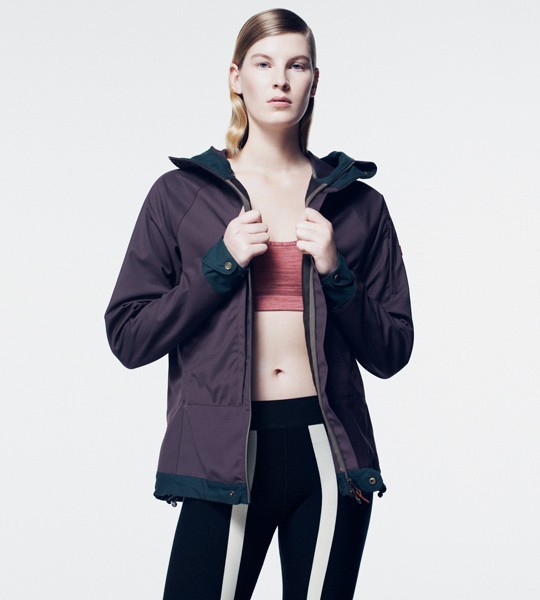
Sewport lists rain shells, skiing and snowboarding clothing, trousers, and selected footwear among applications. These uses require different patterns, reinforcements, and construction details. A fabric sample's performance cannot be transferred unchanged to every finished item, particularly where seams and openings affect water entry or ventilation. For a useful comparison, identify the actual fabric version, its face and backing, and the relevant test results. Then assess the complete product for its intended activity. The material's layered design provides a technical starting point, while the garment specification explains how that system is put to work.
Three layers should not be described as one ingredient
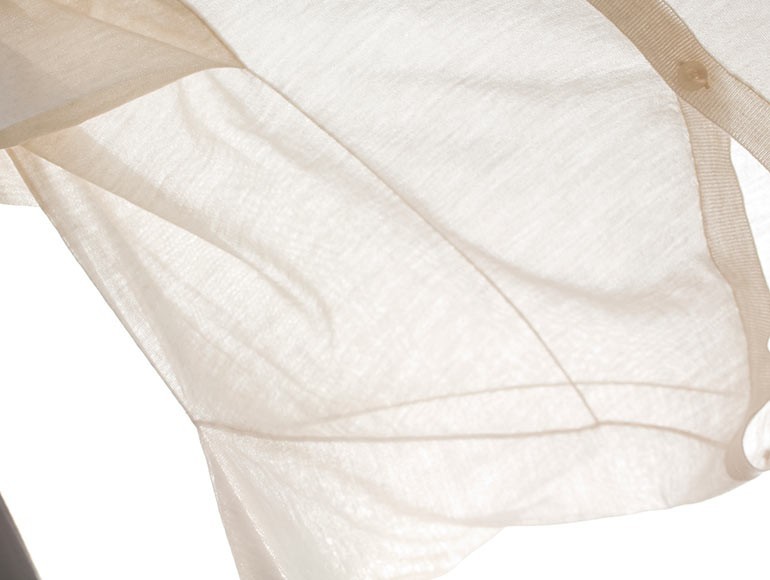
The guide places a fine polyurethane-based membrane between conventional face and backing textiles, often describing a nylon outer material and a comfortable inner knit. Those components contribute different functions to the fabric system. The face is the exposed textile surface, the membrane supplies the intended barrier behavior, and the backing supports the inner side. Consequently, calling the whole jacket polyurethane would be as incomplete as describing it only by the outer yarn. A practical fabric specification should identify the actual version and all relevant layers. A garment specification then adds another level, including seams, closures, reinforcement, and shape, which cannot be inferred from a membrane brand alone.
Liquid-water resistance and vapor movement require distinct measurements
The source discusses hydrostatic-head and moisture-transfer values to explain the product's positioning. Those measurements address different physical questions, and their numbers are not interchangeable. A water-column result concerns resistance to water penetration under stated test conditions, while moisture-transfer testing concerns movement through the material under another set of conditions. Air movement is another consideration again. A simple claim that one fabric is more breathable therefore needs the metric, method, sample, and comparison attached. The guide's broad language should not be read as proof of complete dryness or comfort in every situation. Actual activity, weather, layers, and the finished garment's design remain part of the user's experience.
The electrospun network still needs downstream integration
Sewport describes producing the membrane from a polymer solution through an electrospinning route before combining it with other textiles. That is an upstream material-making account. The completed layered fabric is then incorporated by a clothing or footwear producer into a specific item. This separation helps explain why one membrane family can appear in rain shells, ski clothing, trousers, and selected shoes without making those products equivalent. A shell with different seams, openings, or face fabric is a different construction even when the membrane reference is shared. For a purchase, compare the actual model's material version, test evidence, intended activity, fit, and care instructions rather than using the membrane name as the entire description.



Comments
0