 FabricKnowledge Lab
Continuous strands change the yarn route
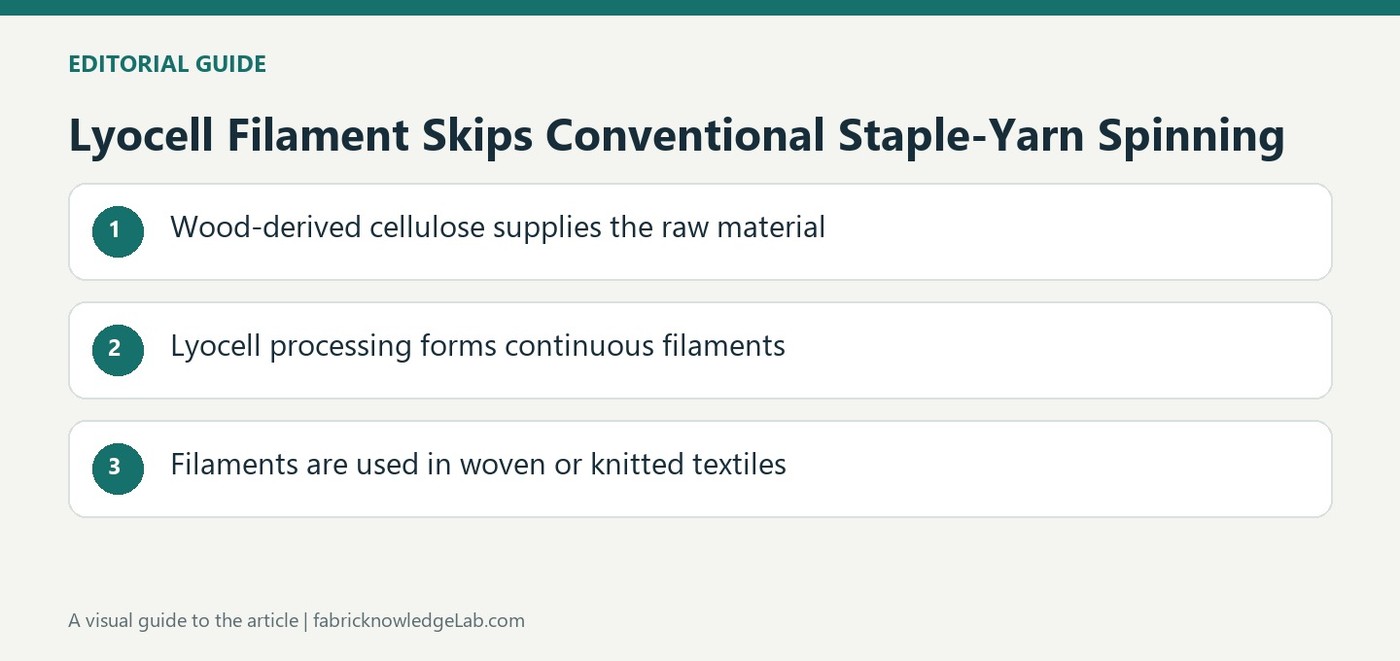
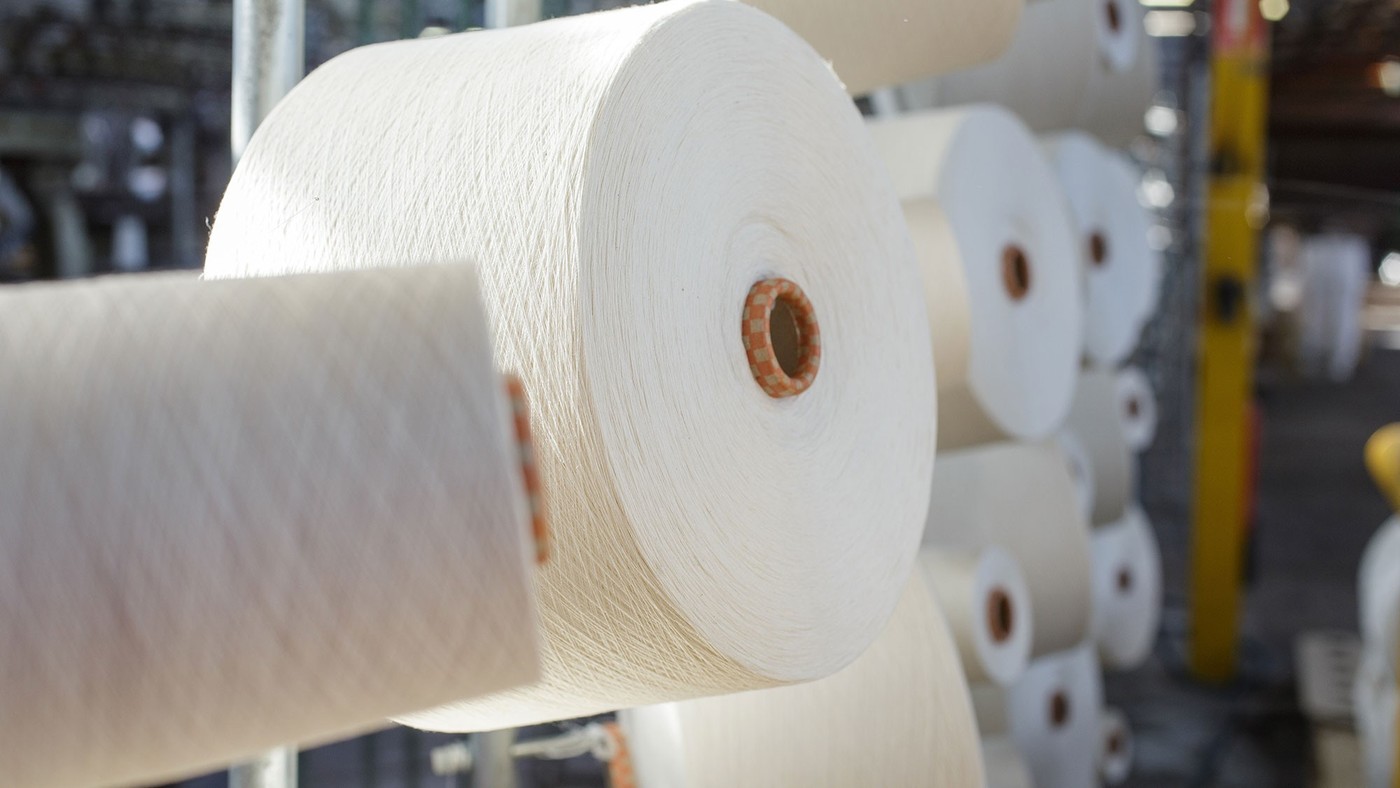
Lenzing describes TENCEL Lyocell Filament as a wood-based cellulosic material formed into continuous, parallel strands. The page distinguishes this route from conventional yarn spinning, where shorter fibers must be assembled into a yarn. In filament production, a cellulosic solution passes through very fine spinnerets and the resulting continuous strands are processed directly into ready-to-use yarns. The key distinction is therefore the form and continuity of the material supplied to textile manufacture. It is not simply another description of every lyocell fiber or every yarn that happens to contain cellulose.
Uniformity supports a particular fabric direction
The company emphasizes filament uniformity, strength, smoothness, and the potential for lightweight fabrics with fluid drape. These features explain its interest for different garment designs, but the final textile still depends on yarn arrangement, weave or knit, density, and finishing. A filament yarn can contribute to a smooth surface without determining every aspect of the garment. Lenzing also discusses moisture absorption and release as a material contribution to comfort. Those fiber-level characteristics should be connected to the intended fabric construction rather than treated as a universal measured result for all clothing made with the yarn.
Certificates describe defined aspects of production
The page identifies certified or controlled wood sourcing and says the filament yarn has been registered with The Vegan Society since 2021. It also references biodegradability and compostability certification for specified environments, including soil and freshwater. These statements concern different questions: raw-material sourcing, animal components and testing, and end-of-life behavior under stated conditions. None independently describes the complete environmental performance of a finished garment with dyes, trims, and other fibers. A clear specification keeps the continuous-filament process separate from those certification claims and checks the scope relevant to the actual product being made.
Continuity is the important change in the material route
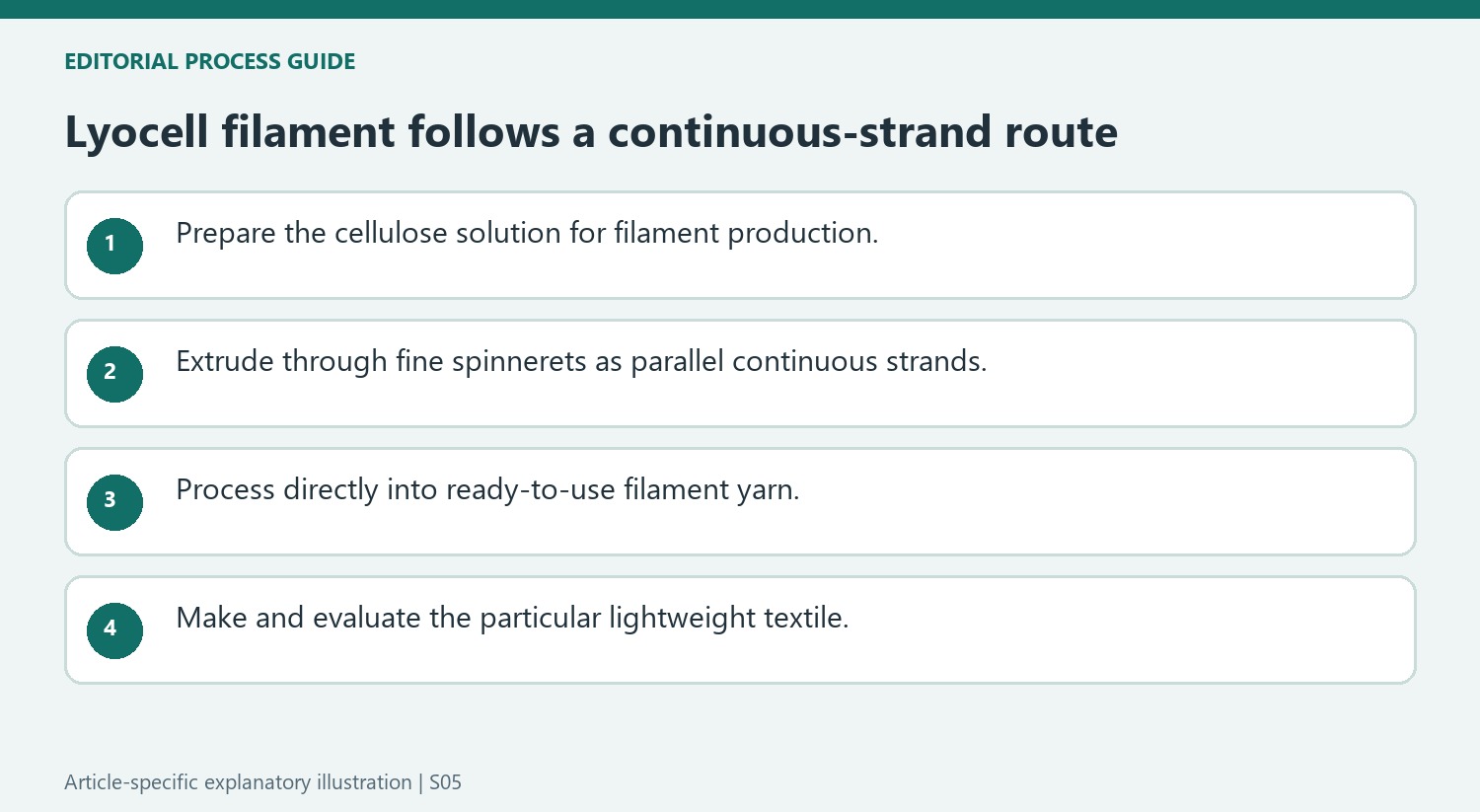
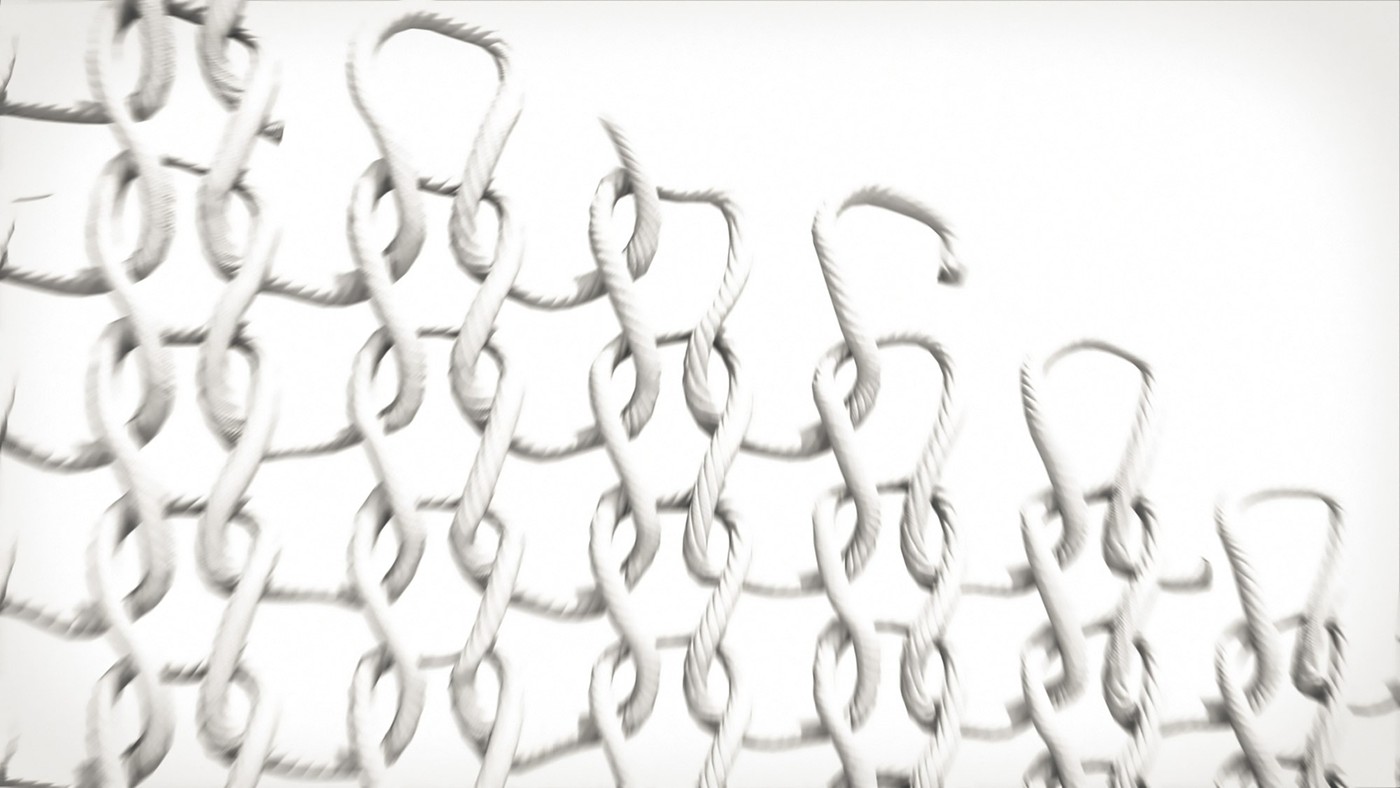
The page describes a cellulose solution emerging through very fine spinnerets as continuous, parallel filaments. These strands are then processed into ready-to-use filament yarn rather than first being treated as a supply of short fibers for conventional yarn spinning. That distinction is about material form and processing sequence. It does not mean the spinneret delivers a finished garment or that fabric manufacture is unnecessary. Weaving or knitting, coloration, finishing, and assembly can still follow. A clear description should therefore say which conventional yarn-making step the route removes, while retaining the downstream operations that give a particular fabric its appearance, weight, structure, and suitability for use.
Uniformity and fluid drape concern different product levels
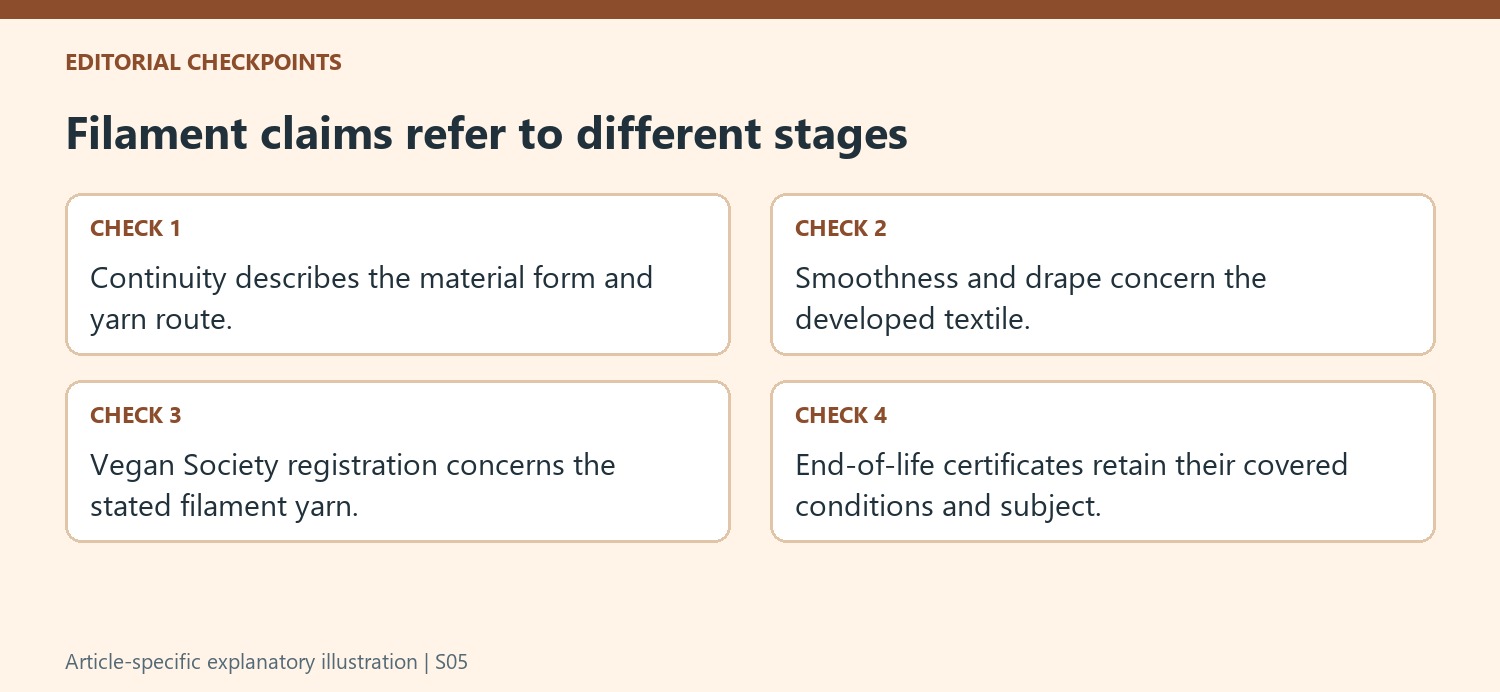
Lenzing emphasizes uniformity within its filament offering and connects the yarn with smooth, lightweight fabrics. The yarn supplies a material option, while drape is experienced in a constructed textile. Density, interlacing, knit structure, blend partners, and finishing can all be part of that finished result. Consequently, a common filament yarn need not produce one identical hand or silhouette in every fabric. The source's strength and comfort descriptions help explain design interest, but they should remain contributions rather than universal garment test results. A designer selecting the material would still compare actual samples for the intended garment, preserving the distinction between an upstream yarn characteristic and the behavior of a completed fabric.
Registration and end-of-life certification answer separate questions
The source associates TENCEL LUXE Lyocell filament with Vegan Society registration since 2021, addressing animal components and testing in the filament yarn's manufacture. It separately refers to TÜV AUSTRIA certification for specified biodegradability and compostability conditions, including soil and freshwater environments. These are not the same claim. Nor does either automatically describe every added dye, trim, blend fiber, or accessory in a final garment. Responsible wood-sourcing statements concern another stage again. A useful specification identifies the actual filament offering and the relevant document for each assertion. Keeping their subjects and conditions visible allows the continuous-filament process, sourcing, registration, and end-of-life information to be understood without merging them into one unrestricted sustainability promise.




Comments
0