 FabricKnowledge Lab

Fiber preparation changes the final structure
OPTIM technology uses temporarily stretched Merino wool fibers to help create a particularly dense woven fabric. Woolmark describes the development as a collaboration with Nanshan and explains its use in wind- and water-resistant textiles. The key is not simply selecting wool and weaving an ordinary cloth. The fiber preparation, spinning, weaving, and wet finishing are coordinated so the final structure becomes tighter. This gives the technology a specific processing identity, rather than making weather resistance a universal property of every garment labeled wool or every dense fabric that looks similar.
Contraction closes the woven arrangement
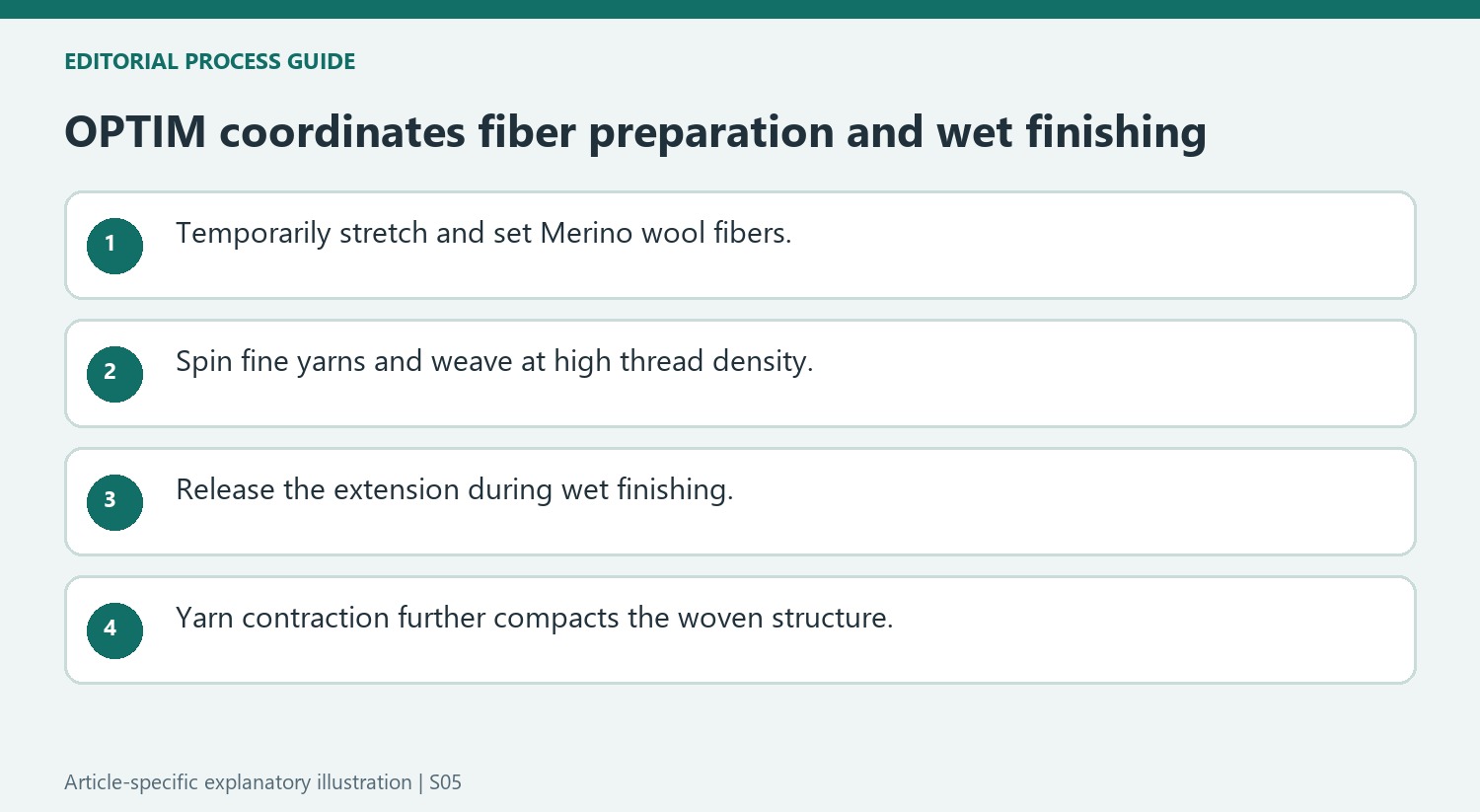
The account describes fine yarns made from stretched and temporarily set fibers being woven at high warp and weft densities. During wet finishing, the stored extension is released and the yarns contract. This contraction further compacts the fabric, reducing pathways through the structure. Woolmark links the result with lower air permeability and increased resistance to water penetration without a durable water-repellent treatment. Water resistance should still be distinguished from an unrestricted waterproof claim: the complete fabric specification, seams, and garment design remain relevant when evaluating an outdoor article for a particular use.
The range includes several material combinations
Woolmark lists Classic, Luxury, Stretch, Blend, Fancy, and Double variants. The Classic examples include different weights and weave structures, while other versions combine OPTIM wool with fibers such as mohair, cashmere, elastane, or synthetics. The Double version pairs a compact face with a brushed reverse. These options show that the wider range is not uniformly a single-fiber, single-weight cloth. A buyer should identify the exact version and composition, then match its stated performance to the intended product. The process explains the dense structure, while the individual specification explains what a particular fabric offers.
The temporary extension is released at the right stage
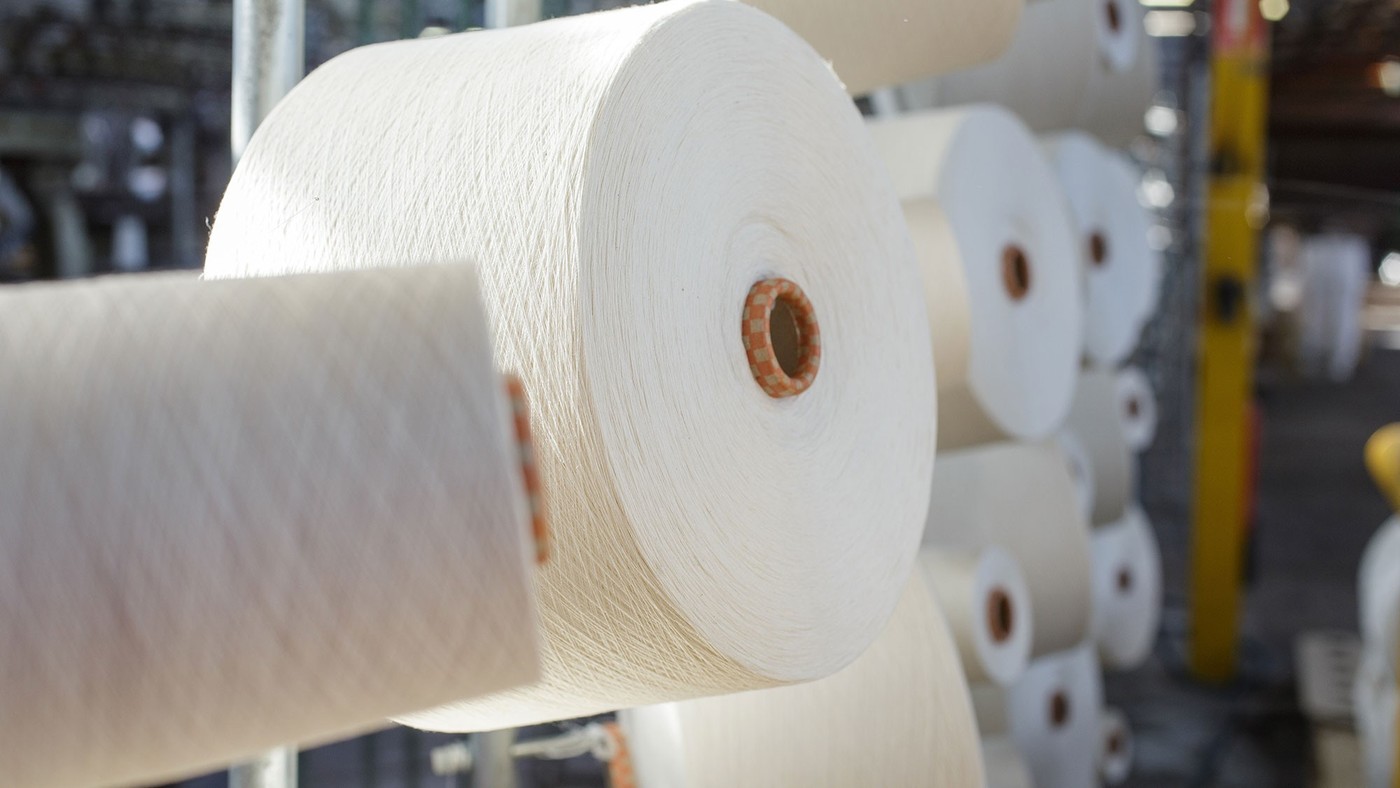
The technology coordinates a sequence that begins before weaving. Merino wool fibers are stretched and temporarily set, incorporated into fine yarns, and woven at high thread density. Wet finishing then releases the stored extension so the yarns contract inside the already-formed fabric. That order is the source's explanation for an especially compact structure. It is not an instruction to wash an ordinary loose wool textile and expect an identical result. The spinning, weaving, and finishing conditions form a development system. Woolmark connects the resulting tight construction with reduced air permeability and increased water resistance, making the geometry of the cloth central to the performance account.
The Classic examples include distinct weights and weaves
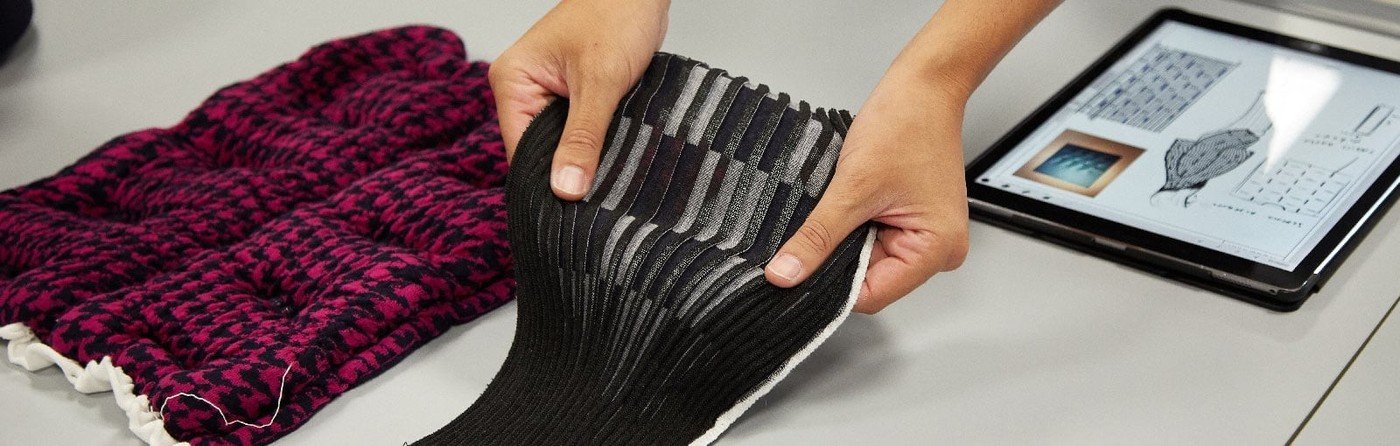
Woolmark identifies three Classic examples: a 180 grams per square meter plain weave, a 240 grams per square meter warp rib, and a 265 grams per square meter gabardine. These details are more informative than treating Classic as one unvarying fabric. They show that weight and weave remain choices within the technology. The named Luxury category introduces natural-fiber blends such as mohair or cashmere, while Stretch adds elastic fibers and Blend includes synthetic partners. A buyer should therefore confirm the exact category and composition before repeating a 100 percent Merino description. The broader OPTIM family contains versions whose blend and intended role differ from the original single-fiber examples. The weight and weave descriptions provide a useful starting point for comparing candidates within the range, before evaluating the finished garment.
A face and reverse can serve different purposes
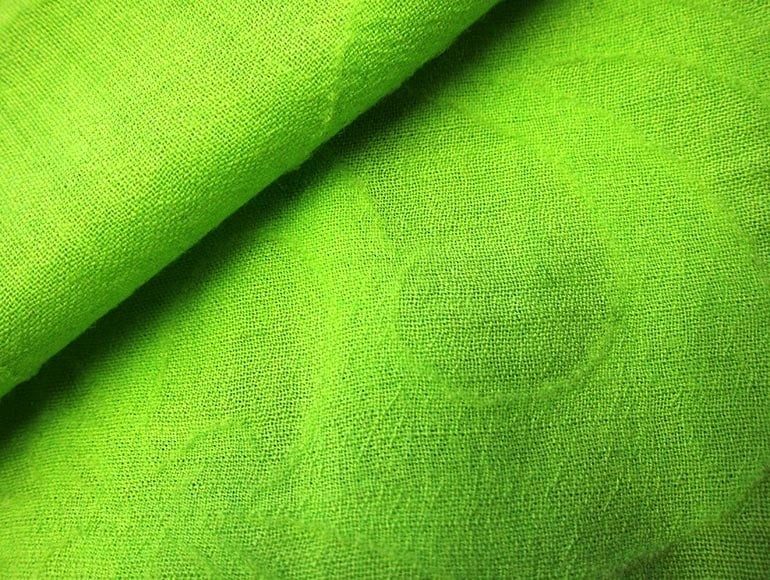
The Double version is described with a smooth, compact face and a bulkier brushed reverse, combining a protective outer surface with a warmer inner feel. Fancy versions explore satin, seersucker, stripes, and other textured options. These examples show how the process can support different design directions rather than one uniform outdoor shell. The page also states that the approach avoids durable water-repellent treatments such as PFAS. That manufacturing statement should remain separate from claims about a complete garment's protection. Seams, closures, construction, and the specific supplied fabric still matter to use in weather, and the finished product's own instructions should govern care even when the material overview describes machine-washable options.
References
- OPTIM™ spinning technology. The Woolmark Company; The Woolmark Company.




Comments
0