 FabricKnowledge Lab
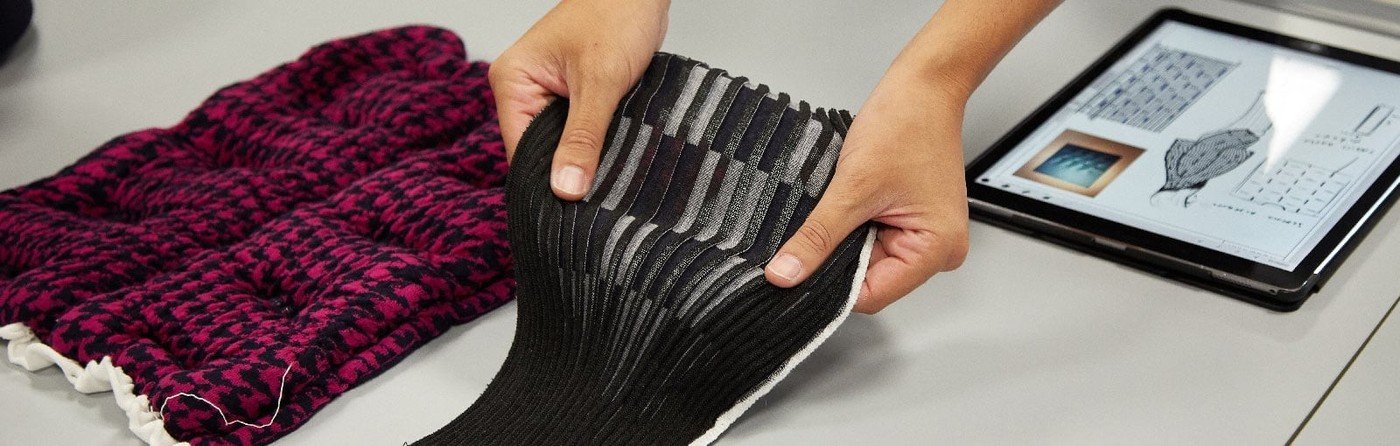
Formal silhouettes built from knitting
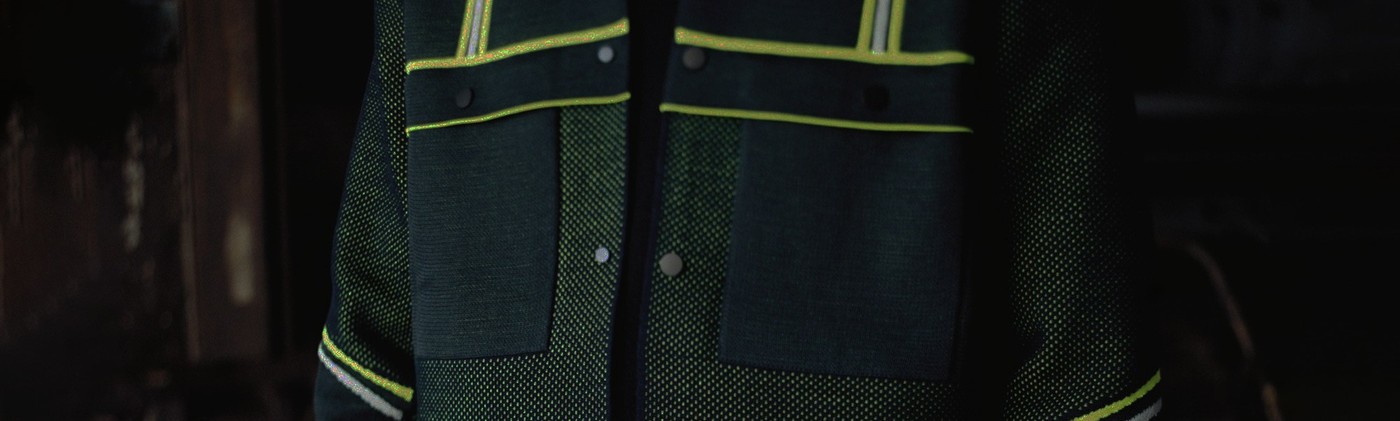
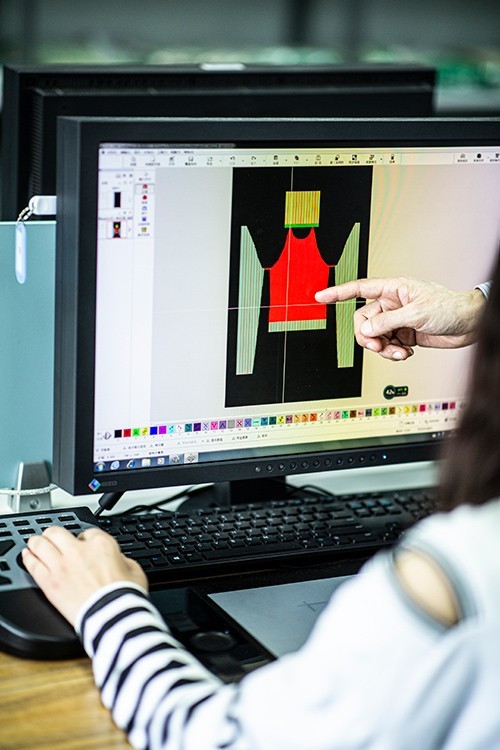
Woolmark's Wool to Go Tailored Knit project reinterprets formal clothing through knitted textiles rather than conventional woven tailoring cloth. The collaboration involved Shima Seiki Italia and Italian yarn producers Filati Loro Piana, Tollegno 1900, and Zegna Baruffa Lane Borgosesia. The page describes three outfits that use different yarns and knitting machines. Their common purpose is to explore how knitted construction can create a more structured coat, trouser, dress, or jacket silhouette. That is a specific development project, rather than a statement that ordinary sweater fabric can automatically replace every traditional suiting material.
Two faces contribute different characteristics
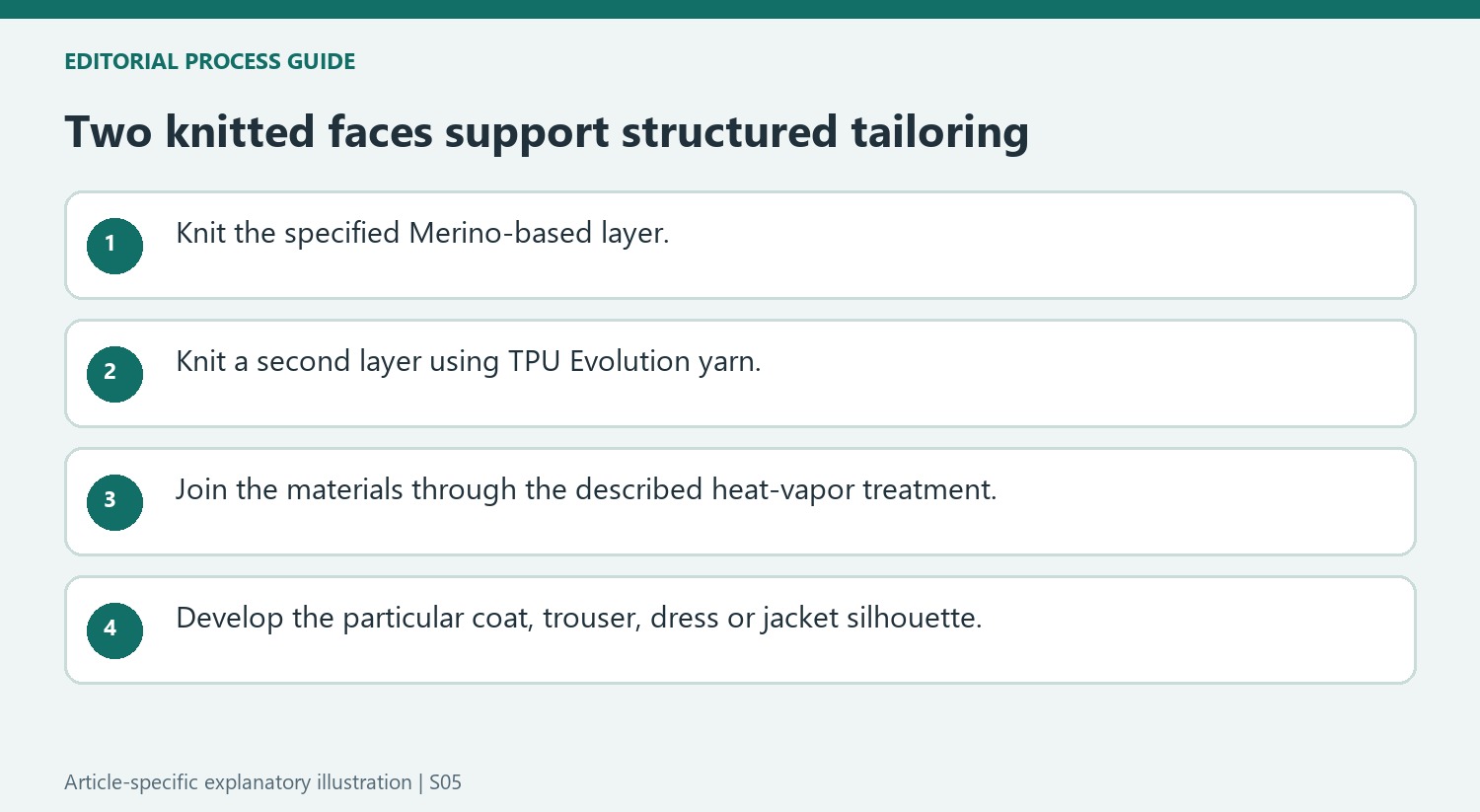
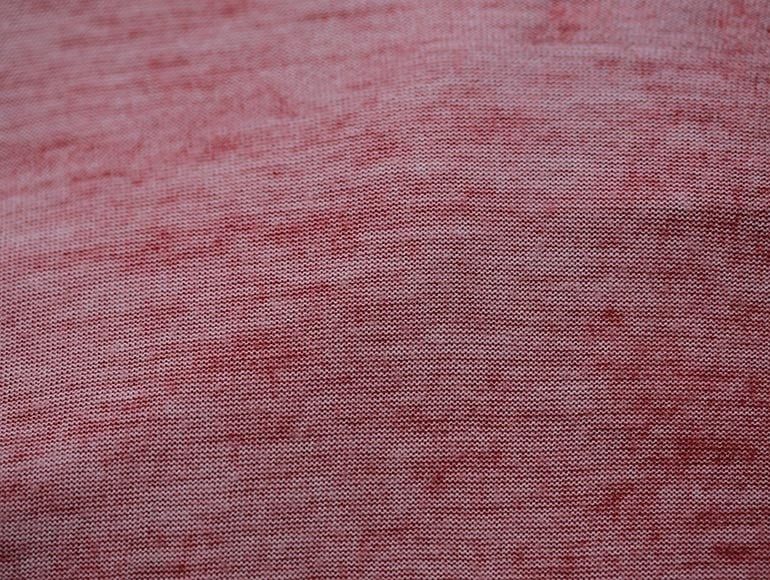
The fabrics combine a Merino-yarn layer with a layer using CoatYarn's TPU Evolution yarn. Woolmark describes the second surface as having a peach-like touch and says the two knitted materials are joined through a solvent-free heat-vapor treatment. The intended result balances structure with elasticity and softness. The construction therefore cannot be described simply as an unmodified sheet of pure wool. Understanding the two layers and their joining process explains the project's fabric behavior more clearly than applying only the name of the most familiar fiber to the complete material.
Each outfit has its own specification
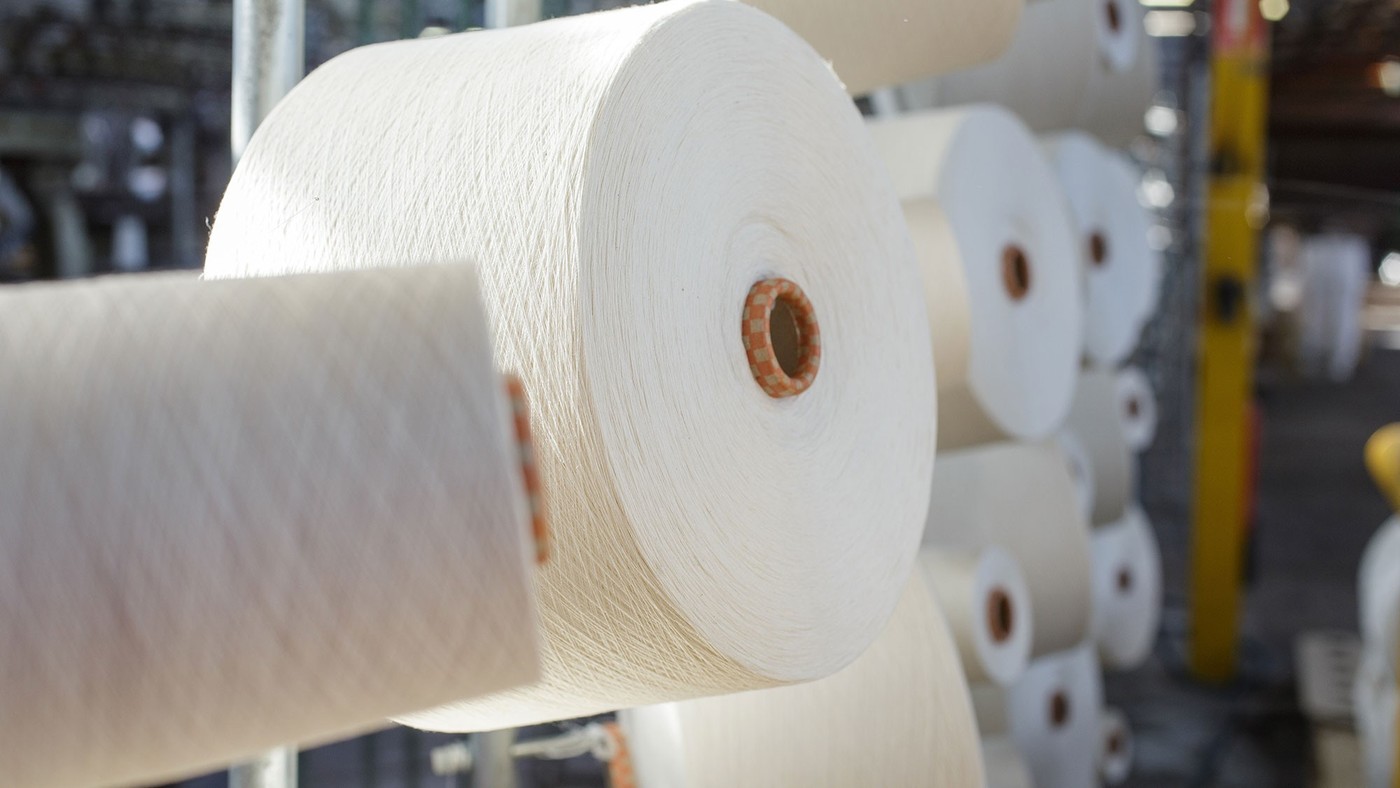
The examples include fine Merino yarns for a coat, sweater, and trousers, a different yarn selection for another three-piece outfit, and Tollegno yarns for a dress and padded-effect bomber. The bomber's specified yarn includes Merino wool and a recycled manufactured-fiber component. These differences matter when evaluating composition or performance. Woolmark also links the knitting route with reduced cutting waste and garments that do not require separate linings. Those claims belong to the described manufacturing approach. A complete comparison still needs the actual yarn, machine construction, joining method, and garment specification for each outfit.
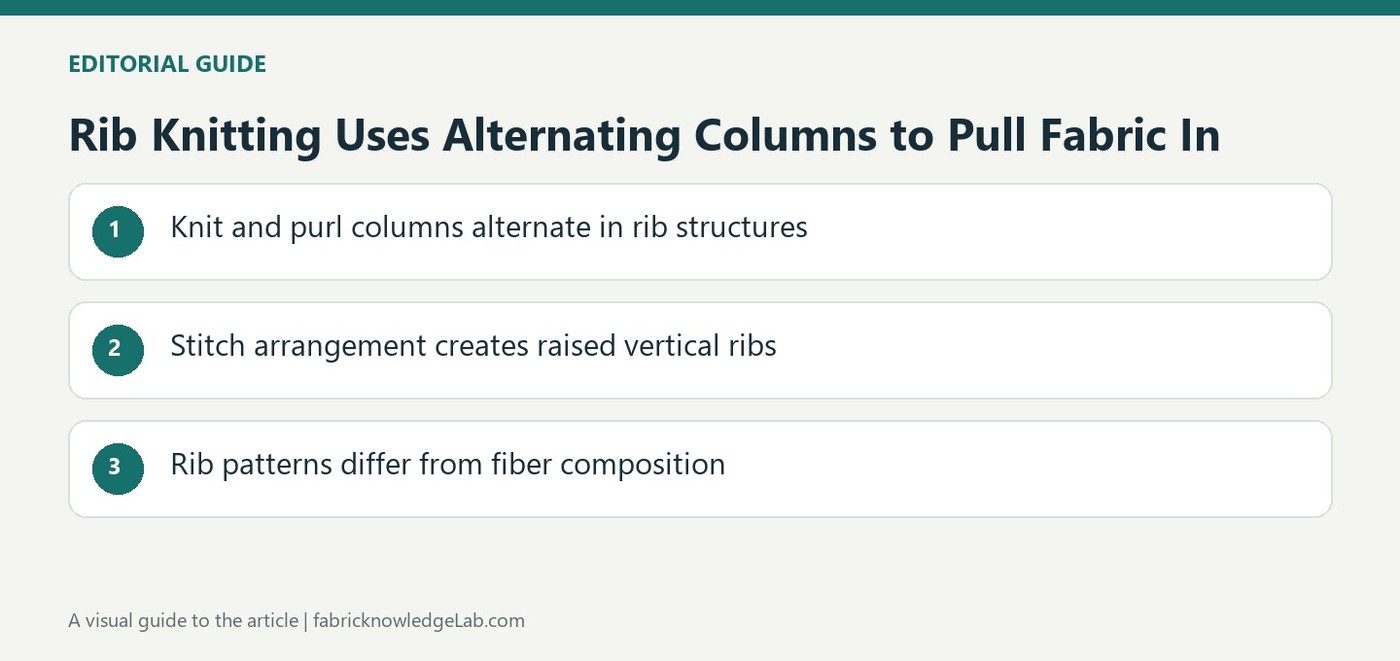
A double face is more than a conventional lining
The source describes two knitted layers joined through a heat-vapor treatment: a Merino-based surface and another using TPU Evolution yarn. This makes the second face part of the developed textile, rather than simply a loose lining inserted into an otherwise ordinary wool garment. Woolmark associates the combination with a firmer structure while retaining elasticity and softness. That account helps explain the project's tailoring direction, where a defined silhouette is a central objective. It also makes full composition important. The presence of fine Merino yarn does not mean the entire combined material consists only of wool, because the second layer and any blend components remain part of the construction.
Machine and yarn choices differ across the outfits
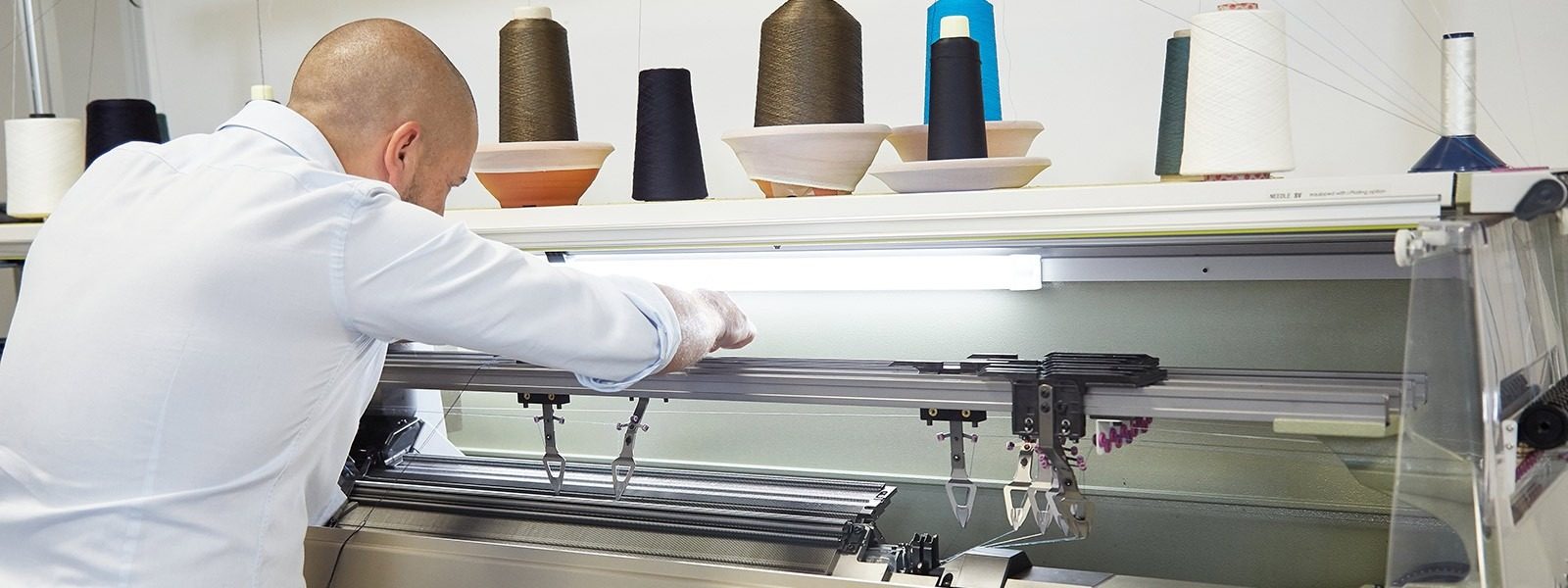
For the Filati Loro Piana group, the page identifies a fine Winter Island Merino yarn and different Shima Seiki equipment for the coat and trousers versus the lightweight jumper. The Zegna Baruffa group uses another specified Merino yarn and a 14-gauge machine across its three garments. Tollegno's dress and bomber follow their own yarn and equipment descriptions, with the bomber developed for a three-dimensional padded effect. These details show that the collection is a coordinated set of experiments rather than one machine recipe applied unchanged to every silhouette. A technical comparison should therefore identify the particular outfit, yarn selection, knit structure, and joining method before transferring claims from the overall project.
Reduced cutting waste is a process claim with a scope
Woolmark links the knitting approach to using the required yarn quantity and avoiding a traditional cut-and-sew route, while also noting that these garments do not need separate linings. Those statements explain a proposed production advantage of the described project. They should not be turned into a claim that every stage produces no waste or that all knitted tailoring necessarily has the same impact. Yarn manufacture, knitting, joining, and the actual garment construction remain relevant. The source's observation that its yarn suppliers were Italian likewise describes the collaboration's sourcing arrangement; it does not supply a complete environmental calculation. Accurate reporting retains these practical details while distinguishing them from an assessment of the whole product life cycle.
References
- Wool to Go Tailored Knit. The Woolmark Company; Creative Director; Vittorio Branchizio.








Comments
0