 FabricKnowledge Lab
Shaped panels and versatile flat beds
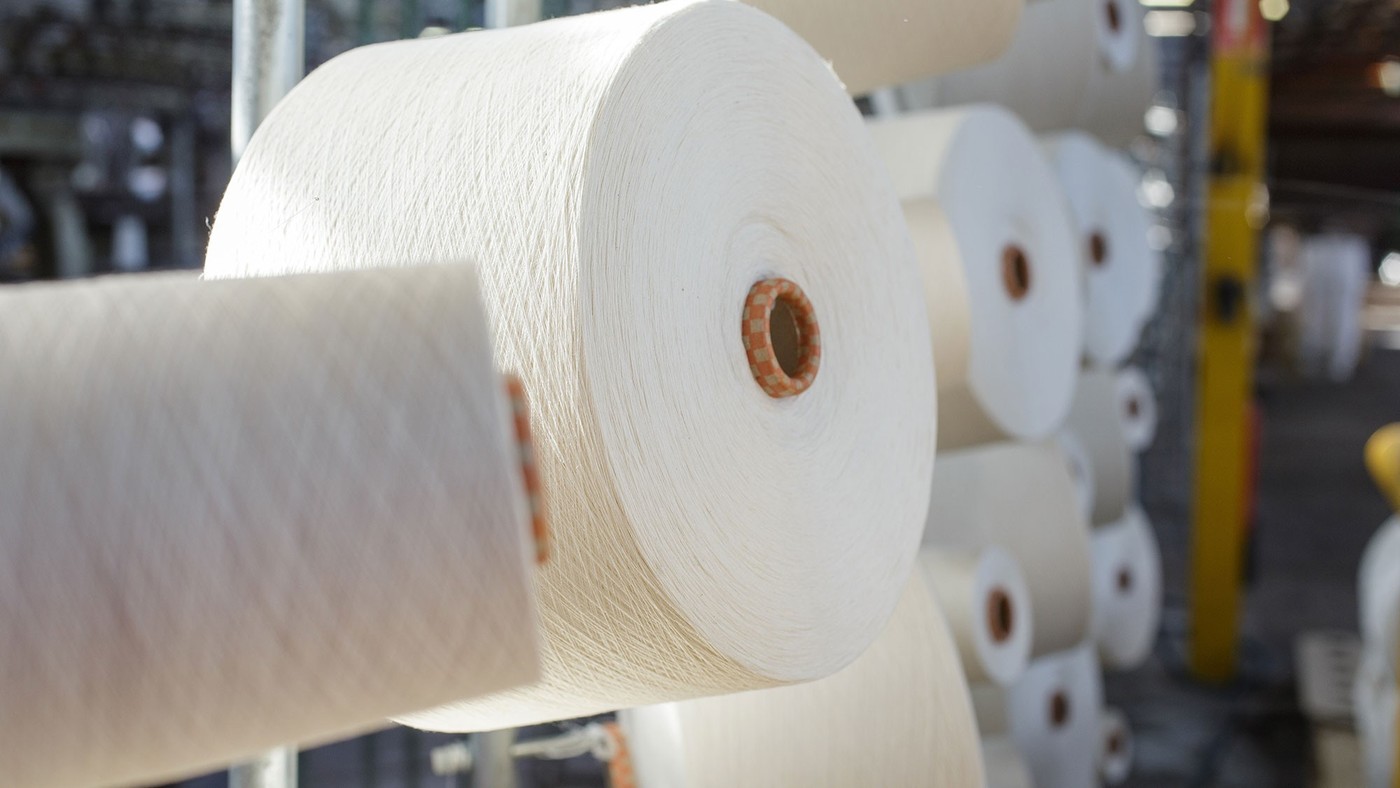
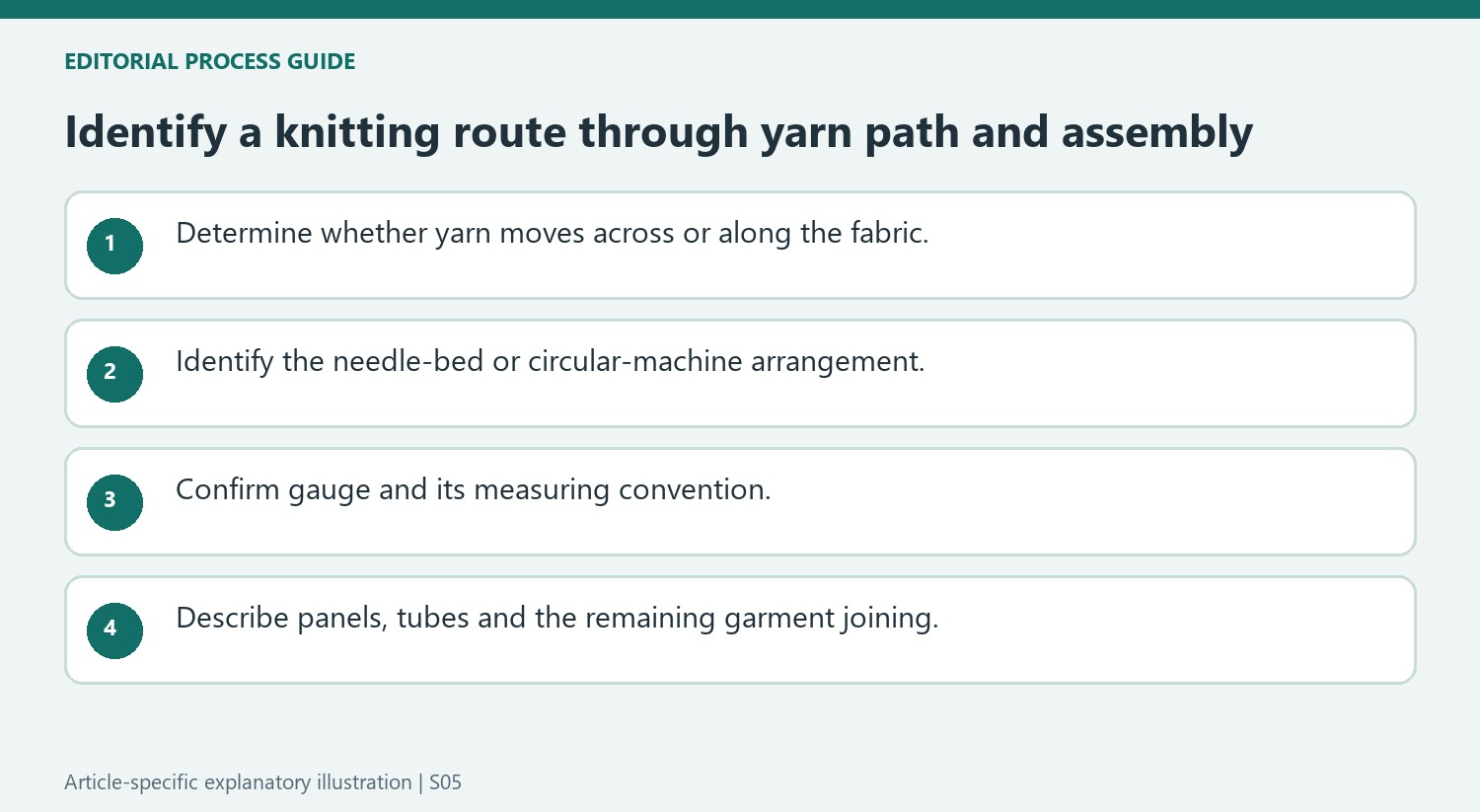
Woolmark's knitting guide begins with fully fashioned machines that produce panels to predetermined garment shapes. The front, back, and sleeves are then linked together, with characteristic fashioning marks near seams. The guide distinguishes these machines from flat-bed or V-bed equipment, where two needle beds face each other in an inverted V arrangement. A moving carriage supplies yarn and selects needles. Stitch transfer between beds supports varied patterns, and details such as pockets or trims can be knitted into a panel. These methods illustrate different ways of coordinating textile formation with the later assembly of clothing.
Circular machines produce tubes of fabric
Circular knitting uses needles arranged around a cylinder to create tubular material. The guide explains that larger tubes can be slit open during finishing, after which fabric is cut into garment panels. Single-jersey and double-jersey machines differ in their needle arrangements. Smaller-diameter circular equipment can instead produce body-sized tubes, reducing some assembly steps and allowing changes of stitch structure within a garment. Woolmark lists uses ranging from intimate apparel to sportswear. The phrase seamless knitting should therefore be understood in relation to the actual garment process, because sleeves, hems, or other details may still require joining.
Warp knitting follows a different yarn path
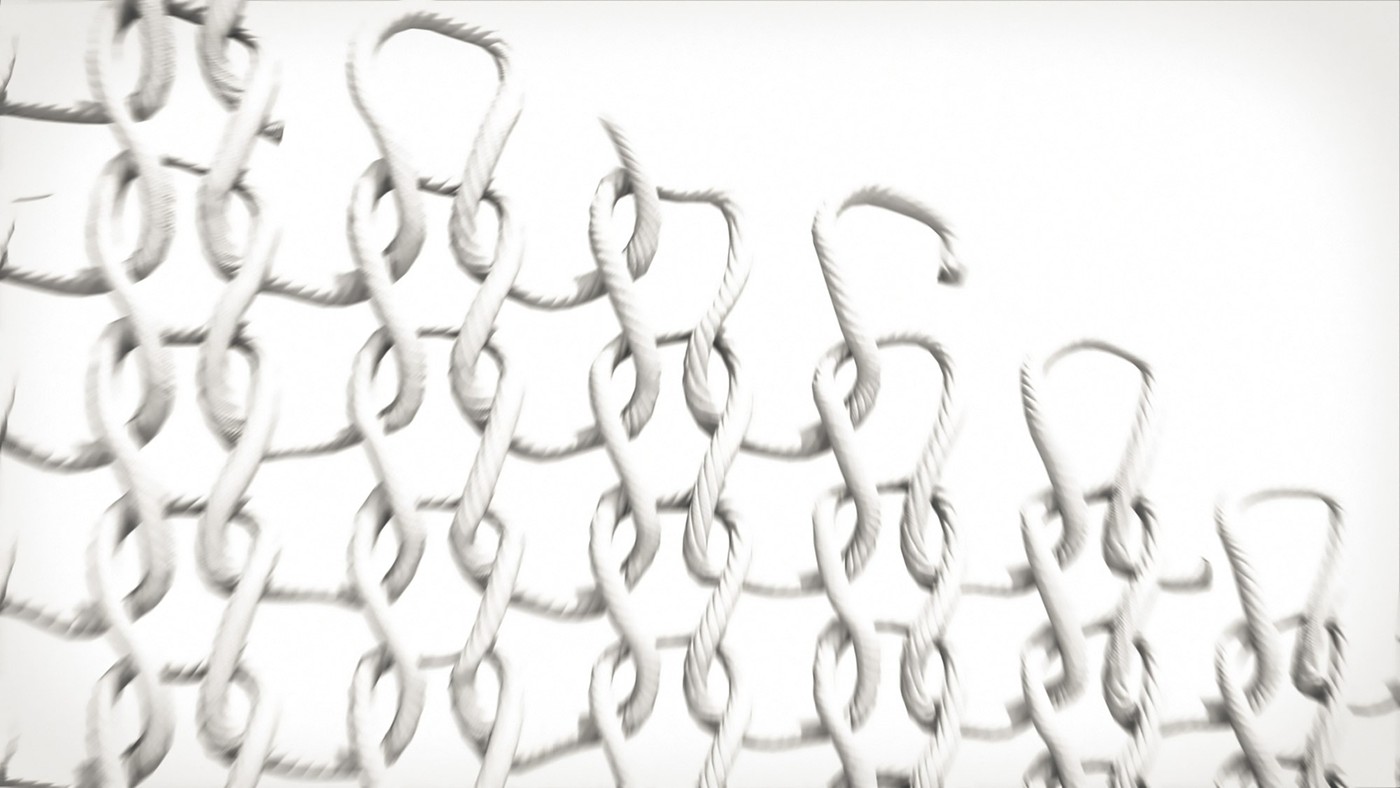
In warp knitting, multiple yarns travel along the fabric length and move between adjacent columns. Woolmark contrasts that arrangement with weft knitting, where a course runs across the width. The number of yarn supplies makes warp knitting more suited to larger production lots in the guide's account. The broader lesson is that knitting is a family of manufacturing routes, not one universal process. Machine type, yarn movement, gauge, and assembly method together help explain the structure and production options of a finished wool garment.
Gauge needs the machine's measuring convention
Woolmark gives gauge as a useful way to describe knitting equipment, but its account includes an important exception. For the fully fashioned machines discussed, the needle count is based on one and a half inches rather than the one-inch basis used for other machines in the guide. A gauge number therefore should not be compared across all equipment without checking what it measures. The source also explains that the historic expression cotton machine refers to inventor William Cotton, not a requirement to use cotton fiber. These details illustrate a broader practical point: machine terminology can describe an invention or measurement convention rather than the fiber composition of the garment being knitted.
Panel shaping changes the later assembly task
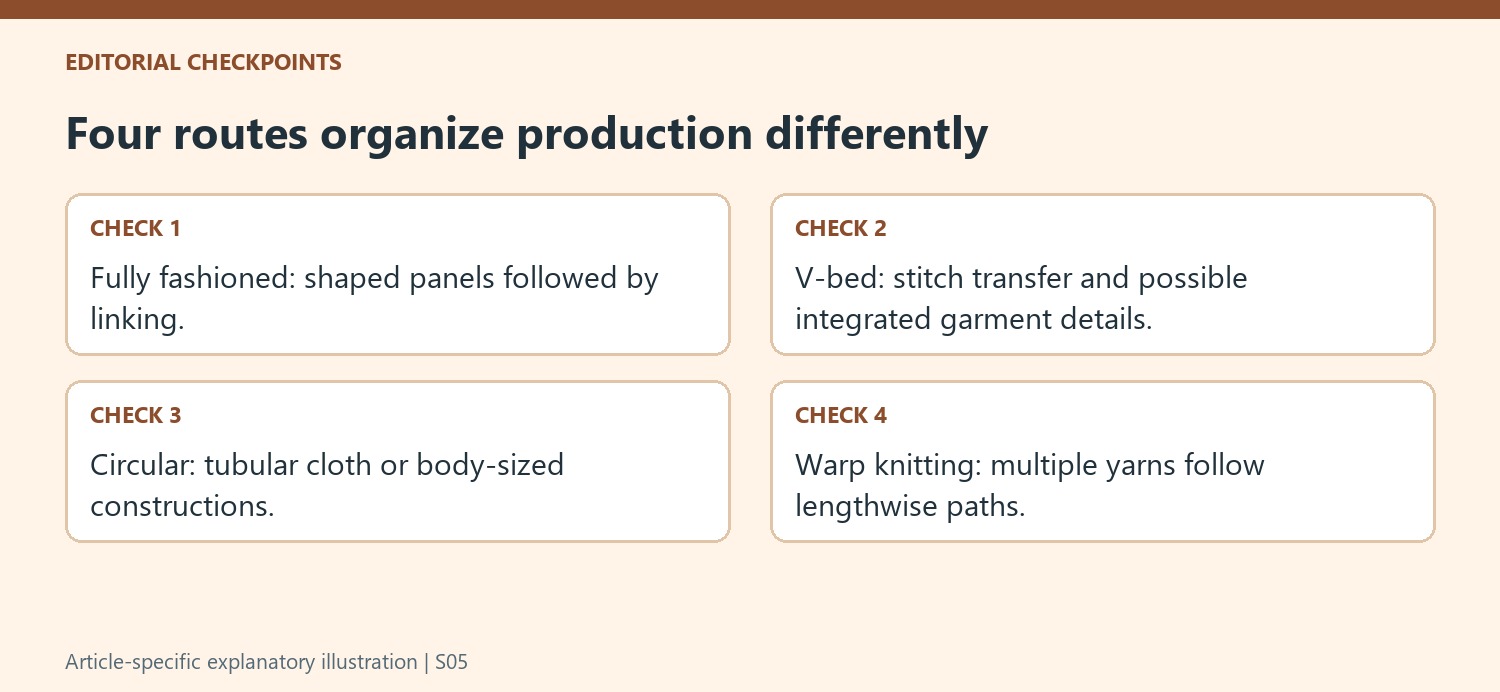
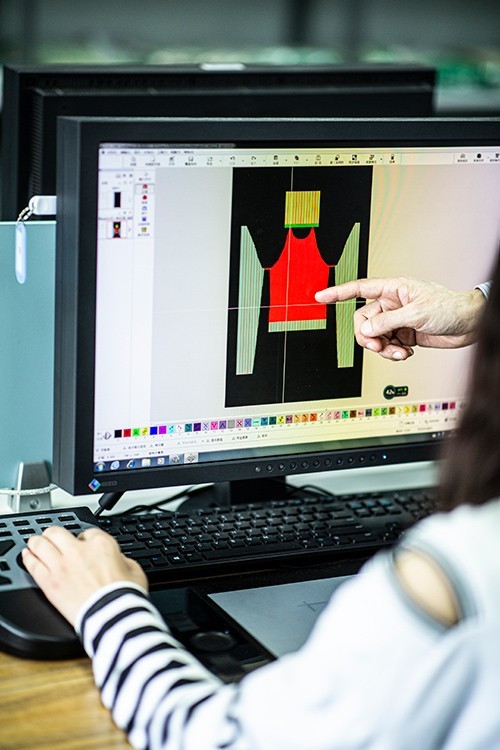
Fully fashioned production creates front, back, and sleeve panels to predetermined shapes before linking. The guide notes characteristic fashioning marks near seams and explains that cuffs or welts may require separately made rib components on the machines described. V-bed equipment provides another set of possibilities, including stitch transfer and knitting some details into the panel. Computerized whole-garment systems can reduce joining further. These are differences in the relationship between textile formation and garment assembly. They should not be reduced to a simple contrast between handmade-looking and machine-made-looking clothing. The actual panel shape, stitch structure, integrated details, and remaining sewing steps provide a clearer account of how a particular knitted garment was produced.
Tubular fabric does not always mean a finished seamless garment
A large circular-knitted tube can be slit open in finishing and become flat cloth for cutting into panels. A smaller body-sized tube can instead reduce some assembly, although sleeves, hems, and details may still require joining. The source also distinguishes single-jersey from double-jersey needle arrangements and notes that yarn can be dyed before knitting or fabric dyed afterward. Warp knitting follows another route, with many yarn supplies moving along adjacent lengthwise columns. Each route has its own production logic. For a useful specification, identify the machine family, yarn path, gauge basis, fabric structure, and assembly method instead of assuming that the presence of a tube or the word seamless explains the entire finished product.
References
- Knitting. The Woolmark Company; The Woolmark Company.





Comments
0