 FabricKnowledge Lab
Different layers serve different textile roles
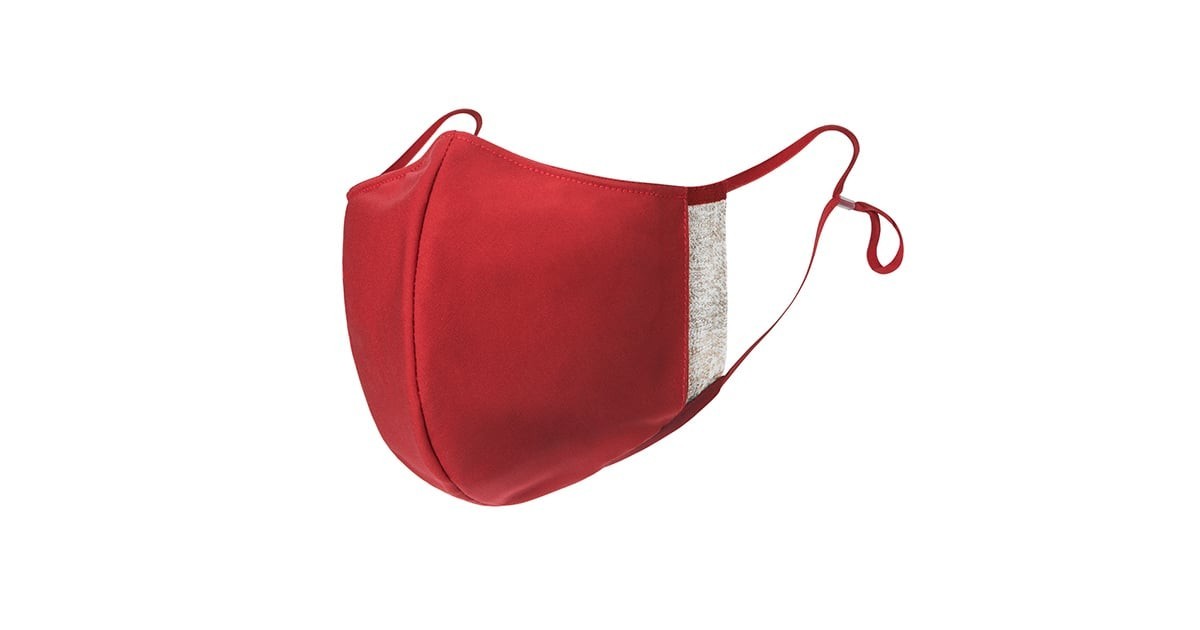
Woolmark's face-mask page describes non-medical designs using wool in several positions. A dense woven outer layer can provide water resistance, superfine Merino can form a soft inner layer, and a felt insert can occupy the space between them. These are distinct construction roles rather than interchangeable pieces of fabric. The page mentions wool's moisture absorption and release as relevant to the microclimate near the skin. Such comfort-related properties should be separated from filtration performance, which depends on the complete mask, its fit, and the relevant testing rather than the fiber name alone.
Knitted shaping changes garment assembly
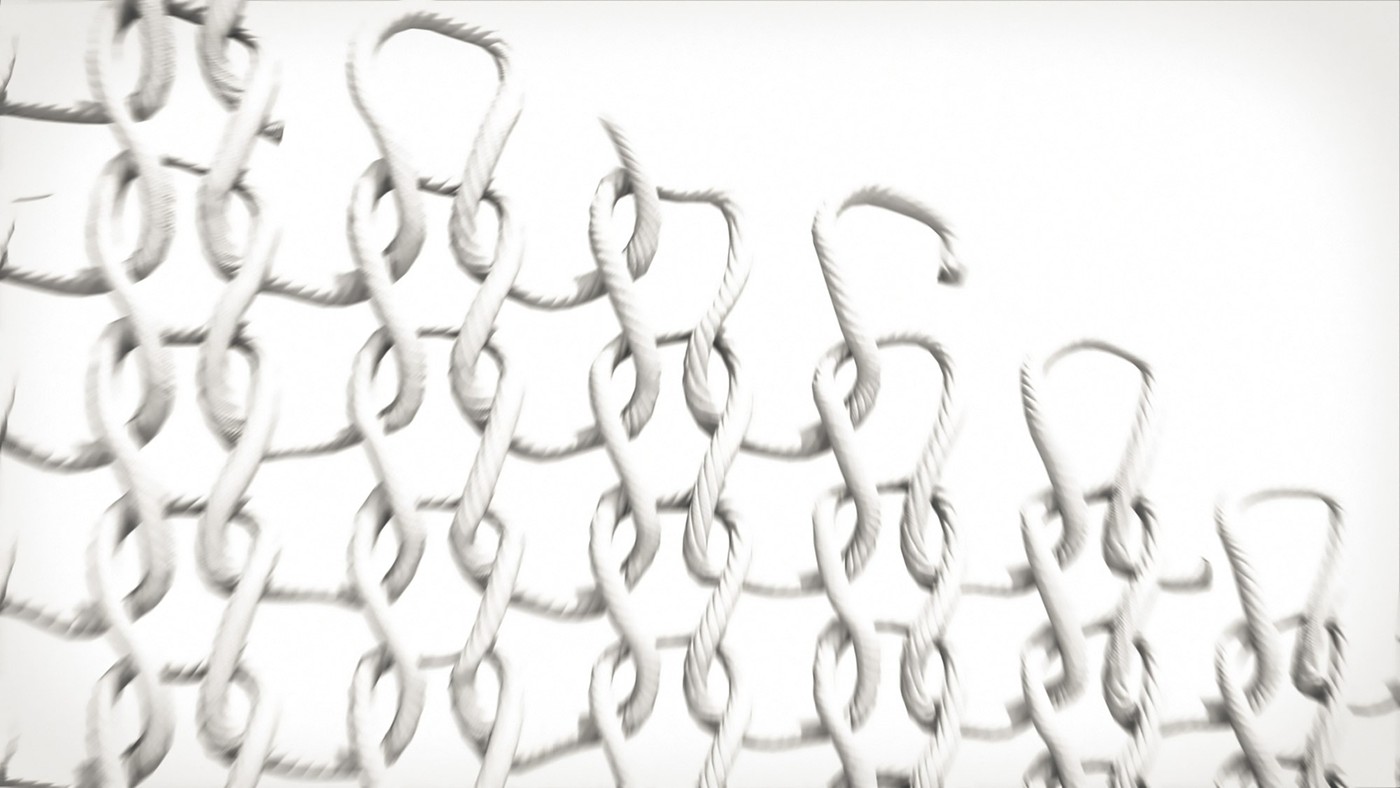
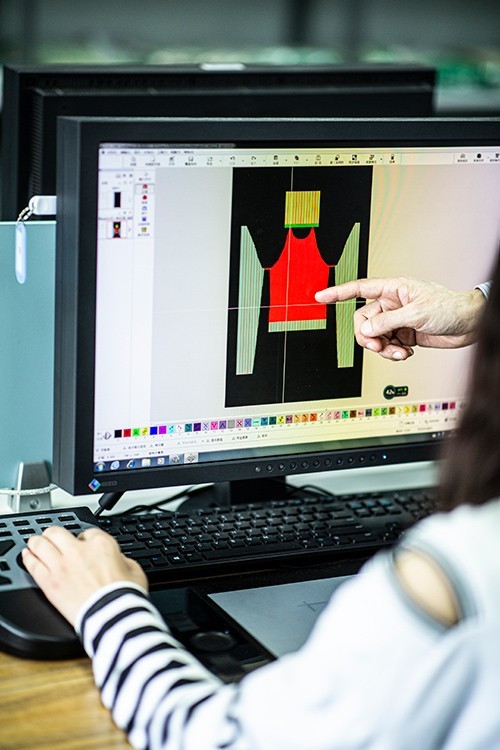
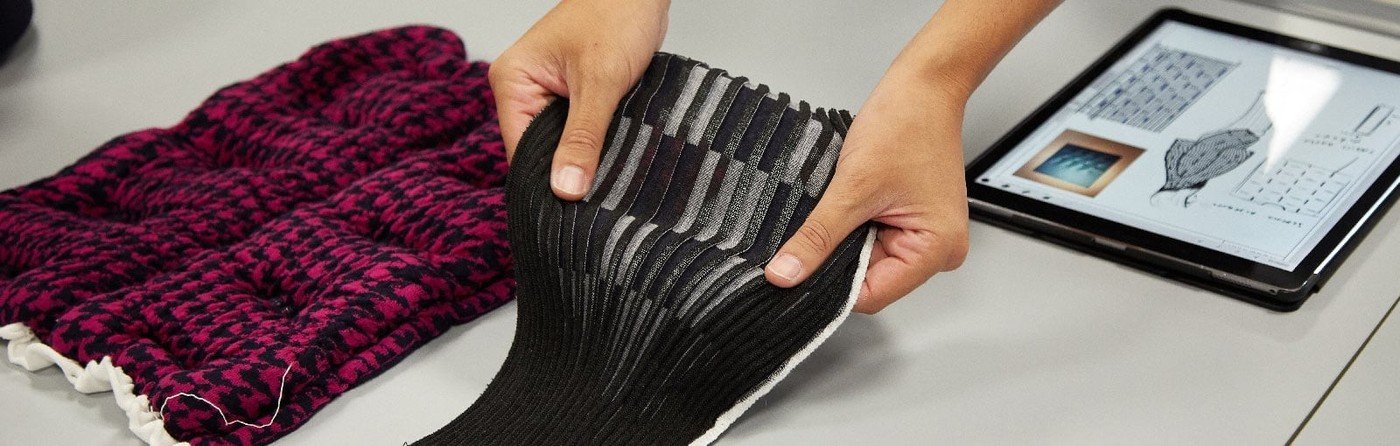
The source also describes three-dimensional knitting with STOLL technology, using a wool-blend yarn to create a mask body as one piece. The approach is presented as reducing making-up stages and allowing a shaped construction, with the possibility of inserting a filter. This manufacturing account helps explain how a textile can be formed around a face rather than cut only from flat pieces. It does not establish that every knitted design has the same protective performance. The yarn, stitch density, layers, filter, edge construction, and fit all remain parts of the actual product being assessed.
A stated limitation belongs with the design
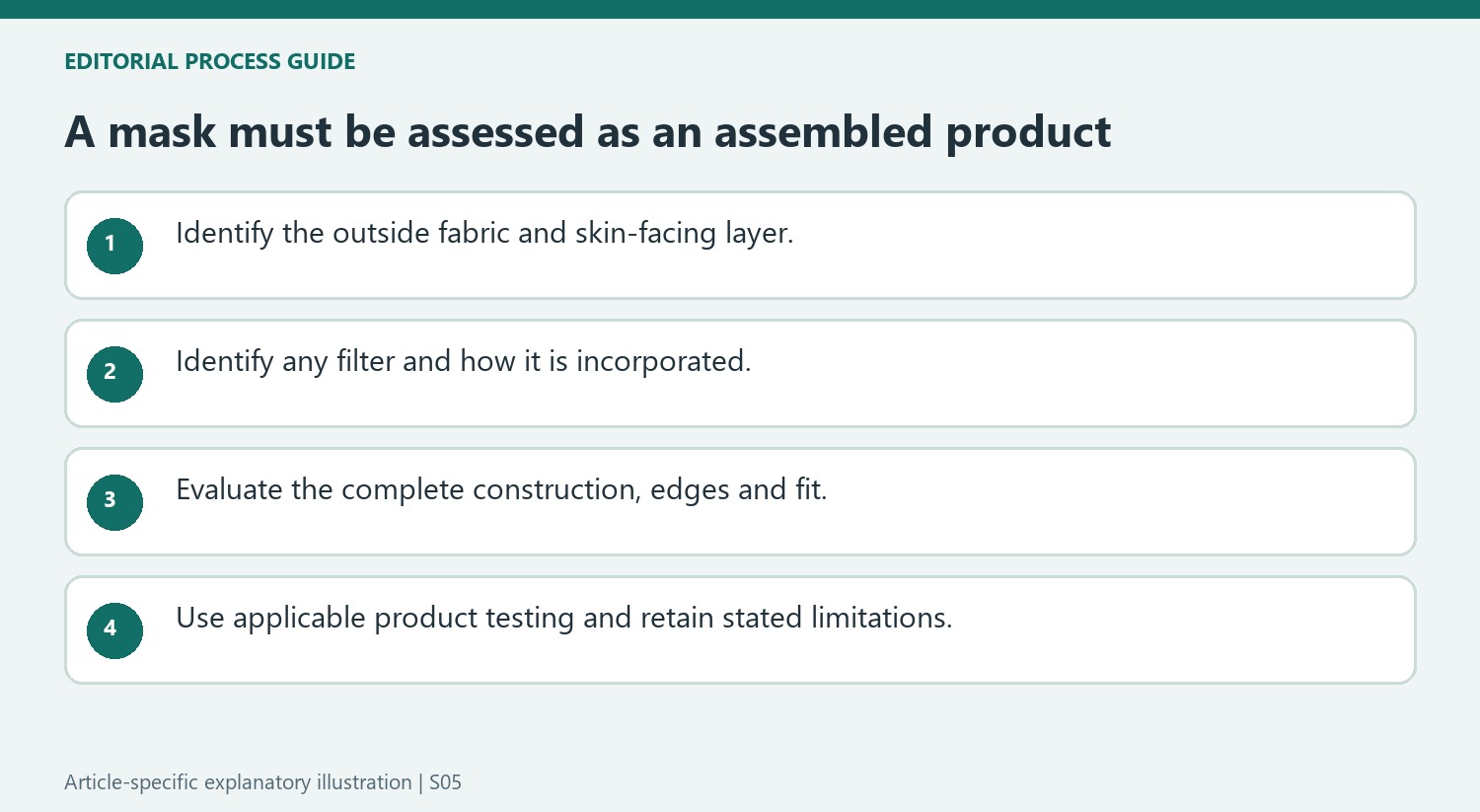
The page discusses a KnitWarm SilverTech model with a dense woven outer surface, but explicitly says the mask does not meet surgical-mask requirements for bacterial or particle filtration efficiency. That qualification is essential context for the example. Water resistance or a comfortable inner fabric should not be presented as proof of surgical or respirator-level protection. The useful textile lesson is the separation of functions: the outer surface, skin-facing layer, optional filter, and shaped construction can each be designed for a purpose. Claims about the complete mask require evidence appropriate to that purpose and cannot be inferred from wool content alone.
The outer, middle, and inner positions need separate descriptions
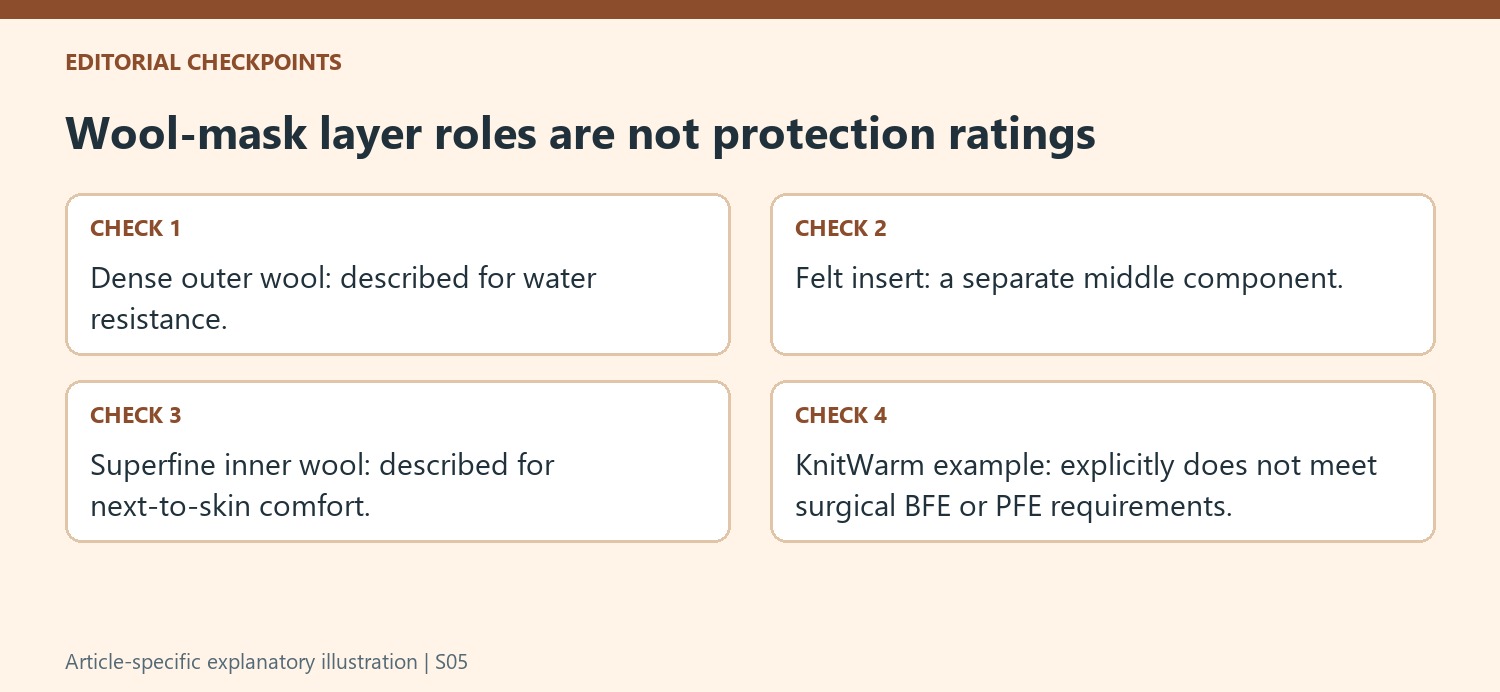
The page places a densely woven water-resistant fabric on the outside, a possible felt filter in the middle, and superfine Merino next to the skin. Describing those positions separately helps avoid assigning one layer's intended purpose to another. The source identifies fibers finer than 17.5 microns in its discussion of the skin-facing option and links them with comfort and moisture buffering. That is a material and comfort description, not a filtration rating. Likewise, a felt insert is a separate component whose presence alone does not establish the performance of the complete mask. A useful account identifies the actual assembled construction, including its fit and edges, before discussing any tested protective function.
The one-piece knitting example concerns how the body is made
STOLL three-dimensional knitting is presented as a way to form a wool-blend mask body on one machine and reduce making-up stages. The source also says a filter can be inserted in such a design. That manufacturing flexibility should not be interpreted as proof that the knitted body has no openings or that all versions provide equivalent protection. Different yarns, stitch arrangements, layers, and filters would still produce different products. The technique's value in the article is to show another construction route alongside masks cut from woven fabric. Any statement about performance should remain attached to the complete tested item rather than the machine name or the general appeal of reduced production waste.
A specific limitation should travel with the example
Woolmark explicitly states that the KnitWarm model described does not meet surgical-mask requirements for bacterial or particle filtration efficiency. That sentence is necessary context whenever the example is discussed. A water-resistant outer surface and a comfortable Merino inner surface address particular textile functions, but they do not remove the stated limitation. The page is therefore useful as a historical material-development account, rather than a basis for treating ordinary wool masks as interchangeable with certified medical or respiratory protection. A purchaser needing a particular protective function should rely on the complete product's applicable certification and instructions. The material overview cannot supply an absent filtration result simply because it describes favorable fiber characteristics.
References
- Wool Face Masks. The Woolmark Company; The Woolmark Company.









Comments
0