 FabricKnowledge Lab
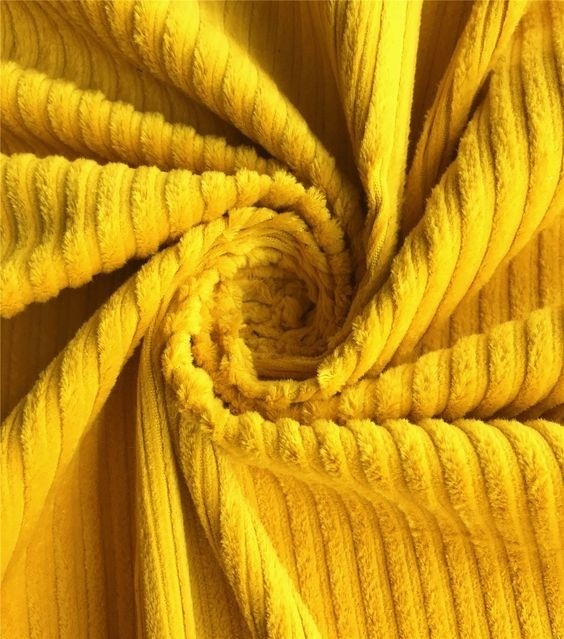
Raised cords are the defining feature
Corduroy is recognizable by parallel ridges of pile called wales. Sewport's guide describes versions made with cotton, cotton-and-polyester blends, other synthetics, and sometimes wool. The construction therefore has an identity separate from its fiber content. A cotton trouser fabric and a synthetic furnishing material can both be corduroy, while having different weights and care requirements. The wale count describes how many ridges occur within an inch. A lower count means fewer, wider cords, while a higher count indicates finer, more closely spaced ridges. This makes the number useful when comparing surface appearance.
An extra yarn becomes the pile
The manufacturing explanation describes a ground fabric supported by warp and weft yarns, with additional yarn forming floats across the surface. Those floats are cut to create the raised pile. Brushing and finishing help produce the soft ridges associated with corduroy. The source also describes temporary stabilization during cutting and notes that color can be introduced through different dyeing approaches. These stages explain why corduroy is more than ordinary cloth printed with stripes: its recognizable lines are physical raised structures. The ground weave, pile yarn, and finishing all contribute to the finished material.
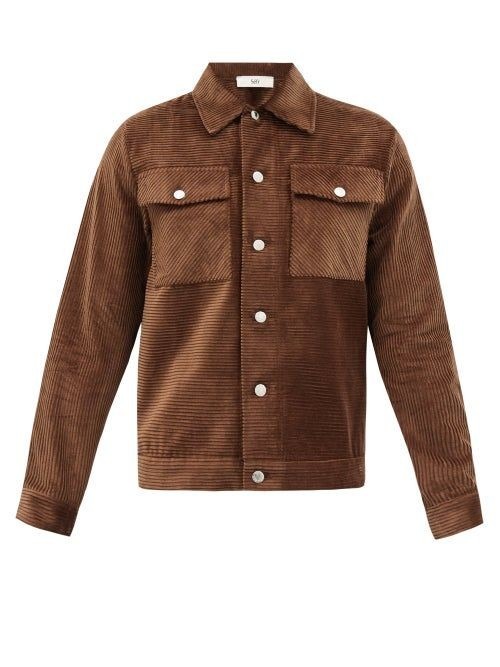
Fine cords and broad cords serve different looks
Sewport distinguishes fine pinwale fabric from broader elephant cord and discusses pigment-dyed versions with a mottled appearance. It lists trousers, overalls, jackets, upholstery, and cushions among applications. Those examples show why ridge size alone cannot determine suitability for a product. Fabric weight, composition, density, and any added stretch fiber remain relevant. A useful specification combines wale count with those details and the intended use. The same recognizable surface can support several design directions, but a lightweight clothing fabric should not automatically be expected to meet the demands of a heavily used furnishing.
Reading a wale count without reversing its meaning
A wale count is a count of ridges over a stated distance, not the width of one ridge. The source uses an inch as the reference. Within that same space, fewer ridges mean that each cord occupies more width; more ridges mean a finer, more closely repeated surface. Sewport describes roughly 11 to 12 wales per inch as a standard example, while its wider discussion includes both pinwale and very broad cords. This helps a buyer interpret numbers that might otherwise seem counterintuitive. A higher number indicates a finer-looking ridge pattern, not automatically a heavier cloth, a higher fiber percentage, or a superior level of durability.

The ground and the pile play different structural roles
The source's technical description identifies a supporting ground weave and an additional yarn that forms floats. Cutting those floats creates the raised surface, after which brushing and finishing develop the cords. Temporary stabilization helps keep the pile yarn in place during cutting, rather than serving as the definition of the finished fabric. This sequence explains why the ridges are a physical textile feature rather than merely a stripe pattern. It also leaves several specification choices visible: the ground can be described separately from the pile, and the selected yarns can contain different fibers. Those details matter when comparing two corduroys that look similar from a distance.
A finishing effect is another part of the description
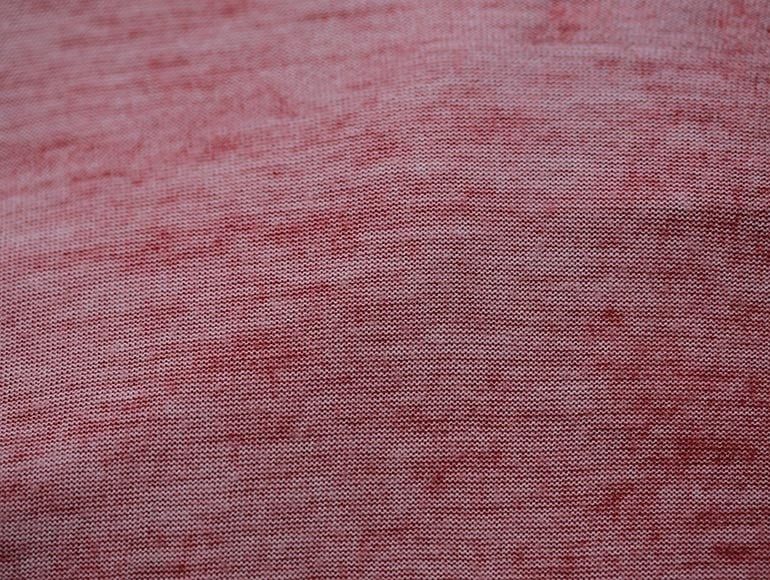
Sewport describes pigment-dyed corduroy as one route to an irregular appearance that can become more pronounced through washing. That is a coloration and finishing choice, separate from wale count. A broad-cord cloth and a pinwale cloth can therefore differ in both their physical surface and their coloring treatment. The source lists clothing and furnishing applications, so the intended role should remain part of a purchase specification. A jacket fabric needs to be assessed as clothing, while a cushion or upholstery cloth has another set of demands. Ridge size gives useful information about appearance, but composition, weight, construction, finish, and the actual care label complete the picture for the item being selected.










Comments
0