 FabricKnowledge Lab
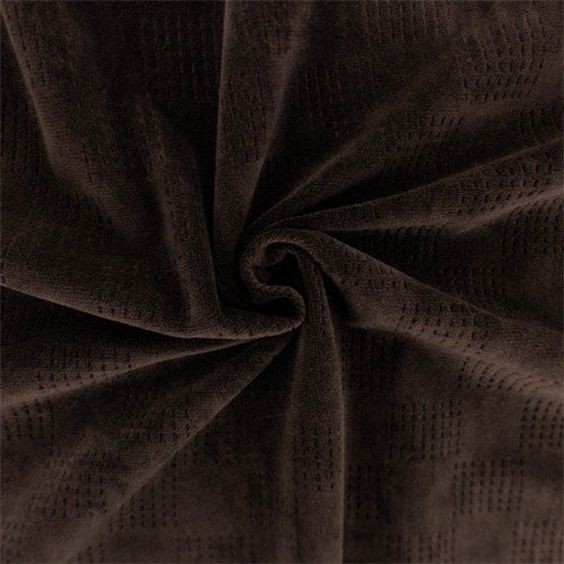
A surface associated with velvet
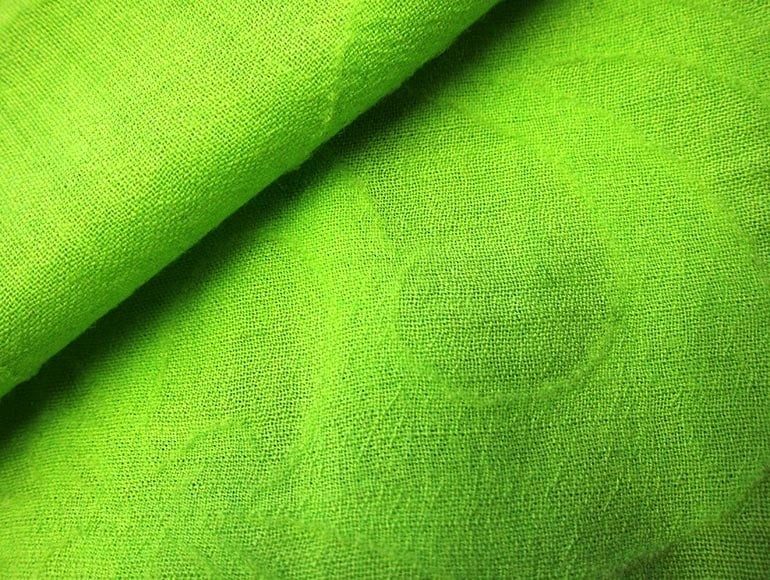
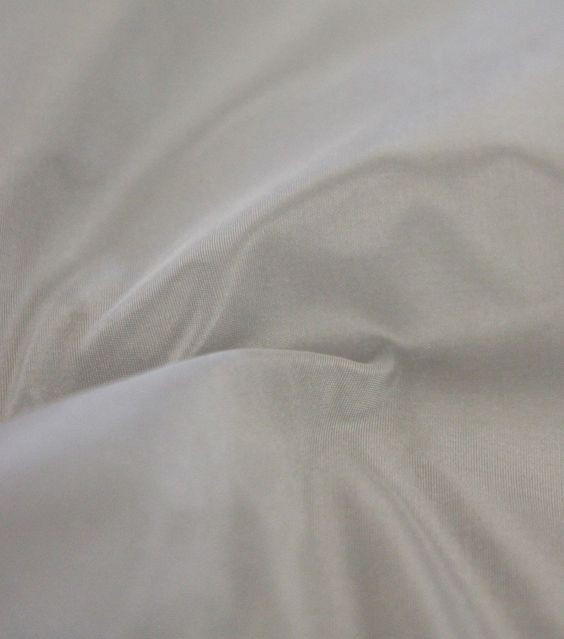
Velour is commonly associated with a soft pile surface and a visual relationship to velvet. Sewport's guide discusses cotton and synthetic versions and links the material with clothing, upholstery, and stage curtains. These examples immediately show that the name does not identify one raw fiber or a single end-use specification. A velour tracksuit and a theater curtain may share a plush appearance while using different constructions, weights, and finishes. The surface description is useful, but the fiber composition and the requirements of the actual product remain separate questions when comparing two fabrics.
Material preparation precedes the pile textile
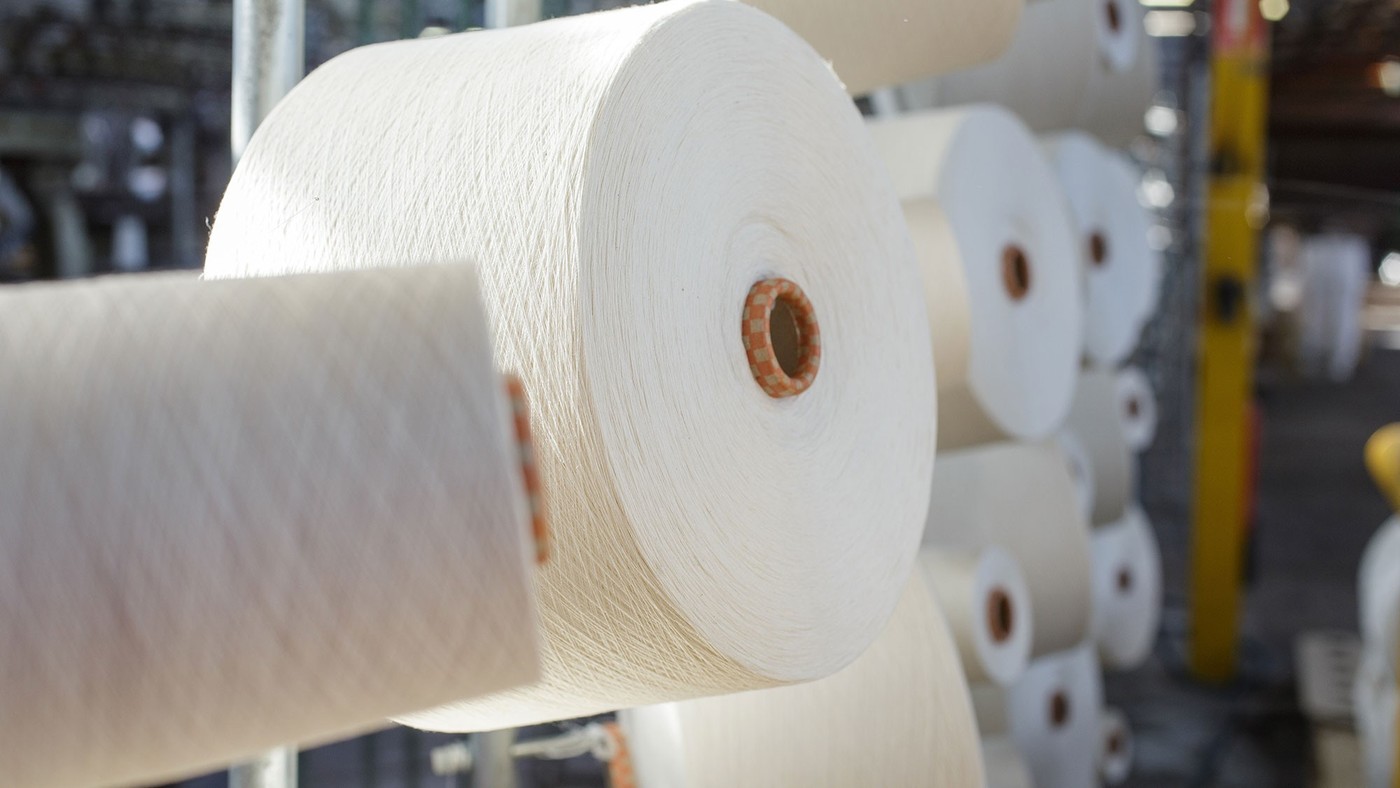
The guide's manufacturing account begins with obtaining suitable yarn, describing cotton as a traditional option and polyester as another important material. Yarn preparation and textile formation create the base from which the pile surface is produced and finished. The process is distinct from simply coating an ordinary cloth to look shiny. For a practical specification, ask how the pile is formed and supported, as well as what it contains. The density and length of the raised surface, the backing structure, and the finish help distinguish a soft apparel textile from a heavier furnishing material.
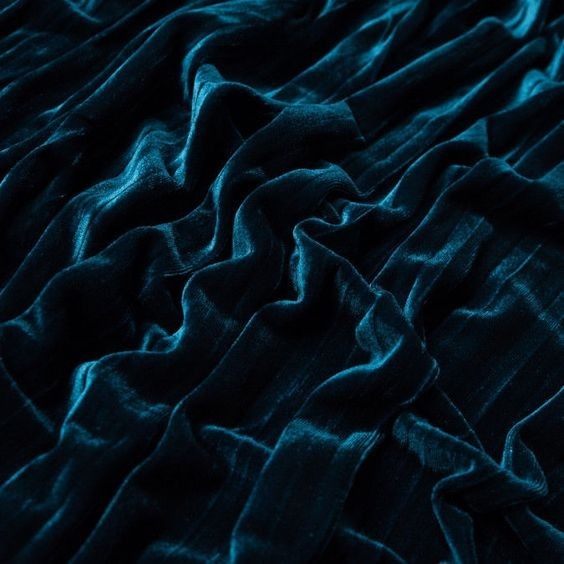
Use determines which evidence matters
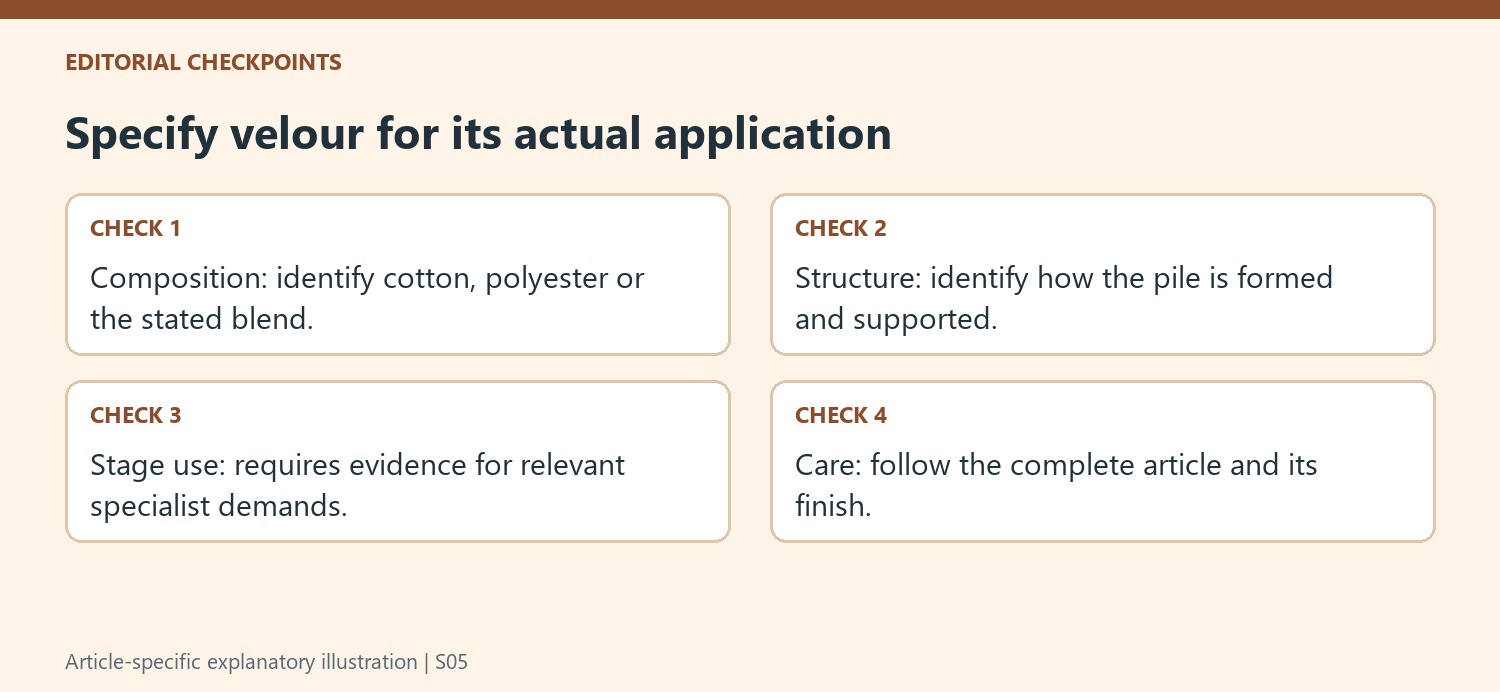
Sewport lists bathrobes, dancewear, jackets, trousers, tracksuits, jewelry cases, upholstery, and stage curtains. Such a broad application list should not be treated as proof that any velour is suitable for every one of those uses. Clothing requires an appropriate fit and handle, while a large curtain or upholstery fabric involves different performance demands. A material selected for a regulated or specialist application needs the corresponding product-specific evidence. The velour name introduces a recognizable textile surface; the full composition, construction, intended use, and care information establish what a particular version is designed to do.
A velvet-like effect does not identify one recipe
The source associates velour with a pile surface and discusses cotton, polyester, and blended versions. It also notes that the word can appear in the separate context of velour leather, a hide material with a soft surface. This terminology makes a complete product description especially important. A textile supplier should identify the fiber composition and how the pile is formed rather than relying on the word alone. Velvet, velveteen, and duvetyne are related comparison points in the guide, but a resemblance in touch or appearance is not proof that their structures are identical. Reading these names as a starting point for identification avoids treating all plush-looking materials as interchangeable.
Stage curtains need evidence about the actual supplied fabric
Sewport highlights stage curtains as an important velour application and describes flame-retardant treatment among possible finishing operations. That is a specialist requirement, separate from whether a fabric feels soft or hangs attractively. A material intended for a theater should carry documentation appropriate to the actual product and relevant requirements, rather than an assumption that all polyester velour has been treated or approved. The source's general application list does not establish such approval for any particular roll. A buyer also needs to keep the fabric identity and finish together, because a claim about one supplied construction cannot automatically be transferred to another velour textile used in clothing or upholstery.
Coloration and finishing follow their own choices
The guide notes that color can be introduced before fabric formation or applied to the completed textile. Subsequent finishing may also serve a particular end use. These choices help explain how fabrics with a familiar pile appearance can differ in their specifications and care needs. A tracksuit fabric is selected as clothing, while jewelry-box lining or furnishing cloth serves another role. Comparing only their surface photographs would leave out composition, weight, backing, and finish. For a practical selection, request a sample together with those details and the intended application. The care instructions should then follow the supplied finished item, especially where additional materials or specialized treatments form part of the product.










Comments
0