 FabricKnowledge Lab
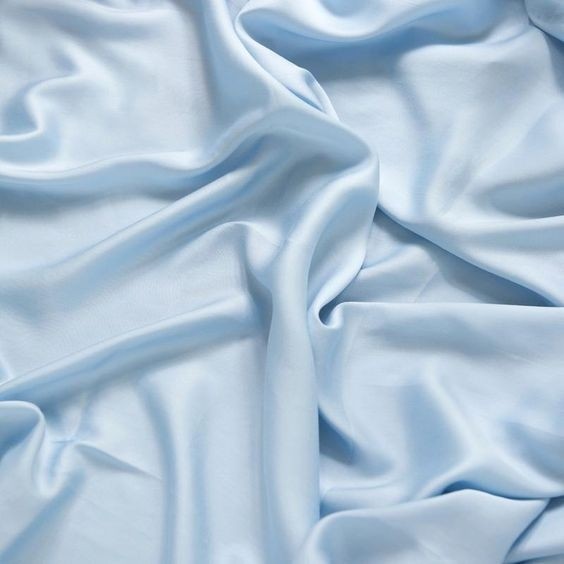
Cellulose takes a different processing route
Lyocell is a regenerated cellulose fiber made by dissolving cellulose and forming it into fine strands. Sewport's guide contrasts its direct-solvent route with the viscose process, which involves an intermediate chemical derivative. The distinction concerns manufacturing, rather than a visible guarantee that every finished garment will have the same surface or feel. The guide lists cotton, silk, wool, polyester, and other fibers as potential blend partners. A lyocell-containing fabric can therefore take several forms, and the generic fiber name should be read alongside the full composition and construction of the actual product.
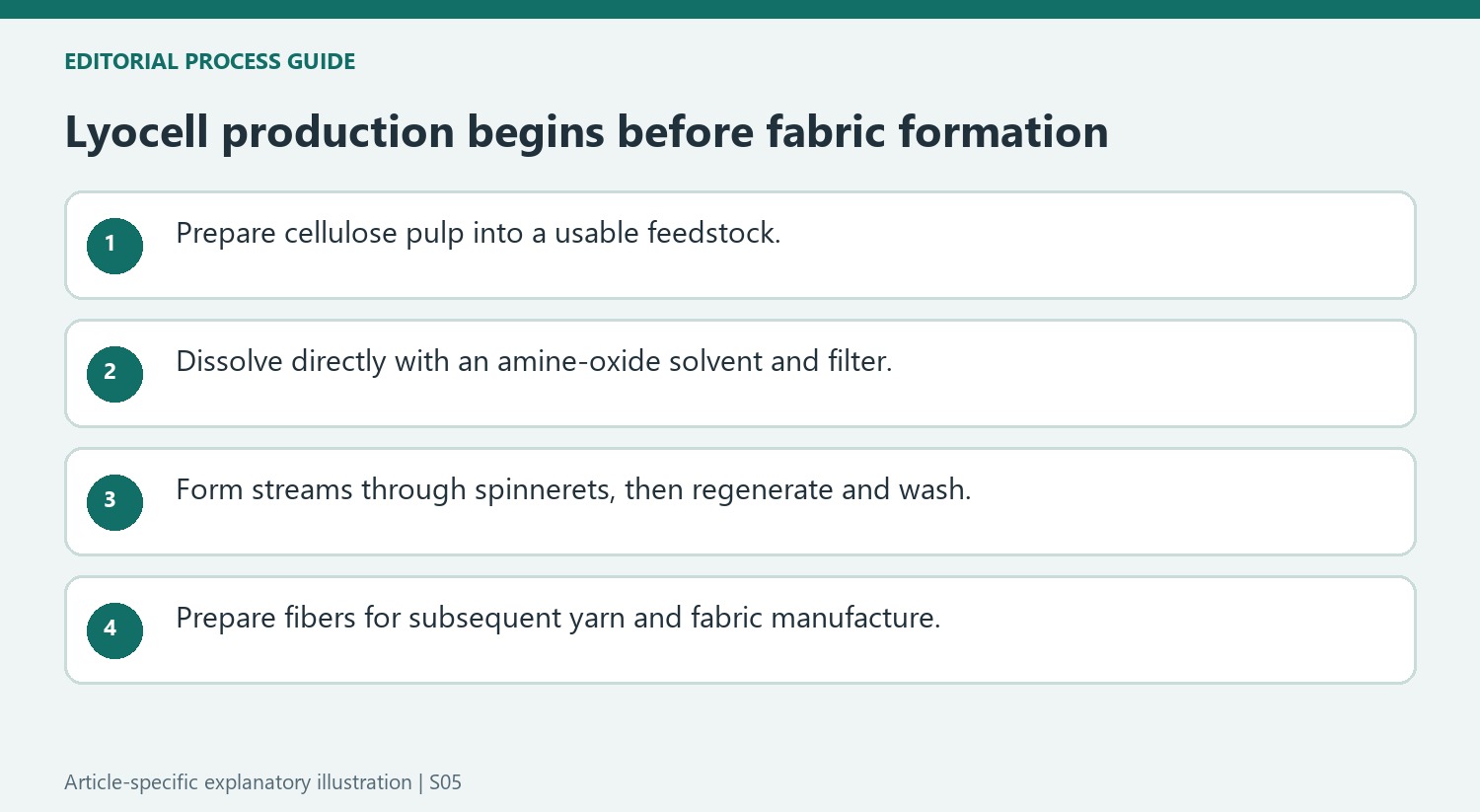
Dissolving, filtering, and forming strands
The described process starts with preparing wood pulp and producing cellulose sheets. Those sheets are broken into smaller pieces and dissolved using an amine-oxide solvent under controlled conditions. The solution is filtered before it passes through spinnerets, where fine streams form. A coagulation stage and washing remove solvent from the emerging fibers. Subsequent drying, finishing, crimping, and cutting prepare material for later yarn and textile production. The account also describes solvent recovery as an important feature of the route. Recovery is a process capability whose operation must still be assessed at the relevant facility, rather than a reason to assume all manufacturing is impact-free.
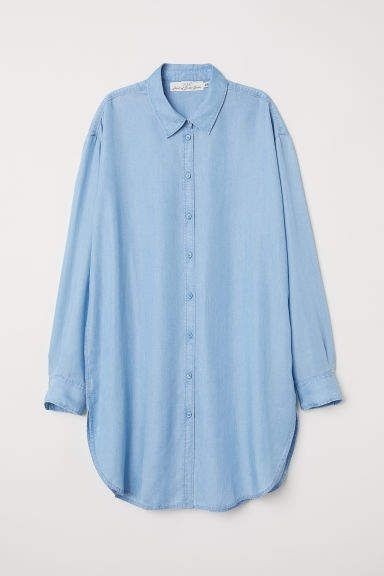
Clothing and technical uses have different requirements
Sewport lists shirts, underwear, towels, denim, and several technical applications, including specialty papers and medical materials. Those examples demonstrate versatility without making one product's performance transferable to another. A clothing fabric and a technical dressing can use related fibers while having different designs and testing requirements. For a consumer garment, the useful questions concern its complete blend, fabric construction, finish, and care instructions. Lyocell identifies how a cellulose fiber was produced; it does not by itself establish the strength, moisture behavior, or lifetime of every finished article that contains it.
A useful boundary between pulp and textile
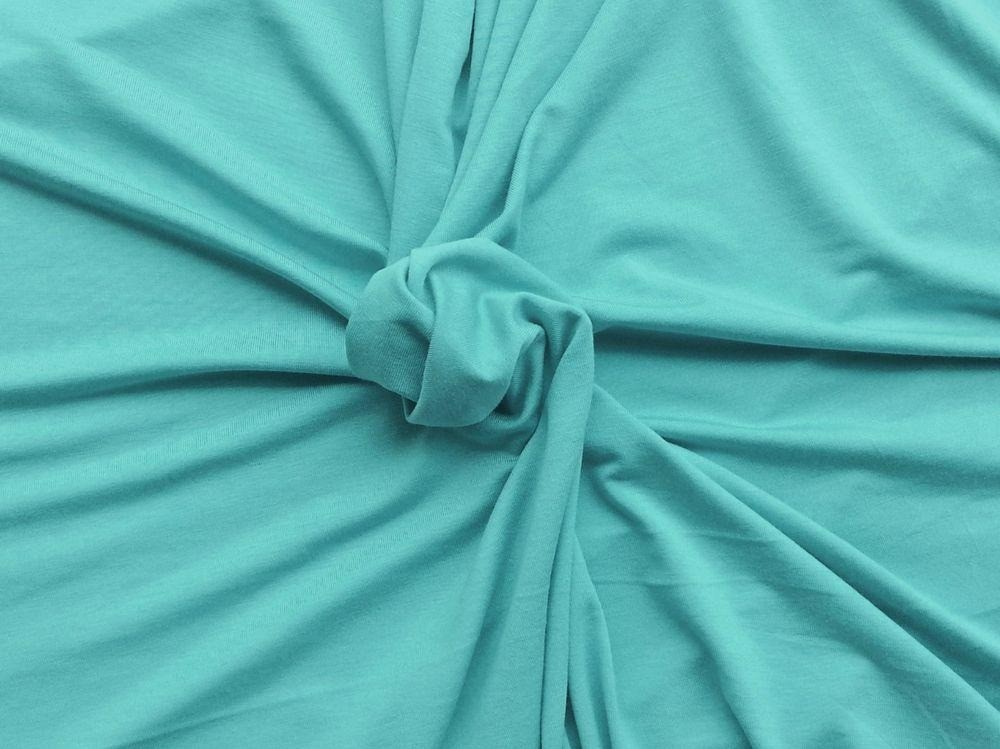
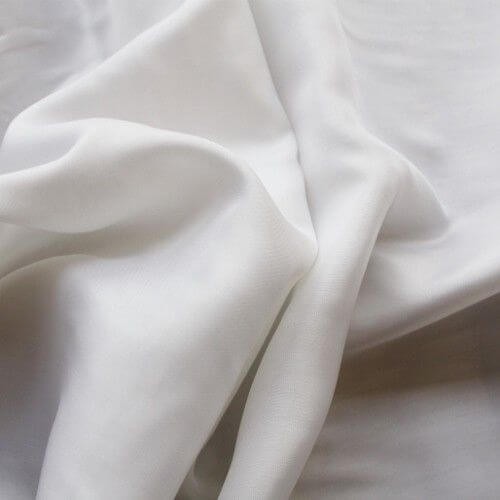
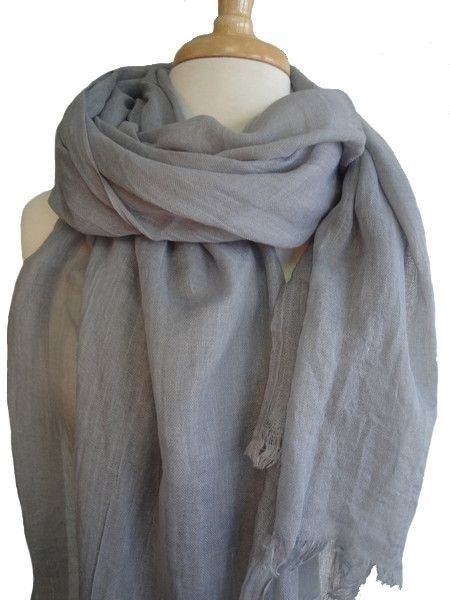
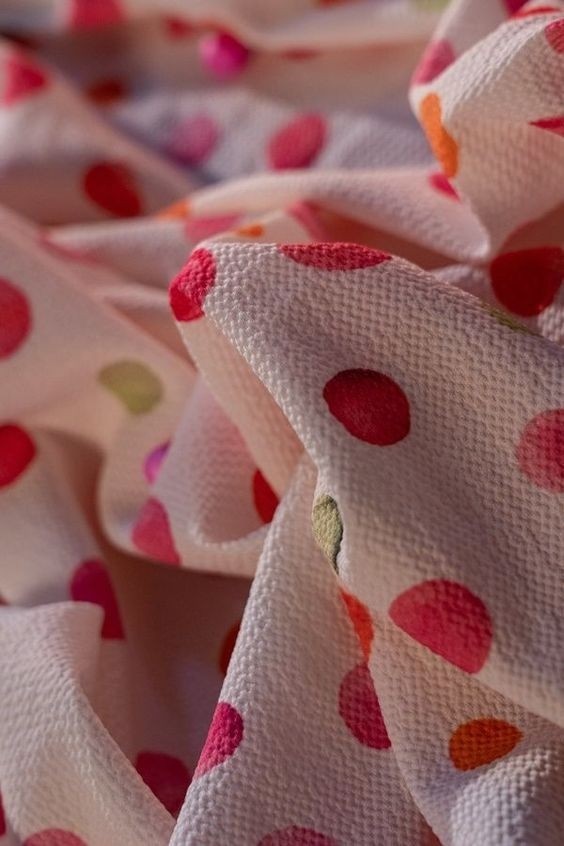
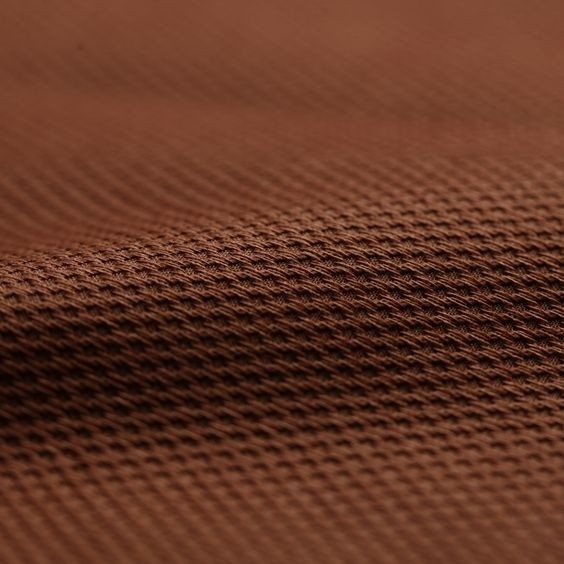
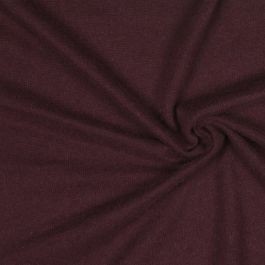
Following the sequence from cellulose sheets to cut fiber makes the manufacturing description easier to interpret. Preparing pulp supplies cellulose in a usable form; dissolving it makes a spinning solution; filtering and extrusion organize that solution into fine streams. Regeneration and washing then produce fibers ready for subsequent textile operations. A spinneret does not produce a finished shirt or towel. Yarn making, fabric formation, coloration, and finishing remain downstream steps, even when a short material description groups everything under the name lyocell. This boundary explains why a photograph of a draping fabric cannot demonstrate the operating conditions of its fiber plant. It illustrates one textile application rather than the entire manufacturing chain.
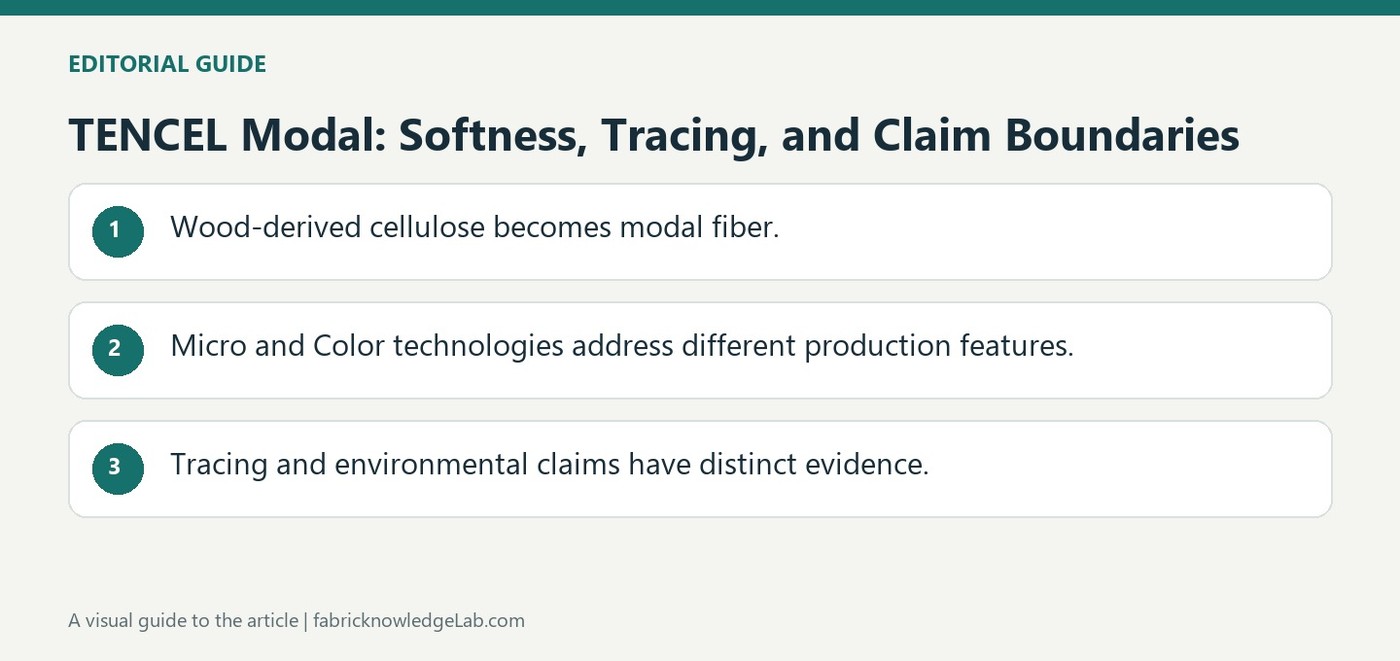
What solvent recovery does and does not establish
The guide's discussion of recovering amine oxide concerns a material circulating within the fiber-making process. Recovery can reduce the amount of new solvent needed, but understanding that principle is different from documenting the performance of a particular factory. An assessment would need a defined plant, a reporting period, and evidence about the recovery operation. The guide does not supply one universal measured percentage that can safely be attached to every lyocell item. The cellulose input also has its own origin and processing history. Readers can therefore recognize the value of a recovery system while keeping separate questions about wood sourcing, energy, water, and subsequent fabric finishing open for product-specific evidence.
Compare like products within an application
A useful comparison starts with the object being bought. For sheets, a lyocell-containing woven fabric should be compared with another bedding fabric of a clearly described composition and construction. For a shirt, the relevant object is the finished garment, including its fabric weight, blend, and instructions for washing and drying. The source's examples of medical dressings and specialty paper explain why fiber producers serve several markets; they do not establish suitability for a home medical use or guarantee clothing durability. Keeping application and construction visible prevents a general fiber description from becoming an unsupported performance claim. It also helps explain why two products bearing the same generic material name can look and behave differently.



Comments
0