 FabricKnowledge Lab
The material behind the name
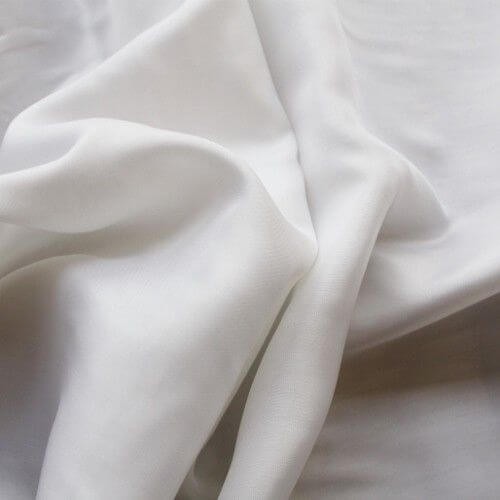
Cupro belongs to the regenerated cellulose family and is also described as cuprammonium rayon. Sewport's guide associates it with fine clothing fabrics, linings, blouses, dresses, lingerie, and scarves. These applications reflect an interest in smooth, lightweight textiles, but a similar appearance to silk does not make the fibers identical. Silk is an animal-derived filament, while cupro is made by processing cellulose into new fibers. The material name also does not establish that a garment contains only cupro: the guide describes its use alongside other natural and manufactured fibers in blended fabrics.
Dissolution and regeneration are separate stages
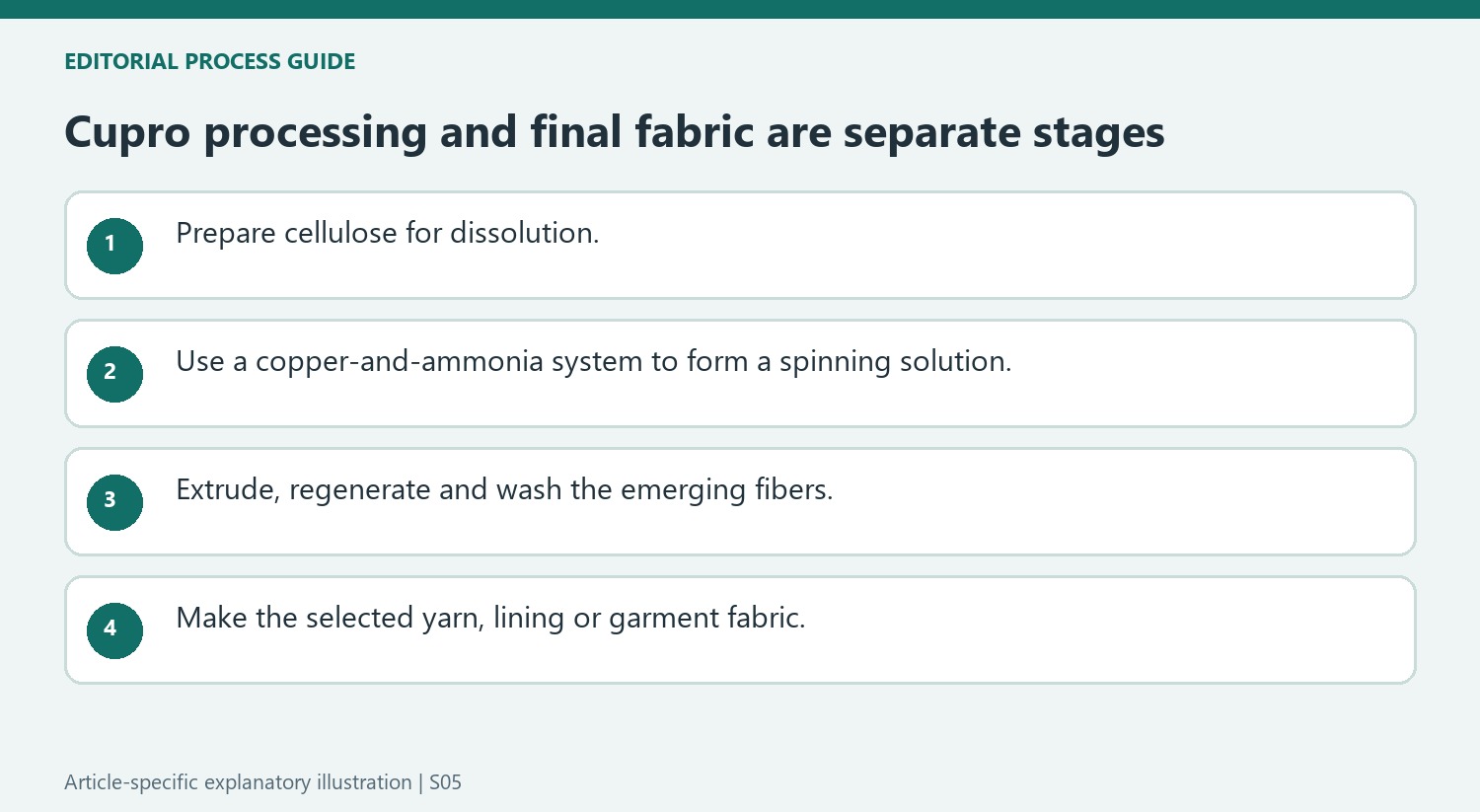
The production overview describes cellulose being treated in a copper-and-ammonia system to make a solution suitable for forming fibers. That solution passes through a spinneret, whose small openings create fine streams. Regeneration and washing stages then form the cellulose strands and remove processing chemicals. This distinction between the spinning solution and the finished fiber is essential. Chemicals used during manufacture should not simply be equated with the composition of the washed textile. At the same time, their recovery and handling are meaningful production questions that require evidence about the process rather than assumptions based on a soft fabric sample.
Assess the actual product and supply chain
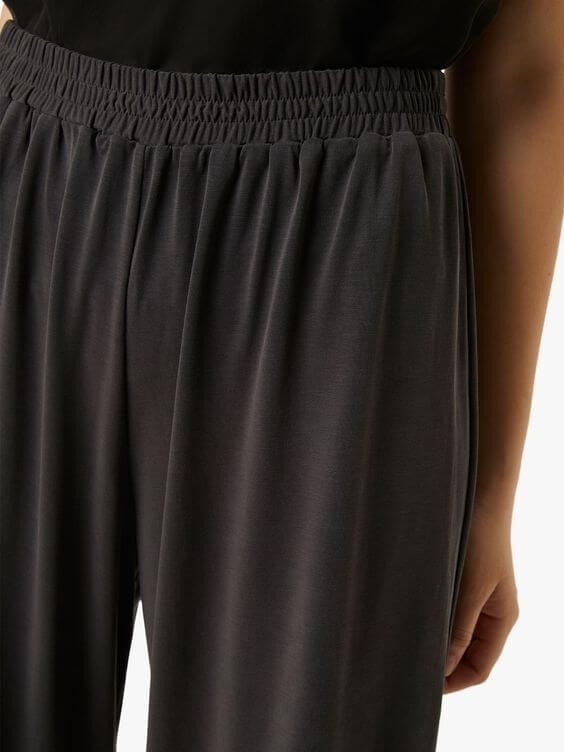
Sewport lists fine garments and accessories as uses and notes that blends can change a textile's attributes. A lining, a jersey garment, and a sheer dress fabric can therefore have quite different constructions despite using the same fiber category. For a practical comparison, request the full composition, intended use, and care instructions. Claims about recycled inputs or environmental performance need their own supporting information, including what feedstock was used and how processing was managed. A plant-derived starting material, a commercial name, or a silk-like surface cannot independently answer all of those questions about a finished cupro textile.
A spinning solution is not a garment ingredient list
The copper-and-ammonia stage is best understood as part of the route used to dissolve cellulose for fiber formation. The final textile should not be described as though a vessel of spinning solution had simply become clothing without further treatment. Regeneration and washing are consequential stages in the account, and the guide explicitly distinguishes fiber formation from subsequent fabric use. This does not remove questions about industrial chemical management. It puts them at the correct stage of the supply chain, where recovery, handling, and treatment can be evaluated. Neither an attractive fabric photograph nor a list of process chemicals independently establishes the safety or environmental performance of an individual finished garment.
Linings and outer garments ask different questions
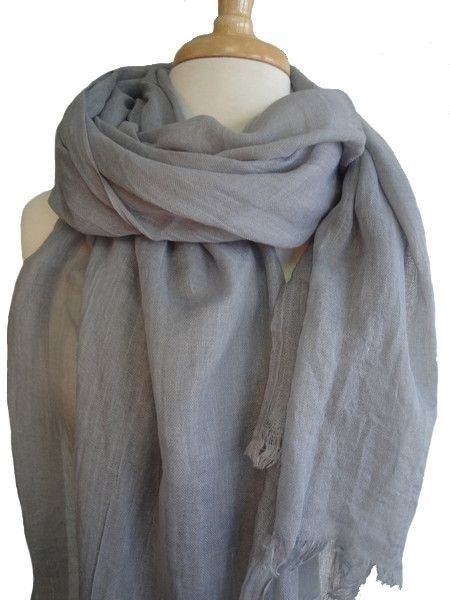
The applications listed by Sewport include both linings and garments worn as the visible outer layer. A lining is selected as part of a larger garment system, whereas a blouse or dress exposes its own fabric to everyday handling and cleaning. Those different roles help explain why the same fiber family can appear in textiles with different weights, structures, and finishes. When comparing cupro products, identify the intended role before interpreting a smooth surface as a universal performance benefit. A fine lining shown in a source illustration is an example of use, not a specification for every cupro jersey or dress fabric. Full composition and care information remain necessary for the particular item.
Separate resemblance from identity
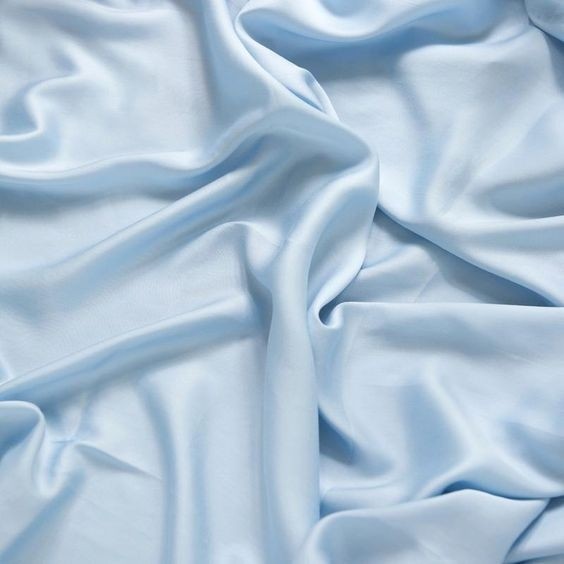
A silk-like appearance is a description of an effect, not proof of identical composition or behavior. Cupro is regenerated cellulose; silk is a different fiber with a different origin. A shopper can appreciate a similar drape or surface while keeping that distinction clear. The same care applies to recycling language. A claim about recovered feedstock needs information about what was recovered and how it entered production, rather than an inference from the material name. The source gives a useful introduction to cupro's processing route and clothing applications, but it does not supply verified traceability for every product sold under that category. Product-specific documentation should carry any stronger claim about inputs, processing, or finished performance.




Comments
0