 FabricKnowledge Lab
One fiber with several familiar names
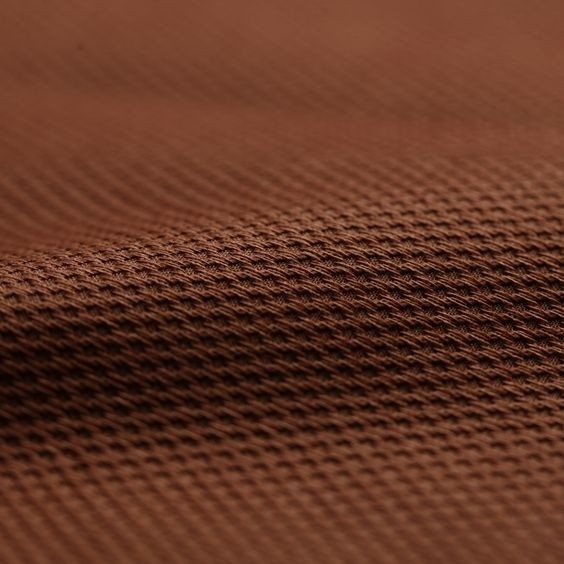
Elastane is a generic name for a highly elastic synthetic fiber also commonly called spandex. Lycra is a brand name within that material category. Sewport's elastane guide connects the fiber with polyurethane-based chemistry and lists applications including tights, socks, cycling clothing, leggings, and underwear. The material name describes an ingredient, rather than a single finished fabric. A cotton jersey containing elastane and a synthetic athletic knit can therefore use the same stretch component while having different surfaces, weights, and overall compositions. Reading the full label keeps those distinctions visible.
A solution becomes fine strands
The manufacturing route described in the guide is solution dry spinning. Production begins with chemical ingredients that form a polymer precursor, followed by further reaction and dilution to make a workable solution. That solution passes through the small openings of a spinneret. Heated gas helps remove solvent as fine strands form. The strands are then brought together, finished, and wound for textile production. This sequence explains why elastane starts with industrial chemistry but reaches the clothing factory as a yarn-like material that can be incorporated with other fibers, rather than as a solid rubber sheet.
Why garment makers use blends
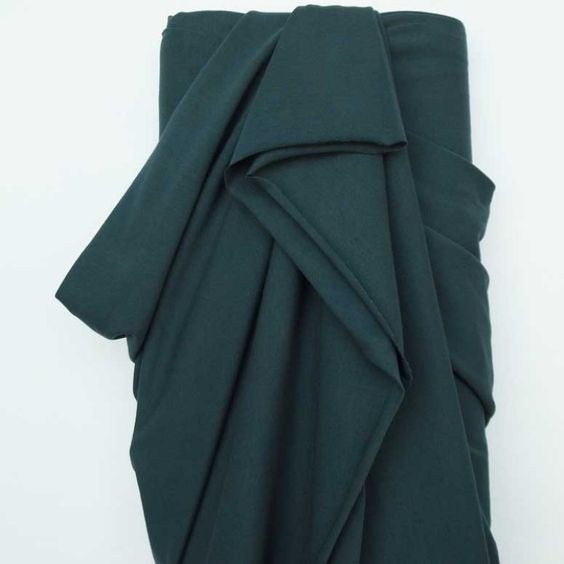
Sewport describes elastane mainly as a contributor to other textiles, where its extension helps garments fit and move around the body. Waistbands, sock cuffs, close-fitting underwear, and sports clothing illustrate different ways of using that capability. The final result depends on more than the presence of elastane alone: the accompanying fibers and textile construction also determine how the fabric behaves. A stretch-fiber label consequently does not provide a complete measure of a finished garment's comfort, breathability, or recovery. It identifies a useful component whose role must be understood within the whole fabric and garment design.
Elastane is usually one contributor within a larger textile
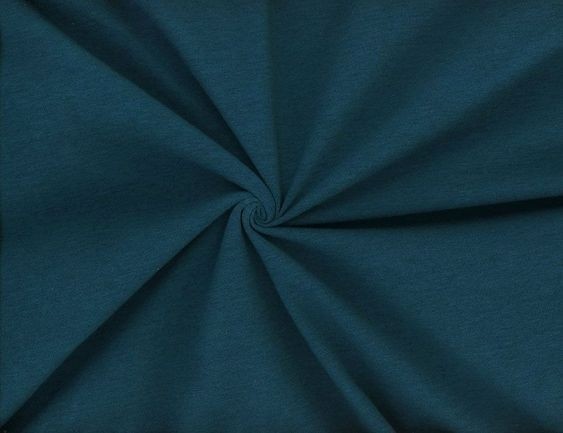
The elastane guide discusses small quantities of stretch fiber used with other materials in close-fitting clothing. This arrangement explains why a low-looking percentage can be important to the design: the component contributes a function while the other fibers supply much of the fabric's surface and body. The composition percentage does not directly state the percentage by which the whole textile stretches. Yarn arrangement, construction and the direction of movement also matter. Compare the actual fabric response rather than calculating garment extension from the label alone. A cotton-rich stretch knit and a stretch woven textile can both contain elastane without offering identical movement or recovery in the finished item.
The manufacturing route forms fiber before clothing
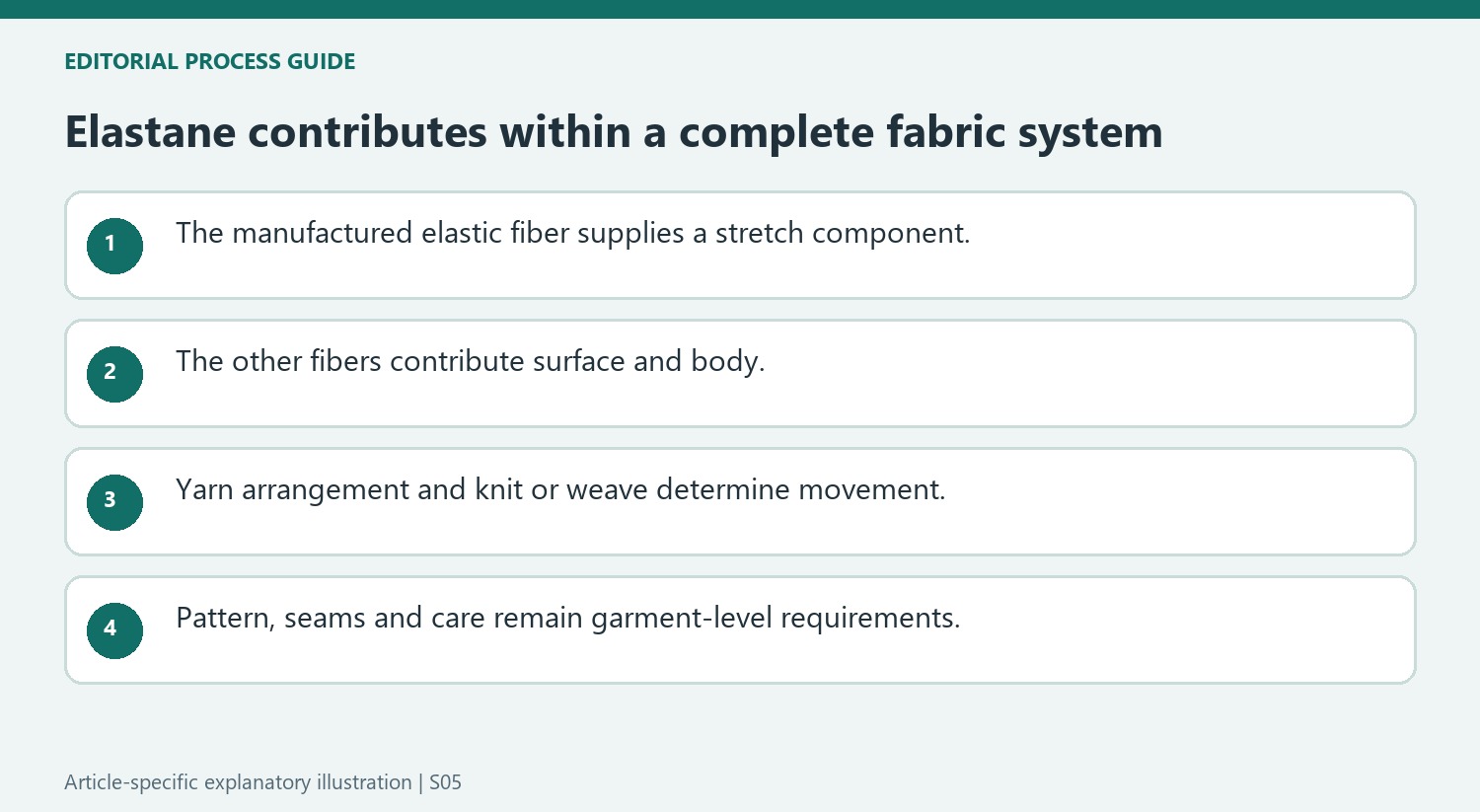
Sewport describes a polymer preparation route followed by solution processing, extrusion through a spinneret and the formation of usable strands. The details belong to industrial fiber manufacture. Knitting, weaving or incorporating that stretch component into another textile comes later. This distinction makes the name elastane more precise: it identifies a manufactured elastic fiber rather than a single complete cloth that looks the same in every product. It also separates the raw material from the many polyurethane-based products discussed in the guide's historical background. Related chemistry does not mean garment fiber, foam and a protective coating are interchangeable objects with identical uses.
Assess fit, movement and care at garment level
The source's examples include underwear, leggings, cycling clothing and other items that rely on controlled movement close to the body. The intended fit still comes from the whole pattern and textile, not from stretch fiber in isolation. A garment can stretch considerably while its seams, panels or trims limit a particular movement. Try the item in the way it will be used and inspect the specified construction as well as the composition. For cleaning, follow its own instructions and do not transfer a general heat-resistance statement into unrestricted pressing or drying. The presence of elastane does not remove the requirements of the other fibers or assembled components. A useful description explains its contribution while keeping fit and maintenance tied to the completed product.




Comments
0