 FabricKnowledge Lab
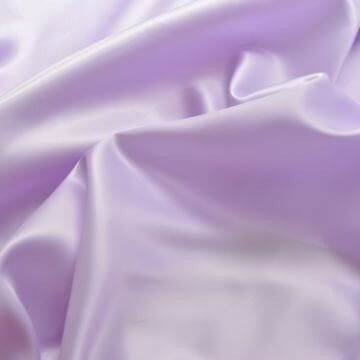
A plant origin and an industrial route
Viscose is a regenerated cellulose fiber commonly associated with the rayon family. Sewport's guide describes wood pulp as its principal starting material and connects the name with a thick liquid stage in manufacture. This origin differs from a cotton fiber that is harvested from the plant already in fibrous form. The cellulose must be prepared, processed into a spinning solution, and formed again as fine strands. Describing that route is more informative than simply placing viscose on one side of a natural-versus-synthetic divide, because both the raw material and the conversion process matter.
From pulp to regenerated strands
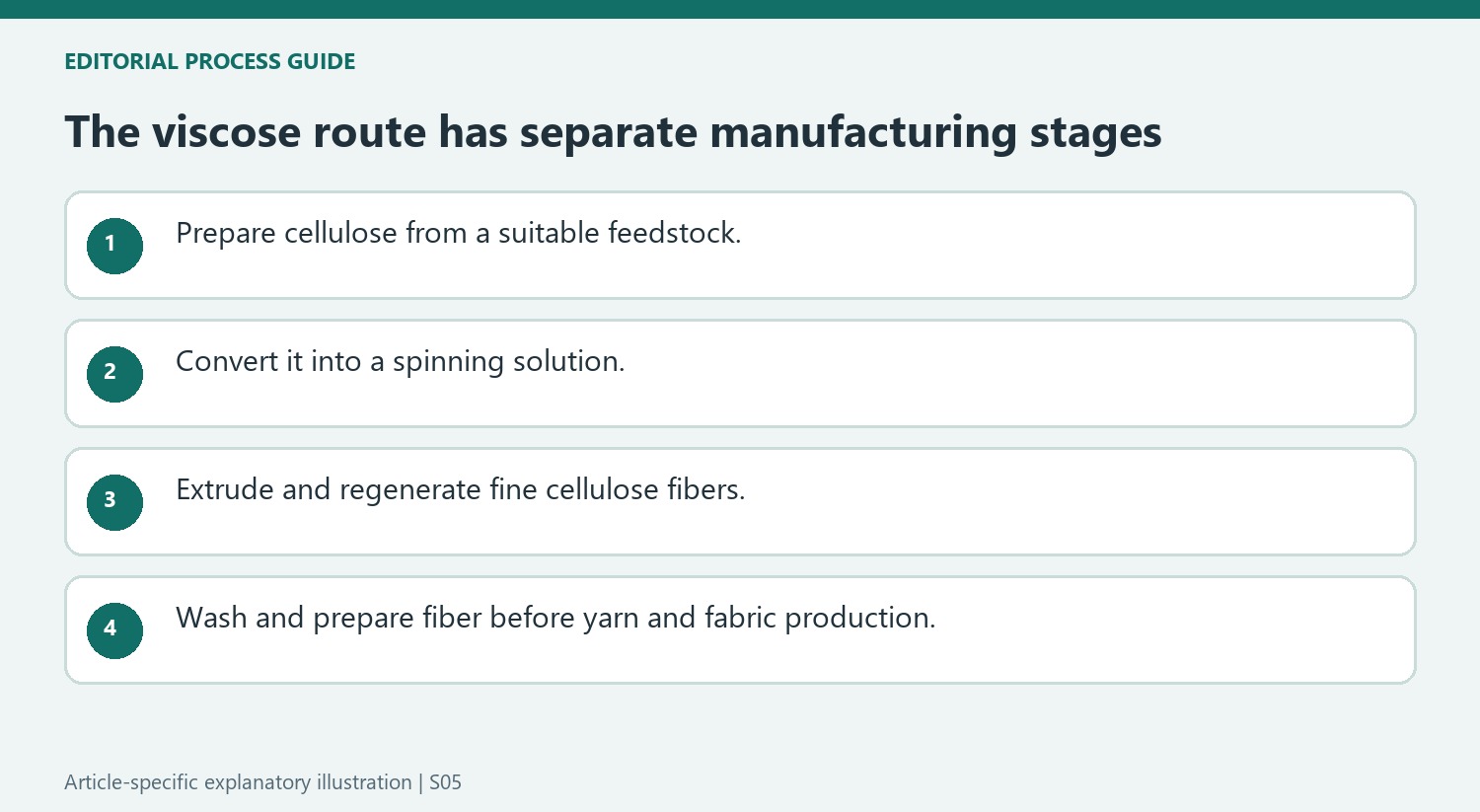
The guide outlines treatment of purified cellulose with caustic soda, followed by pressing and shredding. Further processing with carbon disulphide produces a cellulose derivative that can be dissolved into the viscous spinning solution. Before extrusion, the liquid is filtered and gas bubbles are removed. It then passes through the tiny openings of a spinneret into an acid bath, where cellulose fibers are regenerated. Drawing and washing prepare those fibers for later textile stages. The sequence explains how wood-derived material can become a uniform textile ingredient with a very different form from the original pulp.
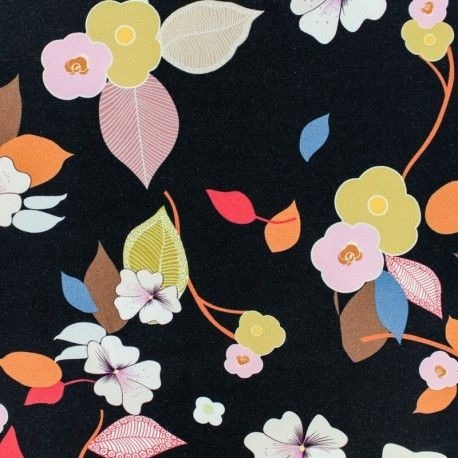
Applications need a finished-fabric perspective
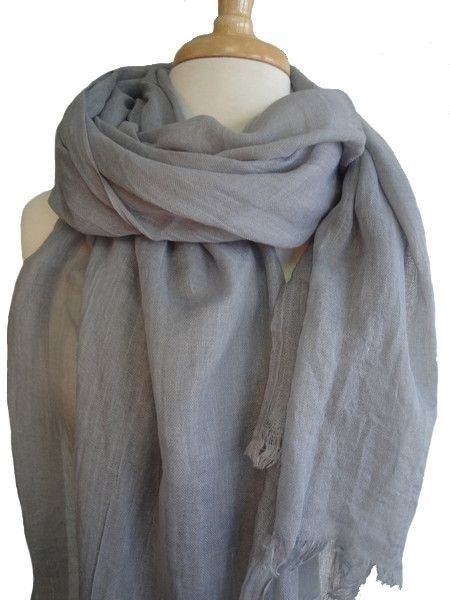
Sewport lists dresses, shirts, trousers, scarves, and household textiles among the uses of viscose. It also discusses industrial rayon applications, which involve specifications distinct from ordinary clothing. A shared fiber family should not be read as evidence that an everyday blouse has the properties of an industrial reinforcement material. In the wardrobe, yarn, construction, blend partners, and finishing affect the finished fabric alongside its fiber identity. The guide also raises chemical-management concerns in production. Evaluating those concerns requires details about the actual process and facility, rather than assuming that plant-derived feedstock alone settles the environmental question.
Regeneration changes cellulose into a new fiber form
The viscose account starts with plant cellulose and follows chemical preparation before the material is formed into textile filaments. This is why regenerated cellulose is a more informative description than forcing the product into a simple natural-or-synthetic contrast. The input has a plant origin, but the finished fiber is deliberately manufactured. It is not an intact strip of wood woven into clothing. The guide describes intermediate preparation, filtering and extrusion through a spinneret, followed by a bath that establishes the fiber. Those stages explain the route from pulp to usable material while leaving yarn and fabric manufacture as additional choices afterward.
Removing bubbles and impurities supports controlled fiber formation
Filtering and preparing the viscose solution come before it passes through the spinneret. The source specifically mentions removing gas bubbles as part of that preparation. These operations help explain why the process involves more than dissolving a plant material and letting it dry. The feed must be suitable for controlled filament formation. After that stage, further preparation and washing are still needed before the textile route is complete. Understanding the sequence gives a clearer basis for comparing viscose with other cellulosic materials: shared raw-material ancestry does not require an identical manufacturing method. A named process provides another layer of information beside the final fiber composition on a garment label.
Applications do not make all viscose constructions identical
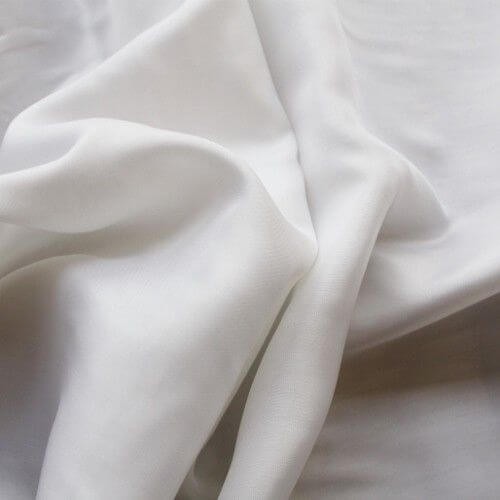
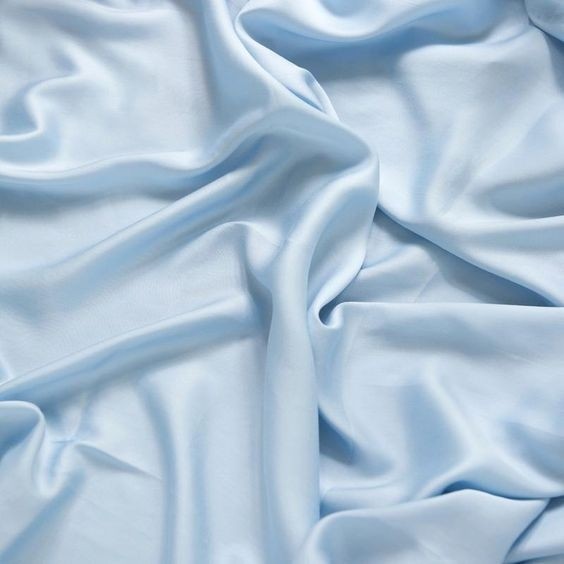
Sewport lists clothing, household textiles and specialized industrial uses. These examples demonstrate range, but an industrial fiber application should not be treated as a strength rating for every blouse or lining. The textile's yarn, construction and finishing determine how the material serves its particular role. Likewise, a smooth appearance associated with a silk alternative does not mean the cloth has silk's origin or all of its properties. Inspect the complete specification and actual sample, especially for drape and surface. Use the finished care label for washing and pressing, because a regenerated-cellulose name does not specify every treatment, dye or assembled component. This connects the useful fiber story with the practical requirements of the real product.



Comments
0