 FabricKnowledge Lab
A named fiber within the rayon family
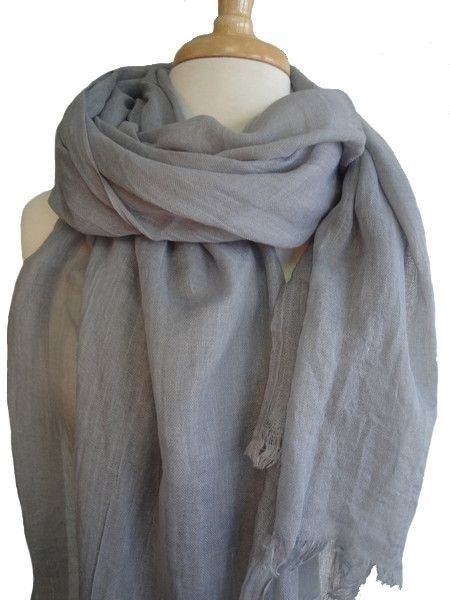
Modal is a regenerated cellulose fiber also described as high-wet-modulus rayon. Sewport's guide identifies wood-derived cellulose as the starting material and lists underwear, T-shirts, sports clothing, and bedding among common applications. The fiber is associated with soft fabrics, but modal is not a single knit or weave. It can be made into different textiles or combined with other fibers. A modal-containing bedsheet and a fitted garment may therefore share a material ingredient without being constructed alike or serving the same purpose. The composition label is a starting point for comparison, rather than a complete fabric description.
How cellulose becomes a spinning solution
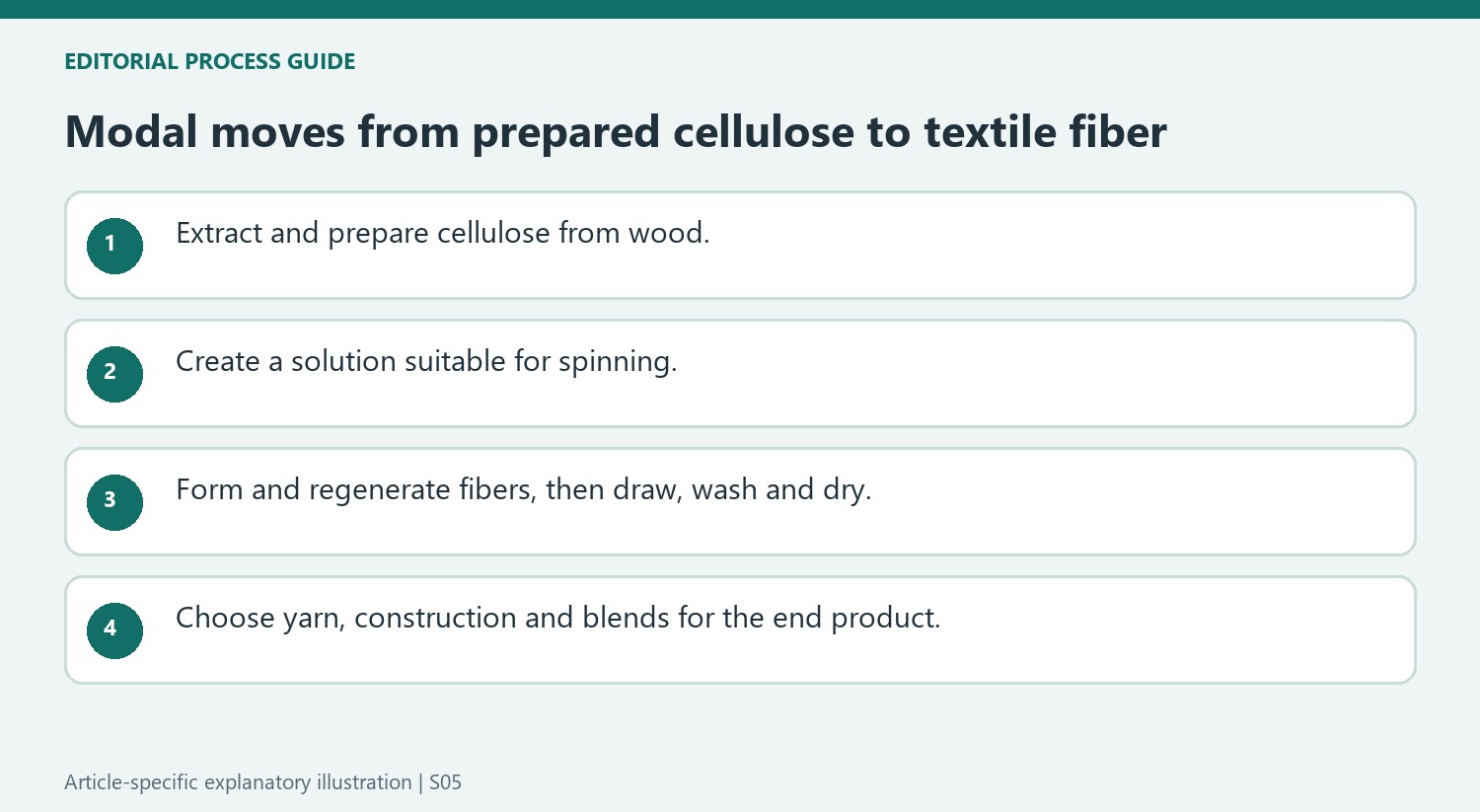
The manufacturing account begins with extracting and purifying cellulose from wood, then forming sheets for chemical processing. Alkali treatment and further reaction prepare material that can be dissolved into a spinning solution. Passing that solution through a spinneret creates fine streams, which are regenerated into cellulose fibers in a bath. Drawing, washing, and drying follow before the fiber proceeds to yarn and fabric production. These steps distinguish modal from a naturally occurring fiber collected ready for spinning. A wood origin and an industrial conversion process are both part of the material's identity.
Softness does not settle every specification
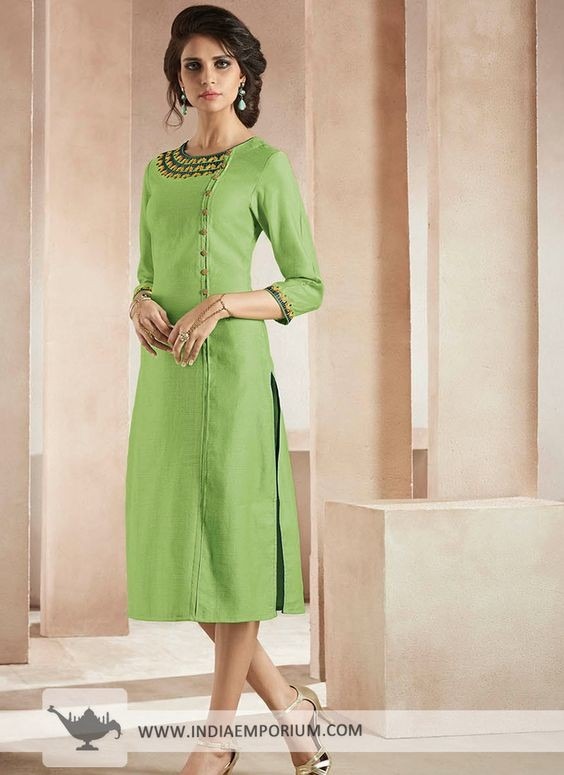
Sewport discusses modal's appeal for products worn or used close to the skin, including underwear and sheets. Such applications explain the commercial emphasis on touch and comfort. They do not remove the influence of yarn, construction, finishing, or blend partners. The source also cautions against assuming environmental sustainability from the material name alone. Production practices and chemical management remain relevant, alongside the source of the cellulose. When choosing a particular modal product, examine its full composition and care information, and seek product-specific evidence for performance or environmental claims instead of treating the fiber category as an unrestricted promise.
Why regeneration matters to the material description
The route described in the guide begins with a cellulose feedstock rather than a ready-made textile filament. Preparing a spinning solution allows manufacturers to form new fibers and control stages such as drawing before the material reaches a yarn producer. Calling modal wood-derived identifies the origin of the cellulose, while calling it regenerated describes the transformation into fiber. Both statements can be true at once. Neither specifies whether the eventual fabric will be knitted or woven. That distinction becomes particularly useful when comparing a soft T-shirt with a bedsheet: their common fiber ingredient does not imply a common arrangement of yarns, common thickness, or an identical intended pattern of use.
Read softness alongside the rest of the label
Sewport's examples place modal in products where touch matters, but a description such as soft does not replace a composition statement. Consider a garment containing modal and another fiber: the second ingredient is part of the fabric rather than an incidental detail. Construction and finishing are also part of the textile that the wearer actually experiences. For a meaningful comparison, keep the complete blend and garment category beside the marketing description. A fitted underwear fabric and a loose blouse fabric may reasonably pursue different results. The guide supports interest in modal for comfortable everyday applications; it does not provide a test result that ranks every modal blend above every competing cloth.
Keep feedstock and factory questions separate
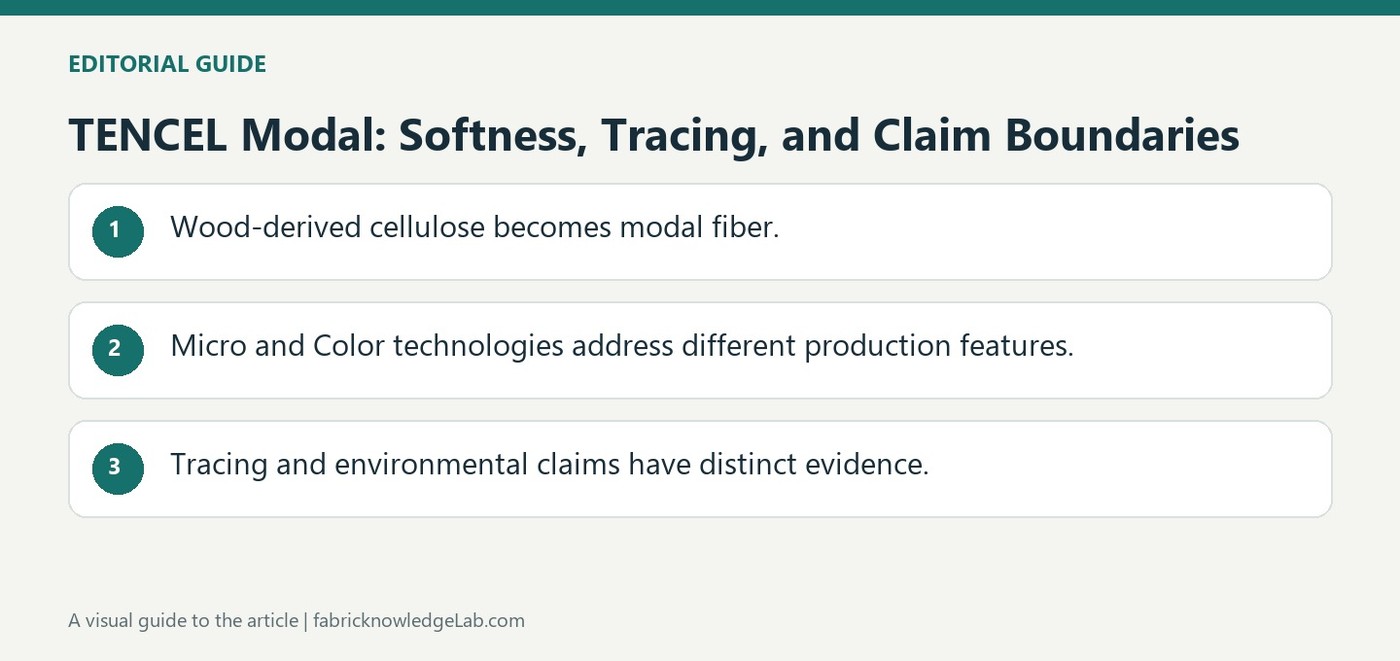
A plant-based starting material provides only one part of a production account. The source also describes chemical processing, regeneration, washing, and drying, so a complete discussion must include how those operations are managed. A claim about responsibly sourced wood answers a different question from a claim about manufacturing emissions or chemical recovery. Similarly, a general fiber family is broader than a named producer's particular product offering. Environmental descriptions should identify which material, facility, and claim they concern. For a consumer, requesting that supporting information is more useful than assuming that a modal composition label settles the matter. Care instructions and the suitability of the finished article remain relevant after the manufacturing description has been understood.




Comments
0