 FabricKnowledge Lab
A pilot milestone in context
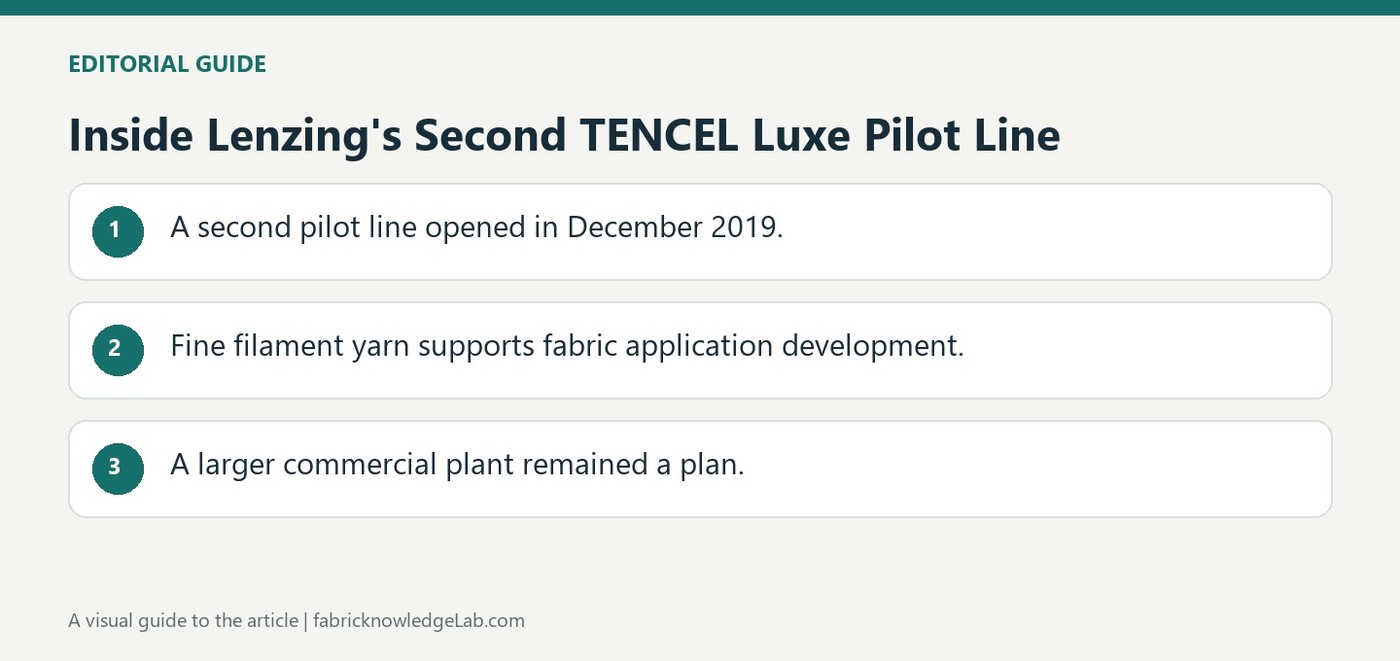
Lenzing's report on its second TENCEL Luxe pilot plant describes a production-development milestone rather than a finished expansion into unrestricted commercial scale. The company says the project was announced in May 2018 and entered operation in the middle of December 2019. Construction took 20 months and involved an investment of EUR 30 million. According to the announcement, the facility finished on schedule and within budget. Keeping those dates attached to the story avoids presenting this historical investment as a newly opened plant or assuming that later expansion plans were already completed.
Fine filament for luxury applications
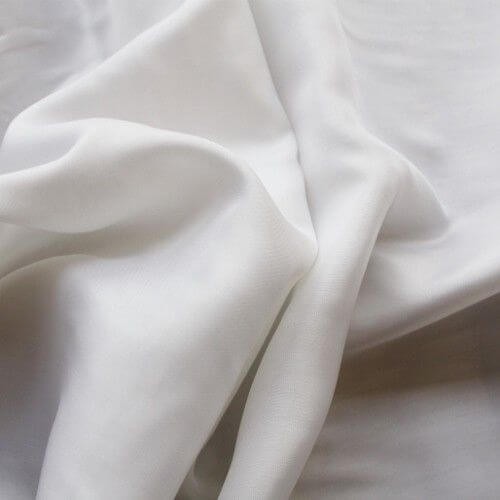
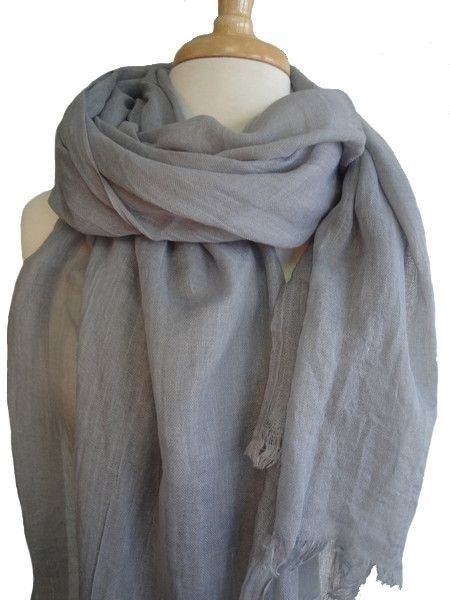
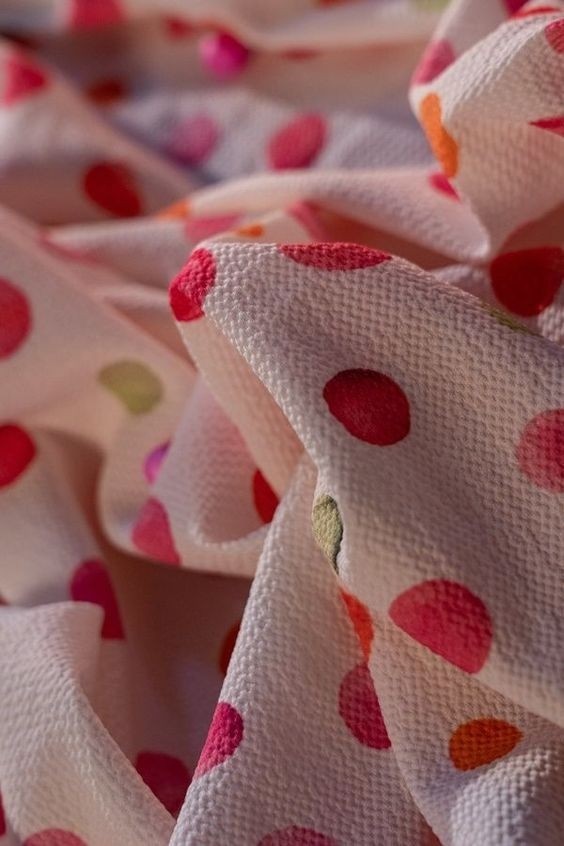
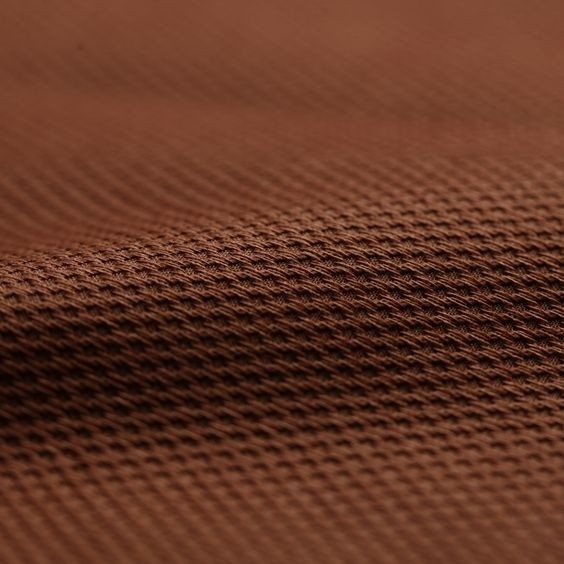
The product is a fine wood-based filament yarn intended for premium fabrics. Lenzing compares its airy feel and matte appearance with silk and identifies opportunities to combine it with silk, cashmere, and wool. The listed end uses include blouses, shirts, dresses, scarves, ties, and suit linings. These examples show why a filament development program needs application work as well as a working production line: the yarn must be turned into fabrics suited to different garment purposes. The manufacturer's comparison describes its positioning, rather than making every resulting fabric identical to silk.
Learning before a larger plant
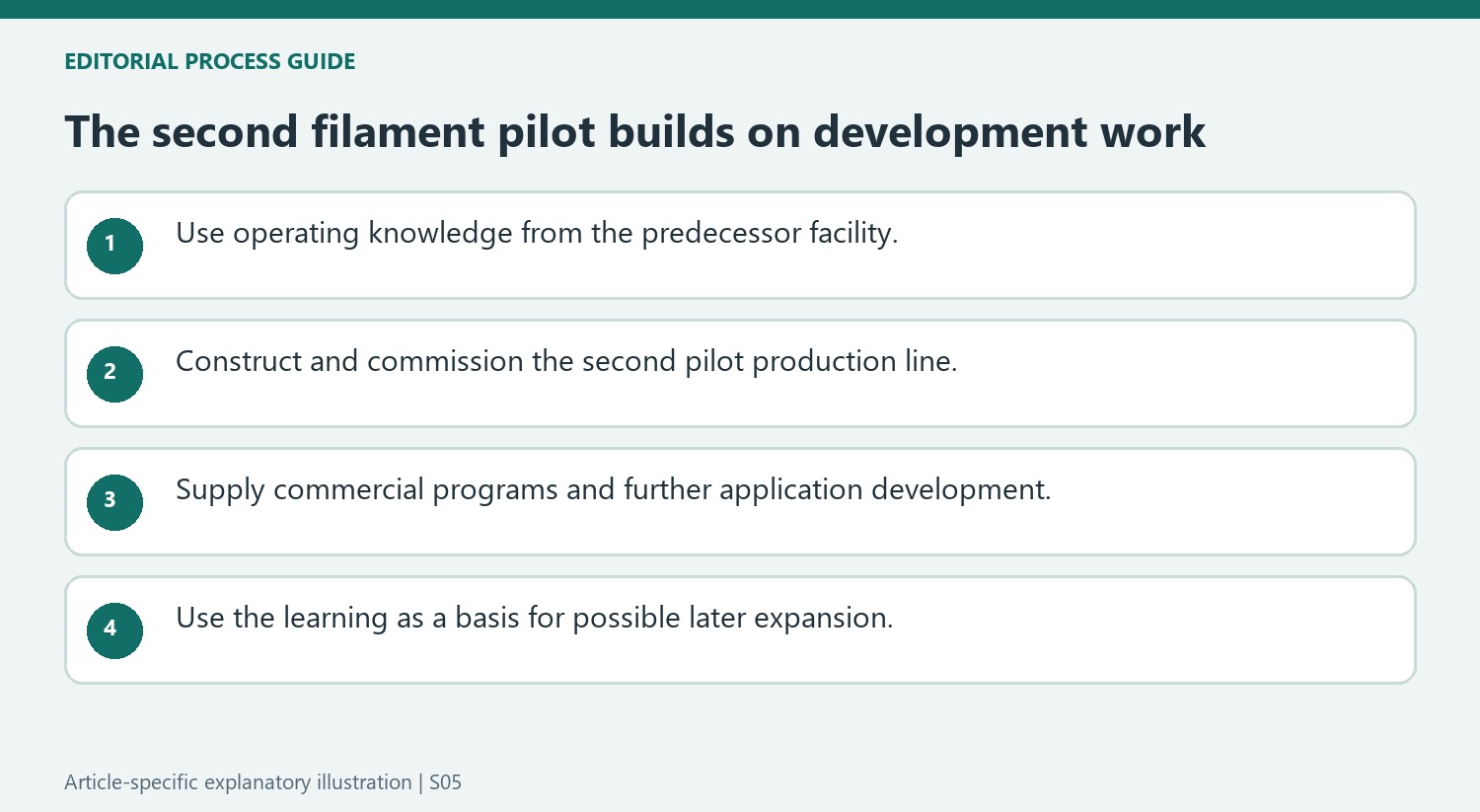
The second line was intended to provide capacity for commercial programs and further development with customers. Lenzing says it would draw on operating knowledge from the predecessor facility while introducing new automation approaches. The report also presents the resulting expertise as a basis for a planned large commercial plant at the same site. A plan and an operating pilot are different stages of investment. The concrete achievement documented here is the second pilot's completion and its role in testing production and applications, not confirmation that every subsequent commercial ambition had already been realized.
A pilot line develops a route as well as producing material
Lenzing's report places the second TENCEL Luxe pilot line at its own site and describes it as support for commercial programs and further application development. That combination explains the purpose of a pilot: it provides material while also generating operational knowledge for a wider production route. The report says experience from the predecessor facility informed the next stage and mentions new automation models. These are development details, not evidence that every proposed later factory had already been built. Distinguish a commissioned pilot, its application work and a future commercial expansion plan when reading the announcement. Each marks a different point in the technology's progression.
The dates and investment belong to the reported project
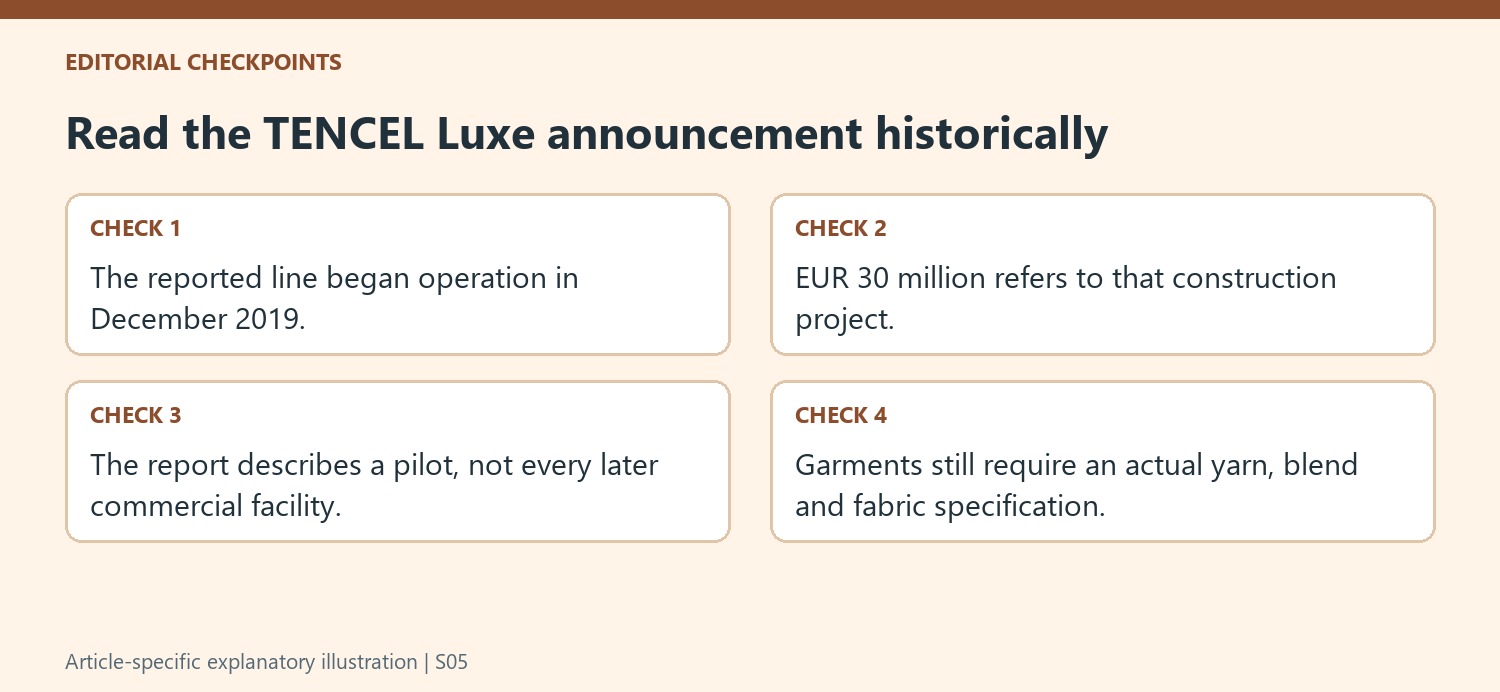
The announcement records an approximately twenty-month construction period, an investment of EUR 30 million and operation beginning in December 2019. These details locate the project historically. They should not be presented as a new opening or current investment commitment merely because the source page remains accessible. The report's statement that work finished on schedule and within budget describes that construction phase. It does not measure the present capacity or commercial status of every TENCEL Luxe facility. Keeping the time frame visible makes the facts useful: a reader can understand what the company reported completing and what it hoped to enable next without confusing an earlier development milestone with a current production update.
Filament yarn supports several luxury textile forms
The source associates the fine filament yarn with blouses, dresses, scarves, ties and suit linings, and also discusses blending with silk, cashmere or wool. Those examples show a role for the yarn across several fabrics rather than one fixed finished cloth. Its comparison with silk concerns aspects of feel and appearance, not a claim that the materials have identical origin or composition. A designer still chooses the construction, blend and finishing needed for the intended product. For a practical comparison, identify the actual textile made from the yarn instead of assuming that a pilot-line announcement supplies every garment specification. The useful link is between a developed filament supply and new application possibilities, with the finished item assessed on its own documented properties.






Comments
0