 FabricKnowledge Lab
The raw material is a protein filament
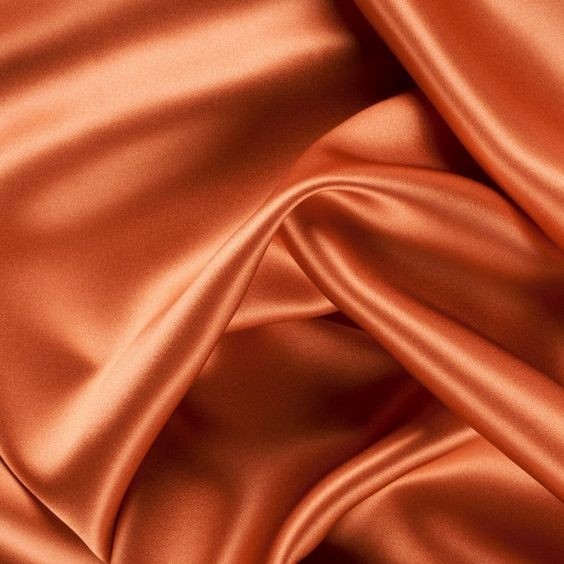
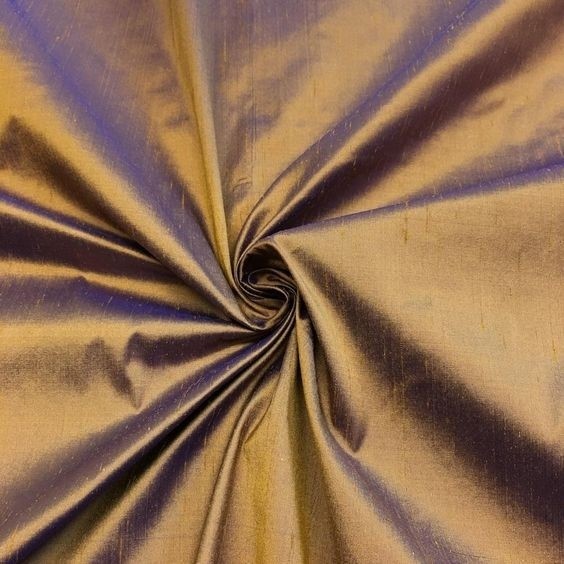
Silk is an animal-derived protein fiber, with fibroin providing its principal structural material. Sewport describes much commercial silk as coming from the cocoons of Bombyx mori silkworms associated with mulberry cultivation. The filament's shape contributes to the way it reflects light, helping explain silk's characteristic shimmer. That optical quality begins with the fiber, but it does not make every silk fabric look identical. The yarn arrangement and later textile construction influence how much luster a viewer sees on the face of a particular cloth.
Reeling converts a cocoon into usable yarn
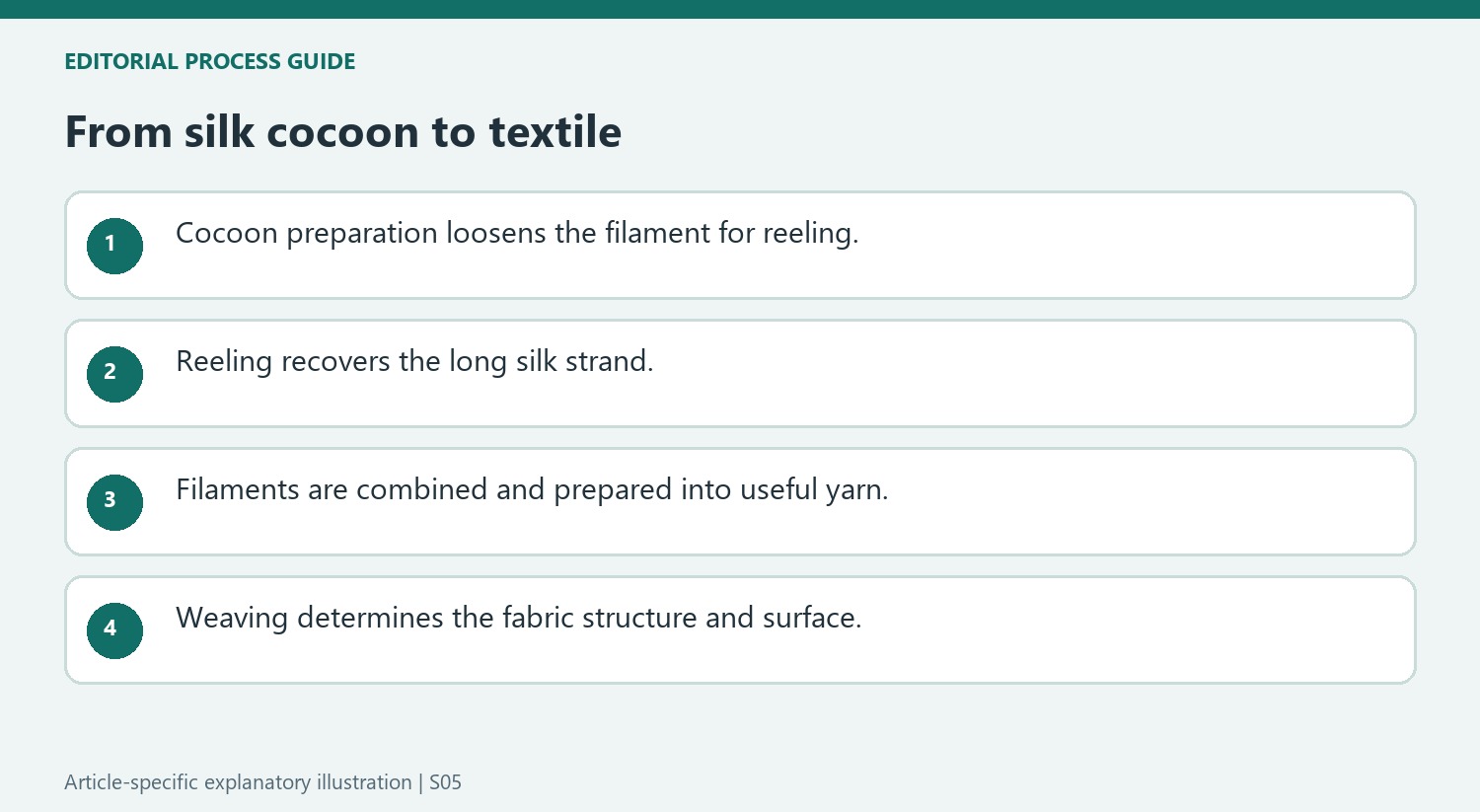
The source describes softening cocoons to loosen the sericin that holds their filaments together, finding a loose end, and reeling the filament. Filaments are combined and twisted to create a usable yarn rather than simply sewing an untouched cocoon into a garment. Further preparation can improve uniformity, and dyeing or other finishing may occur before fabric production. This sequence separates the origin of the silk from the structure made with it. A silk satin and a plain-woven silk begin with related material but organize that material differently.

Read the fabric name beside the fiber name
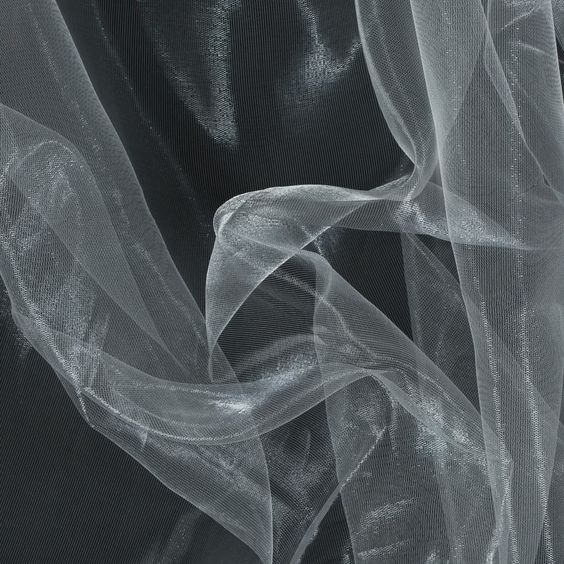
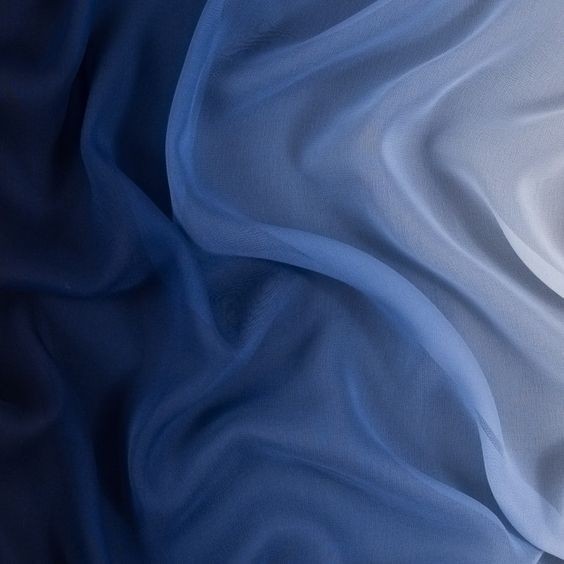
Sewport lists uses in scarves, shirts, blouses, eveningwear, lingerie, and decorative household textiles. These varied applications show why the word silk is not enough to predict opacity, weight, or drape. Charmeuse, organza, chiffon, and other named constructions can have very different surfaces despite using silk yarn. The guide also discusses silk varieties beyond the common mulberry category, adding another layer to product descriptions. For a purchase or sewing project, compare the complete composition and fabric structure, then consult the finished item's care label rather than assuming that silk's natural shine supplies all the information needed.
Reeling and spinning describe different fiber situations
The silk account emphasizes the long filament formed in a cocoon and the work of finding and reeling its end. That route differs from describing a collection of short cotton fibers prepared for spinning. Silk filaments are combined and twisted to make useful yarn, so even a naturally long strand still needs manufacturing preparation. The source's explanation of sericin gives another part of the process: this gum helps hold the cocoon structure together and has to be managed during preparation. Following these steps makes the relationship between cocoon, filament and textile clearer. None of the three is interchangeable, and the finished cloth depends on how the usable material is organized after collection.
Luster is not the same as fabric construction
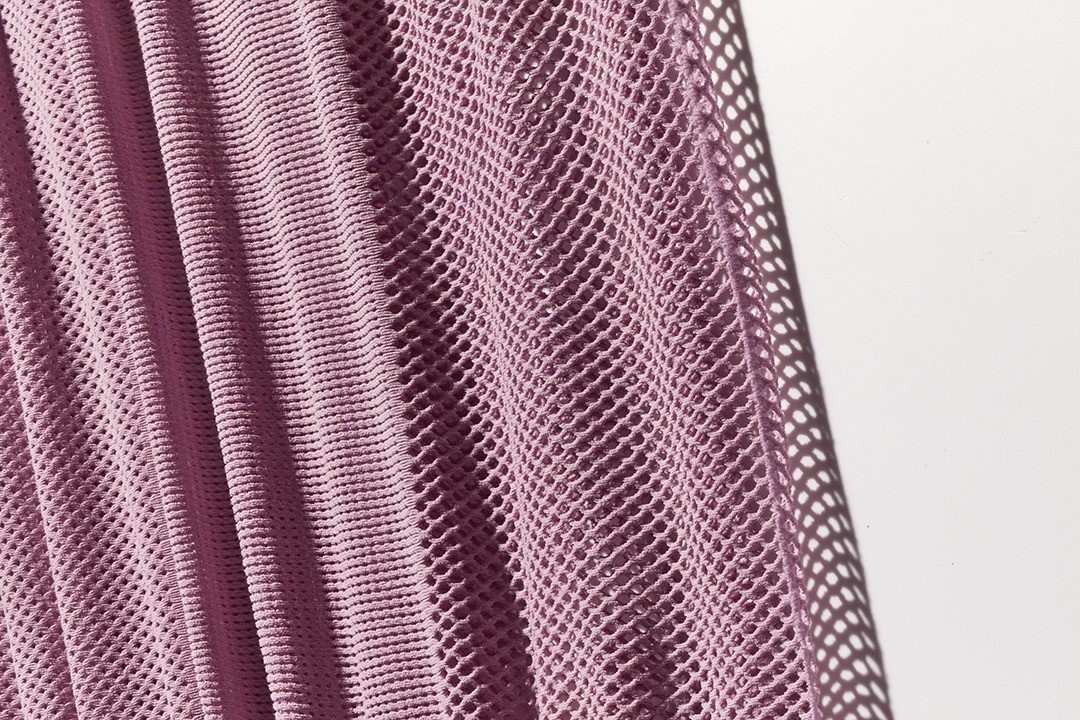
The fiber's optical character helps explain silk's familiar shine, but a fabric name supplies another layer of information. A smooth satin surface presents yarn differently from an open or crisp construction, and a sheer silk cloth does not behave like a substantial suiting merely because both contain silk. The guide's examples include clothing and decorative textiles, showing the breadth of possible applications. When selecting fabric, compare the actual surface and fall in the lighting where it will be used. A photograph may emphasize shine without showing transparency or weight. Looking at these features separately is more useful than treating luster as a complete description of the textile.
Keep the production method and the purchase claim specific
Sewport discusses domesticated silk and other varieties, together with questions around cocoon harvesting. Those details concern the origin and preparation of the fiber, while a finished garment's name may describe its weave or intended use. If a purchasing decision depends on a particular collection method, seek an explicit statement about that method rather than inferring it from the silk label. Likewise, a silk percentage does not reveal whether every component of a garment tolerates the same cleaning process. Dyes, finishes, linings and assembled details belong to the finished item. Use its own care information and compare the whole textile specification instead of assuming that the fiber's long history or distinctive appearance answers every practical question about a modern product.



Comments
0