 FabricKnowledge Lab
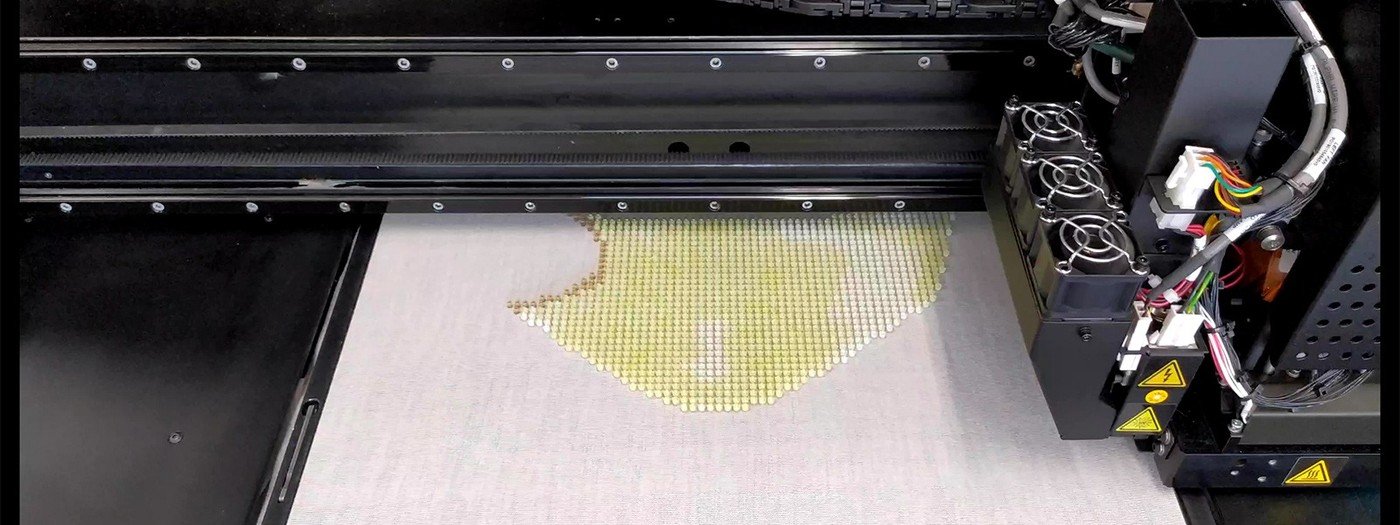
The textile remains the supporting base
Three-dimensional printing on Merino wool adds a new surface design to an existing fabric rather than replacing every textile function with a rigid printed object. Woolmark describes combining the drape and comfort of wool or wool-blend cloth with printed shapes and textures. The distinction matters when considering a garment: the base and the applied feature contribute different parts of the result. A designer can use a flexible textile foundation while choosing precise, raised details for selected areas instead of treating the whole garment as one uniform printed material.
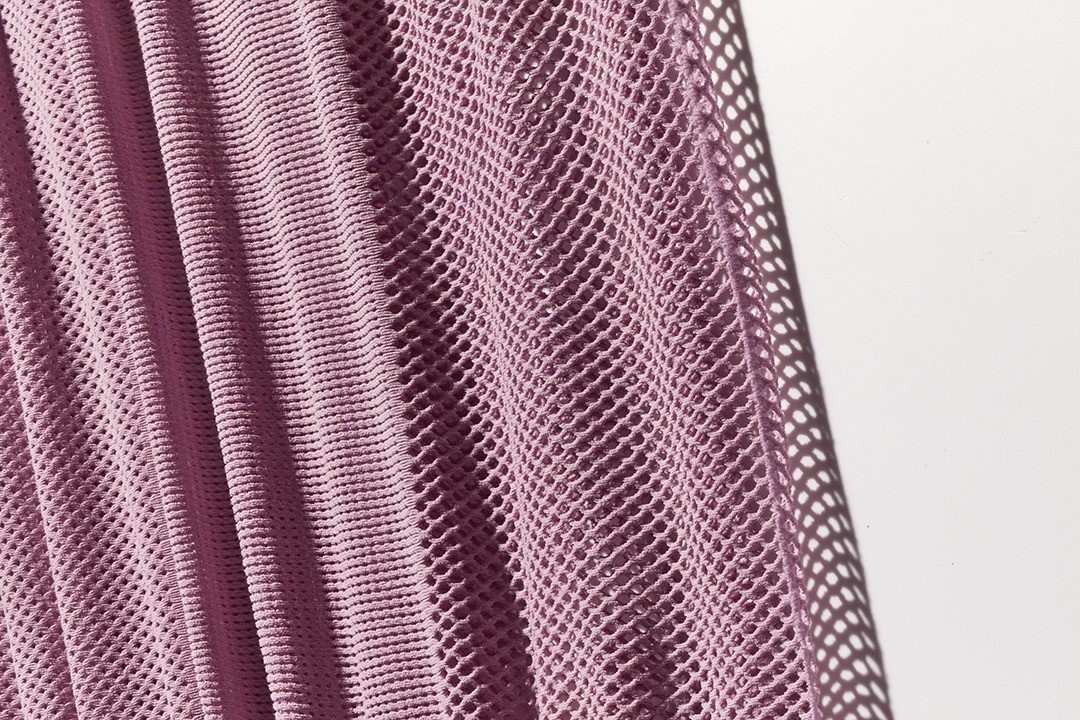
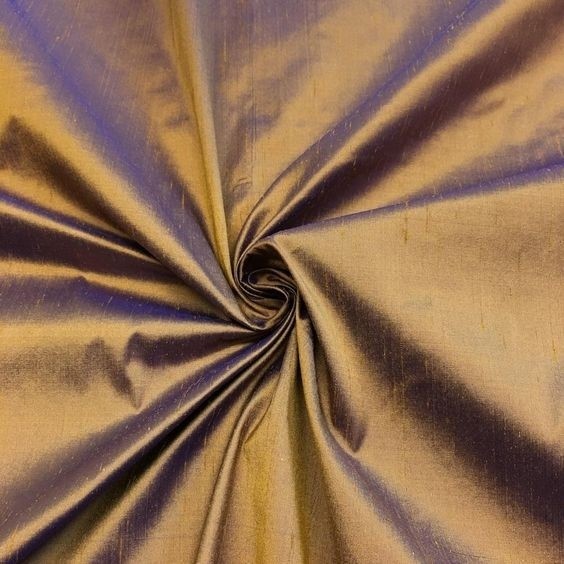
Relief, color, and movement become design variables
The source discusses intricate decorative features, complex shapes, multicolor effects, gradients, and transparency. A printed surface can also change its visual effect as a garment moves, including shifting shimmer. These are specific design possibilities, not a claim that every print will preserve exactly the same handle as an untreated fabric. Woolmark associates the process with customization and reduced off-cut waste in garment construction. Those potential benefits concern the described design route and should not be read as a complete environmental assessment of every printer, material, or finished garment.
A collaborative project tested the possibilities
Woolmark identifies D-house, the urban laboratory by Dyloan, and printer manufacturer Stratasys as collaborators in a project called Knitting the Future. It involved three international designers and four Royal College of Art students, with the printed knitwear produced at Bond Factory. Vittorio Branchizio, Matteo Cibic, and Laura Theiss were among the participating designers. The project shows the technique being explored through actual textile design work. It is more informative than assuming that any home printer can apply an equivalent finish to an ordinary wool sweater without material development or production testing.
The wool textile remains the base material
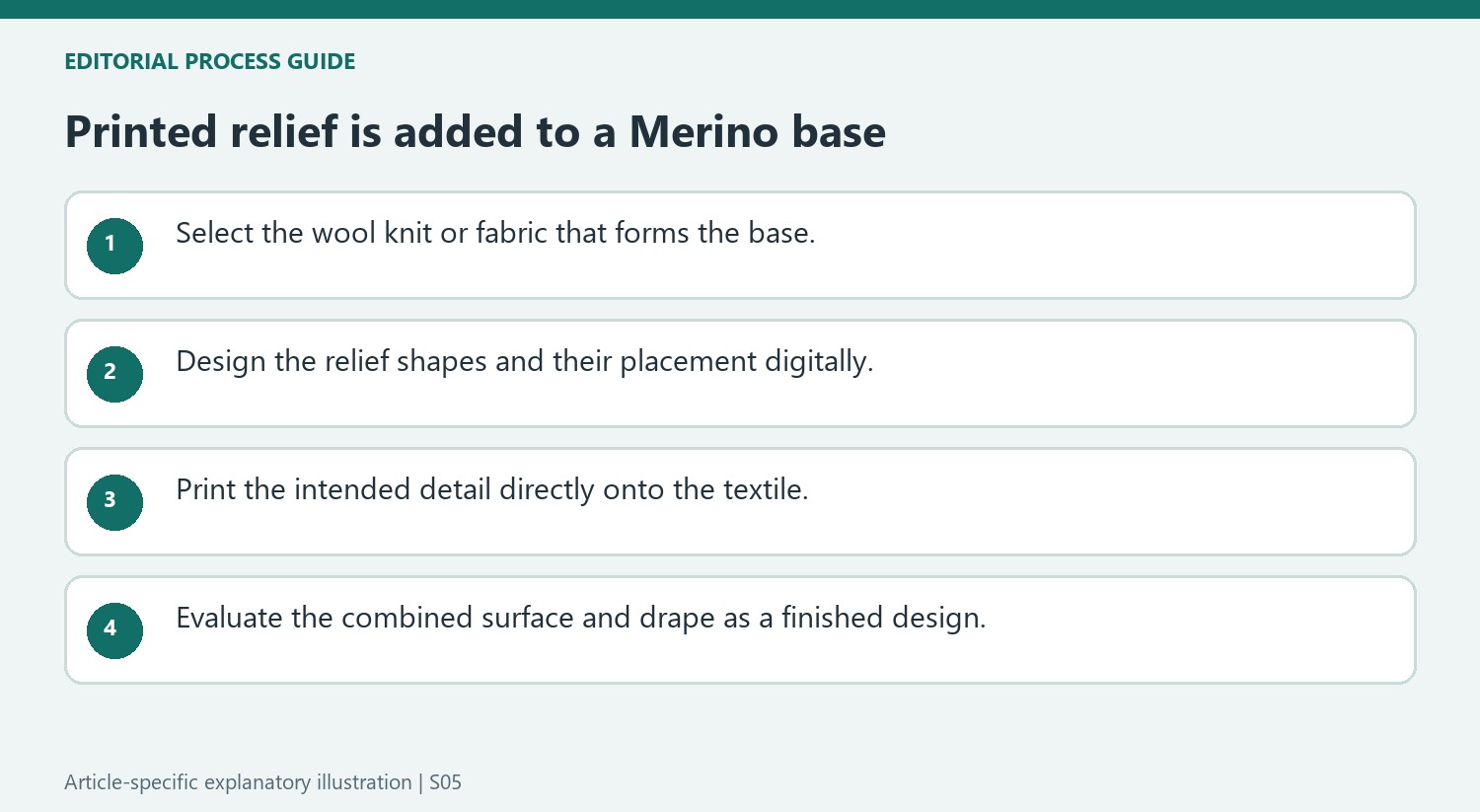
Woolmark describes printing directly onto a fabric, not replacing the whole garment with a rigid printed object. The base textile therefore remains an important part of the design. Its surface and drape interact with the additional printed relief, so the result has to be considered as a combination. The source emphasizes intricate shapes, fine detail, gradients and transparency as opportunities for designers. Those are design possibilities rather than a requirement that every printed wool item contain all of them. A useful product description identifies what was printed and where it sits on the textile. That is more informative than applying the broad phrase 3D printed to a garment without explaining which part actually uses the technology.
A collaborative project makes the method concrete
The guide names D-house, an urban laboratory by Dyloan, and describes its work with The Woolmark Company and Stratasys. Their project brought printed designs onto Merino wool knitwear, with production at Bond Factory. The named designers included Vittorio Branchizio, Matteo Cibic and Laura Theiss, alongside four Royal College of Art students. This example shows the technology operating within a wider textile process involving designers, yarn suppliers, knitters and production specialists. It is not evidence that a printer alone settles the fabric choice or creates every garment component. The collaboration is useful precisely because it connects a digital decorative method with the material knowledge and manufacturing needed for a wearable textile.
Evaluate the claimed benefits at the correct stage
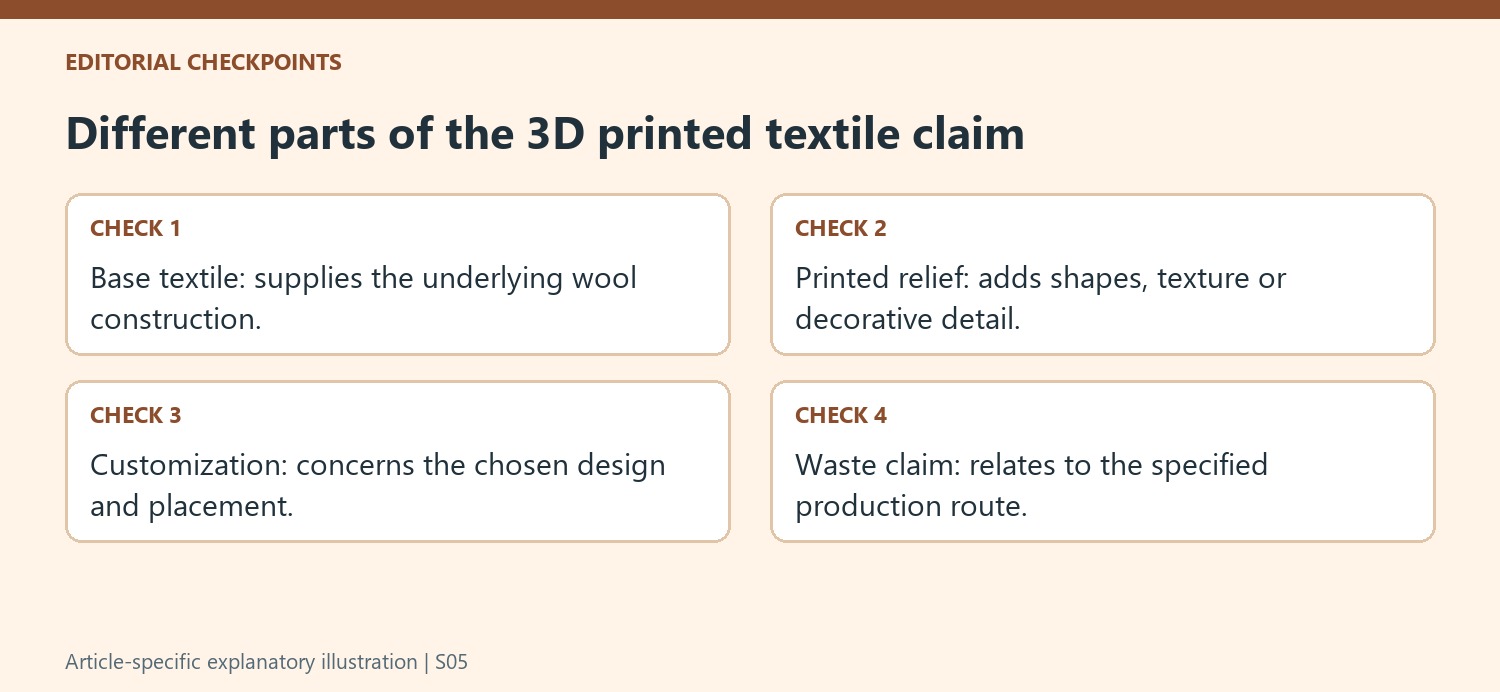
The source associates direct printing with opportunities to reduce off-cut waste and integrate customization into production. These claims concern how a particular design is made; they should not be converted into a statement that every finished garment has no waste or no environmental cost. Ask which process is being changed and what material is being added to the wool. Likewise, microscopic detail does not by itself establish the comfort or care of the whole product. Examine the printed areas together with the base fabric and consult the product's own instructions. The most useful comparison identifies the intended visual effect, the placement of the printed relief and the role of the underlying knit, rather than treating technical precision as a complete description of wearability.
References
- 3D printing on Merino wool. The Woolmark Company.






Comments
0