 FabricKnowledge Lab
A fine animal fiber with specific uses
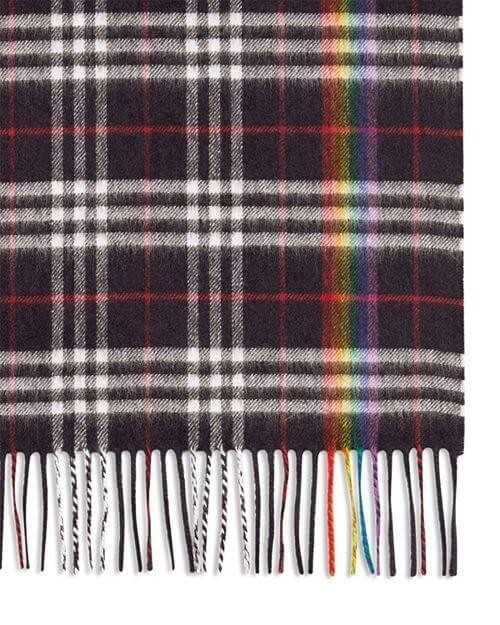
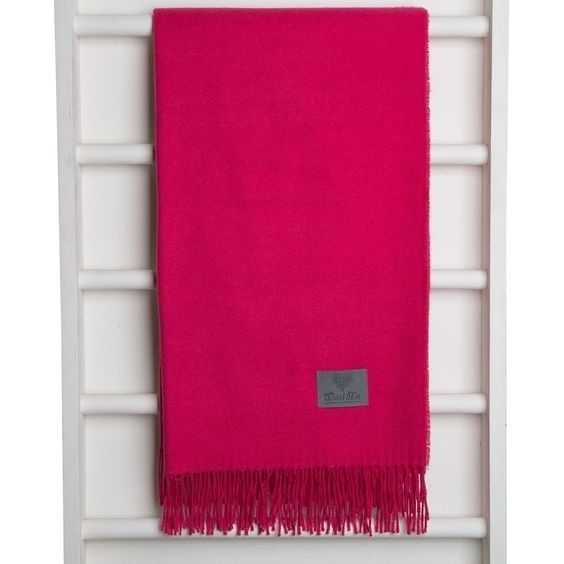
Cashmere is derived from the hair of cashmere-producing goats rather than from cotton plants or a synthetic spinning solution. Sewport associates it with fine, soft fibers used in garments such as sweaters, scarves, hats, and other light cold-weather clothing. Its appeal is not simply that it belongs to the broad animal-fiber group. Fiber fineness and the resulting handle distinguish it from many coarser materials. The cashmere name still does not identify a single weave or guarantee that every garment has the same weight and construction.
Preparation precedes the luxury surface
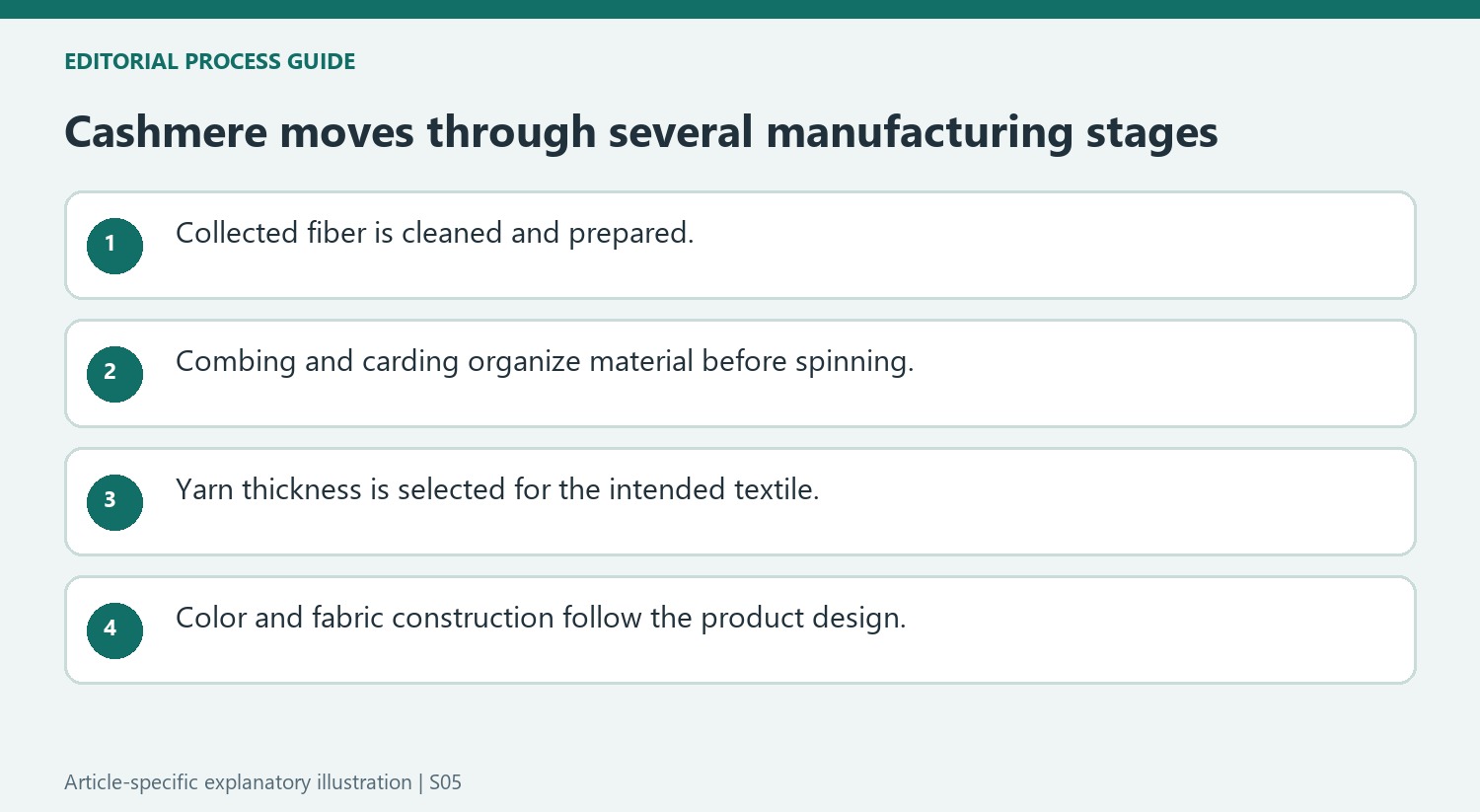
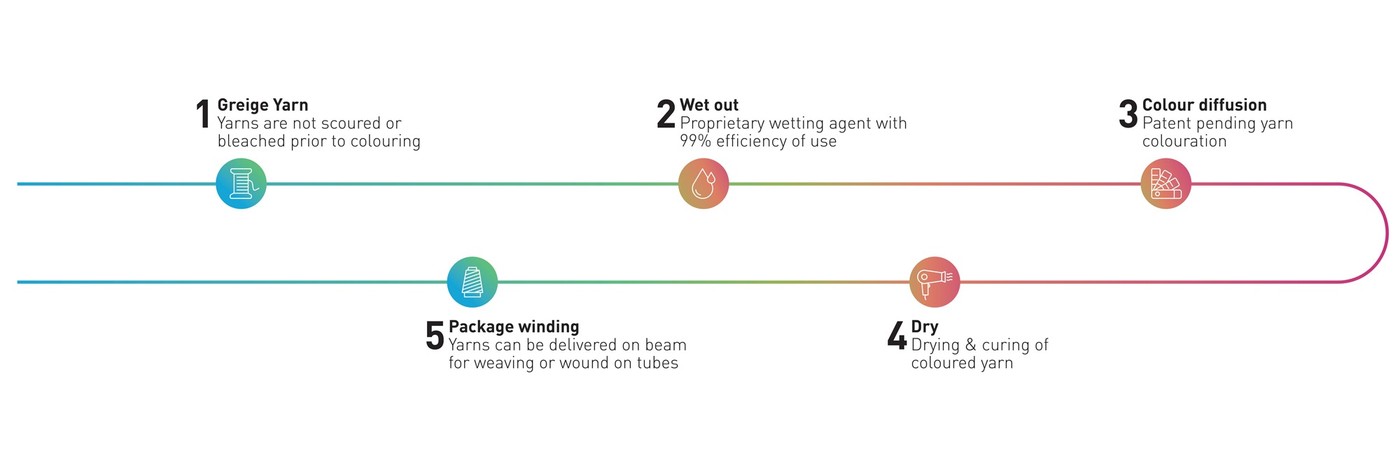
The source outlines collecting the fiber, removing dirt and impurities, combing and carding it, and spinning the prepared material into yarn. Yarn thickness can vary with the intended product. Cleaning and dyeing may occur before fabric production, while some manufacturers dye later in the process. These stages explain why a soft raw material does not become every finished item in the same way. A fine scarf and a substantial sweater involve different decisions about yarn and structure even when both use cashmere as an important part of their composition.
Evaluate the garment rather than the name alone
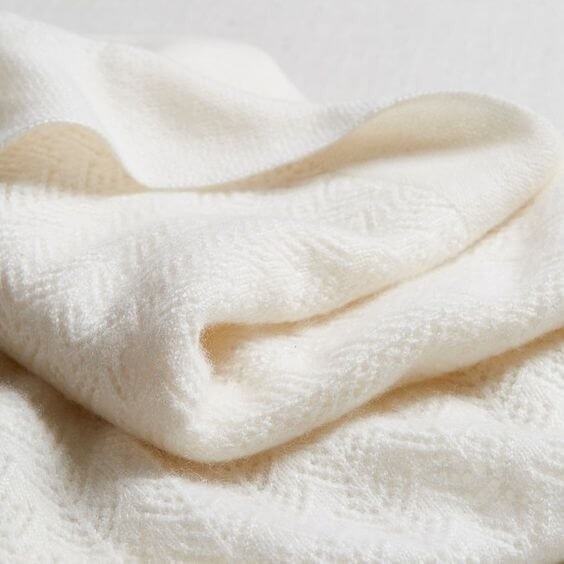
Sewport emphasizes apparel and accessories rather than industrial applications, and it notes that fiber grade affects price. The practical comparison is therefore between clearly described finished products, including their full fiber percentages, surface, and construction. The guide's discussion of softness should not be turned into a promise that every cashmere item is equally durable or suitable for heavy outdoor wear. Check the individual care label and supplier information. A cashmere blend, a fine lightweight knit, and a denser textile can all require different expectations even though the same desirable fiber appears in their product descriptions.
Yarn thickness creates room for different cashmere products
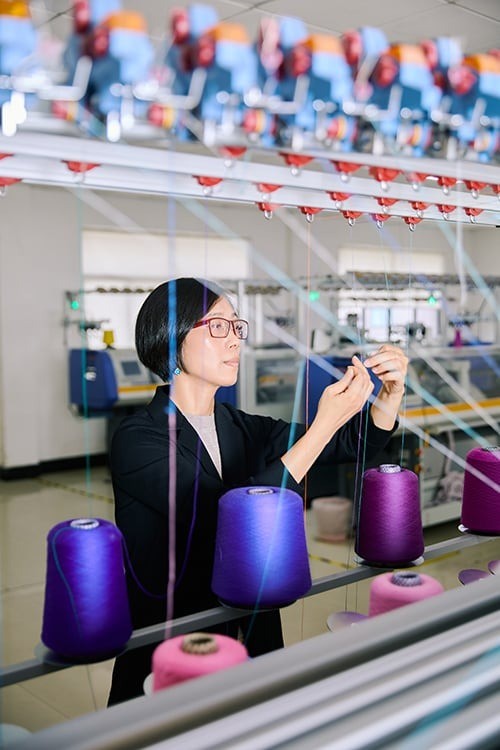
The cashmere production account notes that yarn can be made thinner or thicker according to the desired textile. This choice helps connect the fine raw fiber with the range of scarves, sweaters and other garments discussed in the guide. A fine fiber does not require every finished product to be extremely thin. Several manufacturing decisions still sit between collection and the garment, including fiber preparation, spinning and fabric formation. When comparing cashmere items, identify the kind of textile and the role it is intended to serve. A light accessory and a more substantial knitted garment can use the same valued fiber while offering different weight, volume and handling in everyday wear.
Follow color and preparation through the manufacturing sequence
After collection, the source describes removing impurities and organizing the fiber before it is spun. It then discusses further cleaning and the possibility of dyeing yarn or applying color later. These are useful distinctions because a finished color does not reveal the complete route used to make the textile. Similarly, softness is not evidence that cleaning, sorting and preparation were unnecessary. The smooth product offered to a shopper is the result of those operations as well as the original fiber. Read any additional product detail as part of that story: a named blend, yarn construction or finishing method can clarify the item more than a general description of cashmere as luxurious.
Separate fiber appeal from sourcing and use claims
Sewport includes questions about how cashmere is produced and the treatment of the animals supplying it. Those are sourcing questions that deserve specific evidence, rather than conclusions drawn from softness or price. A premium-looking garment does not itself document the collection method or the conditions in its supply chain. For the same reason, the natural origin of the fiber does not establish a single environmental outcome for every item. Look for clear, relevant supplier information when those claims influence a purchase. Then evaluate the garment's construction and care requirements separately. This preserves a useful division between what the fiber contributes, what the manufacturing route does, and what evidence is actually available about the particular finished product.




Comments
0