 FabricKnowledge Lab
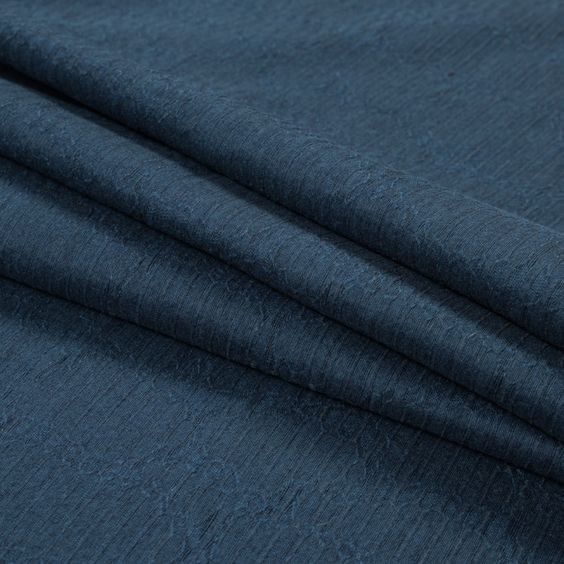
The fiber is different from plant cellulose
Wool is an animal-derived textile material rather than a cellulose fiber like cotton. Sewport's guide discusses the hair fibers of sheep and other animals, while distinguishing several named varieties. This broad grouping does not mean they all have the same diameter, softness, or suitable application. Sheep wool, cashmere, and other animal fibers can differ considerably. Begin with the actual fiber description rather than treating the word wool as a complete specification for the fabric in a coat, sweater, blanket, or household product.
Crimp creates useful bulk
The natural waviness known as crimp helps wool occupy space and trap air within a textile structure. Sewport connects this bulk with insulation, explaining why a fiber's shape matters as well as its chemical identity. Preparation changes that raw fleece into a workable material: shorn fiber is cleaned, sorted, carded into strands, and spun into yarn. The yarn can then be made into textiles, with additional finishing used where particular properties are wanted. A thin woven suiting and a bulky wool sweater therefore need not provide the same feel or warmth despite sharing a fiber category.
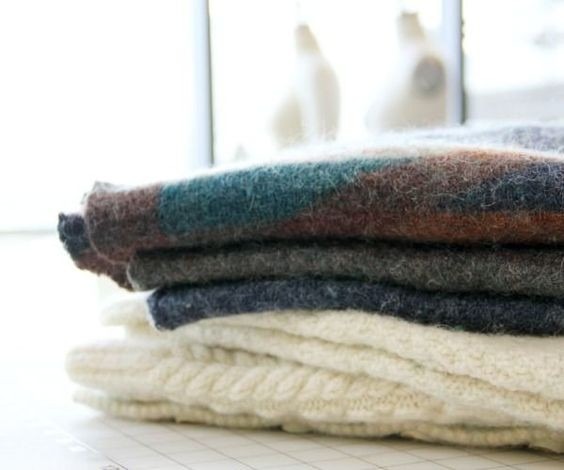
Different end uses need different wool textiles
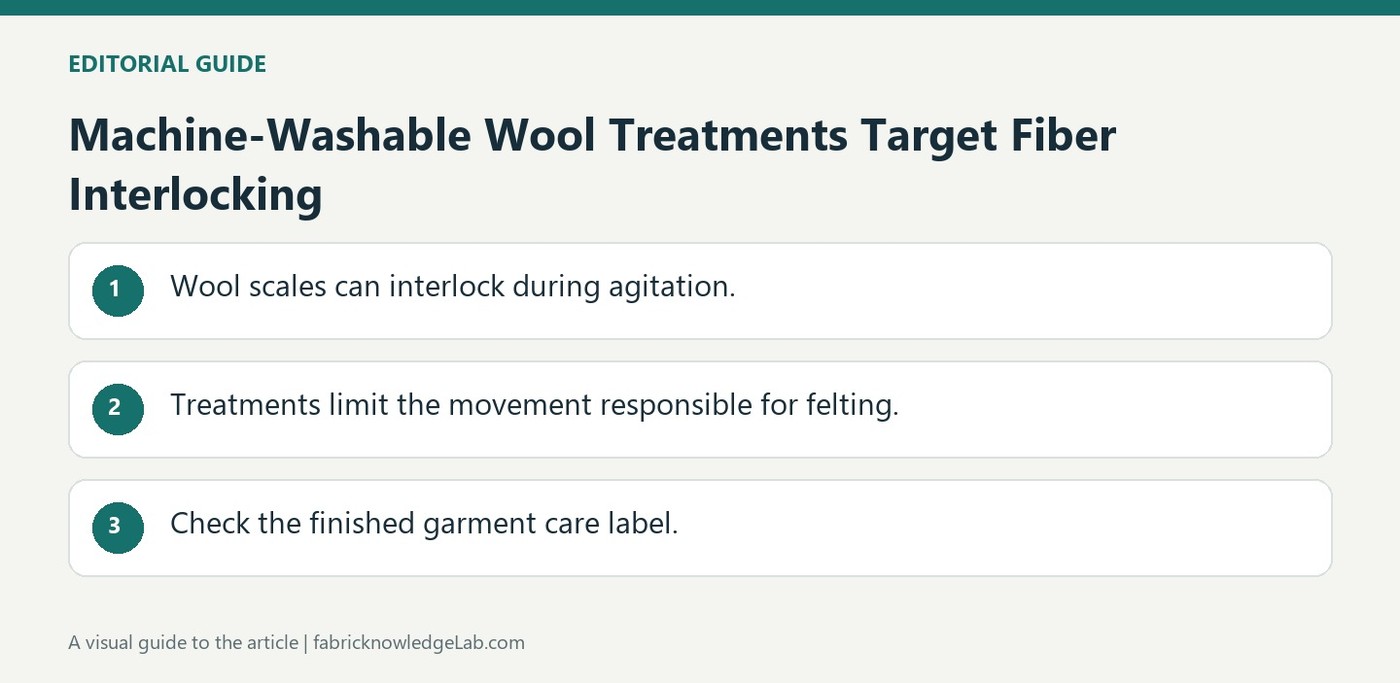
The source lists garments such as suits, sweaters, hats, gloves, and socks, along with carpets and other non-apparel uses. Finer fibers can suit direct skin contact, while other qualities are useful in outerwear or household textiles. Finishing and construction also influence the final product, so softness and care requirements cannot be settled by a generic wool label. Check the specific composition and care instructions of the item being considered. In particular, a treatment that makes one wool product machine washable should not be assumed to apply to every untreated wool garment or textile in the same wardrobe.
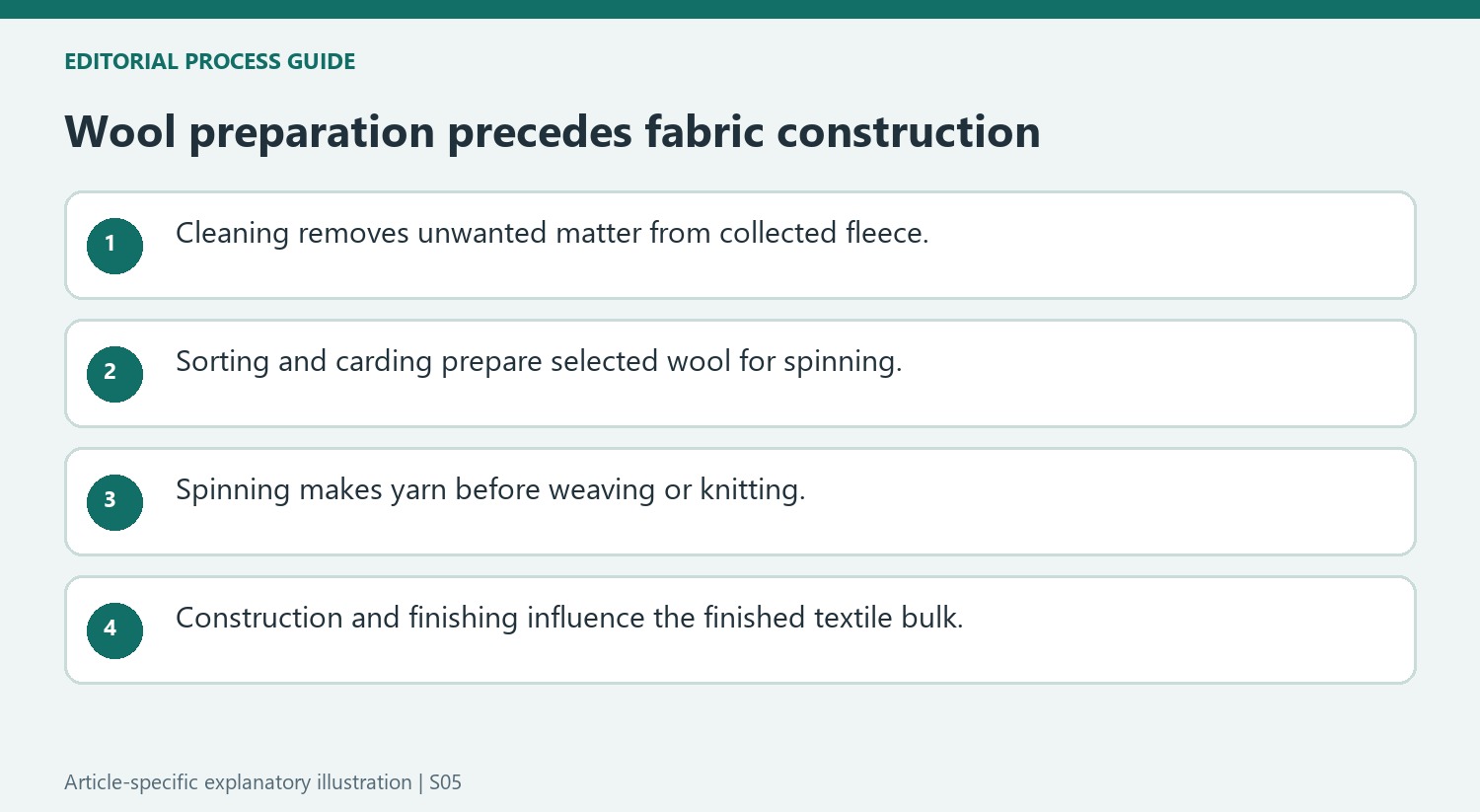
Cleaning and sorting come before spinning
Raw fleece is not the same material as a ready-to-knit ball of yarn. The wool guide describes cleaning shorn fiber and sorting it before carding organizes the material into strands. Natural oils and other unwanted material have to be addressed during preparation. Spinning then turns the prepared strands into a yarn that can be handled in textile manufacture. These are separate operations with separate purposes: cleaning concerns the incoming material, carding concerns preparation, and spinning concerns yarn formation. The distinction helps when reading product descriptions that mention both a wool type and a fabric treatment. A fiber can retain its identity while passing through several manufacturing stages that shape the final textile.
Bulk and warmth involve the whole fabric
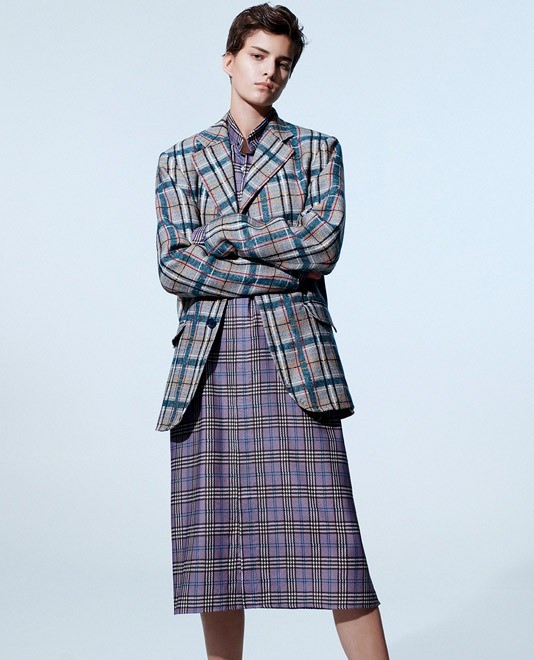
The source's explanation of crimp connects fiber shape with the ability to build a bulky structure that holds air. That gives a mechanism for understanding insulation, rather than treating warmth as a property independent of construction. A thin, closely woven wool textile and a thick knitted layer do not contain the same arrangement of yarn and air simply because both use wool. Their intended uses also differ. A suiting fabric must support a particular tailored shape, whereas a substantial sweater is constructed as a different kind of layer. Compare the actual thickness and handling together with the wool content instead of assuming that a fiber label provides a complete ranking of which garment will feel warmer.
Finishing should be interpreted as an additional process
Sewport describes finishing operations used to develop particular wool textile characteristics. Such operations come after the raw fiber has been prepared and made into a textile; they do not mean every wool item has received the same treatment. This matters especially when a seller describes a product as washable or suitable for a particular task. Read that statement as information about the specified finished item. Do not transfer it automatically to another coat or blanket with a similar wool percentage. The source's varied end uses, from apparel to household products, show how widely wool can be adapted. Those adaptations are a reason to seek precise product information, not a reason to treat all wool textiles as interchangeable examples of one fabric.



Comments
0