 FabricKnowledge Lab
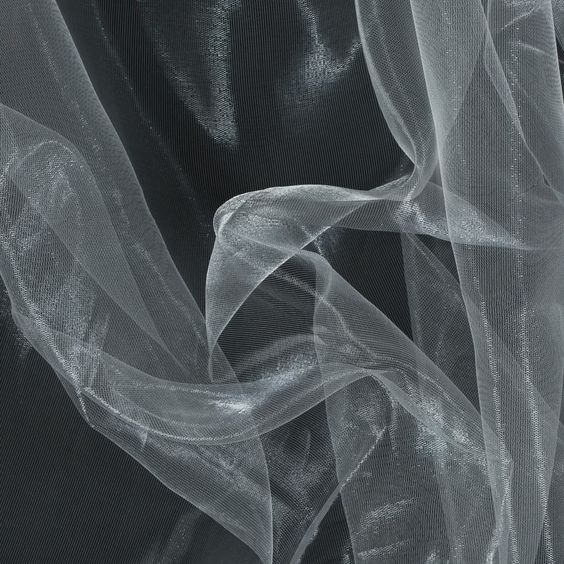
A light cloth can still have a crisp hand
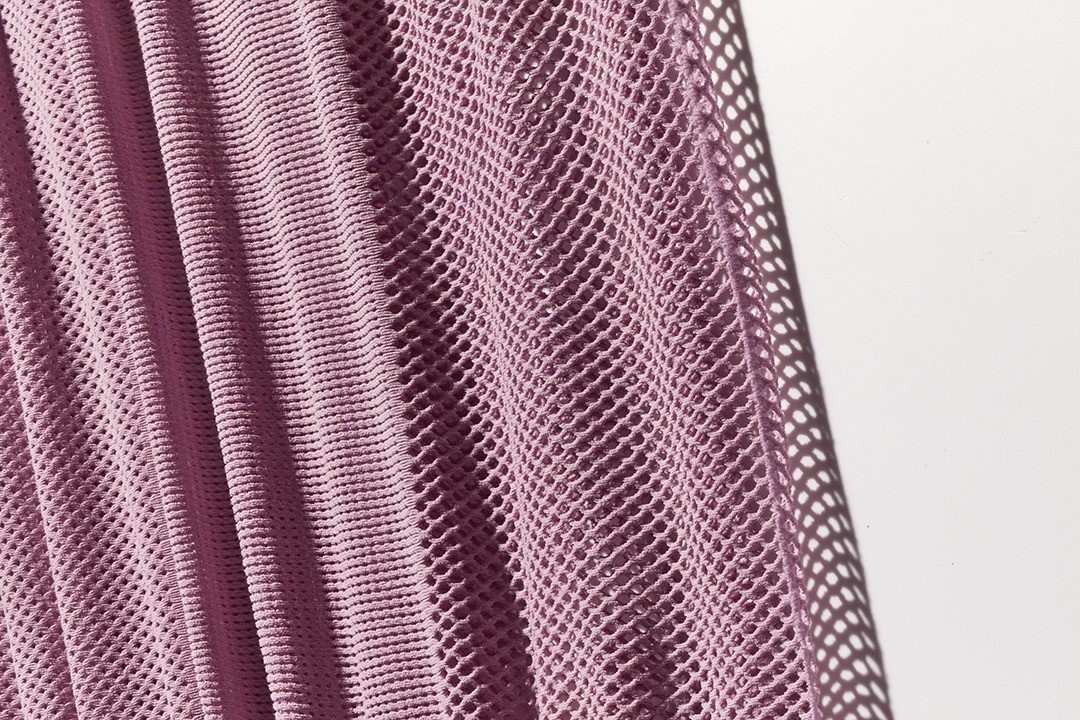
Organza is a lightweight, transparent fabric commonly associated with a plain-weave structure. Sewport describes its airy construction and comparatively stiff hand, which distinguish it from softer, flowing sheer fabrics. These qualities help it contribute shape without the visual weight of a dense opaque textile. A fabric's transparency and its ability to hold a form are therefore separate characteristics. When comparing sheer materials, look at how a sample stands, folds, and falls rather than assuming that every light fabric will drape in the same fluid way.
The fiber is not always silk
Traditional organza uses silk, but Sewport also discusses polyester and nylon versions. The weaving idea can be similar while the underlying fiber production and final handling differ. The source describes yarn preparation and stiffness as relevant to the organza effect, showing that the finished result involves more than an open grid. Read the composition label and examine the sample when matching materials for a project. A shiny synthetic organza should not automatically be treated as a silk textile merely because both products are transparent and sold for formalwear.

Choose and protect the sheer structure
Wedding dresses, eveningwear, overlays, stage costumes, underskirts, curtains, and decorative objects appear among the source's examples. Organza is particularly useful where folds or ruffles need visible body. Its fine structure is also vulnerable to snagging, so Sewport recommends protective wrapping such as muslin when storing it. For cleaning, follow the actual garment's label and consider the full construction, including trim and any lining. The fabric name alone cannot determine a safe treatment for every silk or synthetic version. Handle a delicate sheer layer as part of the complete finished item rather than judging it only by its fiber percentage.
Sheerness and stiffness can work together
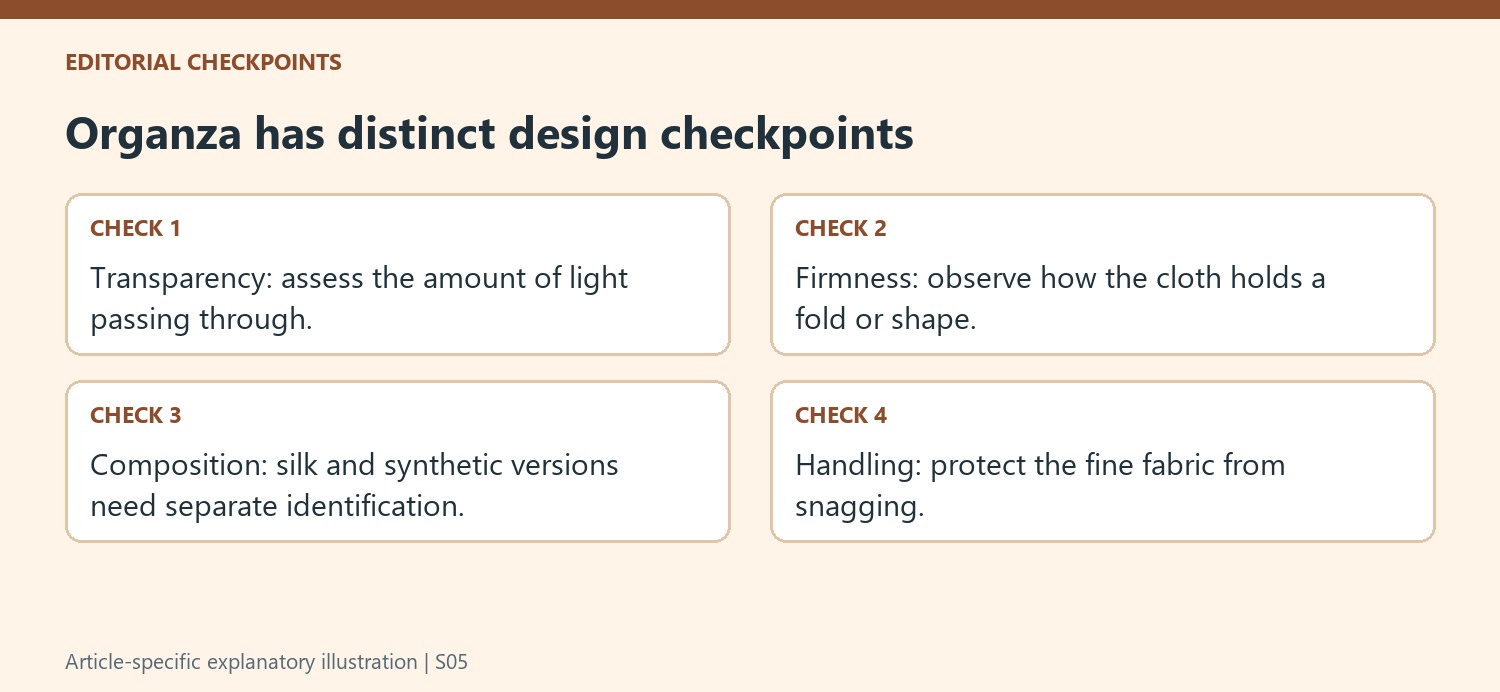
Organza is a useful example of a fabric that can be transparent without falling like a soft chiffon. The guide emphasizes a light plain weave together with the stiffness that gives organza its distinctive handling. That combination helps create a visible outline while adding little visual density. When choosing a sample, assess how it stands away from a support and how it forms a fold. Looking only at transparency misses the structural contribution that makes it useful in certain designs. A sheer fabric substitution can therefore change a garment substantially even if the replacement looks equally see-through when held against a window or photographed on a flat background.
Choose the fabric for the volume the design needs
The source discusses wedding gowns, eveningwear, ruffles, underskirts and stage clothing, all of which can use organza to build shape or layers. Household examples include decorative applications where a light fabric contributes a particular visual effect. These uses are linked by design requirements rather than one mandatory color or pattern. A white bridal textile and a brightly colored overlay may share the same basic construction while serving different aesthetics. Compare the sample with the intended silhouette, including the number of layers planned. Each extra layer changes how the material is seen, so the final impression cannot always be predicted from a single piece laid flat on a table.
Protect the actual textile and verify its composition
Sewport describes silk organza as well as synthetic versions, making fiber content an additional question beside construction. It also draws attention to snagging and the vulnerability of a thin open fabric. That is useful handling information when placing the textile near rough fastenings or storing a finished garment. Check the real item's care instructions before cleaning, particularly where several fabrics or decorative components are assembled together. The source makes broad statements about manufacturing and quality, but those should not replace the actual supplier specification. A precise comparison identifies fiber content, firmness, transparency and the requirements of the finished design. This keeps organza's distinctive capacity to hold light volume in view without assuming that every product under the name has identical stiffness, strength or laundering behavior.



Comments
0