 FabricKnowledge Lab
Vapor absorption and liquid wetting are different
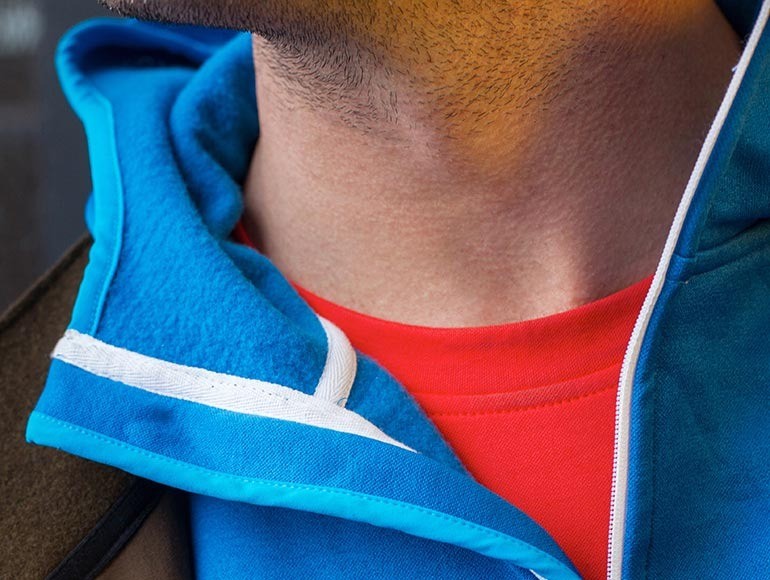
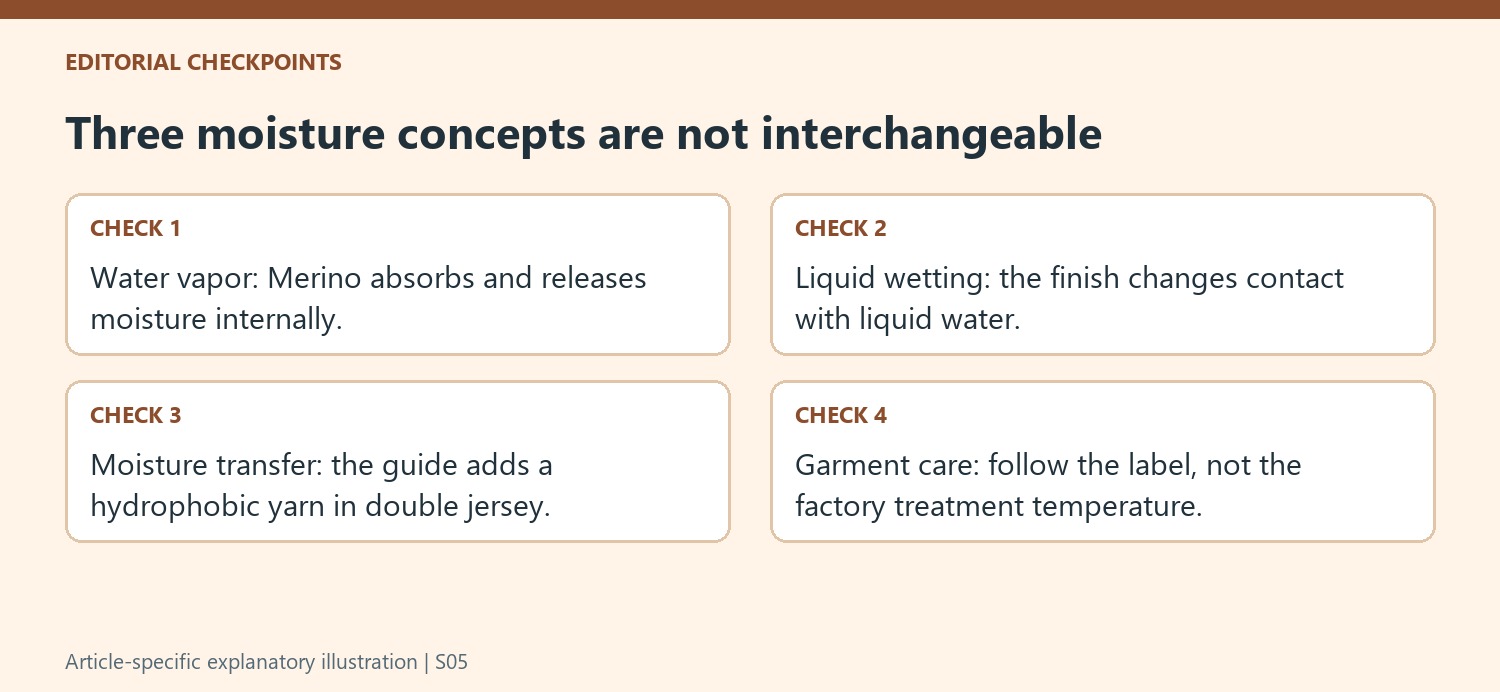
Merino wool is hygroscopic: it can absorb and release water vapor within its fiber structure. Woolmark's Moisture Management Merino description begins with that natural behavior but distinguishes it from dealing with liquid water. The two forms of moisture should not be treated as interchangeable when discussing fabric performance. A fiber's ability to take up vapor does not, on its own, describe how quickly a drop of liquid will wet its surface. The finishing process addresses that specific part of the moisture-management problem.
A clean surface precedes the hydrophilic finish
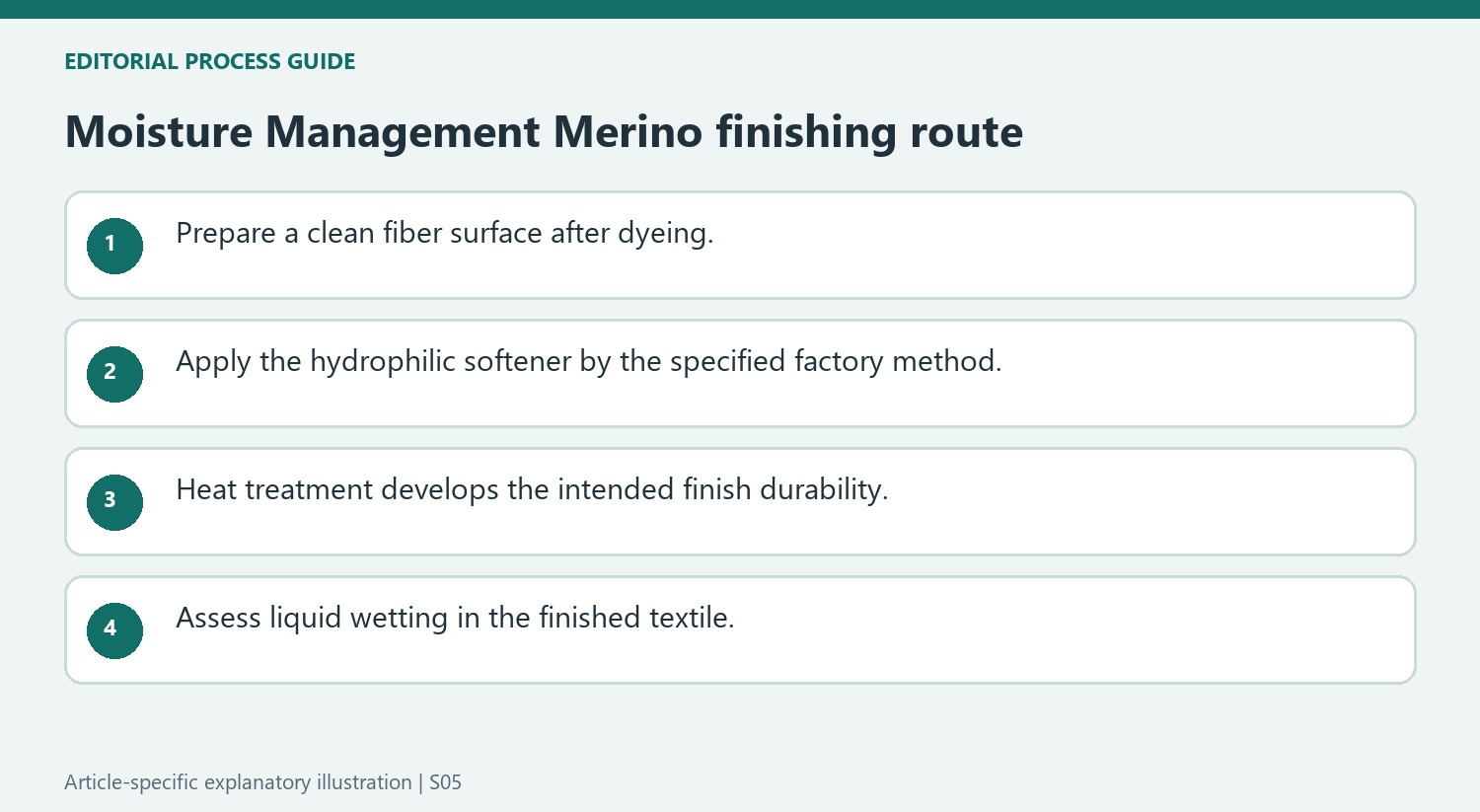
The source describes applying a special hydrophilic softener after dyeing, using either padding or exhaustion. Before treatment, contaminants such as silicone normally need to be removed because surface cleanliness affects both wetting time and durability. Heat treatment then makes the finish permanent, with the described process linking higher treatment temperatures to better durability. These are controlled textile-processing stages, not a recommendation to add an ordinary household softener to a wool wash. The chemistry, preparation, and setting conditions belong to the intended industrial finishing method.
Fabric design adds another moisture pathway
Woolmark reports rapid wetting in less than ten seconds for the treated fiber in its description. It also explains that a double-jersey construction combining the treated wool with a hydrophobic yarn can produce a high degree of liquid moisture transfer. This makes fabric architecture part of the result alongside the finish. A product claim should therefore identify the treated material and relevant construction rather than implying that every Merino garment has the same liquid-transfer behavior. The page describes one engineered approach built on wool's existing vapor-management properties, with the intended soft and comfortable hand retained.
Water vapor and liquid water are different challenges
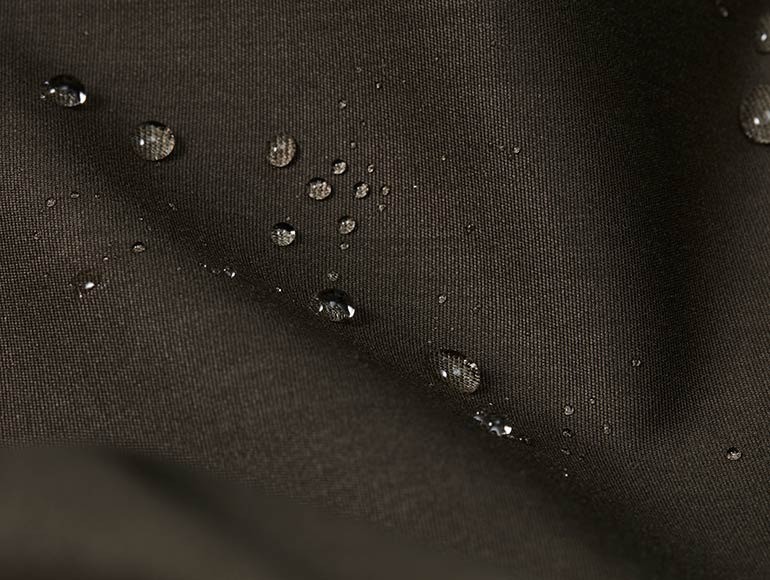
The Moisture Management Merino account begins with wool's hygroscopic behavior: its ability to absorb and release water vapor. It then distinguishes liquid moisture, which is less easily managed by the untreated fiber surface. This distinction explains the purpose of the finishing technology. A fabric can participate in moisture-vapor exchange without immediately wetting in the same way when a drop of liquid lands on it. The treatment described by Woolmark is intended to change that liquid-water behavior while retaining a comfortable textile. Keeping these two forms of moisture separate makes the claim more precise and avoids treating absorption, surface wetting and movement through a garment as three interchangeable terms for one process.
Surface preparation is part of the finishing route
The source places the hydrophilic softener after dyeing and identifies padding or exhaustion as application routes. It also states that cleanliness of the fiber surface affects both wetting time and durability. Silicone contamination is given as an example of material that may need removal beforehand. Those details show that the finish is a controlled manufacturing process, not simply a consumer product added during an ordinary wash. Heat treatment is another part of that industrial route. Its temperature discussion should not be interpreted as permission to iron a finished garment hotter or to improvise a home treatment. The garment's actual care label remains the relevant limit for cleaning and pressing after manufacture.
A second yarn can give the fabric another role
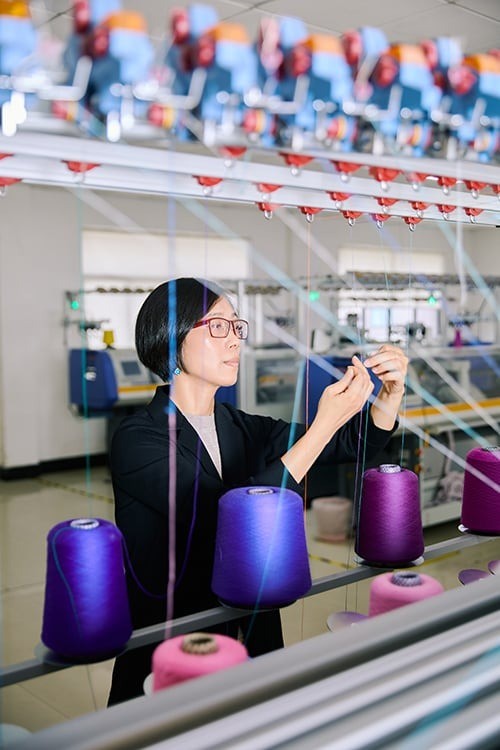
Woolmark describes combining the treated Merino in a double jersey with a hydrophobic yarn to achieve substantial liquid-moisture transfer. That is a fabric-system claim rather than a statement about the softener in isolation. Yarn choice and the knitted arrangement both belong to the described result. The source also reports rapid wetting for the treated fiber, but it does not provide a complete performance specification for every commercial garment. When comparing products, look for whether the actual textile uses the named treatment and construction. Distinguish a stated wetting result from a broader promise about how dry a wearer will feel during every activity. This keeps the mechanism understandable while leaving fit, environment and the particular fabric design within the assessment of the finished item.
References
- Moisture Management Merino. The Woolmark Company; The Woolmark Company.


Comments
0