 FabricKnowledge Lab

Sheerness is only part of the description
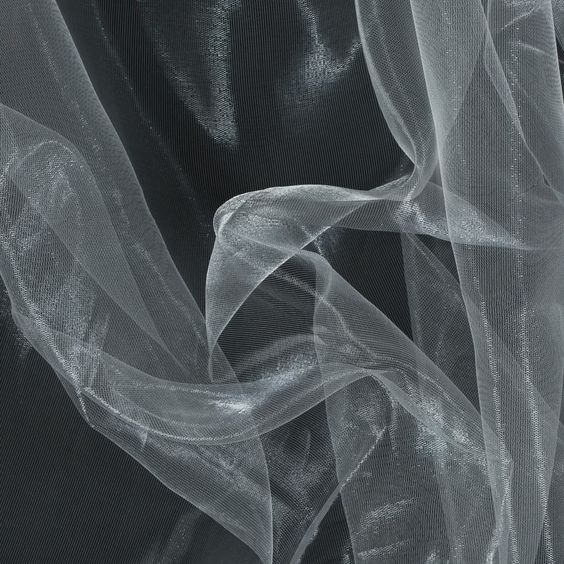
Chiffon is a light, semi-transparent fabric associated with dresses, scarves, blouses, and decorative layers. Sewport describes silk versions as well as chiffon made with polyester, nylon, rayon, and sometimes cotton. That range makes fiber identification important: the fabric name describes a recognizable textile effect, not a guarantee of pure silk. Two chiffons can look similarly sheer from a distance while differing in surface feel, cost, and care. Check the actual composition before treating a silk and a synthetic version as equivalent materials for a garment or sewing project.
Opposing twist contributes to the surface
The source explains the use of yarns with alternating S and Z twist directions. Their opposing behavior contributes to chiffon's slight puckering and textured handle. The resulting cloth should not be expected to feel like a completely smooth satin, even when both materials have some luster. Production and sewing require care because the fabric is fine and can move easily. Sewport mentions temporary paper support during sewing as one method used to control that movement. The important practical point is that a delicate fabric's handling can differ considerably from its appearance in a finished photograph.
Plan the role of the sheer layer
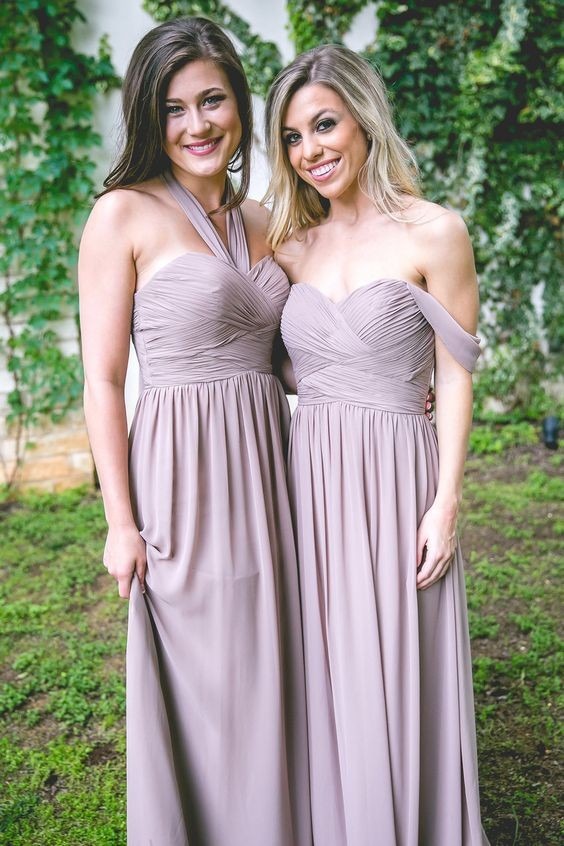
Chiffon's transparency makes it useful over a more opaque layer, where it can add color, movement, or texture without acting as the only covering. Sewport lists eveningwear, wedding garments, nightwear, and blouses among its applications, along with ribbons and decorative uses. Consider the relationship between the chiffon and anything visible beneath it when judging a design. Also consult the finished item's care instructions, including trim and lining. The same fabric name can cover several fiber types, so neither the word chiffon nor its delicate appearance alone specifies one safe cleaning method.
Opposing yarn twist contributes to the texture
The chiffon account explains the use of yarns with opposing twist directions, commonly described as S and Z. Twist concerns the yarn, while the woven arrangement concerns how the yarns become cloth. Their combination helps produce the slightly textured, puckered quality described in the source. This is why chiffon should not be identified only by its transparency. Other sheer fabrics can have different yarn preparation and a crisper surface. When comparing samples, look closely at the texture as well as the amount of light passing through the cloth. Two materials that appear similarly translucent in a photograph can behave differently when they are folded, gathered or used as a floating garment layer.
Layers let a sheer textile play a specific role
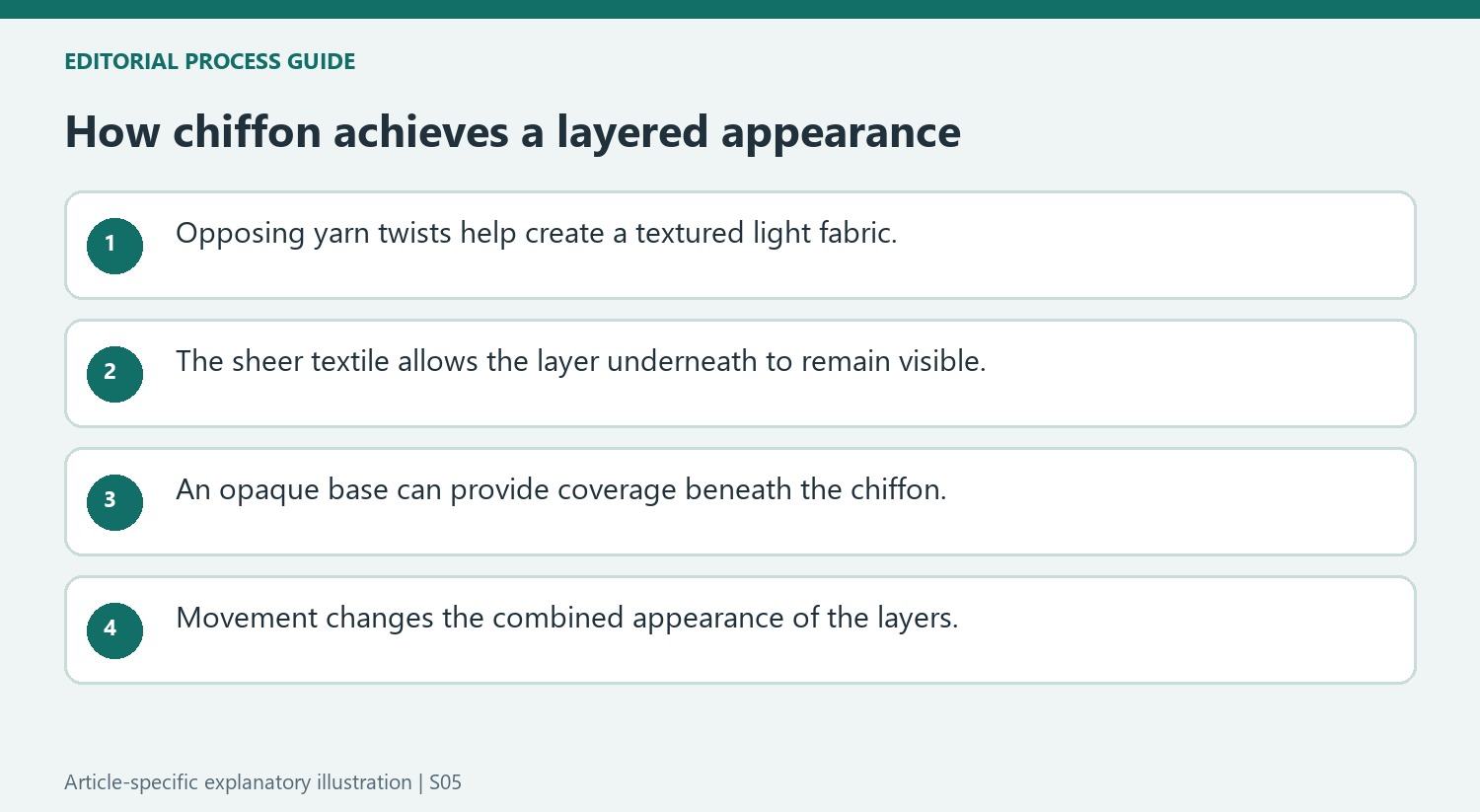
Sewport identifies overlays as an important use, with chiffon placed over a more opaque garment or fabric. In that arrangement, the underlying layer supplies coverage while chiffon contributes movement, texture and a changing view of the color beneath it. A single-layer sample cannot fully demonstrate that combined effect. Compare the proposed layers together and observe them as they move rather than assessing only a flat swatch. The same principle helps with sleeves, scarves and decorative sections: transparency may be an intentional feature instead of a shortcoming. The design has to determine where that feature belongs and whether another material is needed underneath it.
The fiber choice remains a separate specification
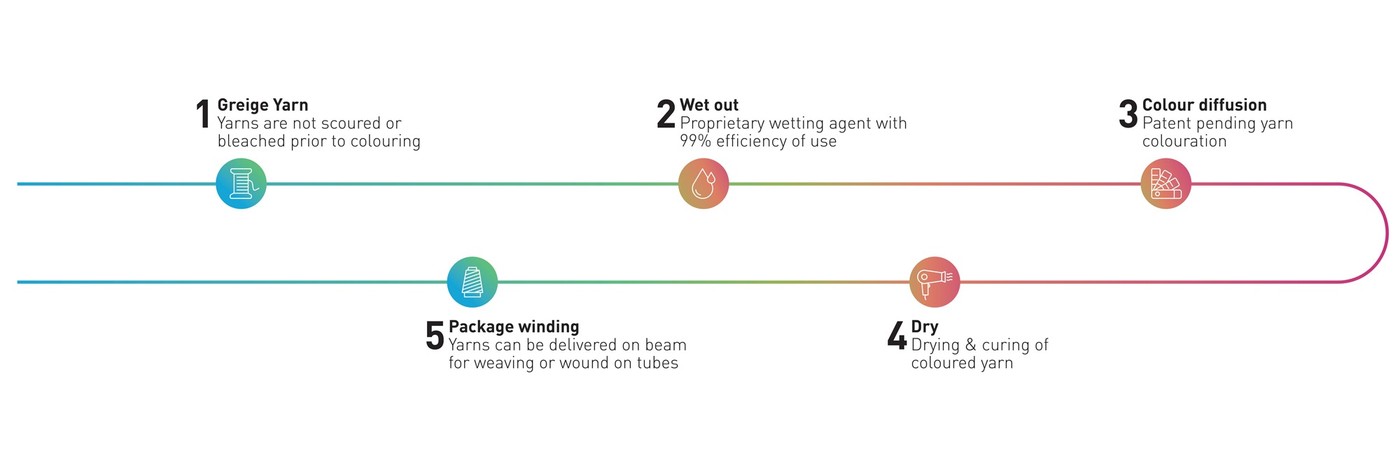
The source discusses silk chiffon and versions made with polyester, nylon, rayon or cotton. These raw materials follow different production routes before a usable yarn reaches the loom. Calling them chiffon identifies a related fabric character, rather than making their fiber origins identical. Check the full composition when choosing between products, especially if the decision depends on feel, care or a particular material preference. The guide also describes the challenges of keeping delicate slippery cloth stable during sewing. Test the actual sample before a visible seam and assess how the chosen method handles it. A trial is more informative than assuming that a technique suitable for one chiffon must work unchanged on every other version. The finished item's care information should likewise reflect its own composition, dyeing and construction rather than a general rule based on the fabric name alone.



Comments
0