 FabricKnowledge Lab
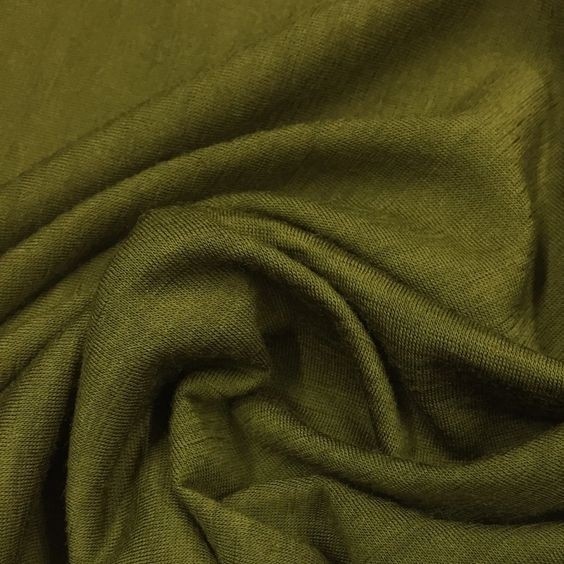
Merino does not describe one finished cloth
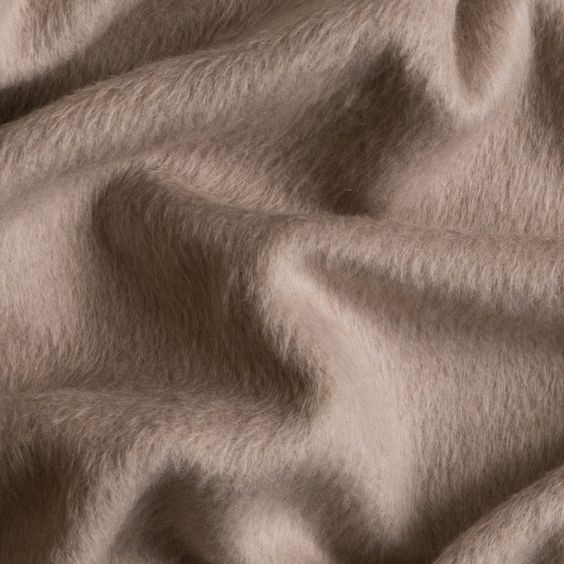
Merino wool comes from Merino sheep and is available in different grades. Sewport emphasizes that finer forms can produce a soft fabric suitable for garments worn against the skin, while other constructions serve different purposes. The name identifies a fiber source rather than one fixed garment weight or weave. That is why a lightweight Merino base layer and a more substantial sweater can both be genuine Merino products without having the same thickness, texture, or insulation in actual use.
Preparation and construction are separate stages
Freshly shorn wool contains natural oils and requires cleaning before further processing. The source describes sorting it into grades, carding it into strands, and spinning those strands separately into yarn. Manufacturers can then weave the yarn, including plain and twill structures, or knit it. Dyeing may happen at the yarn stage for patterned fabrics or later when a uniform color is wanted. These choices help determine the finished appearance and handling. The fiber name alone cannot reveal whether a product is a smooth woven fabric or a more flexible knitted structure.
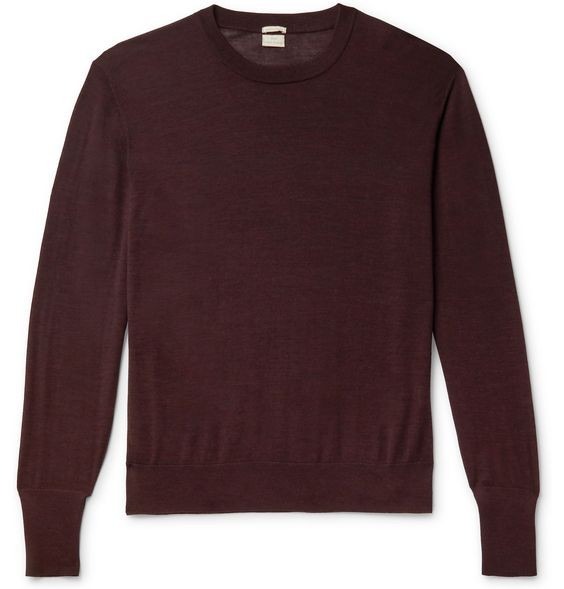
Choose the product for the intended layer
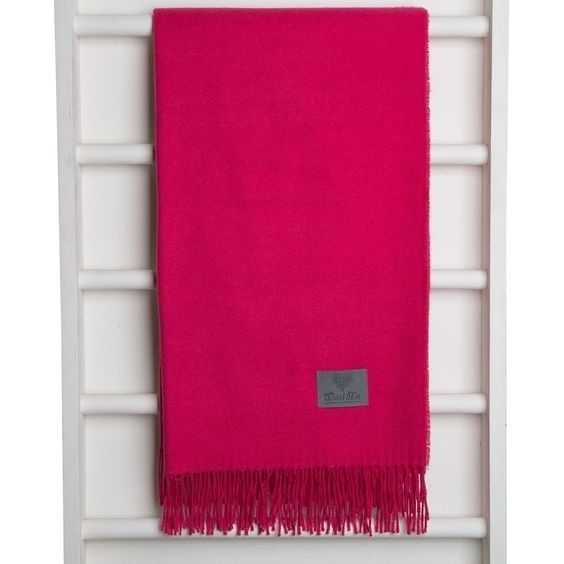
Sewport lists sweaters, socks, shirts, underwear, base layers, dresses, and blankets among Merino applications. The guide links its popularity in clothing to softness, moisture handling, and insulation, but those broad attributes do not remove the need to compare the actual textile. For direct skin contact, fiber grade and the finished surface matter. For a warming layer, the structure and weight also matter. Read the composition and care label rather than assuming that every Merino item is equally fine, equally warm, or suitable for an identical machine-washing and drying routine after wear.
Sorting the fleece gives the grade a practical role
The Merino manufacturing account includes cleaning and grading before fibers are carded and spun. Keeping grades separate allows the mill to select material for the intended yarn rather than treating all fleece as uniform. This is particularly relevant to the source's distinction between soft garments for direct skin contact and other wool products. The Merino name establishes the sheep category, but the selected material and its processing still matter. When a product supplies further information about fineness or grade, it can help explain the intended feel. It should be read alongside the finished fabric rather than treated as a substitute for handling the actual item or checking how that textile has been constructed.
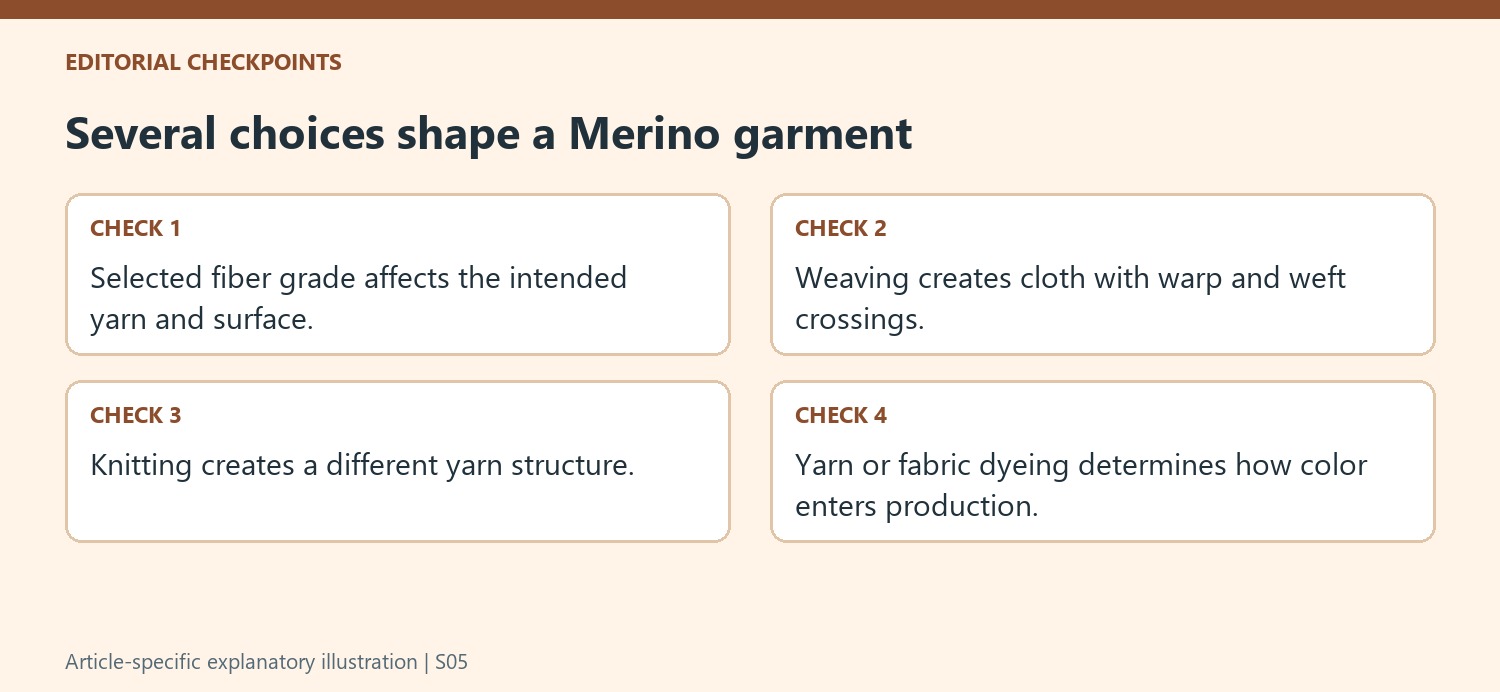
Weaving and knitting create different surfaces from related yarn
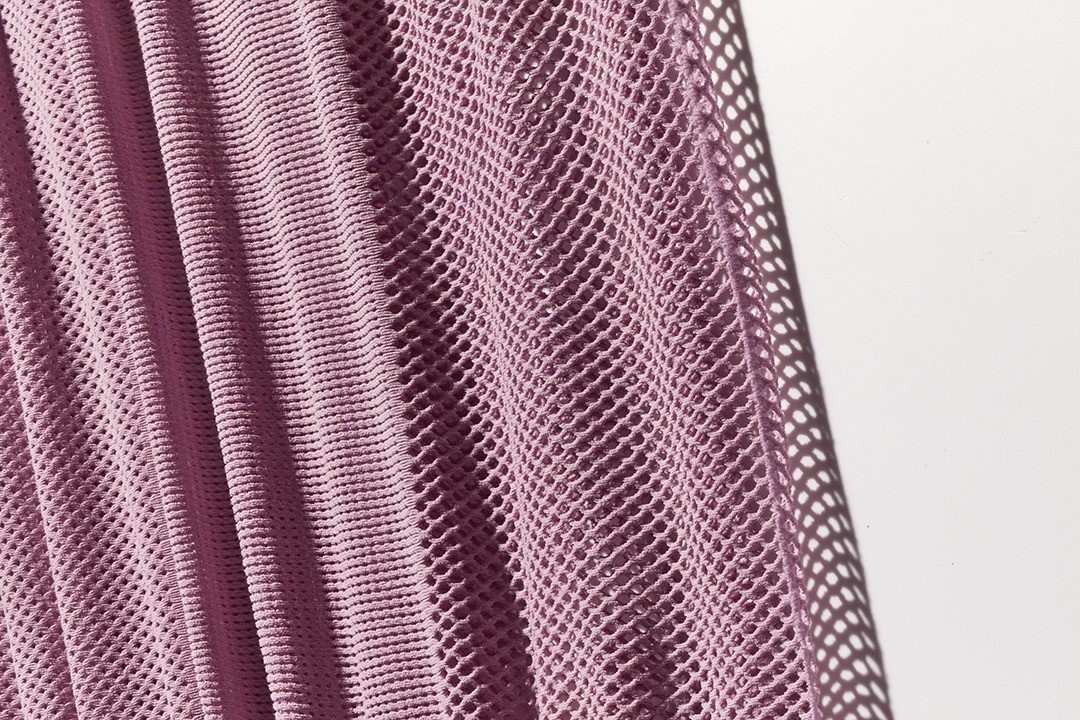
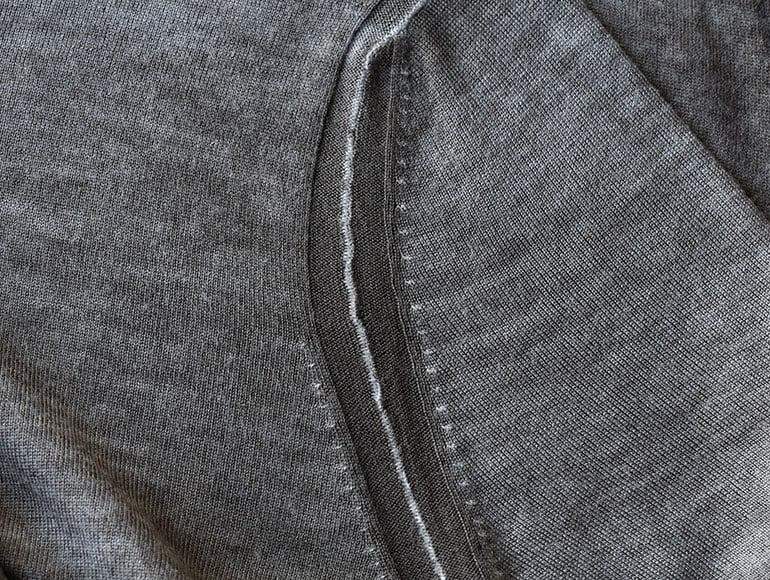
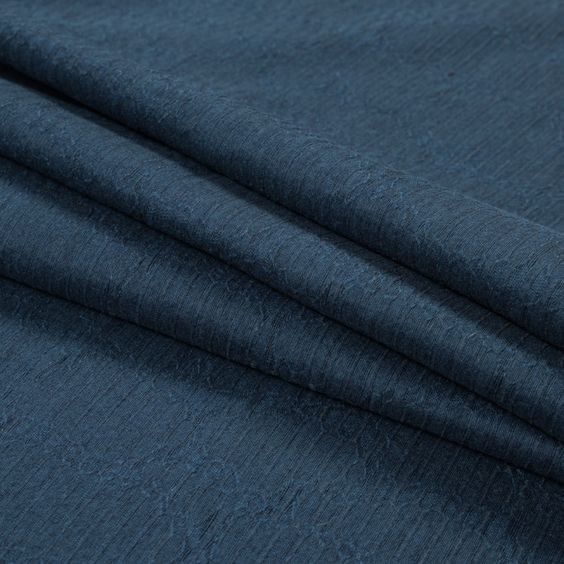
The guide describes both plain or twill weaving and industrial knitting as ways to turn Merino yarn into fabric. Woven cloth organizes warp and weft crossings, while a knitted textile has a different yarn structure. That distinction is relevant when comparing a base layer, a tailored garment and a sweater. Each product can use Merino while asking the yarn to perform a different structural job. Look for the actual construction in the description and observe the surface and fall of a sample where possible. A smooth-looking product photograph may not reveal the complete handling difference, particularly if the items are shown at different scales or under different lighting.
Color placement is another manufacturing decision
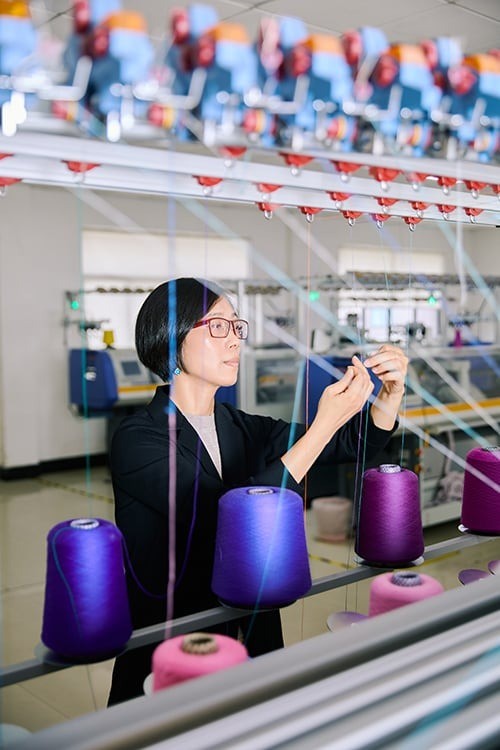
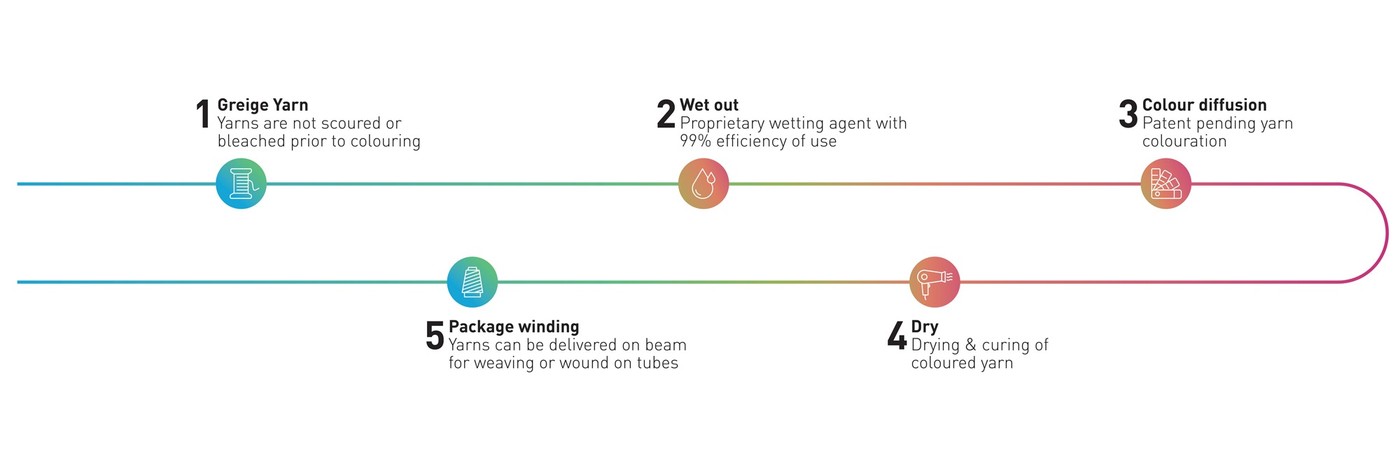
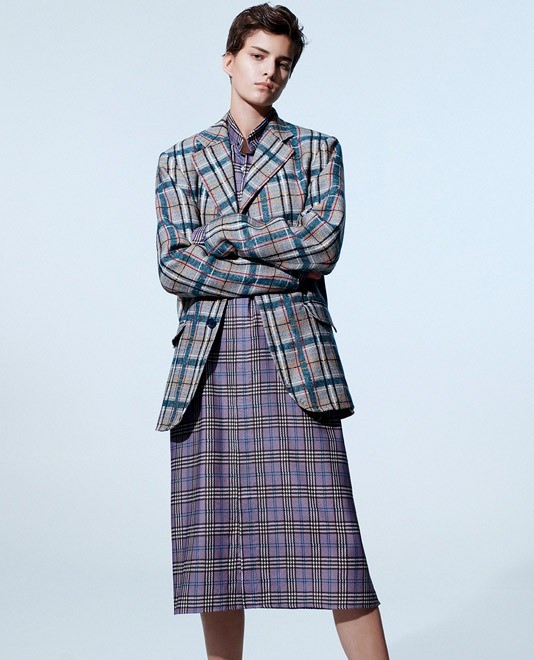
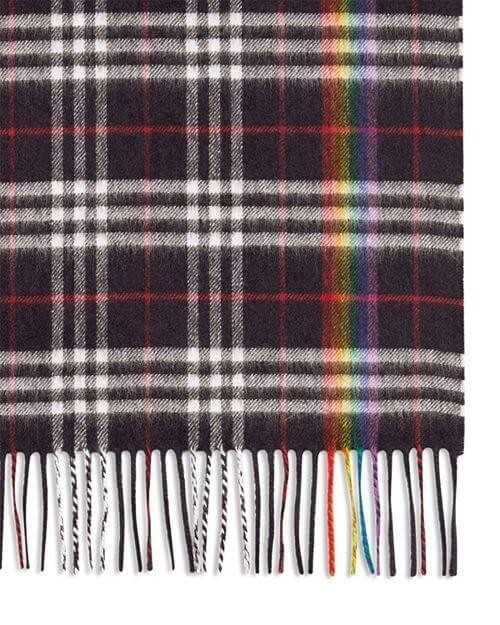
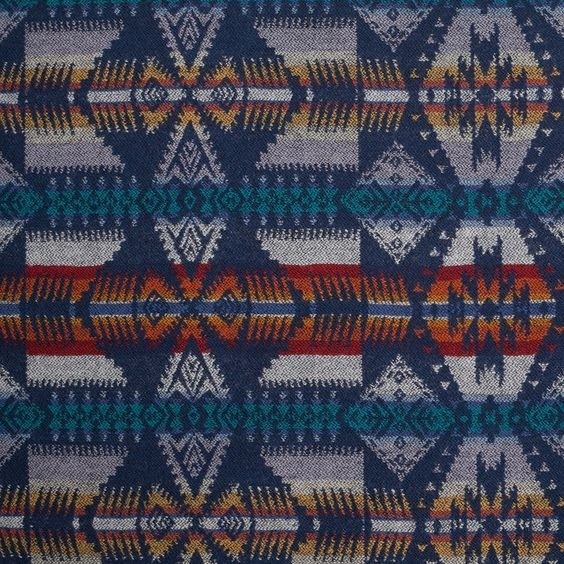
The source notes that a multicolored fabric can use yarn dyed before weaving or knitting, while a textile intended for one color may be dyed later. These options help explain how color becomes part of the manufacturing route rather than a separate label applied after all structure is settled. They also show why two Merino textiles can share a fiber type but differ in pattern and visual texture. For a practical choice, evaluate the color treatment together with weight, surface and intended layer. The wide range of uses in the guide does not imply that every Merino cloth provides identical insulation or care behavior. Those details remain attached to the specific yarn, construction, finishing and garment instructions. The contrast between a fine base layer and a thicker sweater makes these choices tangible: the wool category can remain the same while the textile maker selects a different yarn and structure for the intended garment.




Comments
0