 FabricKnowledge Lab
Two breeds do not provide identical fiber
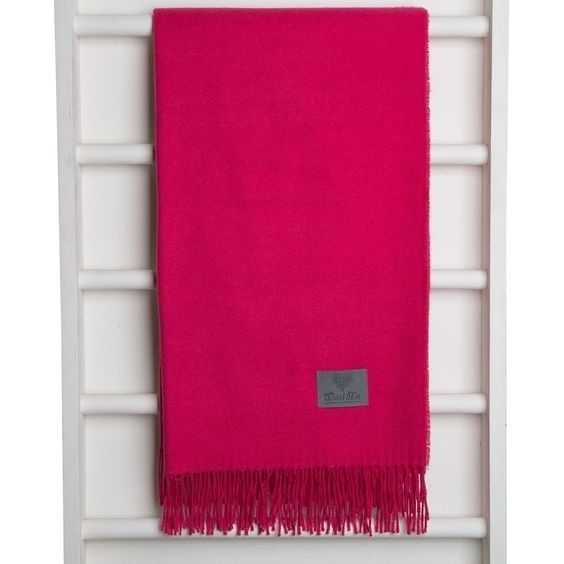
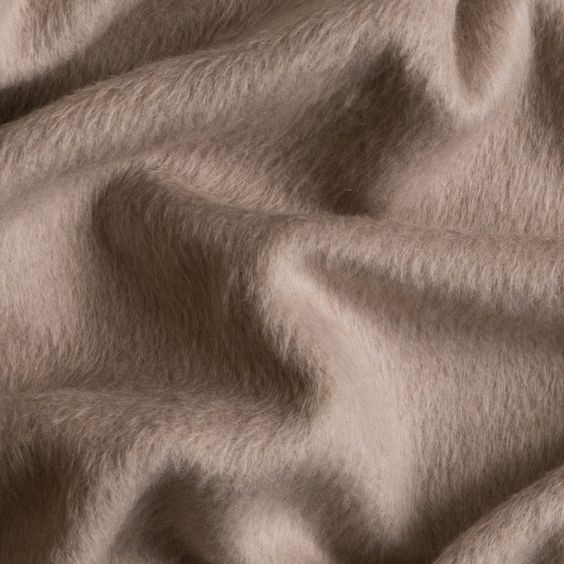
Sewport distinguishes Huacaya and Suri alpaca, both associated with South American fiber production. Huacaya fiber has a naturally crimped, springier character, while Suri fiber is described as having less crimp and a different appearance. The distinction helps explain why the broad alpaca label does not identify one uniform material for every textile. A product can emphasize a soft knitted surface or a different woven effect depending on the fiber and how it is prepared. Breed information is useful alongside the full composition and the actual fabric sample.
Shearing is only the first production step
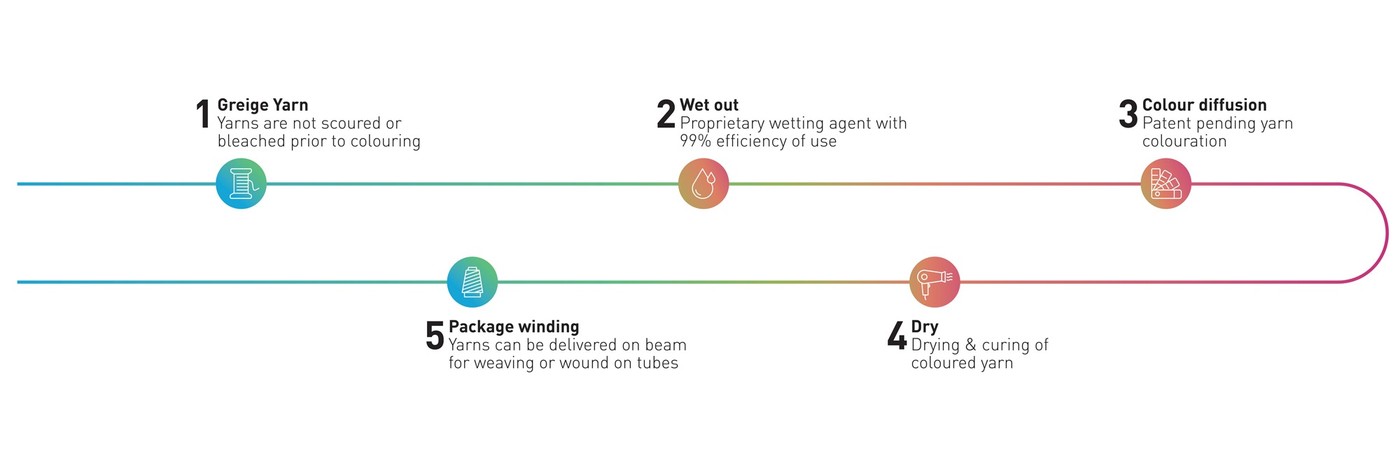
The source outlines collecting the coat through shearing and preparing the fiber before spinning. Carding brings strands into a more uniform arrangement, after which yarn can be produced. Yarn preparation and thickness influence whether the resulting textile feels light or substantial. This manufacturing sequence is important because a raw fiber's reputation cannot determine every feature of a finished sweater or blanket. The same animal origin can support several textile forms, and blended products introduce additional variables through the other fibers included in the yarn.
Match the finished textile to its use
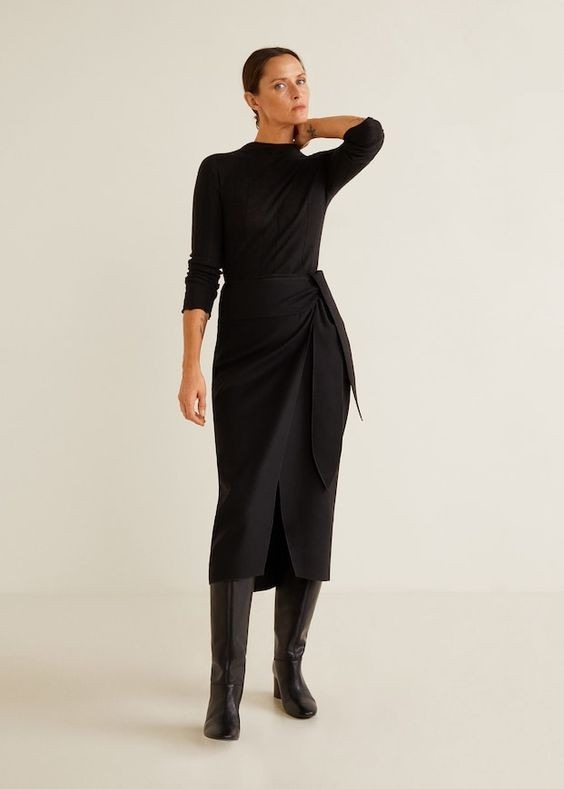
Sewport lists sweaters, socks, jackets, hats, gloves, suits, and designer clothing among alpaca applications. It also discusses the historical importance of the fiber in South America and more recent production elsewhere. These examples demonstrate range rather than a guarantee that alpaca is the best material for every garment. Compare surface feel, construction, blend percentages, and care instructions. Avoid assuming that a fiber with little or no lanolin can never irritate an individual wearer, or that every alpaca product is automatically warmer, softer, and more durable than every alternative regardless of its actual construction.
Crimp is a structural difference between the two fiber types
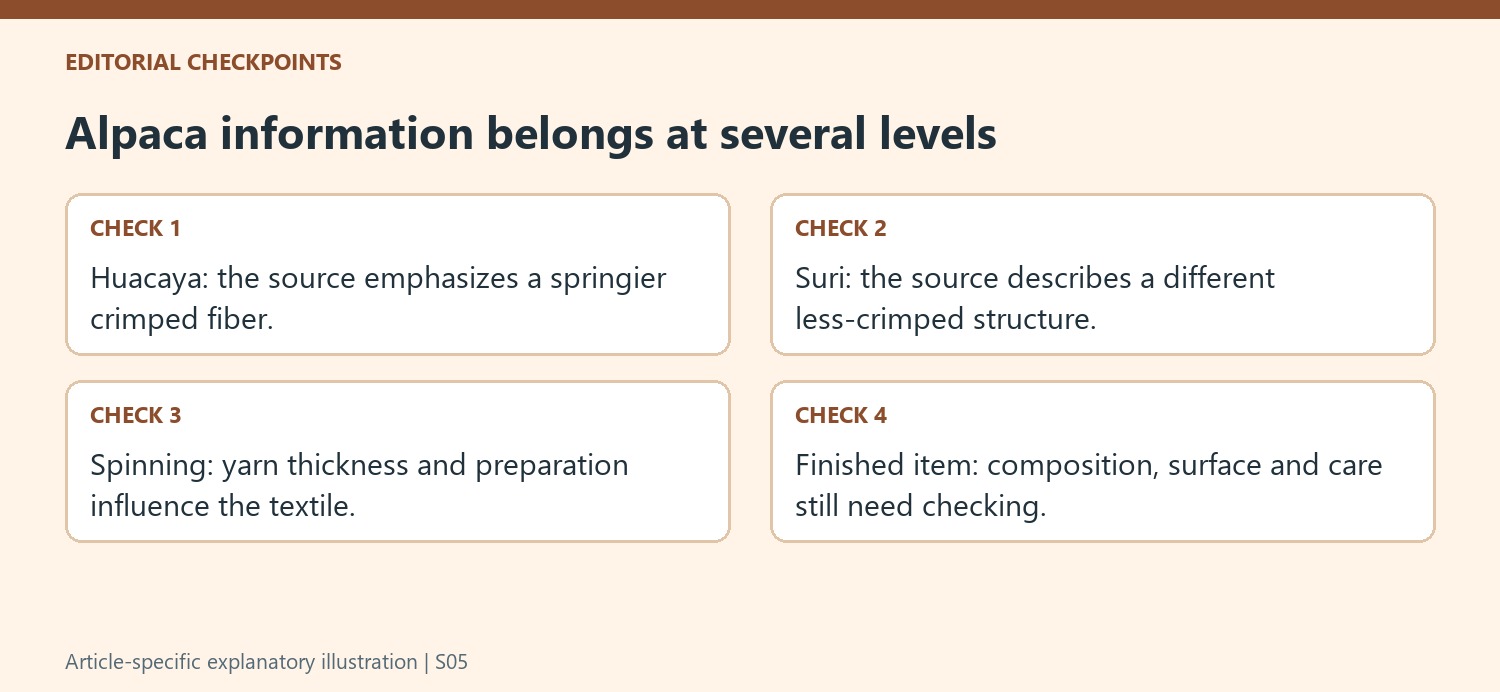
The alpaca guide describes Huacaya as having a springier, naturally crimped character and Suri as having a different, less crimped structure. These observations concern the raw material before a maker chooses a garment. They help explain why the source associates the fibers with different textile effects, but they do not create a rule that one breed can only be knitted and the other only woven. Yarn preparation and construction still provide choices. When a supplier identifies the alpaca type, use that information to ask more precise questions about the surface and drape. Then compare the actual cloth rather than assuming that every product from a breed has an identical finished appearance.
Spinning connects the animal fiber to several product forms
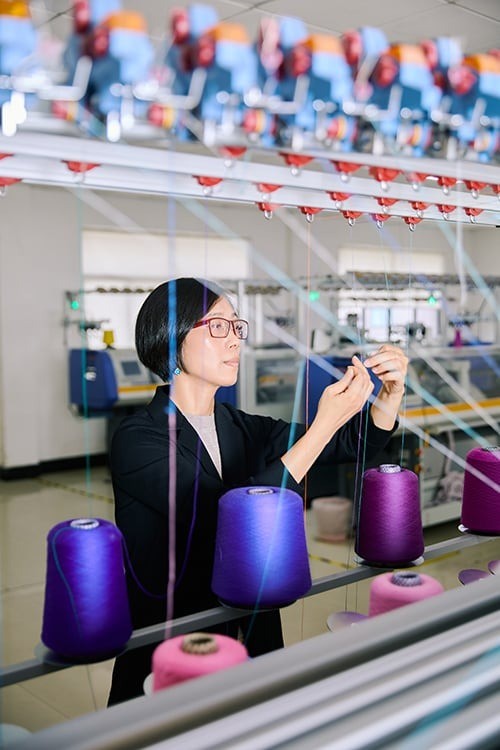
The source describes preparing collected fiber by carding and then forming yarn. It discusses traditional spindle methods as well as other spinning equipment, showing that the process can take place at different scales. The important connection is the formation of a controlled yarn from prepared fibers. Yarn thickness and subsequent construction help determine whether the final textile is light or substantial. A throw, a scarf and a garment can therefore draw on alpaca without needing the same structure. Where an item is a blend, the other fibers become part of that specification as well. Read their percentages rather than assuming the presence of alpaca describes the complete material from which the product was made.
Evaluate softness and comfort as product-specific questions
The guide emphasizes insulation and softness as reasons for choosing alpaca, while its application list includes clothing with very different contact patterns. A lined coat and a scarf next to the neck do not ask the textile to perform in the same way. Assess the surface where it will actually touch the wearer, and consider the construction and fit as well as the composition. Claims associated with an absence of lanolin should not be turned into a guarantee that no individual can experience irritation. Likewise, a warm fiber reputation does not rank every lightweight alpaca item above every heavier alternative. Use the actual textile, its intended layer and its care information as the basis of the decision. This approach preserves the useful fiber distinctions while avoiding conclusions that the broad alpaca name cannot establish on its own.




Comments
0