 FabricKnowledge Lab
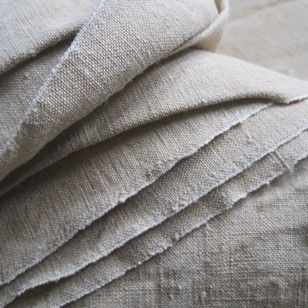
Separate the textile fiber from the woody core
Textile hemp comes from selected Cannabis sativa plants grown for fiber rather than for high psychoactive content. Sewport distinguishes the stalk's rope-like outer bast fibers from its woody interior. The outer material supplies textile fiber, while the core has other uses such as building materials and bedding. That distinction is more informative than treating an entire harvested stalk as ready-made fabric. It also explains why the crop must undergo separation and preparation before it can become the yarn used in a shirt, towel, or household textile.
Retting and preparation come before spinning
The source describes harvested stalks undergoing retting, which helps release fibers from surrounding plant material. Mechanical breaking then separates the fibrous portion from the woody core. Further cleaning and carding prepare the strands, and additional processing can make them suitable for spinning and weaving. Different end uses can take different processing routes, so rope, mats, paper-related products, and apparel do not all demand the same preparation. A hemp fabric's final softness cannot be inferred from the presence of the plant fiber alone without considering how it has been processed.
Blends broaden the possible applications
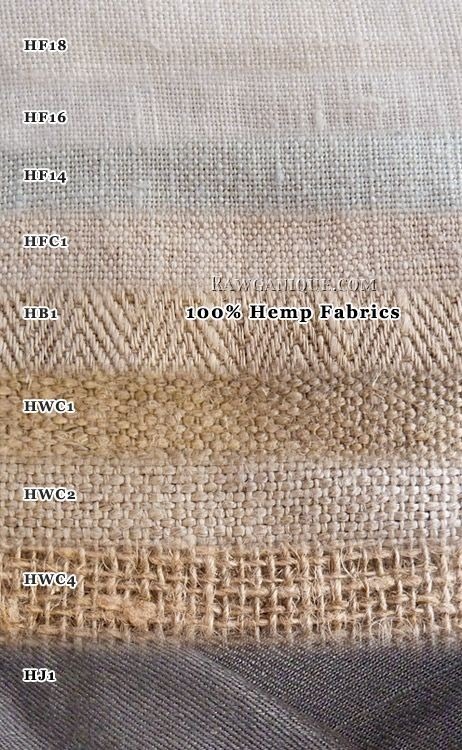
Sewport lists shirts, dresses, jackets, trousers, towels, and other household textiles among hemp applications. It also describes blending hemp with cotton or silk to change softness and handling while retaining some of the fiber's durable character. This makes the complete composition important when comparing garments. A fabric labeled as a hemp blend is not equivalent to one made entirely from hemp, and neither name supplies a detailed description of weave or weight. Examine the actual textile and its care instructions rather than relying on sweeping claims that one natural fiber must outperform every alternative in every finished product.
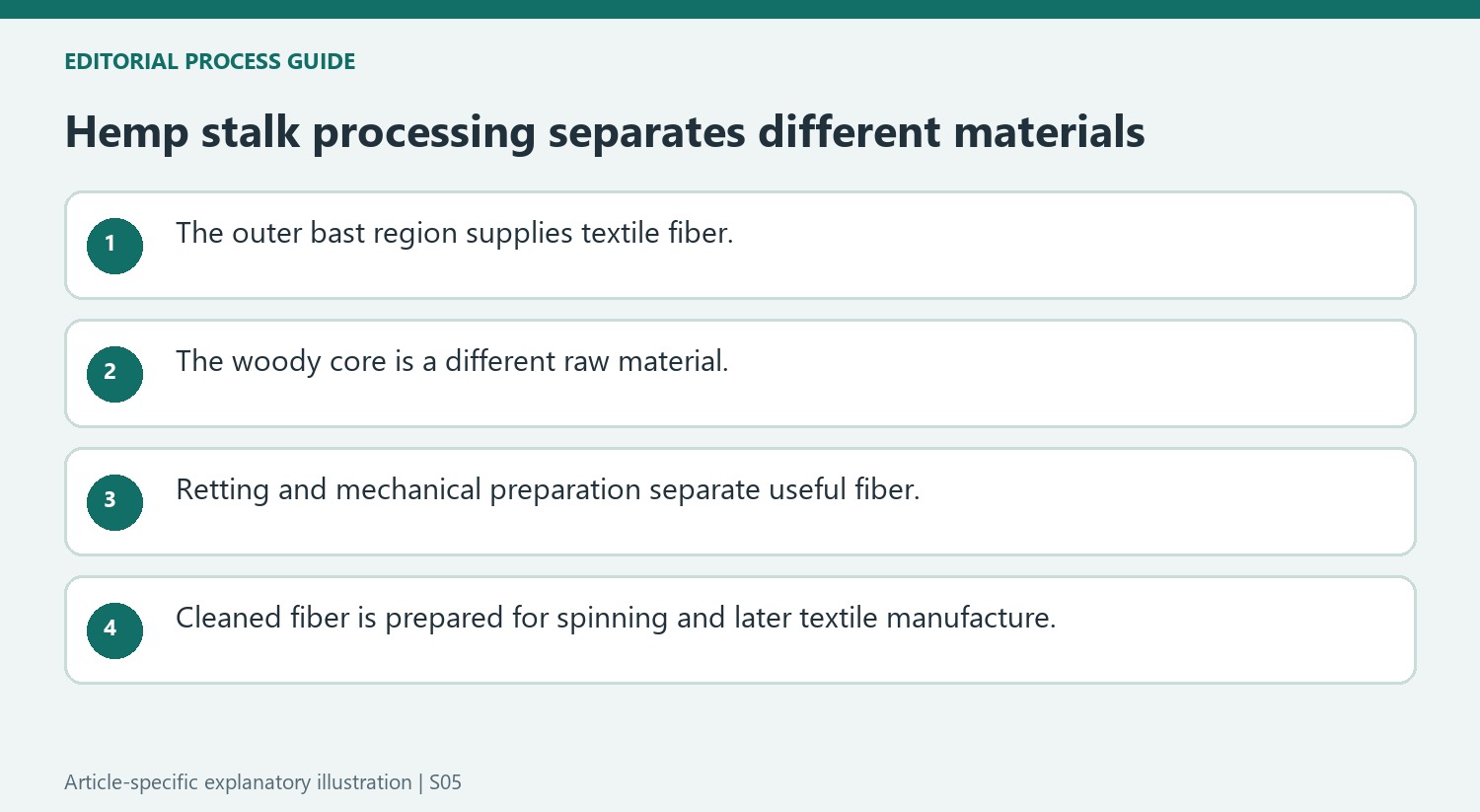
Separate the useful outer fiber from the woody core
The hemp guide identifies two distinct parts of the stalk: the outer bast-fiber region and the woody interior. Textile production focuses on the outer material, while the core can serve other applications. This division explains why processing is more specific than grinding an entire plant into cloth. The source describes retting followed by mechanical separation, cleaning and preparation of the recovered fiber. Only after those stages does the material reach yarn production. Different uses can branch from the processing sequence, including paper and matting rather than apparel. Following that route gives a clearer picture of what a hemp textile represents: it is one deliberately prepared product from a plant that supplies several kinds of raw material.
Interpret durability through the finished construction
Sewport emphasizes strong fibers and long use in ropes and other demanding applications. Those examples help explain interest in hemp, but they are not a direct wear guarantee for every garment made from it. A rope and a lightweight shirt differ in yarn, construction, dimensions and use. Similarly, the source's comparisons with cotton should not be converted into an exact lifetime for a particular item in a wardrobe. Inspect the actual fabric, seams and stated composition when evaluating a garment. The fiber can be part of the reason for choosing it, while the final construction determines how that choice is expressed. This distinction is especially useful when a product blends hemp with another material or is designed to prioritize lightness rather than a visibly heavy texture.
Connect the intended product to feel and absorbency
The guide discusses shirts, dresses, hoodies, towels, upholstery and bedding, illustrating that hemp is used well beyond rope. These products place different demands on softness and handling. A towel may emphasize absorbency, whereas a bedsheet also depends on how the surface feels during prolonged contact. A household textile that feels substantial is not necessarily the right reference for a summer shirt. Compare items within their intended category and read the complete composition, then use the finished product's own care information. The guide describes softening through use and washing, but that does not justify ignoring dye, finishing or assembly restrictions on a particular item. Evaluating those details preserves the useful distinction between the general fiber characteristics and the experience of a specific hemp product.


Comments
0