 FabricKnowledge Lab
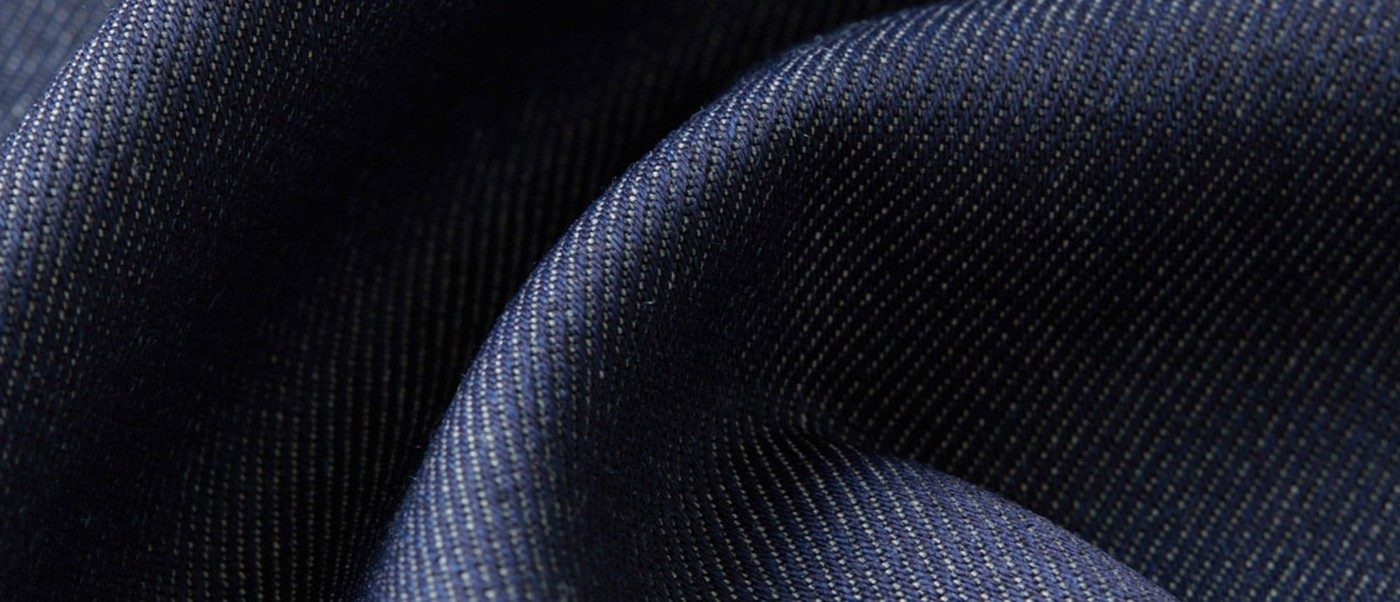
Placing wool where it contacts the wearer
Traditional denim commonly pairs dyed cotton warp yarn with undyed cotton weft. Woolmark explains that using wool in the weft brings wool to the inside of the fabric, changing the surface the wearer experiences. Its discussion links that placement with warmth, moisture management, and the removal of the initial cold feel associated with ordinary denim. The important design choice is not simply adding wool somewhere in a composition list. Yarn location within the structure can influence how the new material behaves against the body.
Different constructions solve different problems
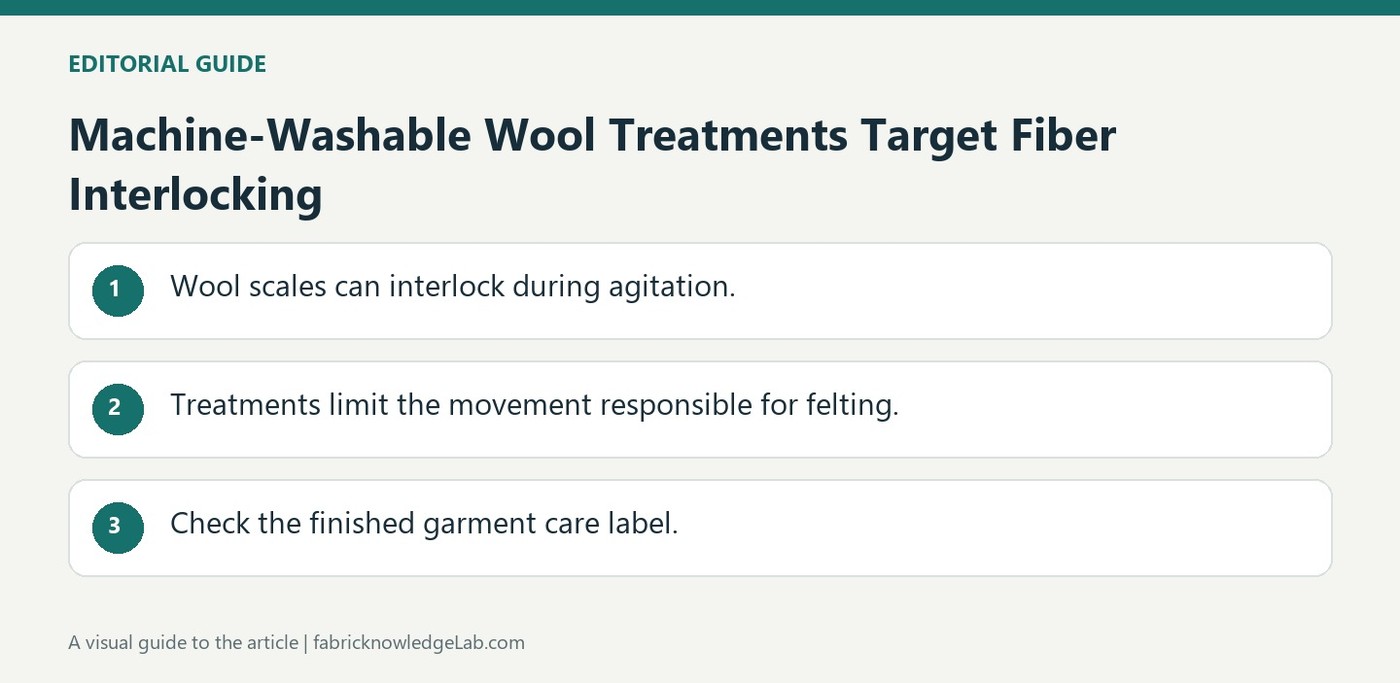
Woolmark describes several wool denim routes. One combines indigo-dyed cotton warp with undyed wool weft, while another reverses those materials. Intimate blends mix wool and cotton within the yarn itself, and fully wool versions use wool in both directions. Other combinations include lyocell, linen or hemp, and synthetic fibers. The page notes that historical blending was complicated by differences in fiber length and dyeing methods. Newer machine-washable wool weft approaches provide another production route, but their washability depends on the relevant treatment and finished product.

Applications extend beyond a standard jean
The source gives examples in outerwear, tailored garments, casual clothing, and footwear. A wool denim shoe developed with Arvind uses a fabric composition of 35% wool and 65% cotton, showing that the idea can be applied outside trousers. Woolmark also describes 100% wool denim used in a Max Mara collection to reproduce denim styling with different comfort qualities. These examples demonstrate a family of constructions rather than one universal formula. Compare the exact yarn arrangement, blend, finish, and care label before assuming that every product called wool denim shares the same warmth, stretch recovery, or washing procedure.
There is more than one way to combine wool and cotton
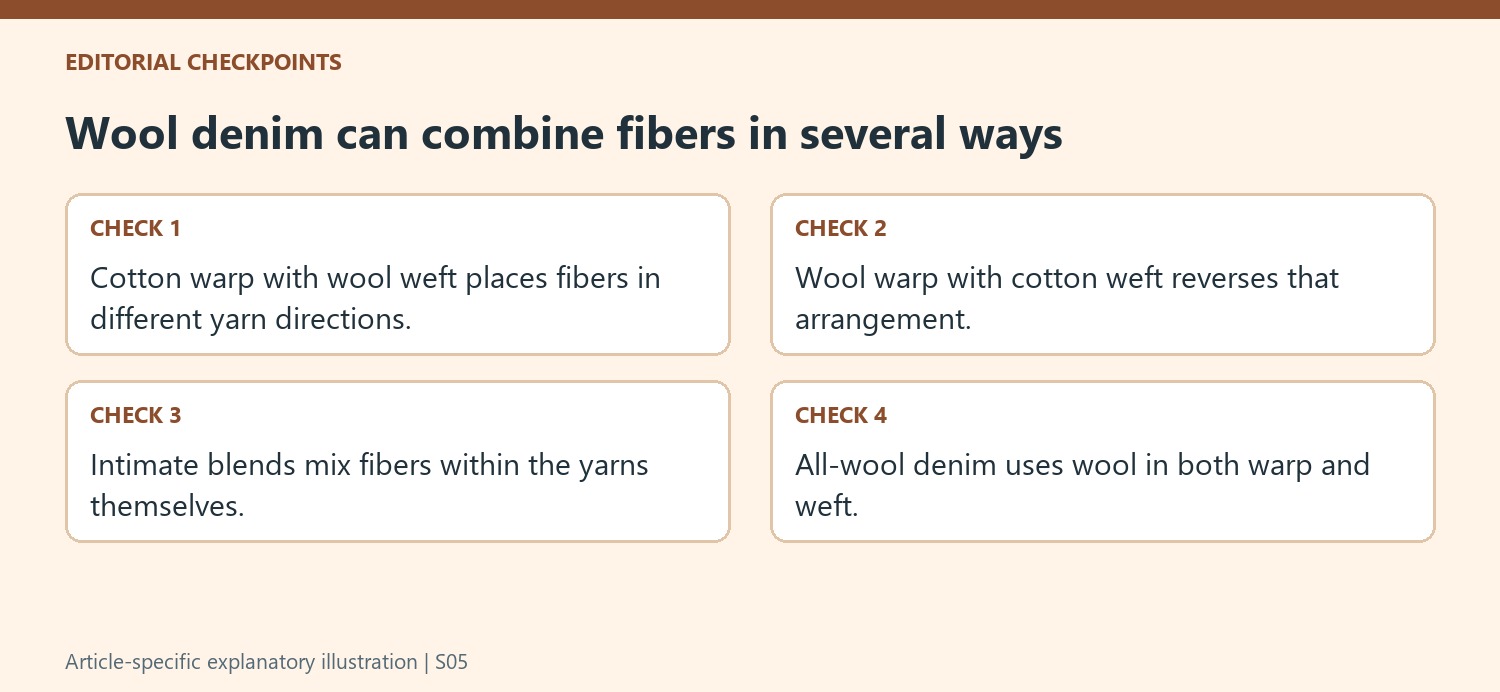
Woolmark distinguishes a mixed fabric construction from an intimate blend. One approach uses dyed cotton in the warp and wool in the weft, while another reverses those fiber positions. An intimate blend combines wool and cotton within the yarns themselves, so the mixture appears in both directions of the cloth. These are meaningful manufacturing differences rather than interchangeable descriptions. A composition percentage identifies how much of each fiber is present, but it does not identify where the wool sits in the woven structure. That location helps explain why the source discusses the fabric's inner surface and its relationship to comfort. Reading the construction alongside the percentage makes the denim description much more informative.
Different wool denim recipes support different designs
The source also discusses all-wool denim and combinations involving lyocell, linen, hemp or synthetic fibers. Each recipe changes the materials available to a designer, so wool denim should be understood as a family of developments rather than one standardized fabric. Woolmark's historical Max Mara example used all-wool denim in tailored pieces and a long coat, demonstrating a role beyond ordinary five-pocket jeans. Its footwear example used a wool-cotton upper with separate reinforcing and insole materials. Those examples concern particular products and collaborations; they do not establish the composition of every wool denim garment. For a practical comparison, identify both the named fabric and the item built from it, including components whose performance comes from another material.
Keep the treatment and washing conditions visible
Woolmark links machine-washable wool denim to wool that has received an appropriate treatment. The treatment is an important condition in the claim, not a minor detail that can be omitted when describing the fabric. A garment containing wool does not automatically inherit the cleaning routine of a conventional cotton pair of jeans. Read its care label and the manufacturer's instructions before washing or drying it. Similar care is useful with comfort and odor statements: the source presents wool-related advantages, but the finished blend, construction and intended use remain relevant. When selecting an item, compare the actual inner surface, fit and fabric handling rather than assuming that any wool percentage produces the same winter warmth or stretch. This keeps the innovation understandable while respecting the differences between individual denim constructions.
References
- Wool Denim. The Woolmark Company.





Comments
0